
Something strange happens when you look at photographs from the 1960s. The people might seem familiar – same general shape, same basic activities – but the objects surrounding them feel almost alien. A telephone. A television. A camera. Each one recognizable by function, yet totally foreign in form. The ’60s were a decade when industrial design was deeply intertwined with cultural optimism, space-race ambition, and a genuine faith in the future.
What makes this era particularly fascinating is how quickly those designs became the default – and then how thoroughly they vanished. Here are seven objects from everyday life that looked almost nothing like their modern counterparts during that decade.
The Home Telephone
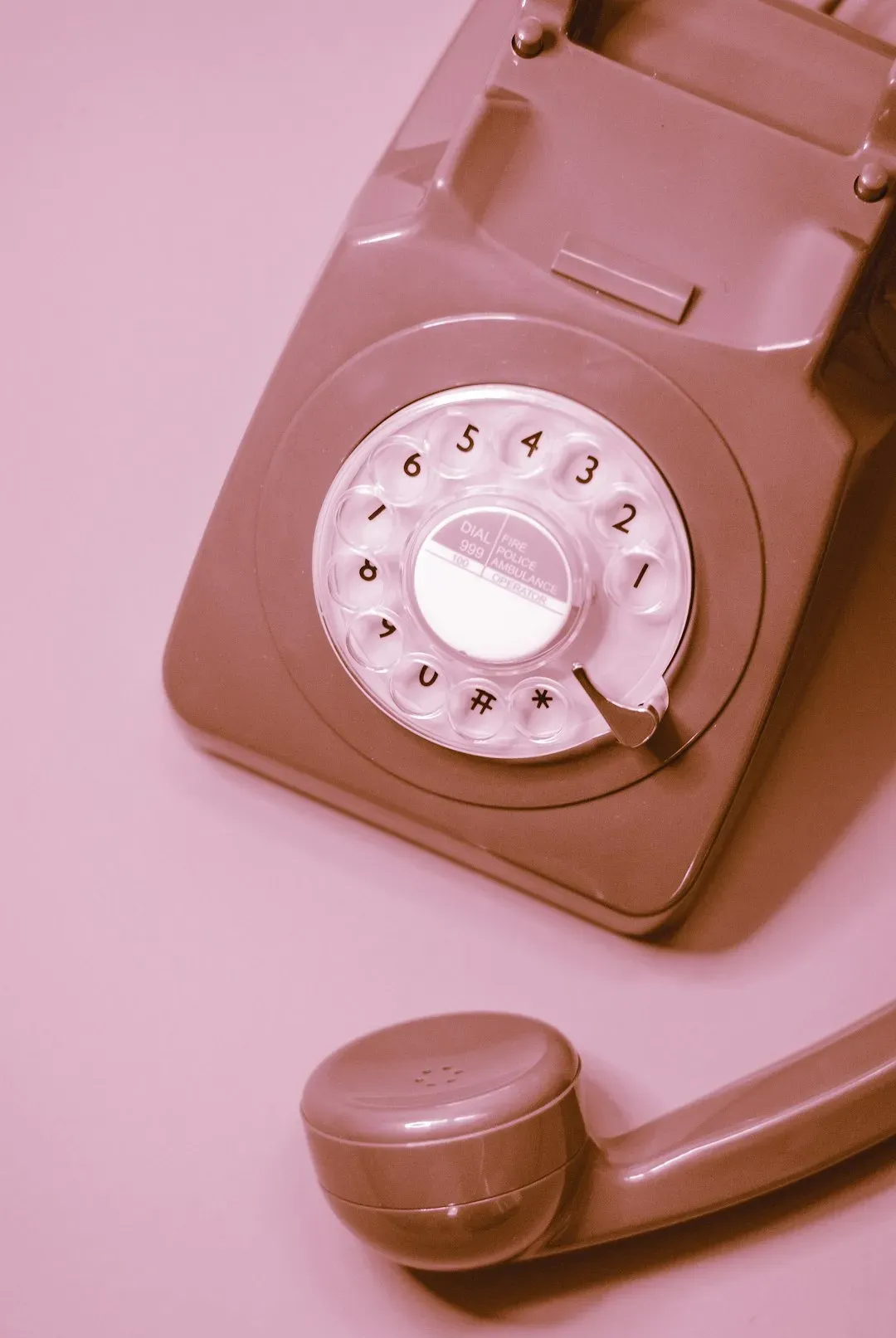
In the early 1960s, picking up the phone meant picking up a chunky, curved handset and inserting a finger into a numbered wheel. The standard rotary dial phone featured a circular dial with numbered holes, and to place a call, the user inserted a finger into the hole corresponding to the desired number, rotated the dial clockwise until it hit a stop, then released it, generating electrical pulses that were interpreted by the telephone exchange. It was tactile, deliberate, and required a certain patience that modern calling absolutely does not.
From the 1960s onward, the rotary dial was gradually supplanted by push-button telephones, first introduced to the public at the 1962 World’s Fair under the trade name Touch-Tone, which used a keypad in the form of a rectangular array of push-buttons. The Western Electric Model 1500 adapted the earlier 500 design for touch-tone dialing with a push-button pad for the digits 0 through 9, and it was produced from 1963 to 1968. Phones were also rented, not owned – leased monthly from the phone company, in a limited range of colors.
The Television Set
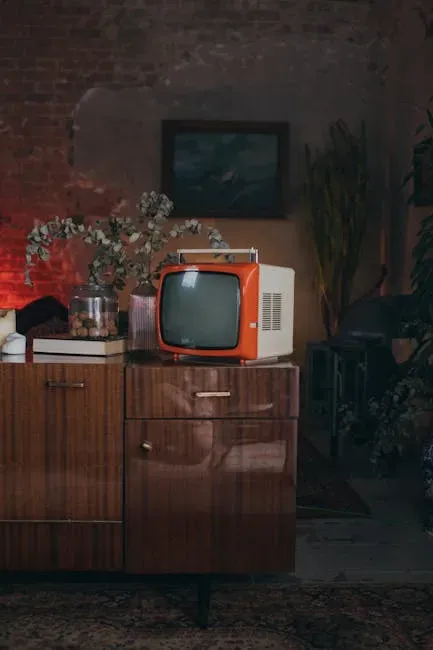
Today’s televisions are essentially large, thin slabs of glass mounted on a wall. In the 1960s, the TV was furniture. High-end televisions of the 1950s and 1960s were designed to be furniture pieces as much as electronic appliances, combining large wooden cabinets, substantial knobs and dials, and an emphasis on craftsmanship and style that reflected midcentury taste. Families arranged their living rooms around these sets the way we arrange rooms around sofas today.
The addition of color to broadcast television after 1953 further increased the popularity of television sets in the 1960s, and an outdoor antenna became a common feature of suburban homes. By the early to mid-1960s, slimmer profiles emerged as electronics miniaturized, and freestanding portable sets and table-top models grew in popularity, with color sets gaining distinctive two-tone plastics and metal trim. Still, the dominant image of a 1960s TV is that deep, wood-veneer cabinet dominating a corner of the room.
The Camera
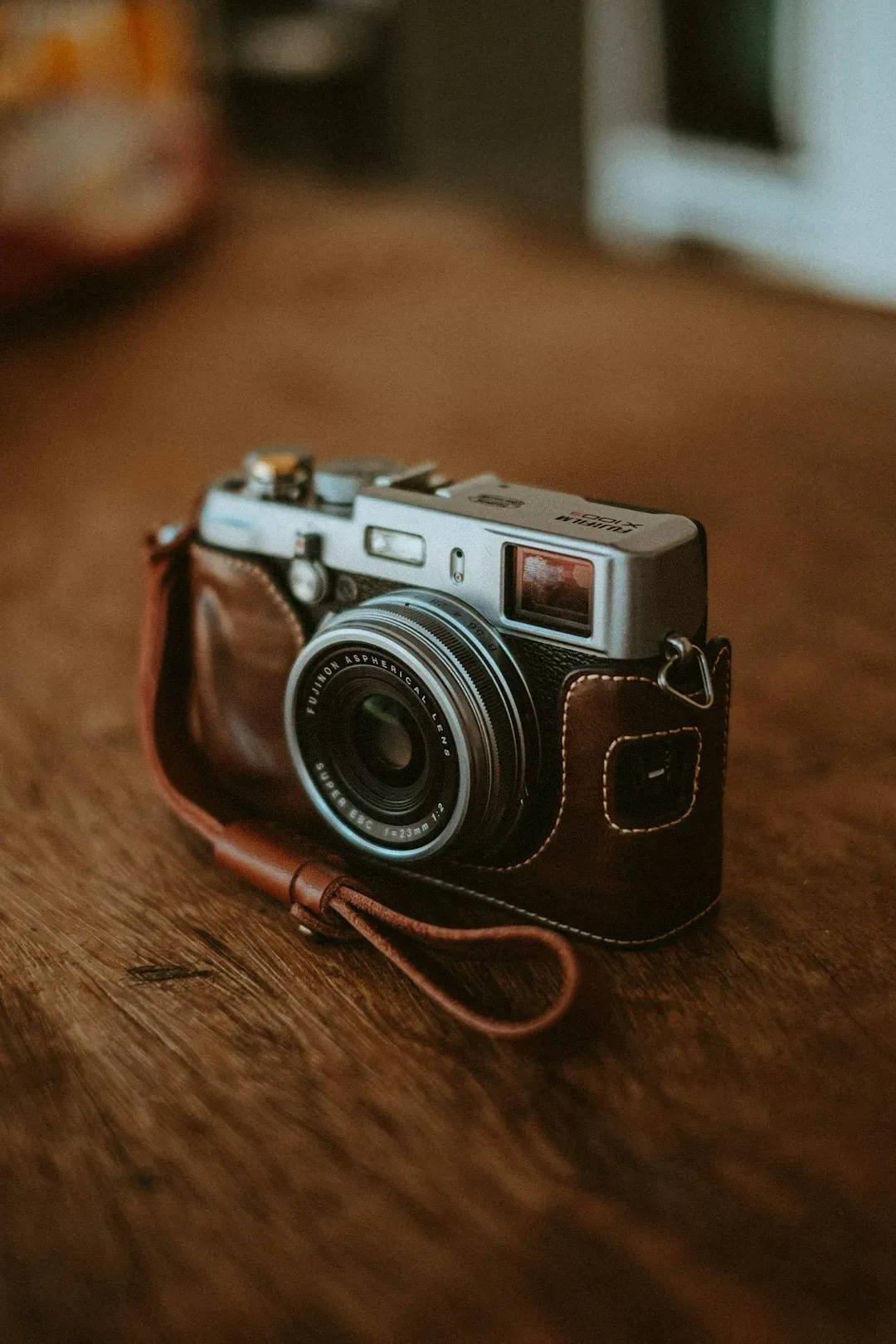
Photography in the ’60s wasn’t the instant, frictionless act it is now. Cameras were boxy, mechanical, and required a roll of film that you couldn’t see until after it was developed – sometimes days later. The Kodak Instamatic 104 was released in 1965 and became the go-to camera for novices eager to capture high-quality images, featuring a 43mm lens and a 126-film cartridge that eliminated the need for manual settings. It was considered remarkably simple for its time.
Instant photography also burst onto the scene with Polaroid’s Land Camera Model 100, which eliminated the wait between capturing and viewing a photograph – and Polaroid’s sales skyrocketed to 700,000 units in 1965, cementing instant photography’s place in American culture. Even so, neither of these cameras looked anything like a smartphone. They were separate, dedicated devices with weight and mechanical character that made you feel like you were doing something intentional.
The Hairdryer
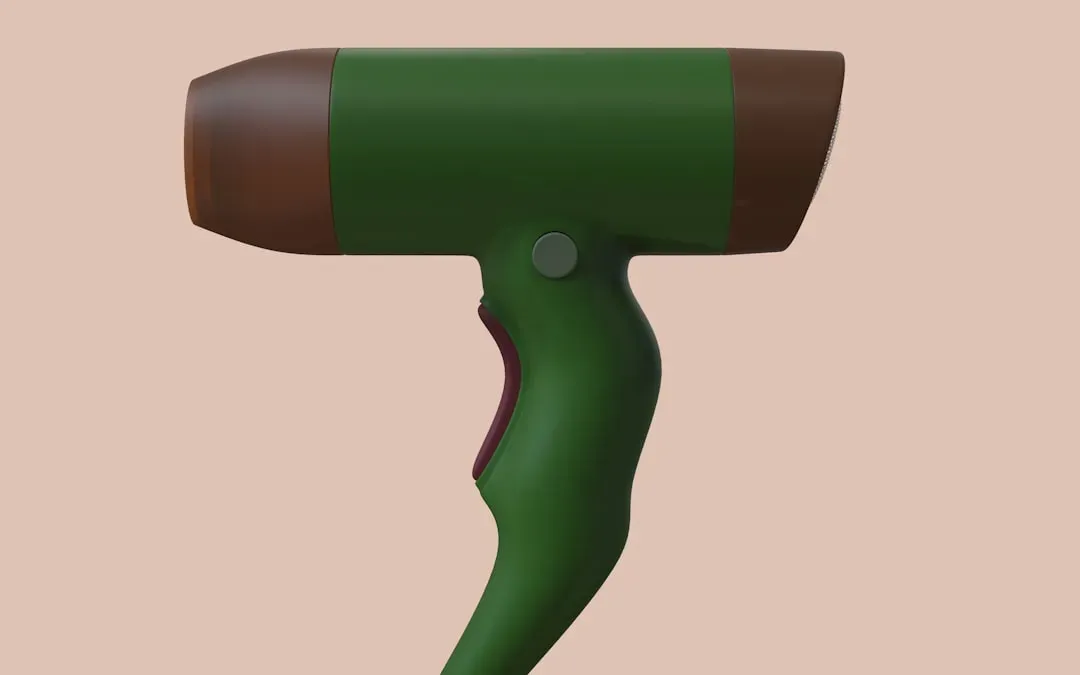
Today’s hairdryer is a lightweight handheld tool you can tuck into a toiletry bag. In the 1960s, it was closer to a salon contraption brought home. Before the lightweight handheld models we know today, home hairdryers in the 1960s often mimicked the salon experience, with overhead dryers featuring large plastic hoods marketed to women who wanted professional-style curls at home – bulky, noisy, and requiring the user to sit still for long stretches.
A vintage hairdryer by Sears called the Salonette Portable was marketed at department stores in the ’60s, offering home convenience by letting users enjoy free-standing hair drying without costly salon visits. As beauty routines became quicker and more casual in the 1970s, these futuristic-looking dryers quietly disappeared from everyday homes. What replaced them was the handheld pistol-grip model that remains essentially unchanged to this day.
Eyeglasses
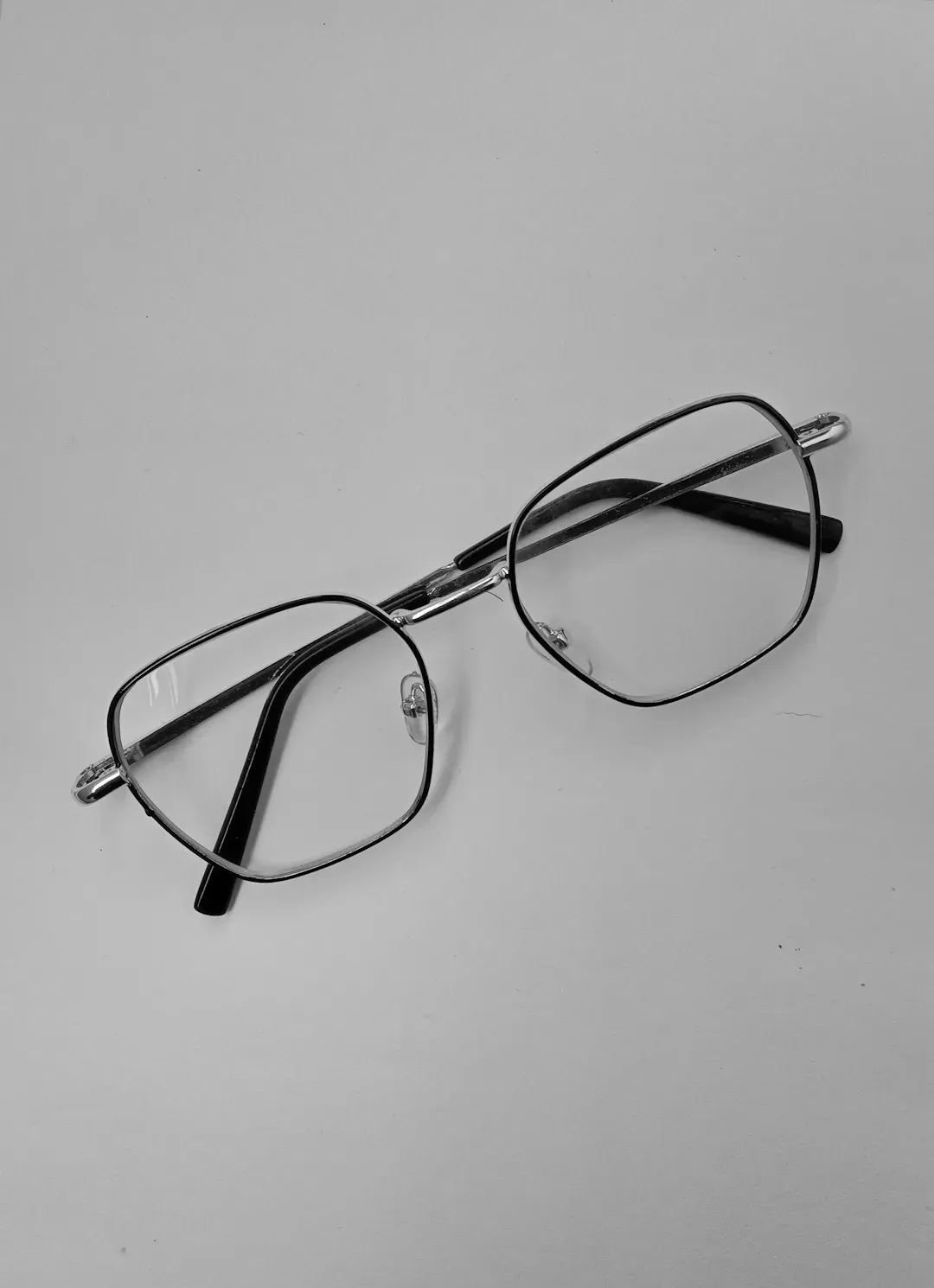
Glasses in the 1960s weren’t just a vision aid. They were a statement – sometimes an aggressive one. At the beginning of the 1960s, the popularity of stand-out eyewear was already well established, and what changed in the following decade was how big and bold frames became, with designers like Oliver Goldsmith creating memorable expressions of the era’s love affair with exaggerated Modernism. Think oversized, geometric, and intentionally theatrical.
Leading eyewear company Oliver Goldsmith was one of the first to recognize the fashion potential of glasses and sunglasses, supplying eyewear to most of the decade’s cultural icons including Audrey Hepburn, Michael Caine, and Jackie Onassis – and their sunglasses were also the first to appear in the pages of Vogue. Oliver Goldsmith courted publicity by creating deliberately unusual frames, but the firm could also design for the mass market, with its chunky RIP frame becoming one of the decade’s bestselling looks. Nothing subtle about any of it.
The Automobile
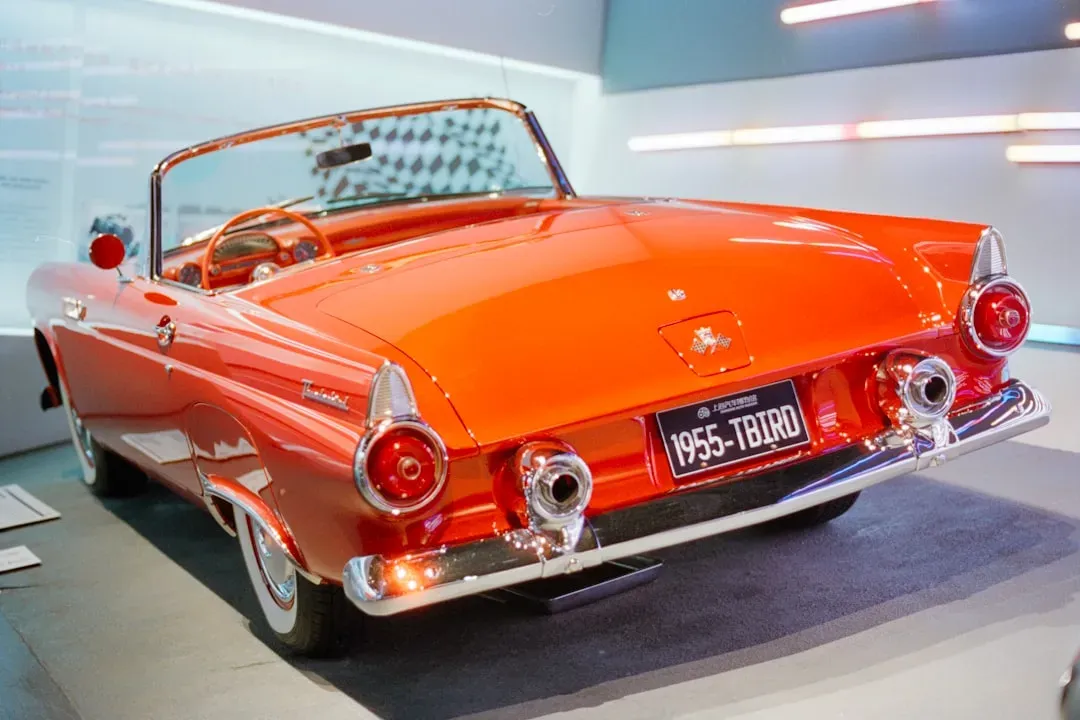
If you parked a 1960s car next to a current model, the visual difference would be almost comical. The tailfin era of automobile styling encompassed the 1950s and 1960s, peaking between 1955 and 1961. These weren’t subtle design flourishes. As jet-powered aircraft, rockets, and space flight gained public recognition through the Space Race, automotive tailfin assemblies including tail lights were designed to resemble more and more the tailfin and engine sections of contemporary jet fighters and space rockets.
By the early 1960s, the tailfin’s dominance waned, as the automotive industry moved towards more conservative, efficient designs and the rise of compact cars shifted priorities away from the extravagant design flourishes of the past. The 1960s saw a decline in the prominence of the tailfin, with the 1961 Cadillac being one of the first models to feature smaller, more restrained fins, signaling the end of the era of excess. The cars that emerged by the late ’60s, particularly the muscle cars, were still dramatic – but the chrome rocket aesthetic was fading fast.
The Alarm Clock

Before phones became bedside companions, the alarm clock was its own distinct object with its own distinct character. Long before smartphones took over, the 1960s saw the rise of the radio alarm clock, which combined timekeeping with the latest pop hits or news bulletins – and these boxy devices, often in wood veneer or fabric finishes, became a fixture on bedside tables throughout the decade. Waking up to the radio was considered genuinely modern.
The physical design of these clocks was unmistakably of their time: analog faces, chunky dials, and a presence on the nightstand that could not be ignored. As technology advanced and digital clocks appeared in the 1970s, their clunky analogue dials and knobs soon looked outdated, and the trend faded. What replaced them were sleek digital displays – and eventually, smartphones that made dedicated alarm clocks feel redundant entirely. The ’60s clock radio now exists mostly as a vintage collectible, a reminder that even the most ordinary objects carry the design language of their era with them long after their usefulness has passed.





Leave a Reply