
There’s a specific kind of awareness that develops after a few months of carrying plates, memorizing allergy notes, and running side work at the end of a double shift. It’s not something you can read about or fake. People who’ve worked in restaurants tend to move differently through a dining room, notice things others miss, and carry a quiet consideration for the people behind the scenes.
On the flip side, certain tableside habits make it immediately clear when someone has never stood on the other side of the pass. None of these behaviors are malicious. Most diners aren’t trying to be difficult. Still, the gap between knowing and not knowing is surprisingly visible to anyone who’s ever worn an apron.
Snapping Fingers or Waving Frantically to Get Attention

Avoiding frantic gestures toward your server isn’t just fine dining etiquette – it’s basic public decorum. Servers sometimes get overwhelmed during peak periods, and that’s not an invitation to create a scene. Clapping hands, snapping fingers, whistling, or shaking an empty glass around communicates one thing clearly: that you view the staff as personal servants rather than professionals doing a demanding job.
In all likelihood, your server isn’t ignoring you. They’re probably juggling several other tables simultaneously, or someone called out last minute and the floor is understaffed. A simple, calm verbal cue when a staff member passes within earshot is all that’s ever needed. Everyone in the room notices the snapper. Nobody envies them.
Grabbing Items Off the Server’s Tray
Never grab drinks off your server’s tray. It disrupts the weight balance and can cause the whole thing to come crashing down. Trays are carefully loaded to distribute weight evenly, and a single well-meaning reach can undo all of that in half a second. The impulse usually comes from a place of helpfulness, which makes it one of the more ironic entries on this list.
Servers are essentially strangers to the guests they’re serving, and grabbing them as they walk by or reaching into their apron for supplies crosses a line. Servers don’t enjoy people invading their personal space, and if startled, they might drop whatever they’re holding, including a full tray of drinks directly into someone’s lap. Patience is the move here, every time.
Stacking Plates “Helpfully” Before Clearing
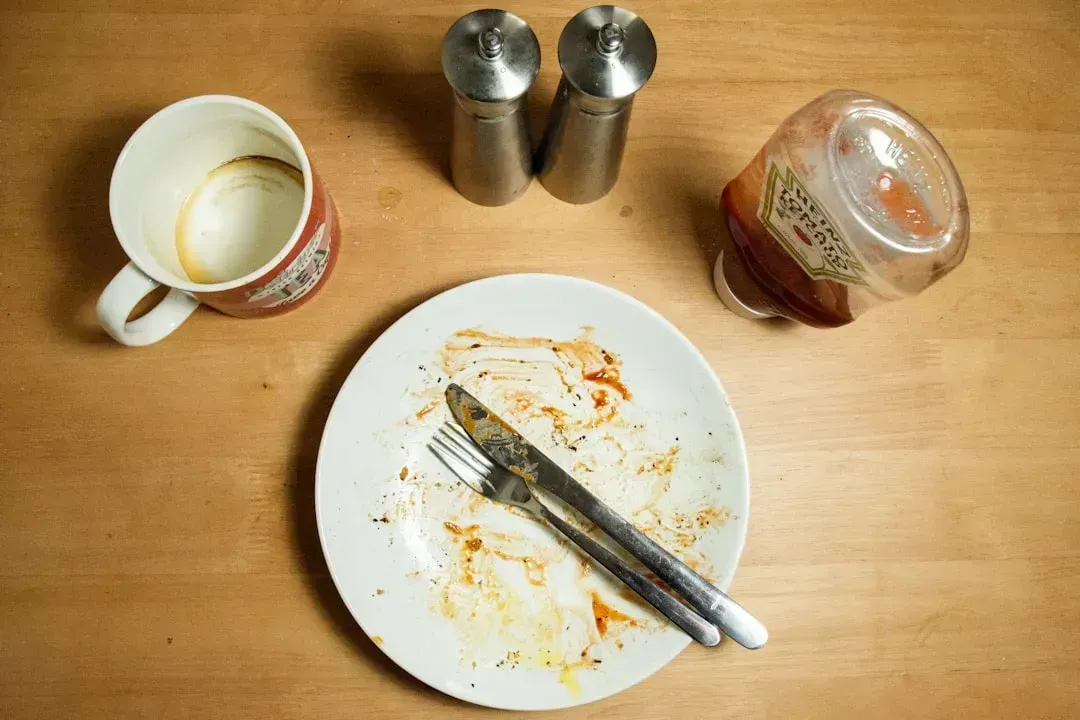
Stacking dirty plates at the table might seem considerate, but many industry veterans actually don’t like when guests do this. Plates are designed to be cleared in a specific order and manner, and a haphazard stack with leftover sauces and silverware buried in the middle creates more work, not less. It also risks breaking glassware balanced on top of ceramic edges.
The instinct is understandable. You want to be helpful and tidy. The reality inside a restaurant, though, is that servers have a practiced system for clearing efficiently and safely. One of the most common etiquette mistakes involves trying to “signal” readiness in ways that were taught as polite but actually create more of a mess for the person doing the clearing. Let the professionals handle the cleanup their way.
Ordering One Thing at a Time Every Time the Server Returns
This habit even has a name among industry insiders: “one-timing.” It happens when a diner calls the server over repeatedly, asking for just one more thing each time – extra napkins, then a side of ranch, then lemon for the water, then a spoon for the soup. Each individual request is perfectly reasonable. The pattern, however, is exhausting for someone managing multiple tables at once.
In isolation, each request is reasonable. Together, it becomes the restaurant version of death by a thousand cuts. Servers have things to do, and monopolizing their time won’t make your food arrive any sooner. In fact, it’s more likely to slow things down. Every second counts on the floor. A quick mental inventory of what you need before the server arrives is one of the simplest courtesies a diner can offer.
Complaining About Food After Eating Most of It
A diner always has the right to politely send back an incorrect or unsatisfying dish. However, servers find it genuinely frustrating when a guest consumes a significant portion of the meal before mentioning the problem, or waits until the very end to raise the issue. The window for a remedy closes once the plate is mostly cleared.
The reason this stings is straightforward: it can look like the guest is angling for a free meal, even if the hesitation came purely from shyness or conflict avoidance. A brief, early mention – even something as low-key as a quiet word during the first check-in – gives the kitchen a genuine chance to make things right. Waiting until the bill arrives doesn’t.
Lingering Long After the Check Is Paid
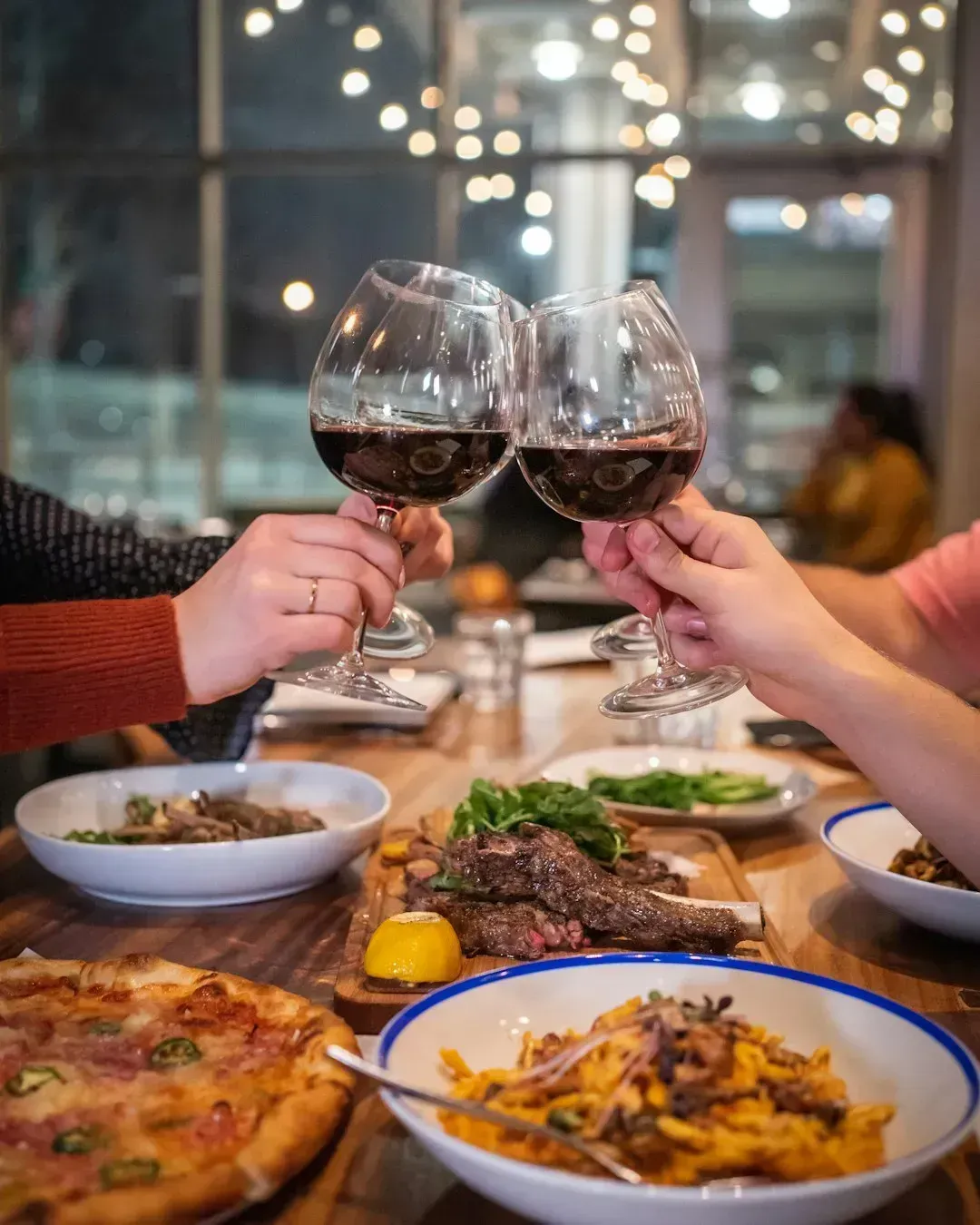
While it feels harmless to linger, hanging around long after settling up is one of those unintentional restaurant mistakes that quietly drives servers wild. Each table represents potential income for a server, and camping out puts that income on hold. This is especially true during dinner rushes, when a single occupied table can hold up an entire section’s worth of turnover.
During peak hours, a table essentially held hostage means another group of hungry guests left waiting and another missed round of earnings for the staff. The conversation doesn’t have to end when the bill is paid. It just doesn’t need to happen in a booth that a server is quietly praying will free up before the next reservation walks through the door.
Rearranging Furniture Without Asking
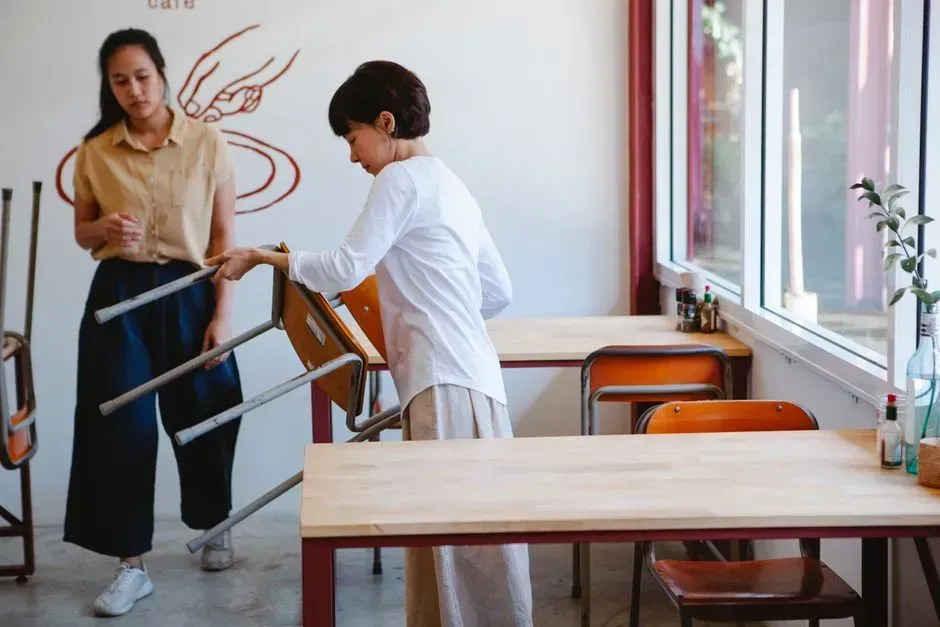
When guests take it upon themselves not only to seat themselves but to push tables together and shuffle chairs around as though it’s their own private dining room, staff have to step in and intervene. There are many reasons not to rearrange the dining room, including liability. If anything happens to you, even something as small as stubbing your toe, the restaurant could be held responsible.
Table layouts are also rarely arbitrary. Sections are assigned, server stations are structured around specific configurations, and fire code compliance can factor in too. For those who’ve never worked in a restaurant, the seating logic can be confusing. Guests sometimes protest that they were there first when a smaller group gets seated faster, not knowing that a large corner table is about to open up and will serve them far better. Trusting the host stand is almost always the right call.
Treating the Server Like They Control the Kitchen
There’s a version of frustration that gets aimed squarely at the person holding the notepad, even when the issue has absolutely nothing to do with them. Food taking longer than expected during a Friday night rush, a dish being prepared a certain way because of a standing recipe, a substitution being unavailable – none of that lives with the server. Servers are the face of the restaurant and the middleman between the meal and the table. Guests don’t see the mayhem happening behind the scenes, and it’s the server’s job to make sure they don’t.
Servers also deal with guests who walk in announcing they’re in a rush. Expecting staff to serve you faster simply because you’re short on time is a headache, and it doubles if you order something like a well-done steak. A server cannot make your order arrive faster or deprioritize other guests on your behalf. Anyone who’s spent time in service knows the kitchen is its own universe, and charm doesn’t speed up a grill.
Ignoring the Server Mid-Greeting
Being present when greeted is basic courtesy. It’s genuinely uncomfortable for a server to approach a table only to be completely ignored, or to have a drink order barked at them before they’ve had a chance to introduce themselves. It’s a small thing, but it sets the entire tone of a table’s service from the first twenty seconds.
Not making eye contact, interrupting the greeting to bark an order, or snapping fingers for attention signal a lack of social attunement more than anything else. People who’ve worked service understand that a server’s opening approach is part of their job rhythm, not a formality to skip past. A brief pause in the table conversation costs nothing and quietly earns goodwill.
Leaving the Table in a Genuinely Chaotic State
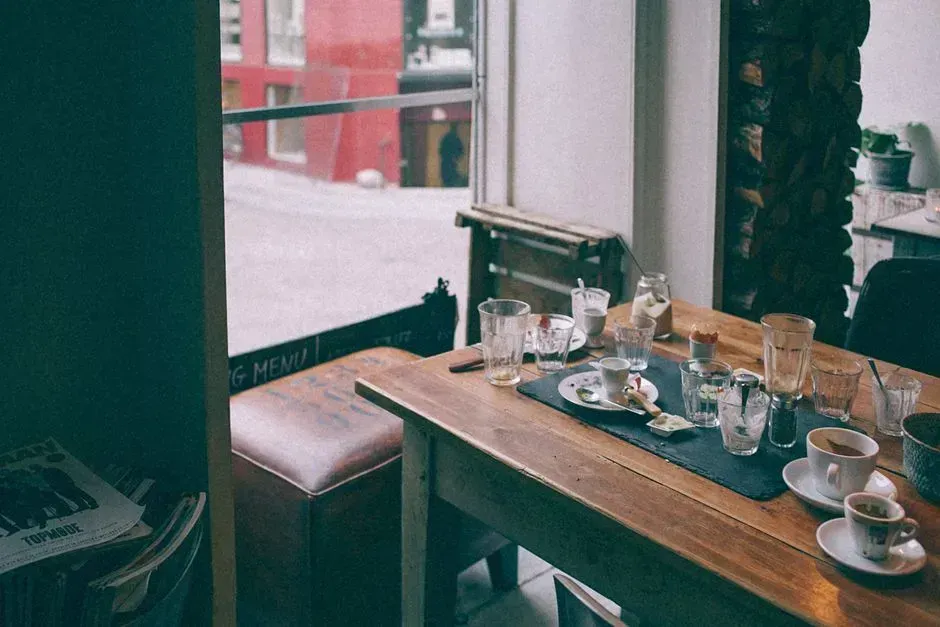
Servers are not janitorial staff. While dirty dishes, napkins, and utensils are expected, leaving food on chairs, on the floor, or scattered across the table in every direction is a different matter entirely. The reality is that a server turns that table over for the next guests, often within minutes, while also managing their other sections.
Waitstaff are not maids, and treating them as such by leaving a table looking like a natural disaster is a recognized breach of dining consideration. Nobody expects a guest to wipe down surfaces or bus their own dishes. Still, a small gesture like catching the server’s eye after a spill, or corralling straw wrappers without being asked, sends a clear signal about how someone operates in shared spaces.
Tipping Below the Current Standard or in Unconventional Ways
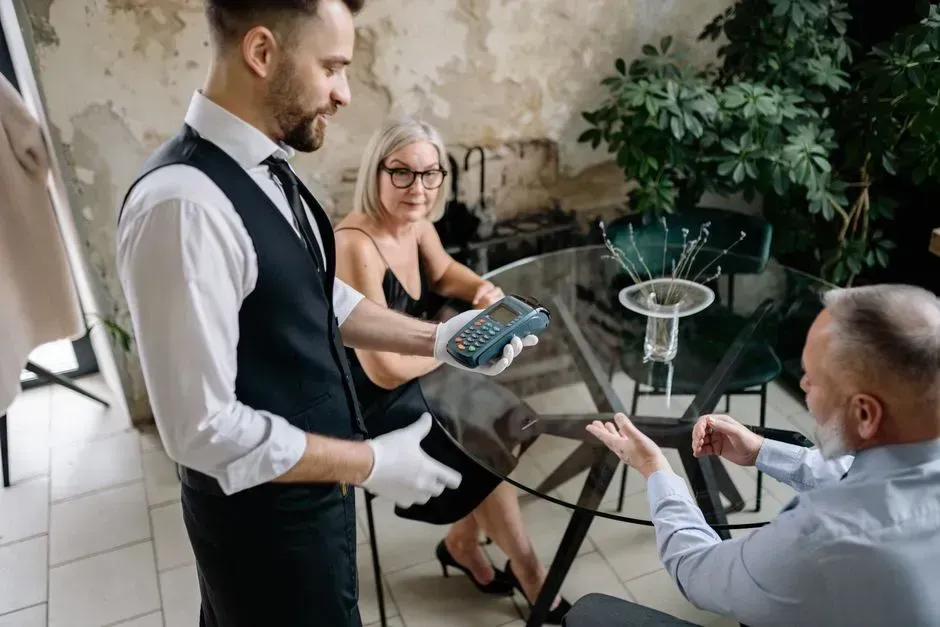
The old guideline of ten percent for poor service and fifteen for good service has genuinely shifted. The appropriate minimum tip in the current tipping landscape is closer to twenty percent, reflecting how server compensation structures actually work. In many states, tipped employees are paid a lower base wage by design, with tips expected to bridge that gap. Leaving far below that threshold without cause is one of the most direct signals that someone hasn’t spent time in the industry.
Creative tipping methods are another sore spot among service workers. Leaving a small amount hidden inside a water glass, for example, forces the server to create a mess just to access their own earnings. If there’s a broader objection to tipping culture, that’s a fair conversation to have. It just shouldn’t be expressed through the server, who depends on tips for the majority of their pay.
Talking Through the Entire Order Without Pausing
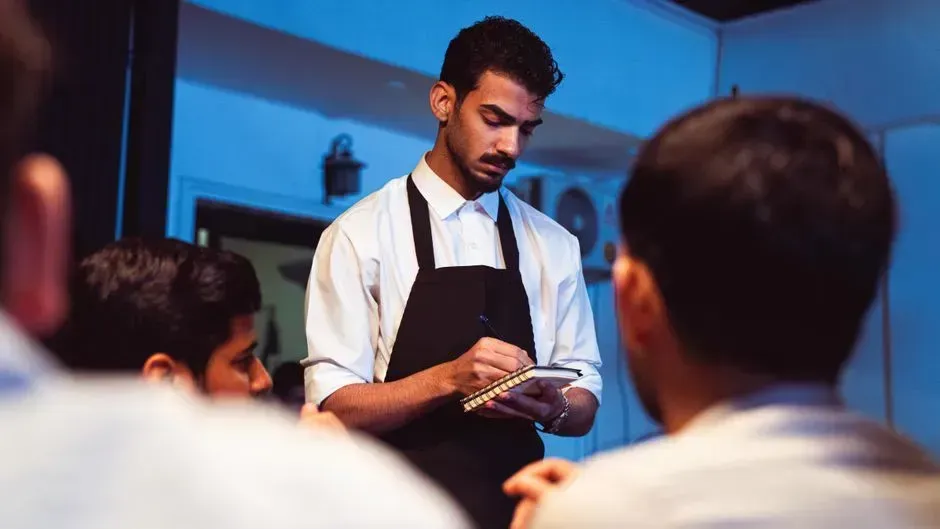
There’s a particular kind of table where a guest spends ten minutes holding court on a story while the server stands waiting, notepad in hand, visibly calculating the domino effect on their other tables. Time spent standing and waiting while a diner remains indecisive or inattentive is simply time lost. It’s difficult to stand there smiling while the tension from other waiting tables builds in peripheral vision. Experienced diners have a sense of when to pause and let the transaction happen.
Speaking clearly at a normal conversational level is genuinely considered peak restaurant etiquette. Confidence matters here. There’s nothing to be shy about, and servers are trying to make sure you get exactly what you want. Murmuring a complicated order while facing sideways, or piling on modifications mid-sentence without a breath, makes an already fast-paced moment harder for everyone. A brief pause and clear delivery is a small thing that makes a real difference on a busy floor.
Most of these behaviors come from inattention rather than bad intentions. The divide between those who’ve worked service and those who haven’t isn’t a moral one – it’s experiential. A single shift carrying plates has a way of recalibrating how you read a dining room, probably for the rest of your life.

Leave a Reply