
Most pet owners spend weeks planning the trip itself, then spend about ten minutes briefing the person who will care for their animals. Professional sitters tend to say that this gap is where most problems start. Small details can decide whether a week goes smoothly or turns into a string of phone calls.
Pet sitting organizations such as Pet Sitters International and the National Association of Professional Pet Sitters publish guidance for clients, and it points in similar directions. What follows are twelve practical things sitters commonly ask for, explained in plain terms.
A Meet and Greet Before You Leave

Most professional sitters ask for an introductory visit before the first booking. It lets the animal sniff, hover, and decide whether the stranger is tolerable. It also lets the sitter see the home’s layout, the quirks of the doors, and where everything lives.
Pet Sitters International recommends this meeting as a standard step when hiring. It’s also a chance for you to judge how the sitter handles your pet, which tells you more than any online profile can.
Written Feeding Instructions
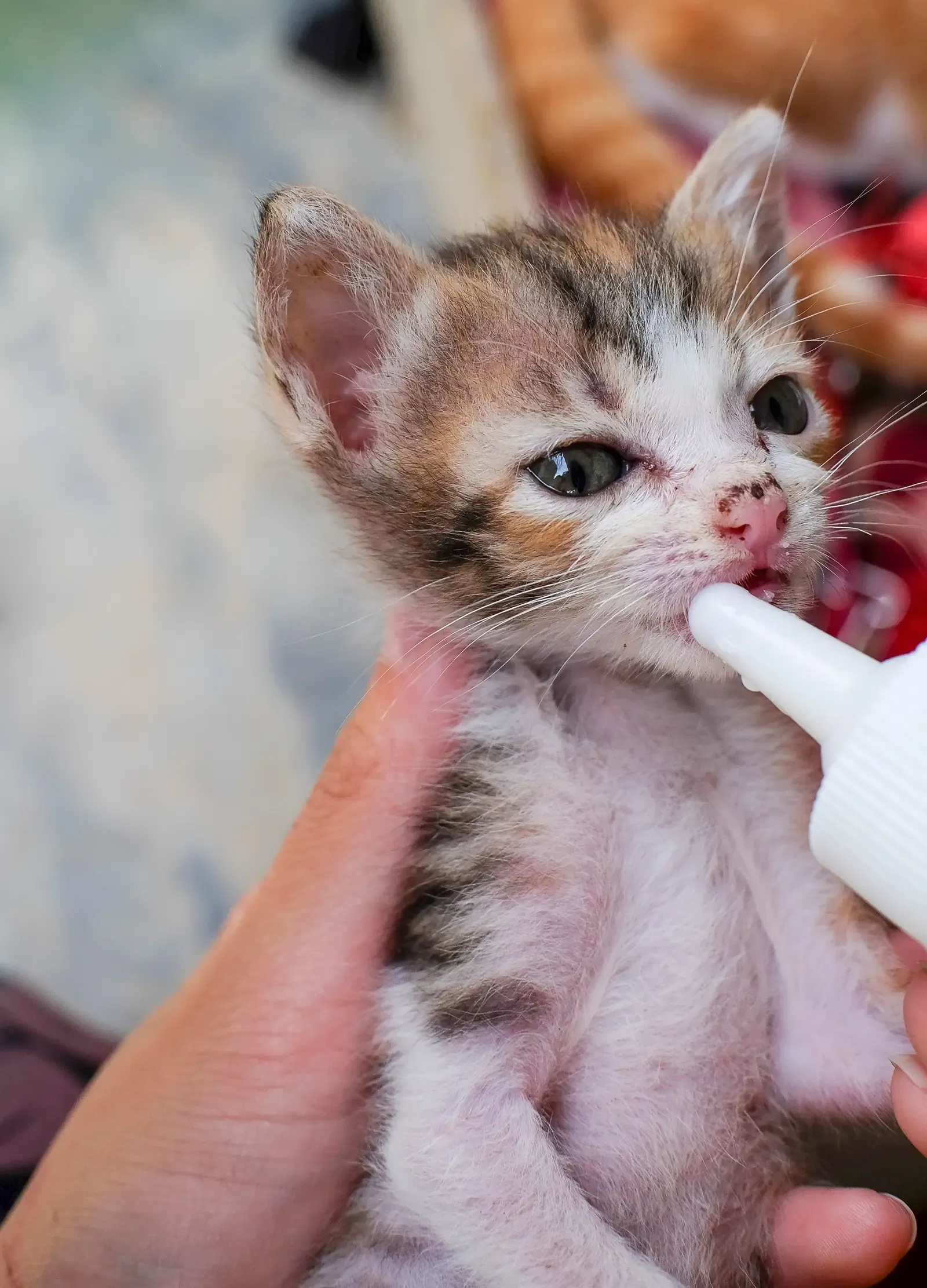
Verbal instructions fade fast, especially when you’re rushing to the airport. A short written note covering the food type, portion size, and times of day gives the sitter something to check instead of guess at. Measuring scoops left next to the bag help even more.
This matters most for pets on special diets or those that eat in a particular order. If a cat only eats from one bowl or a dog needs food softened, say so in writing.
Current Vet and Emergency Contacts
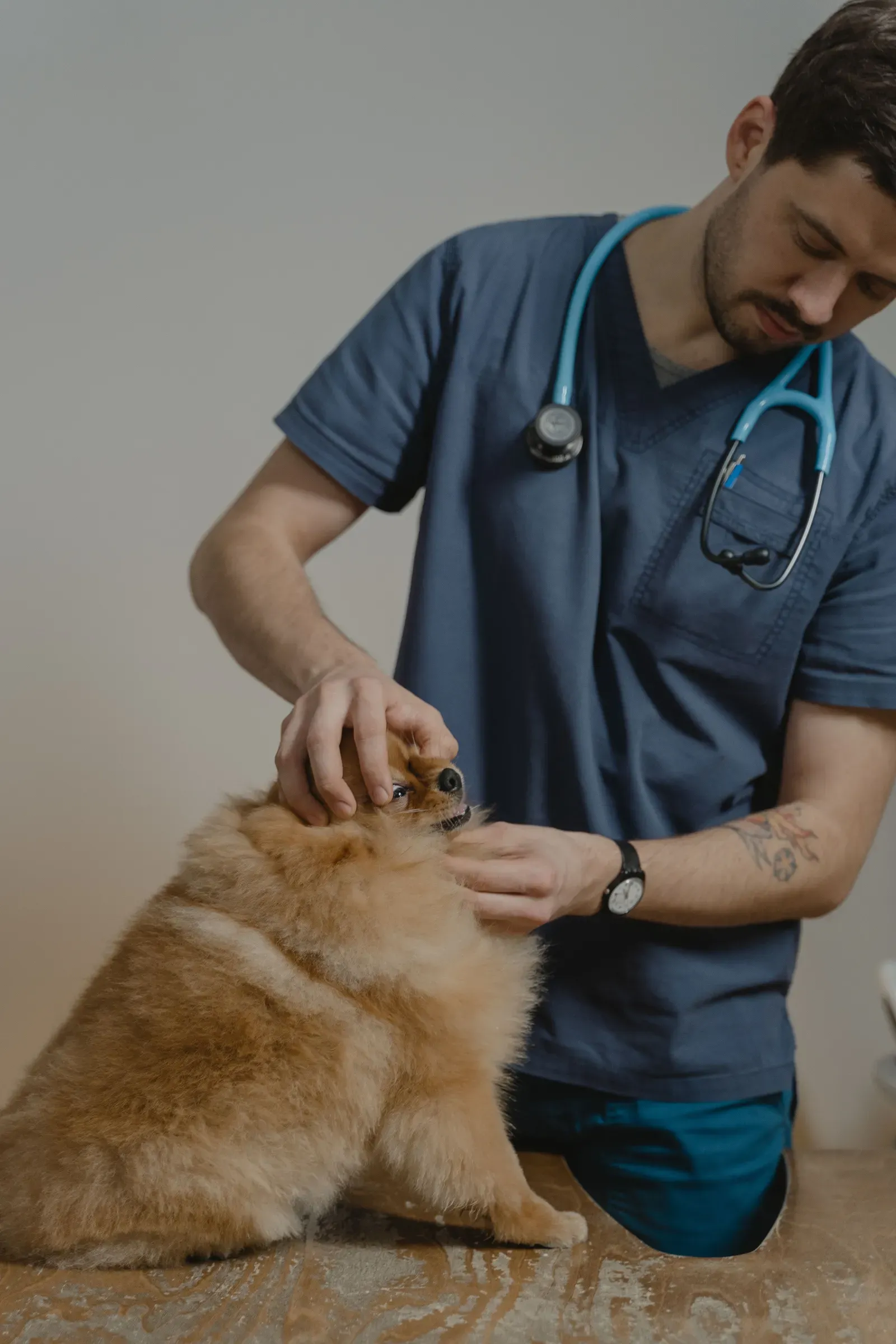
Sitters want your regular veterinarian’s name, number, and address in one visible place. They also want the nearest emergency clinic, since regular offices close in the evenings and on weekends. Having both saves precious time if something goes wrong.
The ASPCA’s pet care guidance for travel also advises leaving contact details for where you’ll be staying. A reachable owner can make fast decisions when the sitter needs approval for treatment.
A Signed Veterinary Authorization
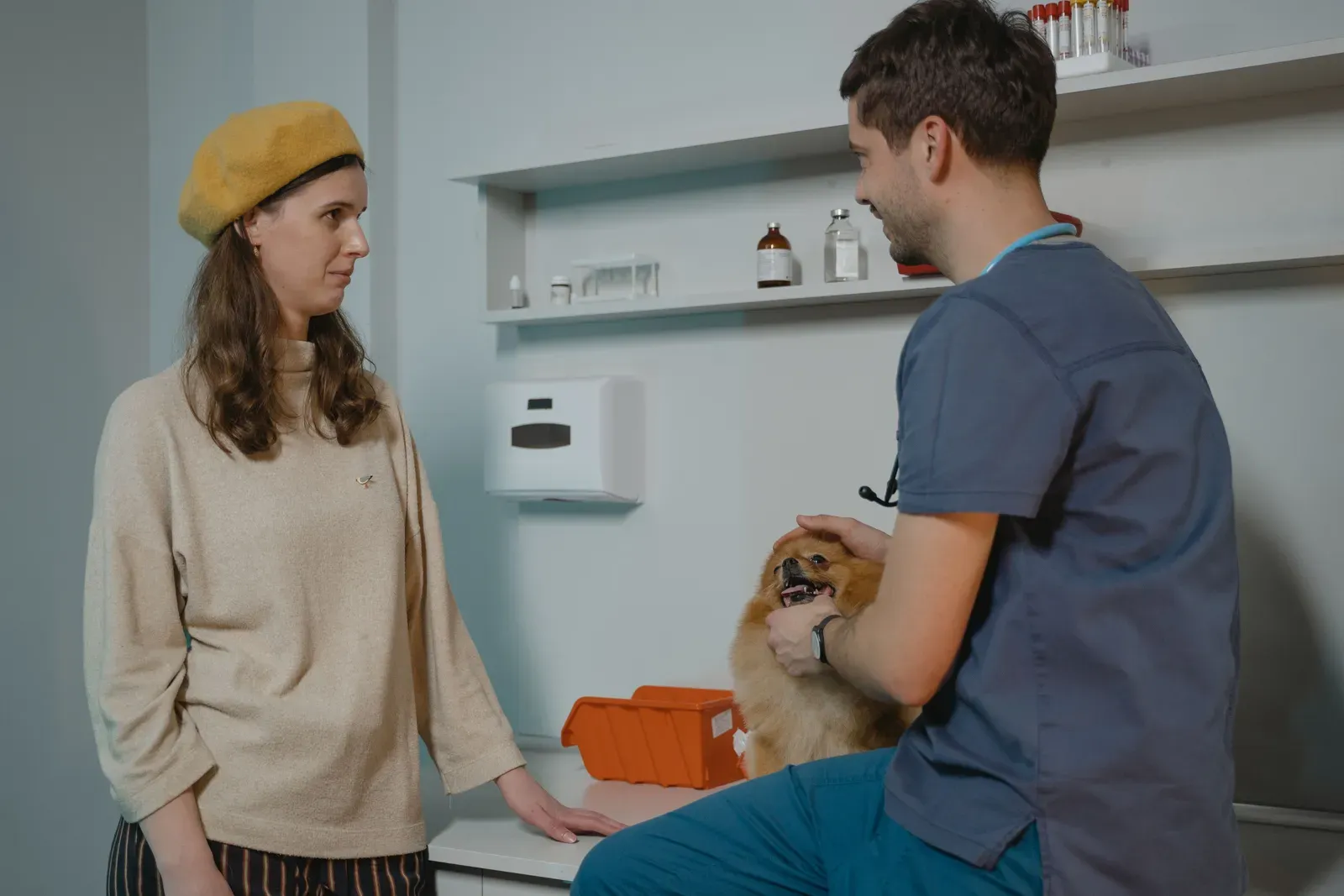
Clinics may hesitate to treat an animal when the person at the front desk isn’t the owner. A signed note authorizing the sitter to approve care, ideally with a spending limit, removes that hurdle. Many sitters include this in their service agreement.
It’s an unpleasant topic to think about before a vacation. Still, sorting it out in advance is far easier than negotiating it by text across time zones.
Complete Medication Details
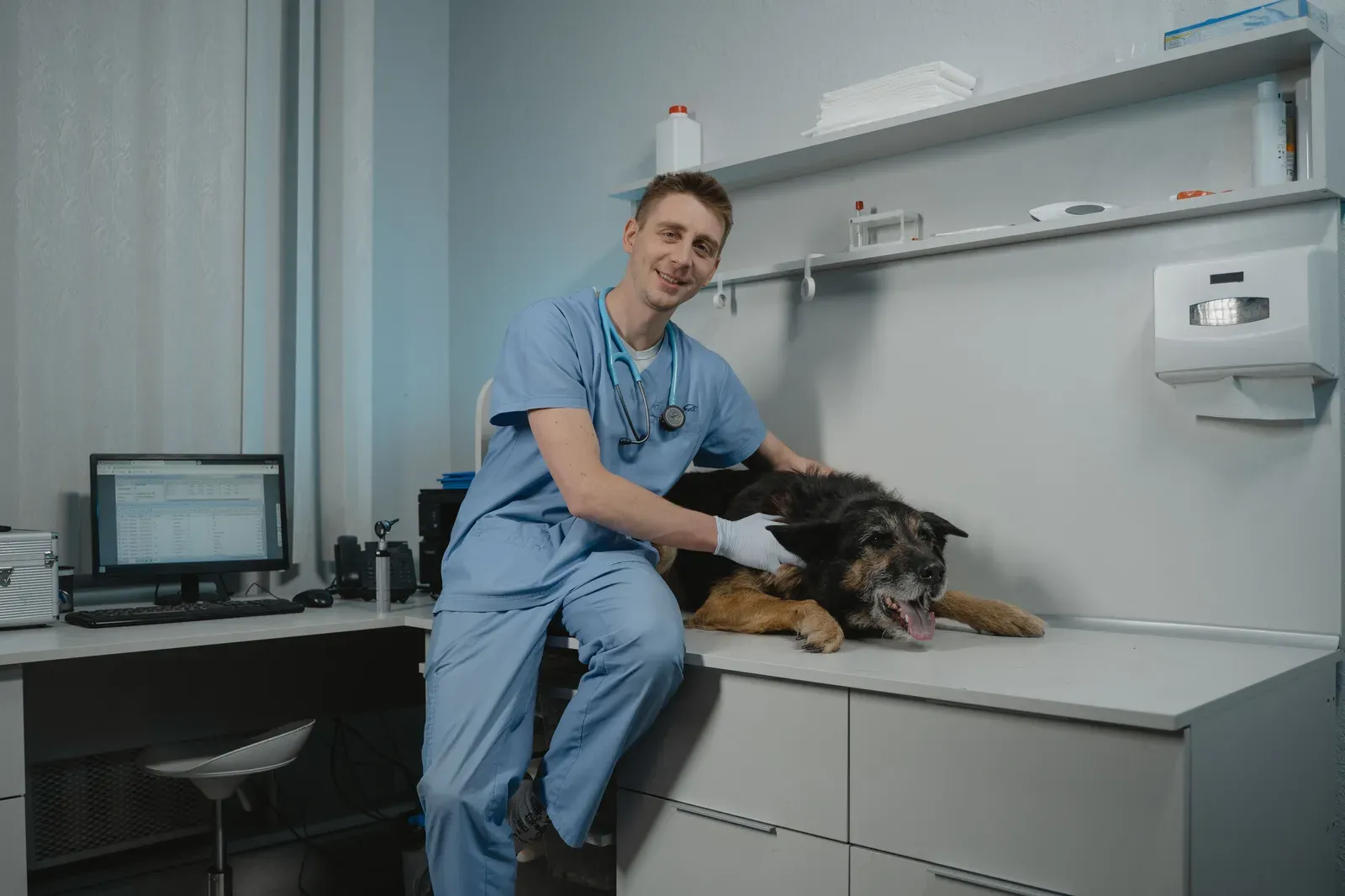
If your pet takes medication, sitters need the name, dose, timing, and how your animal prefers to take it. A pill hidden in a treat works for one dog and fails completely for another. Leave enough supply to cover the trip plus a few extra days in case you’re delayed.
Many sitters will also want to practice the technique with you present. Giving insulin injections or eye drops is a skill, and a quick demonstration beats a written description.
Up to Date Vaccinations
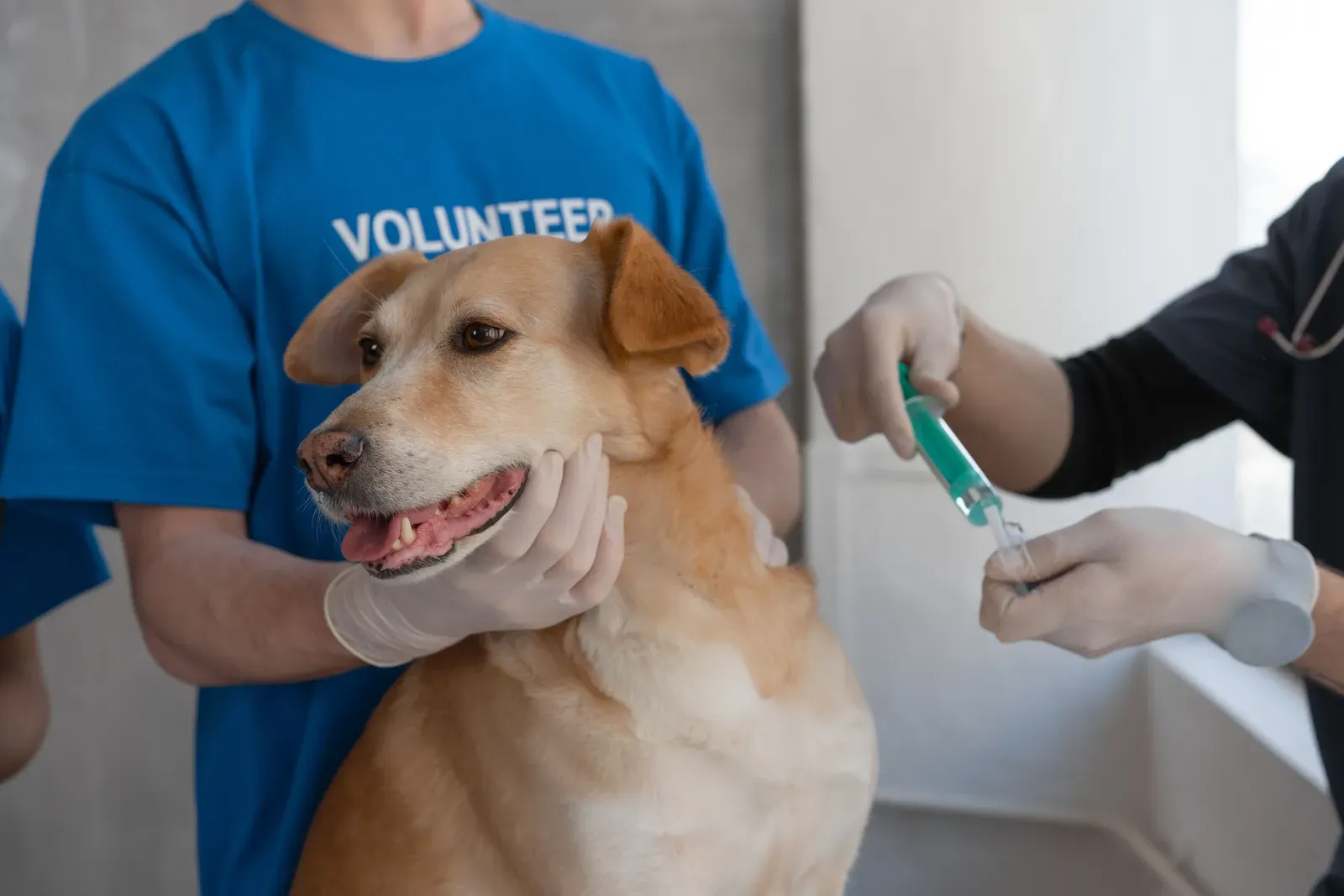
Sitters often ask for vaccination records, particularly for dogs that mix with others. Boarding facilities and many insured sitting businesses require proof of core vaccines, and rabies vaccination is required by law for dogs in most parts of the United States. Having records handy keeps everything simple.
Cats and small pets have their own recommendations, so check with your vet. A quick photo of the records on your phone, shared with the sitter, is usually enough.
Secure Identification and Microchip Details
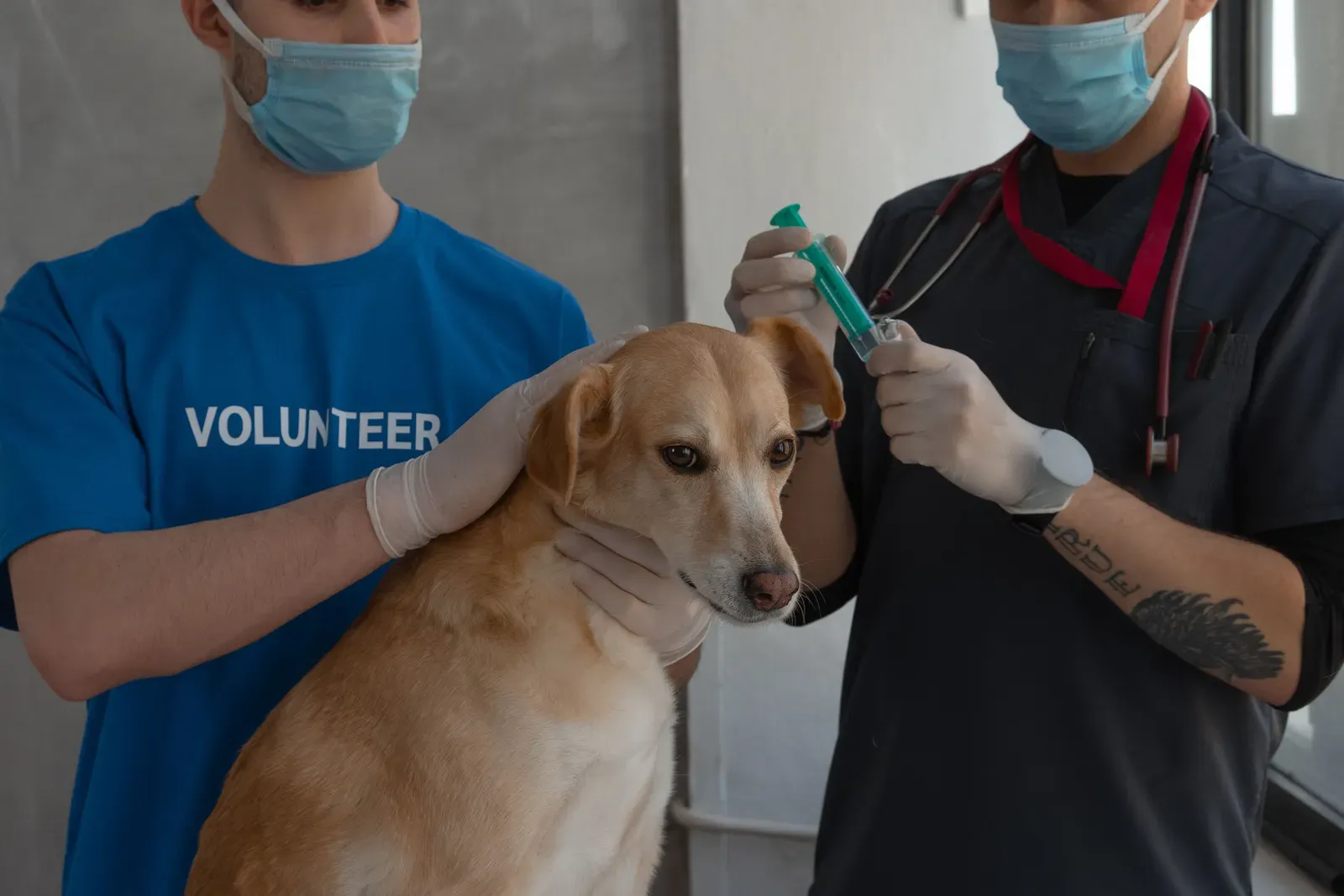
Travel changes routines, and a strange person in the house can make a nervous pet bolt through an open door. Sitters feel better when collars are on, tags are current, and microchip information is up to date. The American Veterinary Medical Association encourages keeping microchip registration details current so lost pets can be reunited with owners.
Include a recent, clear photo of each pet. If an animal does slip out, a good picture helps neighbors and shelters help right away.
Clear Notes on Behavior and Quirks

Every animal has its oddities. One dog hates the vacuum, one cat hides under the bed at the sound of the doorbell, and one rabbit only tolerates being picked up from a certain side. Sitters say honest warnings matter more than flattering descriptions.
If your dog reacts to other dogs, pulls on the leash, or has bitten before, tell them upfront. Professionals can work with almost any temperament, but only when they know what they’re dealing with.
Supplies Stocked and Easy to Find

Running out of cat litter on day three is a common headache. Sitters prefer a clear stash of food, litter, waste bags, treats, and cleaning supplies, all stored in one spot. Leaving a little extra covers delays and spills.
A labeled shelf or bin works well. It also means the sitter doesn’t have to open every cupboard in your home looking for the leash.
A Clear Schedule and Routine
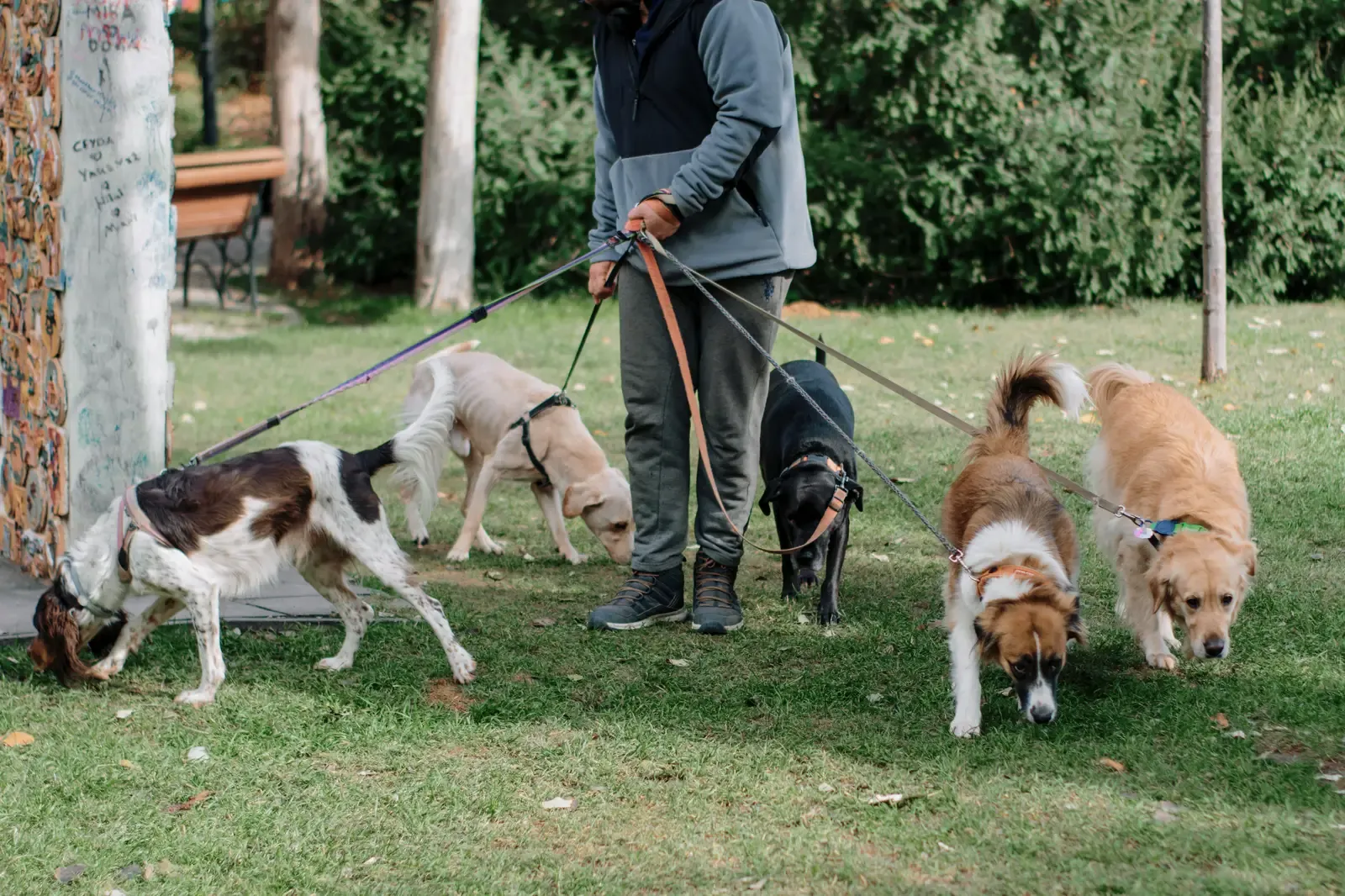
Animals take comfort in predictability, and a sitter who follows the usual walk, meal, and play times helps keep stress down. Write out the normal day, including when your dog goes out and how long the walks usually last. Mention any rules, like no couch or no table scraps.
Veterinary behavior organizations commonly note that sudden changes in routine can unsettle pets. Matching your schedule as closely as possible is the easiest kindness you can arrange.
Home Access and Practical Details

Sitters need keys, door codes, alarm instructions, and a backup contact who can get into the house if something fails. Test everything before you leave, because a lock that sticks is a poor surprise on the first visit. Also point out the thermostat, the trash day, and where the water shutoff is.
A neighbor or friend listed as a local backup can be a lifeline. It helps if a power cut, a lockout, or a burst pipe occurs while you’re away.
Regular Updates and Reachable Owners

Many sitters send photos or short messages after each visit, and clients usually love it. Agree on how often you want updates and which channel to use. Some owners want a daily note, while others prefer to hear only if something changes.
Equally, sitters appreciate being able to reach you or your backup contact. Share your travel itinerary and time zone, and keep your phone on when you can, so a small question doesn’t turn into a long delay.




Leave a Reply