
1. Building a plate that defies gravity
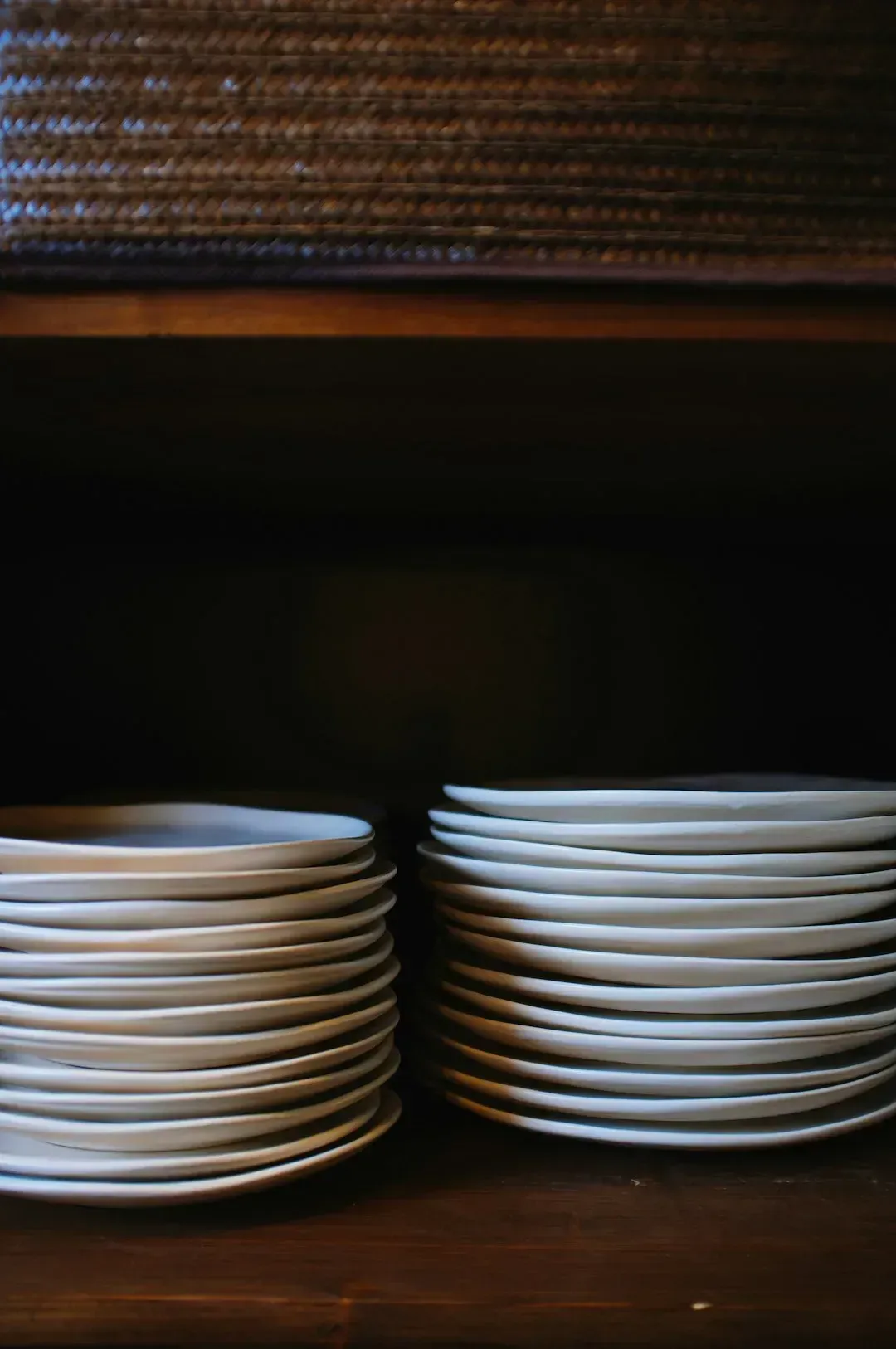
There’s a particular kind of plate servers dread walking past, the one piled so high that food is sliding off the edges before the guest even sits down. It’s become such a common sight that etiquette guides now call it out specifically as a rule to avoid. Ever seen a plate piled so high you wonder if it defies gravity, that’s the buffet faux pas numero uno, and you might be tempted to construct a tower on your plate, but don’t.
Servers end up cleaning up the mess when the tower collapses on the way to the table. It also means more food ends up wasted than eaten, since nobody actually finishes a plate stacked six inches high. A smaller, more deliberate plate is easier for everyone, including the person carrying it.
2. Reusing the same plate for round two
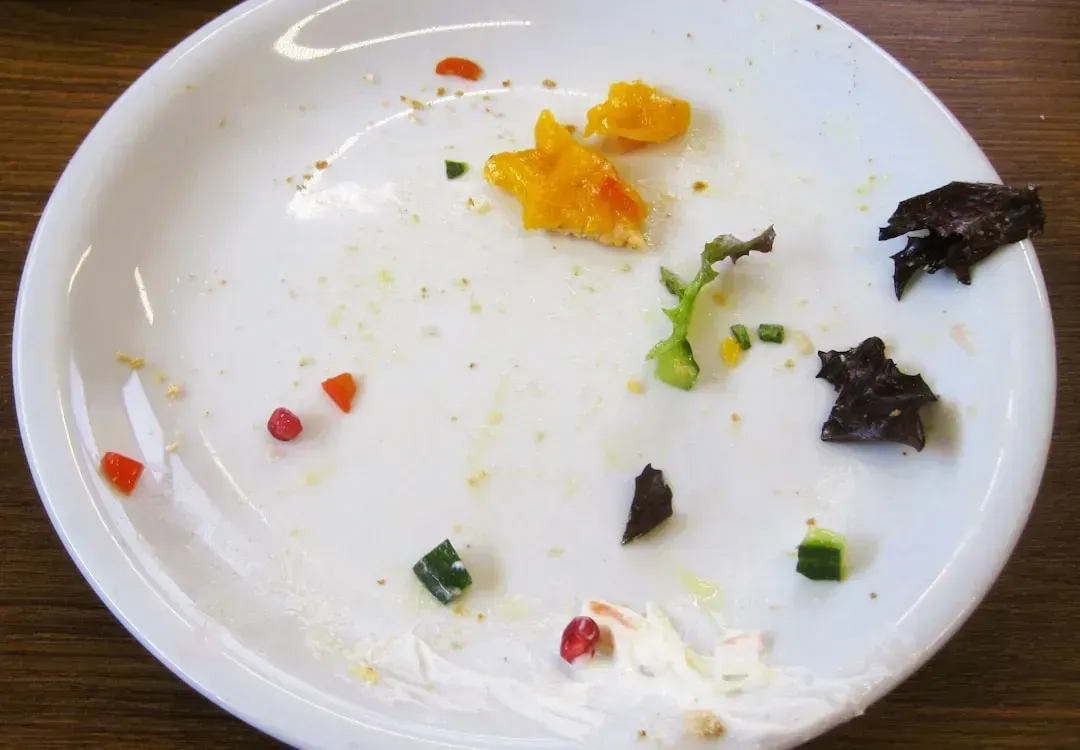
Grabbing a clean plate every time you go back to the buffet line isn’t just a nicety, it’s the hygiene rule staff care about most. There’s one rule you should never forget, which is to always grab a fresh plate when going back for seconds.
Bringing a used plate back to the serving line means whatever was on it, sauce, crumbs, bits of previous food, touches the shared utensils and surfaces next. Always use a fresh plate when returning for seconds or thirds, since reusing plates can spread germs and is generally frowned upon in buffet etiquette. Servers who restock the line notice this constantly, and it’s one of the few buffet sins that actually affects other diners’ safety.
3. Double dipping with the serving spoons
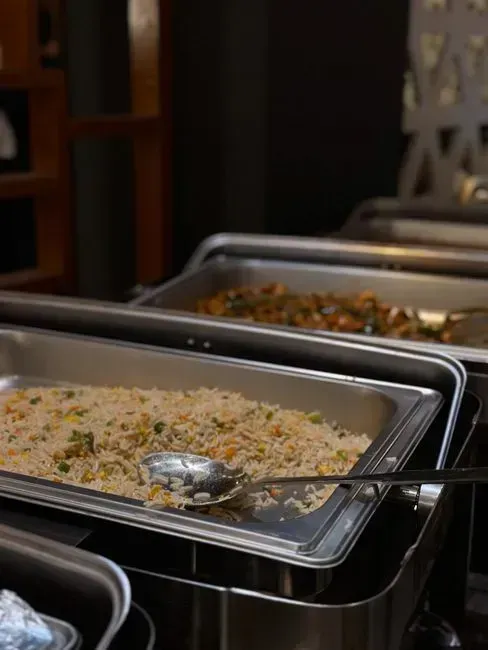
Serving utensils exist so that a hundred different hands never actually touch the food directly. When someone uses their own fork to taste something, or dips a used spoon back into a communal dish, that entire tray is essentially compromised for everyone behind them.
Guests are asked to use the serving utensils provided and avoid using personal cutlery to prevent cross-contamination. Staff who manage the buffet line see this happen more often than they’d like, and they’re usually the ones who have to quietly swap out an entire pan of food because of it. It’s a small moment for the guest and a genuine headache for the kitchen.
4. Camping at the table long after the plates are empty
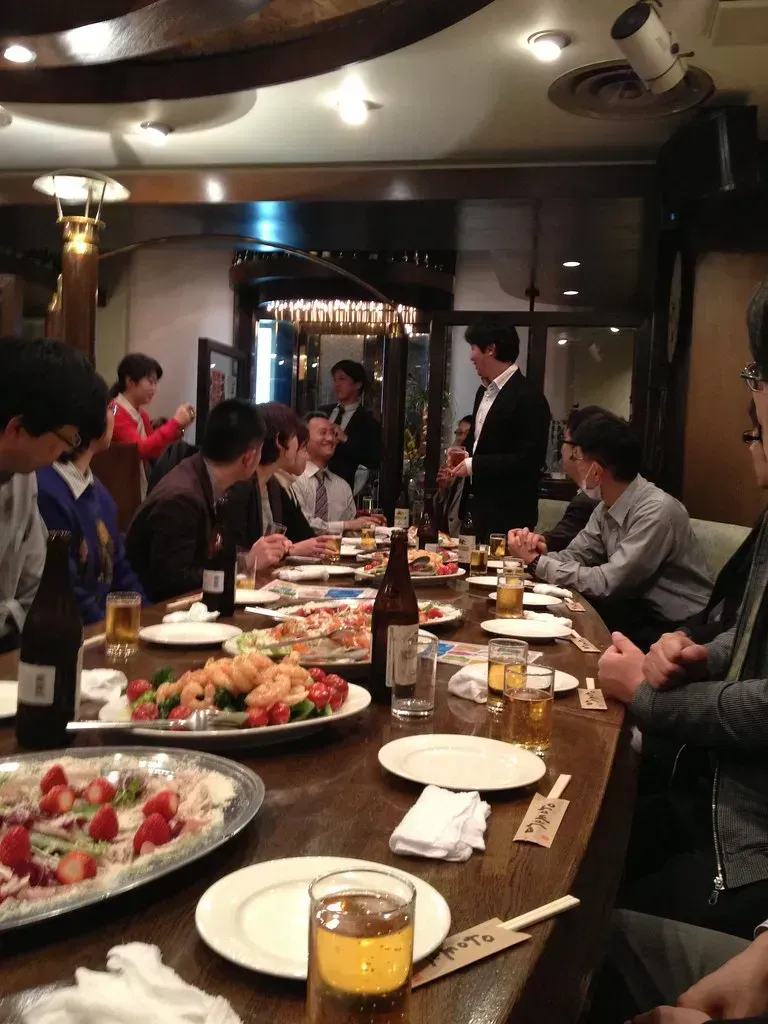
Buffets run on turnover just like any other restaurant. Staff need tables to clear so new guests can be seated, and that math only works if people don’t linger for an hour after they’ve finished eating.
Generally speaking, a restaurant will allot 90 minutes for a standard table to sit and enjoy their food, and esteemed buffets, like Bacchanal Buffet in Las Vegas, also stick to this rule. A wrench gets thrown into those plans when a group decides to overstay their welcome, and if you’ve eaten your fill, paid your bill, and are now just sitting at your table gabbing while digesting, you’re not going to endear yourself to the serving staff. It’s not that servers begrudge a little conversation, it’s that every extra minute at a full table is a minute someone else spends waiting by the door.
5. Loading up on food you know you won’t finish
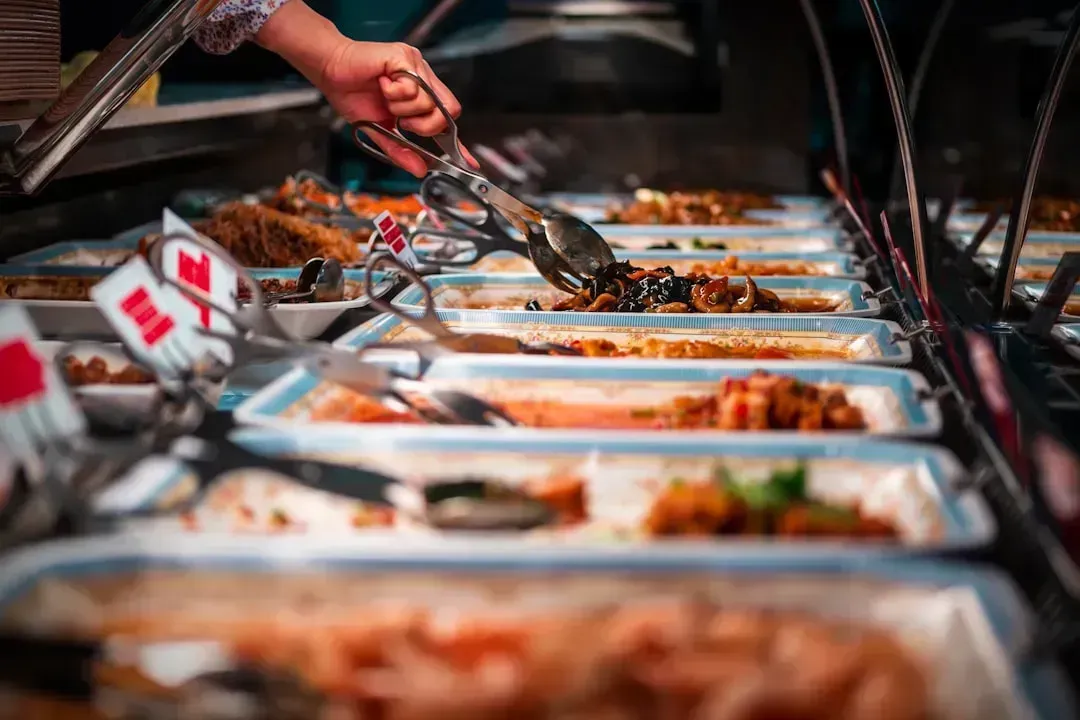
All you can eat doesn’t mean all you should take. Buffets already generate more waste than plated meals, and the numbers are not small.
Breakfasts served buffet-style typically result in more than twice as much food waste per customer than those ordered from a menu. One hotel study found something similar on a larger scale: in one five-star hotel study, each patron left behind an average of 300 grams of food at breakfast and 400 grams at dinner, of which 92 percent was considered avoidable waste. Servers and kitchen staff see that waste up close, tray after tray, and it registers as effort thrown away, not just food.
6. Cutting the line or reaching across other guests

Buffet lines have an unspoken order to them, even without a host directing traffic. Reaching in front of someone still serving themselves, or crowding the person ahead of you, breaks that rhythm fast.
Buffet etiquette requires respecting personal space in the serving line, and diners should wait their turn rather than reaching across or in front of someone who is still serving themselves. Staff restocking trays often get caught in the middle of these little standoffs, trying to refill a dish while two guests are leaning over each other for the last piece of bacon. It slows everything down and makes the line feel far more chaotic than it needs to be.
7. Letting kids treat the buffet line like a playground

A little excitement from kids at a buffet is normal, but there’s a difference between excitement and letting a child run loose near hot trays and sharp serving tools. Servers who’ve spoken about this describe it as one of their more persistent frustrations.
One common complaint among servers is when guests let their children run around as if the restaurant is their playground, which becomes a real safety problem, especially when parents ignore reminders about basic safety issues like a lack of shoes. Buffet stations add extra risk since there’s often hot food, steam trays, and glass sneeze guards within easy reach of small hands. It’s less about noise and more about the very real chance of someone getting burned.
8. Snapping or waving to get a server’s attention
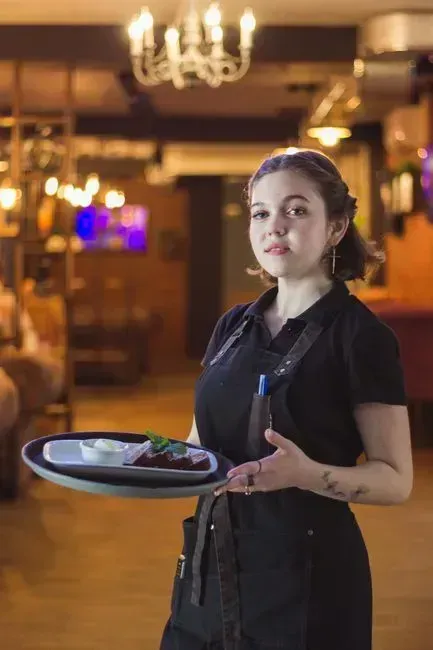
Buffets still need staff, even if the food itself is self-serve. Someone is refilling drinks, clearing tables, restocking trays, and checking in on guests, and how they’re addressed matters.
Nothing irritates servers more than being snapped at, since they aren’t anyone’s dog or servant and don’t expect to be treated that way. It’s a small gesture that lands harder than most guests realize, especially during a busy rush when a server is already juggling several tables at once. A raised hand and a simple word usually works just as well without the edge.
9. Stacking your own dirty dishes to “help”
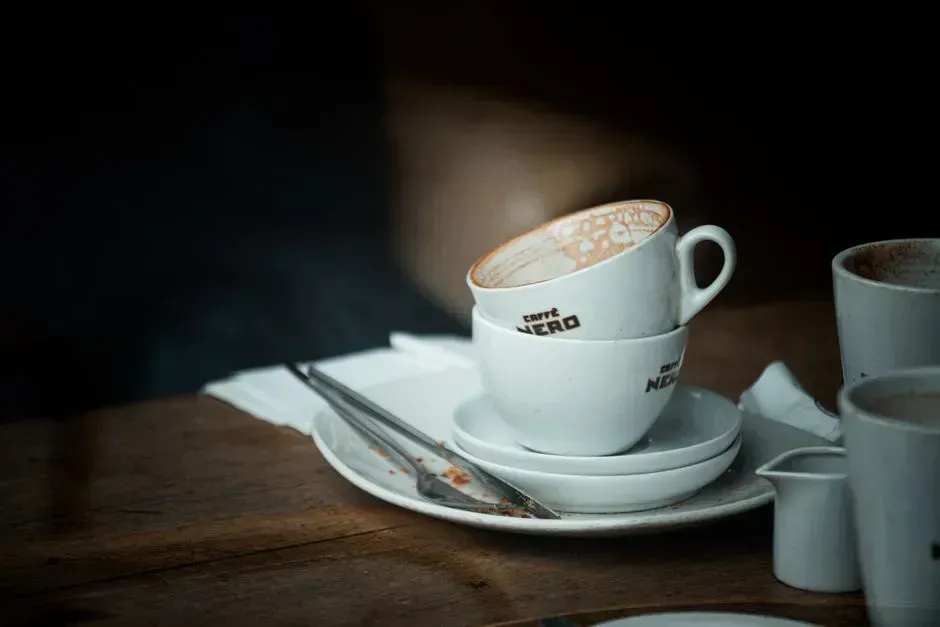
This one comes from good intentions, but it usually backfires. Guests who neatly stack their plates, cups, and used silverware into one tidy pile think they’re saving the server work.
Servers have asked guests to please stop stacking dirty dishes and silverware on top of one another, since it means having to fish out a dirty knife covered in used ketchup, and while guests think they’re helping, they aren’t. Dishes are usually cleared in a specific order for a reason, often tied to how the kitchen or dish pit processes them. A stacked pile just adds an extra unpleasant step before anything actually gets clean.
10. Grabbing food or drinks off a passing tray
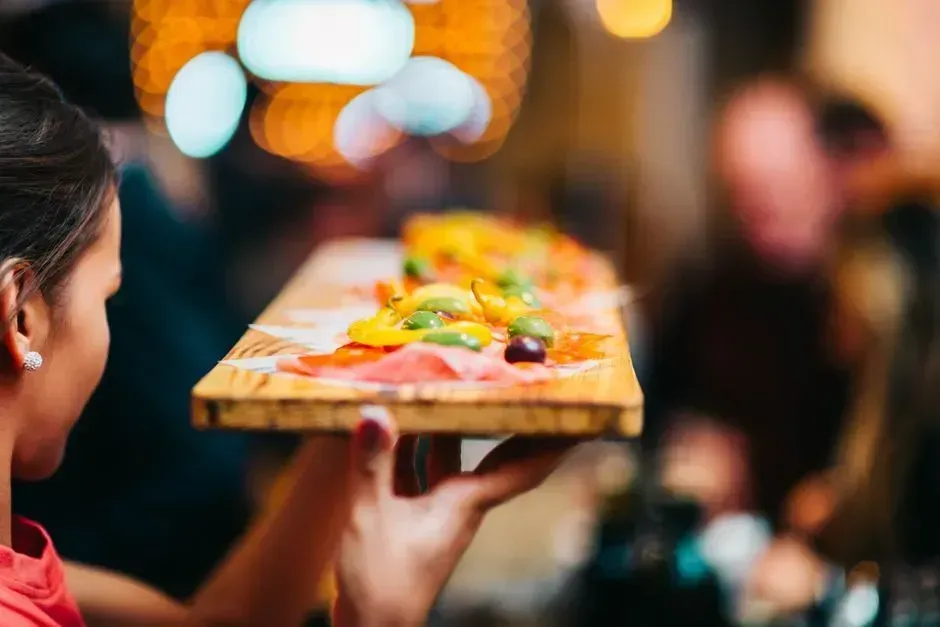
This happens more at bigger buffet setups where servers circulate with trays of drinks or extra items. Guests sometimes reach out and take something directly off the tray as it passes, not realizing how precisely that tray is balanced.
Servers have flat out asked guests not to take items off their tray, especially drinks, since everything is carefully organized for balance, and it’s surprising how many adults have done this and then gotten upset when their table’s drinks spilled. It’s one of those moments where the guest doesn’t even register what happened, but the server is left cleaning up a spill and apologizing to everyone at the table who just lost their drink.
11. Hovering at the buffet before it’s officially open
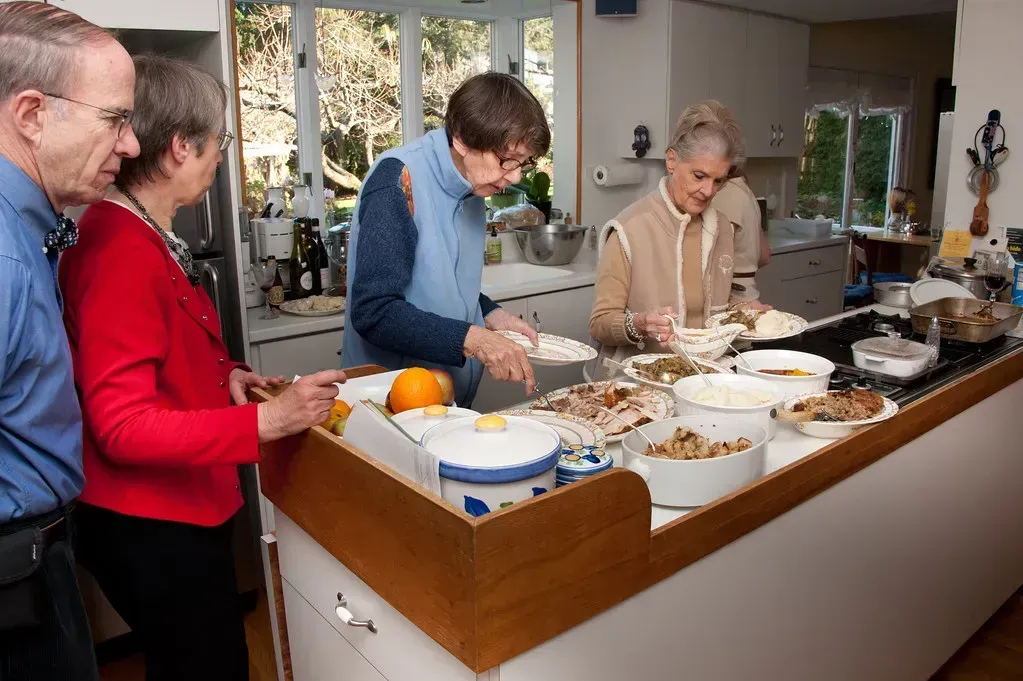
There’s always someone standing at the edge of the buffet line, plate in hand, five minutes before the covers come off the trays. Staff are usually mid-setup at that point, still arranging dishes, checking temperatures, or restocking utensils.
Basic buffet etiquette asks guests to respect the buffet’s opening and wait until it’s officially open before digging in. Jumping the line early doesn’t just look impatient, it can mean grabbing food that hasn’t been checked or set at the right temperature yet. Staff notice who does this every single time, and it tends to color how they view that guest for the rest of the meal.
12. Skipping the tip because “it’s just a buffet”
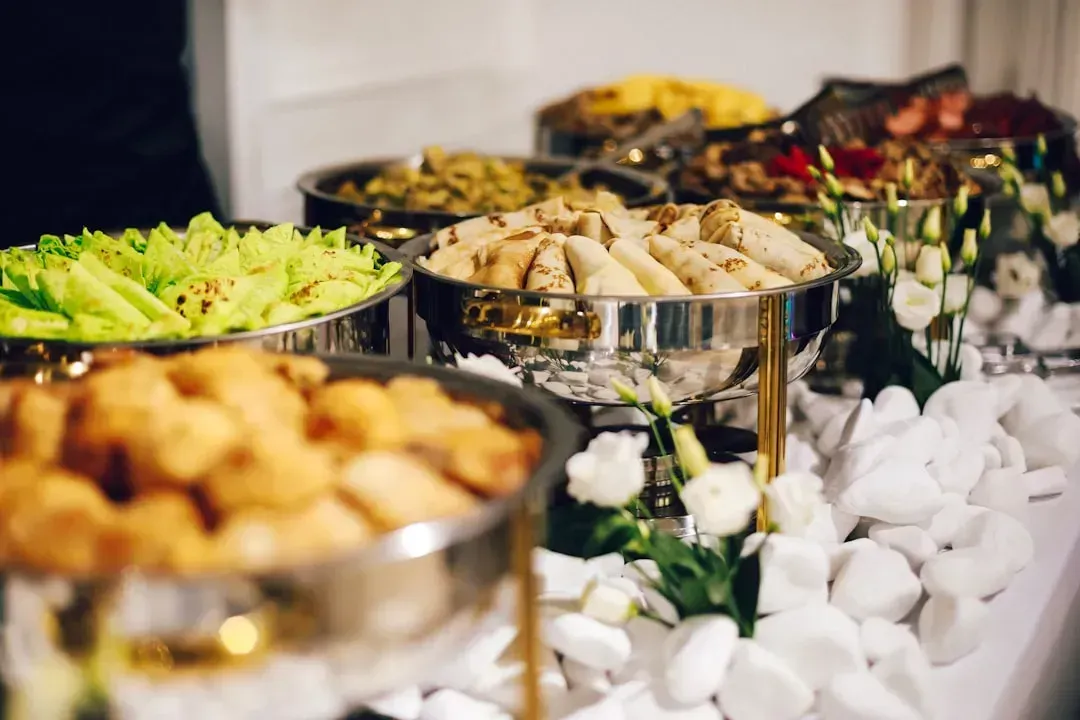
There’s a common assumption that self-serve dining means no service, and therefore no tip. In reality, buffet staff are still refilling drinks, clearing plates, checking in on tables, and often doing more physical work per guest than a traditional server handling fewer, larger tables.
The self-serve format covers the food, not the labor around the table, and staff notice when that distinction gets ignored entirely. It’s a quieter frustration than a spilled drink or a stacked plate, but it adds up over a shift where every table assumes the tip line is optional. Most servers won’t say anything about it, but they remember which tables treated the meal as fully self-sufficient and which ones understood there was still a person doing the work.
None of this requires guests to overhaul how they enjoy a buffet. Most of it comes down to small adjustments, a fresh plate here, a little patience in line there, treating the staff moving around the room as people doing real work rather than background noise. The buffet stays exactly as indulgent and easy as it’s supposed to be. It just runs a little smoother for everyone, staff included, when a few of these habits get left at the door.



Leave a Reply