
Walk into enough children’s parties and you start to notice a pattern. The ones that feel effortless often aren’t the most expensive, and the ones that feel strained sometimes have the biggest budgets.
Party planners see this from the inside. What follows is a collection of habits that comfortable, experienced hosts tend to avoid, based on commonly shared planner advice and a few published accounts from the industry. Treat it as a pattern guide, not a rulebook.
They don’t treat the party as a status display

Planners often point out that kids rarely care who made the cake or which venue was booked. The audience for the spectacle is usually other adults. Experienced hosts tend to notice that early and plan for the child instead.
Social media has made the temptation stronger. One Australian academic noted years ago that sharing who wore what and who attended on one platform heightens the keeping up with the neighbors feeling, according to a Gold Coast Bulletin report. Hosts who are comfortable with their finances usually feel no need to prove anything.
They don’t invite the whole grade by default

A guest list that grows to match every classmate also grows the cost, the noise, and the chaos. Planners commonly suggest a number tied to the child’s age and the venue, not to politeness pressure. Smaller groups tend to be calmer and easier to supervise.
Hosts who’ve done this a few times often pick a clear rule, such as a handful of close friends or a whole class, and stick to it. A clear rule is easier to explain to other parents than a half-hearted cutoff. It also prevents the awkward hallway conversations on Monday morning.
They don’t skip the budget

Being able to afford a party isn’t the same as knowing what it costs. Planners say the line items multiply quickly, including setup, delivery, rentals, and cleanup. One luxury planner has described how animal shaped cake pops at about seven dollars each could push a dessert table to roughly four hundred twenty five dollars.
She also noted that there are a lot of back end costs that people aren’t aware of. Savvy hosts set a ceiling first and then build the plan beneath it. That order keeps decisions calm.
They don’t go overboard on a first birthday
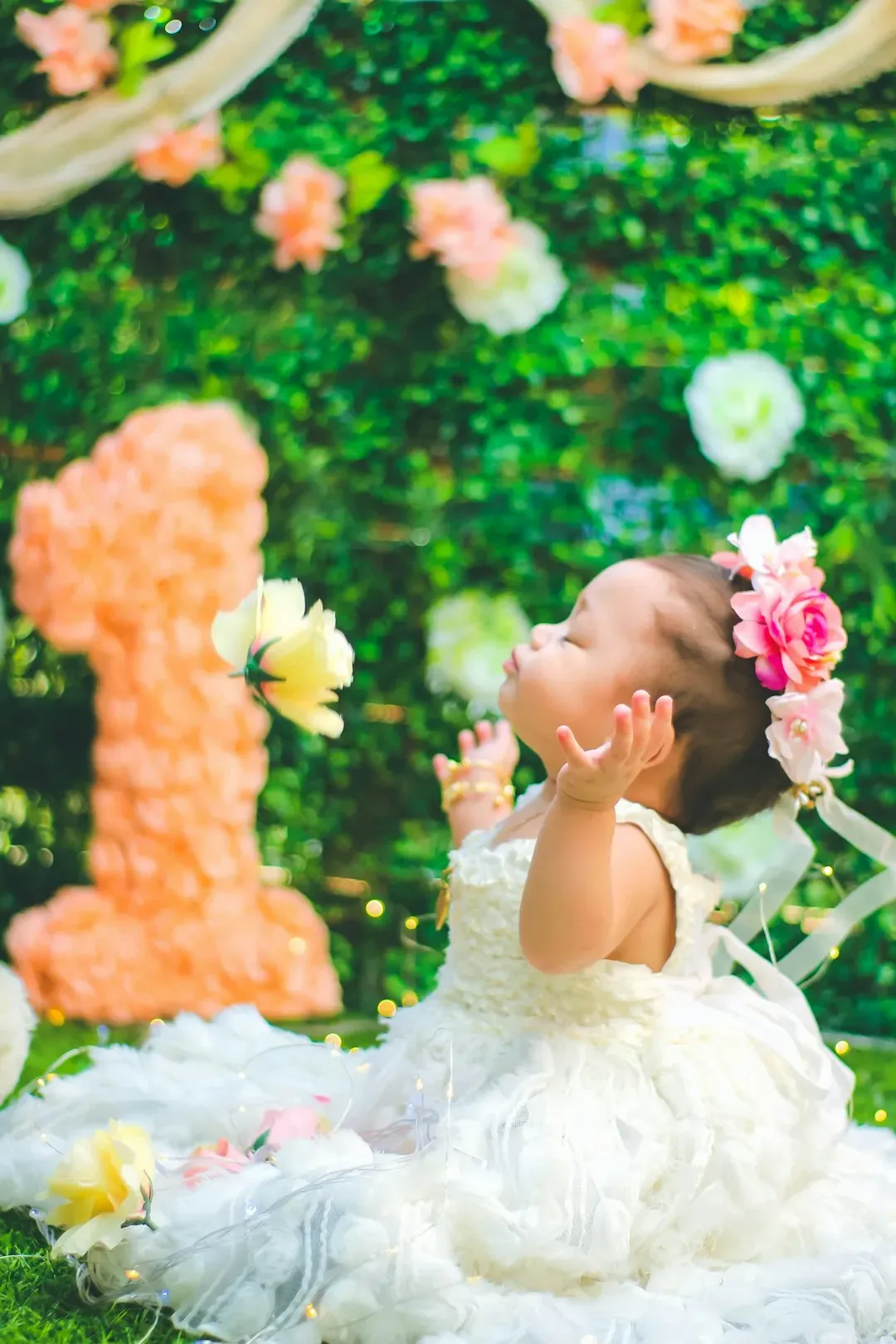
A one year old won’t remember the party. A Newsweek interview with a luxury planner put it bluntly: a first birthday is always for the parents, whatever their wealth. Knowing that, thoughtful hosts keep it short and sleepy friendly.
Spending on these events can still climb. An older survey cited by The Motley Fool found that about a quarter of parents admitted paying more than five hundred dollars for a first birthday, though that figure is from 2018. Planners suggest saving the bigger investments for ages when kids can actually enjoy them.
They don’t book entertainment without asking the child

A magician, a petting zoo, or a character performer can be wonderful, provided the birthday child actually wants one. Planners say mismatches happen when parents choose what looks impressive in photos. A seven year old who’s afraid of costumed characters won’t be won over by the price tag.
A quick conversation with the child usually settles it. Some planners even ask for two or three favorite activities and build around those. The result is a party that feels personal instead of purchased.
They don’t overstuff the goody bags

Goody bags have become an expected part of many parties. One planner who works in a wealthy county said parents once warned her that kids might be left off future guest lists if they didn’t offer goody bags themselves. That’s a funny kind of pressure to carry.
Hosts who feel secure often keep favors small and useful, such as a book, a sticker sheet, or a slice of cake to take home. Some skip bags entirely and say nothing about it. Parents on the receiving end usually appreciate fewer plastic trinkets arriving at their door.
They don’t ignore allergies and dietary needs

Food is where good intentions can go wrong fast. Planners say a short question on the invitation about allergies or restrictions costs nothing and avoids real trouble. Peanuts, tree nuts, dairy, and gluten are the usual concerns.
Experienced hosts also label dishes and keep the cake ingredients on hand. If a caterer is involved, they confirm how cross contact is handled. It’s a small act of care that other parents notice.
They don’t leave the schedule to chance
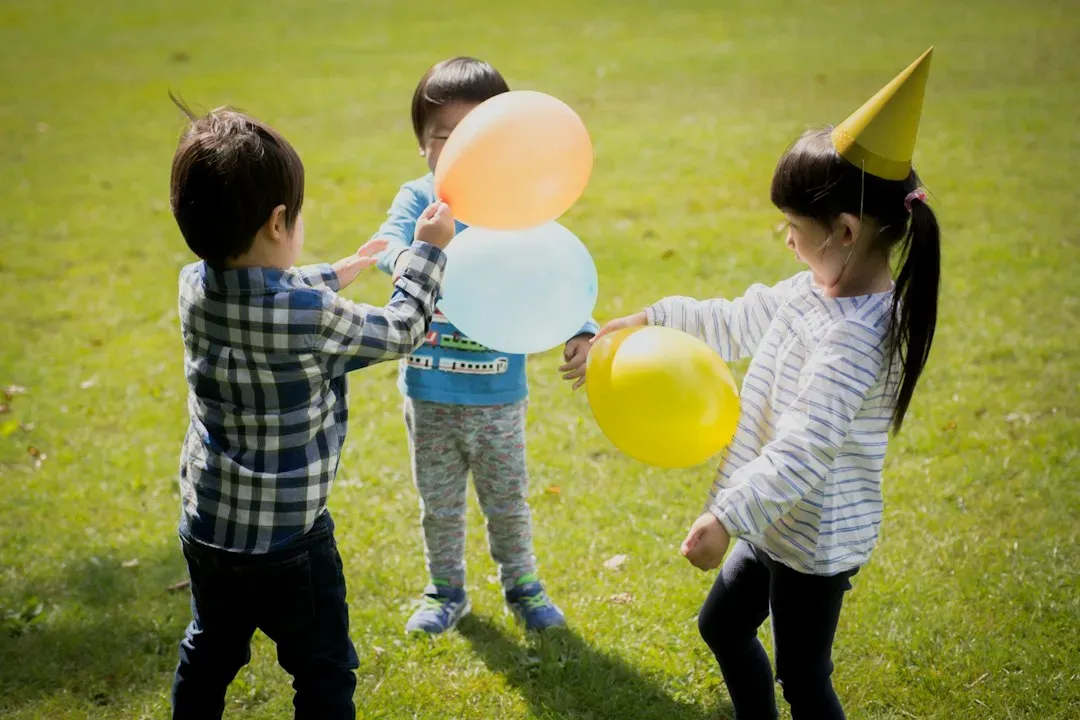
Kids’ parties run on energy, and energy doesn’t last. Planners generally recommend a simple timeline covering arrival, activity, food, cake, and a clear end. Most children’s parties fit comfortably in about two hours.
Well organized hosts also build in a buffer for late guests and slow cake cutting. They tell the vendors the plan ahead of time. Nothing about it needs to be rigid, only visible to everyone involved.
They don’t hover over vendors

Hiring a professional and then redoing their work in real time is a common mistake. Planners say clients who trust their team get better results and a more relaxed day. They’d rather answer questions beforehand than field orders during the party.
The best hosts share a clear brief, confirm details a week out, and then step back. That leaves them free to greet guests and watch their child. After all, that’s presumably why they hired help.
They don’t stage the party for the camera
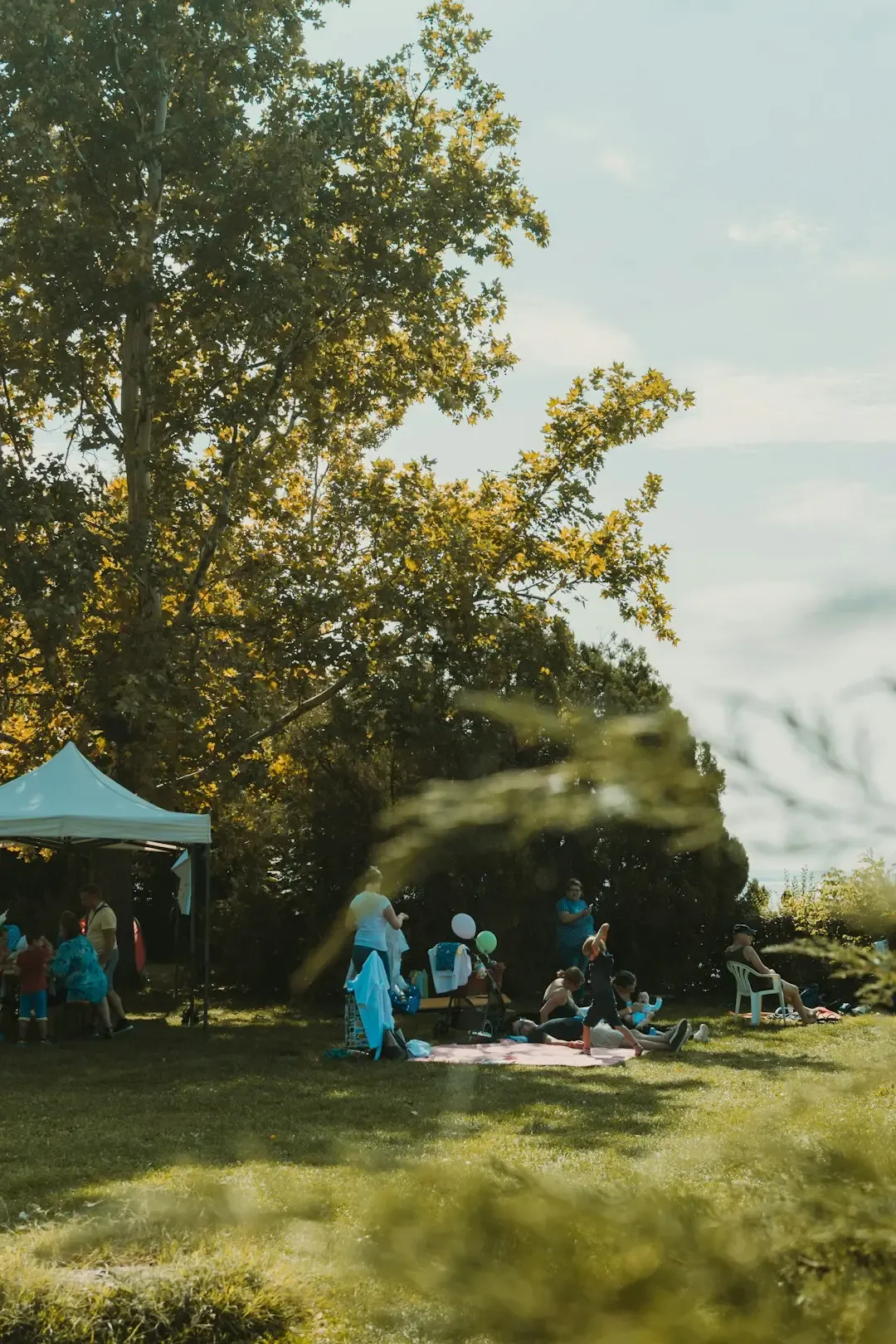
Photo backdrops and styled tables can be fun, though they shouldn’t dictate the day. Planners notice when children are pulled away from games to pose again for another shot. The mood shifts when the party becomes a shoot.
Thoughtful hosts also think about other people’s children. They ask before posting group photos online, since not every family wants their kid shared. A private album link is a simple and polite alternative.
They don’t let gift opening drag on

Opening presents in front of every guest can turn long and awkward, especially with younger children. Some of the most extreme examples reported in the press include a one year old’s party where gift opening lasted two hours. Most planners would call that a lesson in what not to do.
Many hosts open gifts privately afterward and send thank you notes. That spares guests who brought modest presents from comparison. It also keeps the party moving while kids are still excited.
They don’t guilt guests about gifts or RSVPs

Parents juggle plenty, so pressure on invitations rarely helps. If a host wants no gifts, a gentle note is fine, though planners admit it doesn’t always work. A Substack commenter described how guests brought gifts anyway despite a no gifts request, which is a common experience.
Confident hosts expect that and don’t take offense. They also send a polite reminder for RSVPs instead of scolding anyone. Clear dates and a simple online reply link tend to solve most of it.
They don’t treat staff and vendors as invisible

Good manners extend to the people working the party. Planners say the hosts they most enjoy working with learn names, offer water, and make sure the team gets a meal on long days. Those small gestures often lead to better service next time.
Tipping practices vary by region and by vendor, so many hosts ask the planner what’s customary. They also pay invoices on time. It sounds basic, yet planners mention it often.
They don’t skimp on supervision and safety
Bounce houses, pools, and animal visits all raise the stakes. Planners recommend confirming that vendors carry insurance and follow safety guidelines. Even a small backyard party benefits from a clear plan for who is watching what.
Experienced hosts keep a first aid kit nearby and know where the nearest exits are at a rented venue. They also ask guardians for emergency contact numbers, especially for drop off parties. Preparation of this kind mostly goes unnoticed, which is the point.
They don’t make it a competition
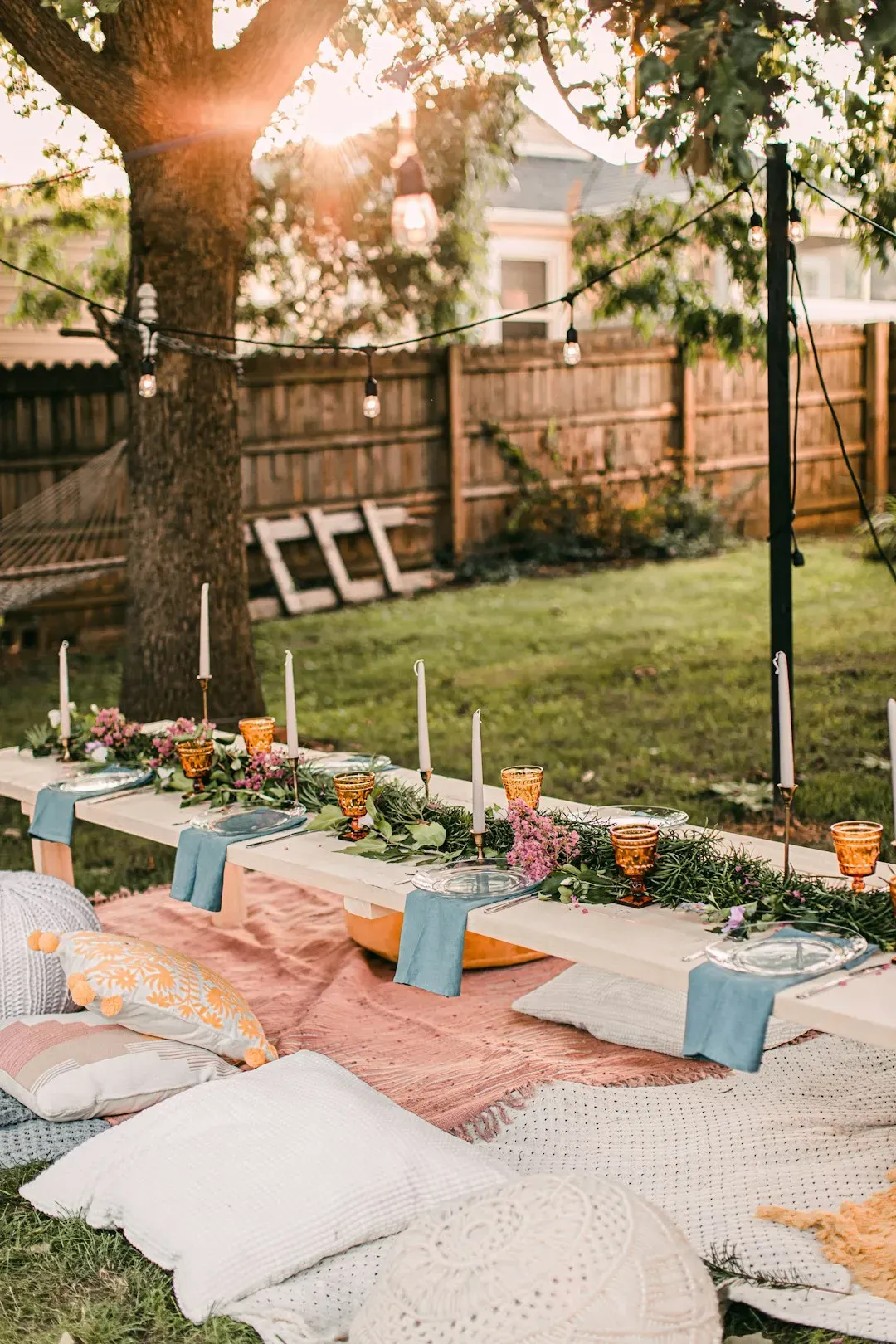
The pressure to outdo the last party can turn a birthday into an arms race. One University of Minnesota professor helped start a group aimed at that one upmanship, and it urged simpler parties, with outdoor play or a treasure hunt in place of elaborate activities. Planners say plenty of wealthy families quietly agree.
Hosts who feel settled tend to copy no one. They pick a theme the child loves, invite people they actually like, and let the day be what it is. The cake gets eaten either way.

Leave a Reply