
Flip through a 1960s catalog or magazine and you’ll notice something right away. The decade’s love of space, plastic, and instant everything produced some truly strange things to buy. Some of them look ridiculous now, yet each one sold well enough to leave a mark.
This list isn’t about the famous classics. It’s about the stuff that makes people squint and ask whether that was real. It was, and here are sixteen examples.
1. Sea-Monkeys

Sold through comic book ads, Sea-Monkeys promised a bowl of tiny underwater “pets” that you could bring to life with a packet of powder. Inventor Harold von Braunhut marketed them under that name in the early 1960s, after launching an earlier version called Instant Life.
The creatures were really brine shrimp, a hybrid strain that hatches from dormant eggs in treated water. The cartoon ads showed smiling royal families, while the real animals were tiny specks. Kids bought them anyway.
2. Paper Dresses

In 1966, the Scott Paper Company ran a promotion offering a disposable paper dress for about a dollar and a quarter, plus coupons from its products. It caught on fast, and designers and department stores soon jumped in with their own versions.
The dresses were cheap, bright, and often printed with bold pop art patterns. They weren’t built to last, and that was the point. The fad faded within a couple of years, but it remains one of fashion’s oddest experiments.
3. The Easy-Bake Oven
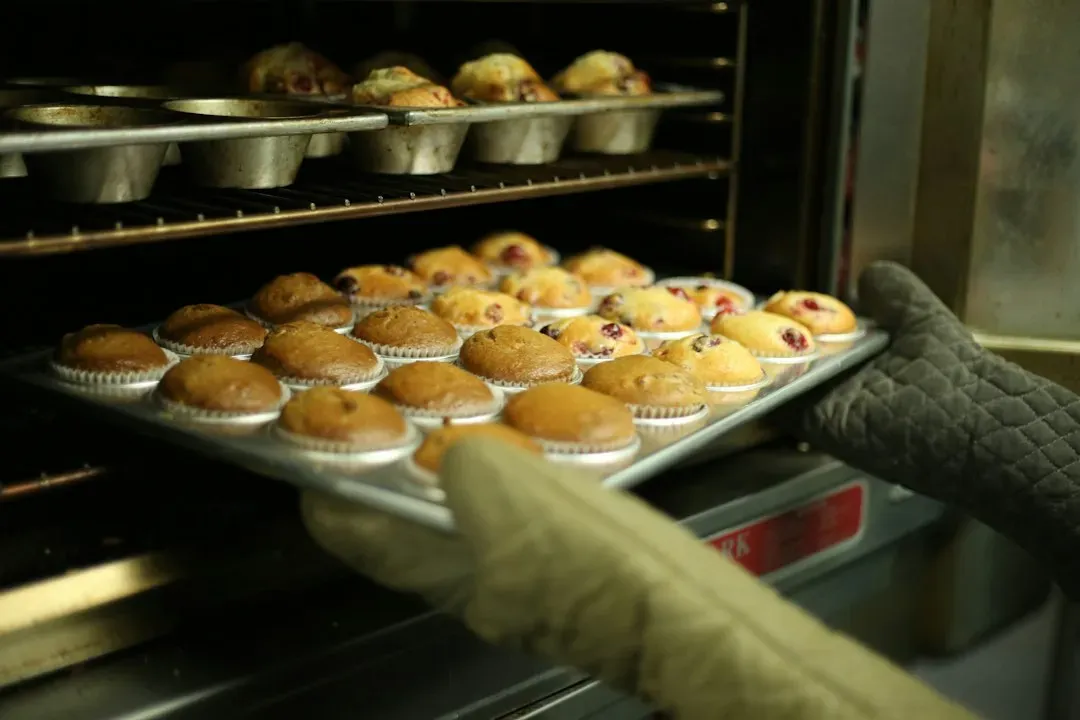
Kenner launched the Easy-Bake Oven in 1963. It baked tiny cakes using the heat of ordinary incandescent light bulbs, which sounds a bit alarming today.
It became a lasting toy, and the light bulb design continued for decades. Hasbro finally switched to a different heating element in 2011, after incandescent bulbs were phased out of general use.
4. Lava Lamps
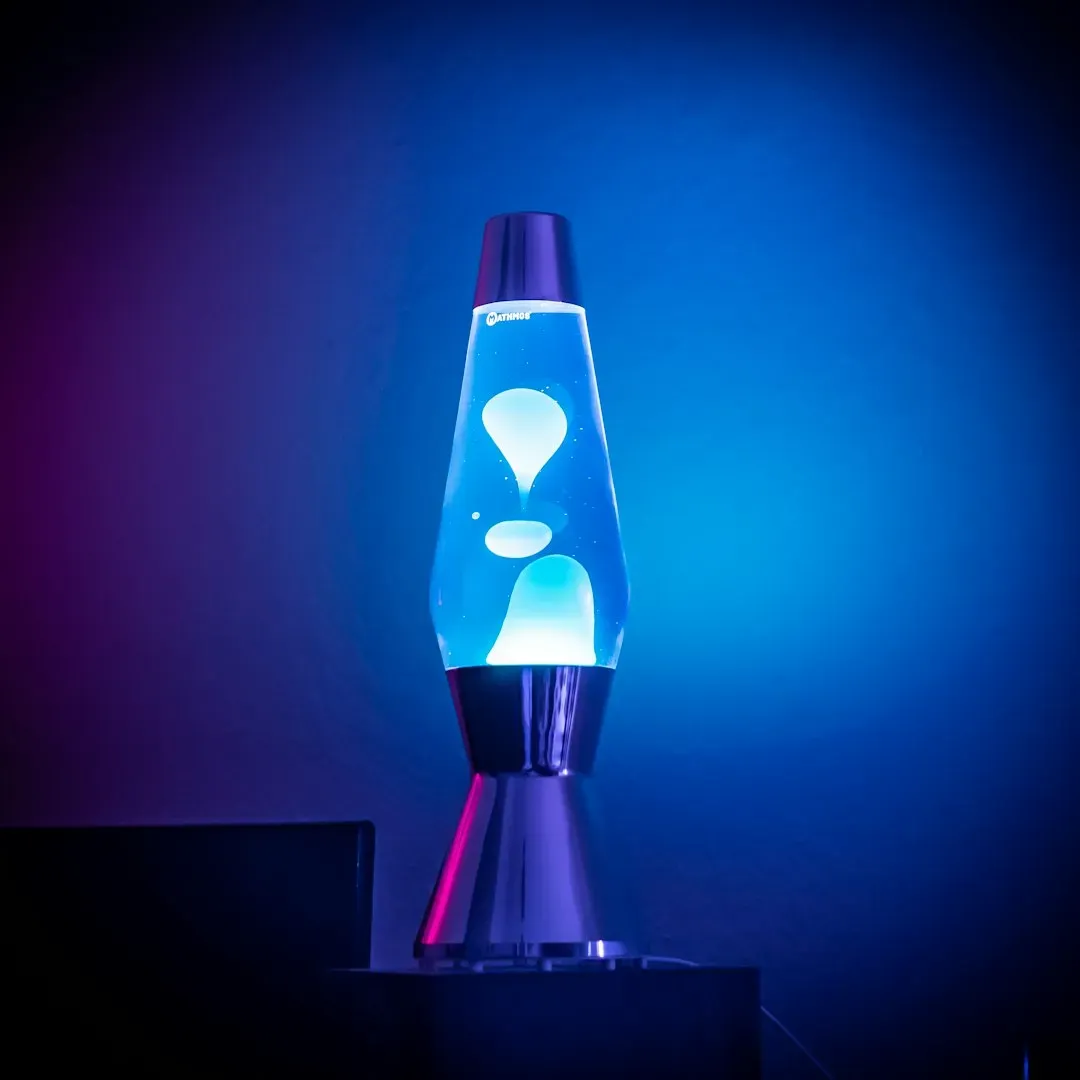
British inventor Edward Craven Walker introduced the Astro Lamp in 1963. It held colored wax that rose and fell inside a glass vessel as it warmed.
In 1965, the Lava Manufacturing Corporation of Chicago obtained the American rights and sold it as the Lava Lite. It fit the psychedelic mood of the late decade, and it’s still sold today.
5. Chatty Cathy
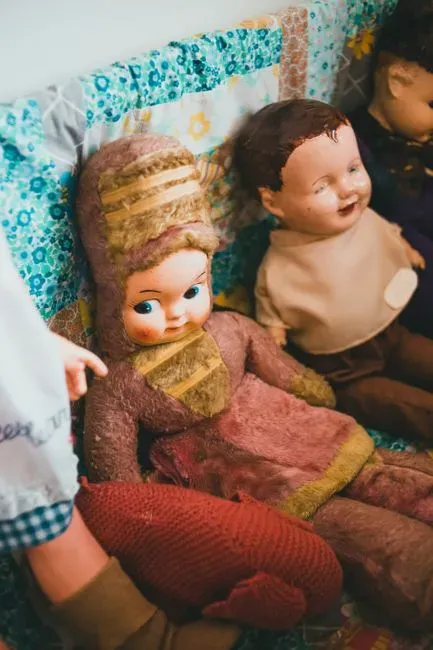
Mattel’s Chatty Cathy arrived in 1960 as a doll that actually talked. Kids pulled a ring on her neck, and a small phonograph inside played one of roughly a dozen phrases at random.
It was a big deal at the time, since dolls had mostly been silent. The pull string design influenced talking toys for years afterward.
6. Troll Dolls
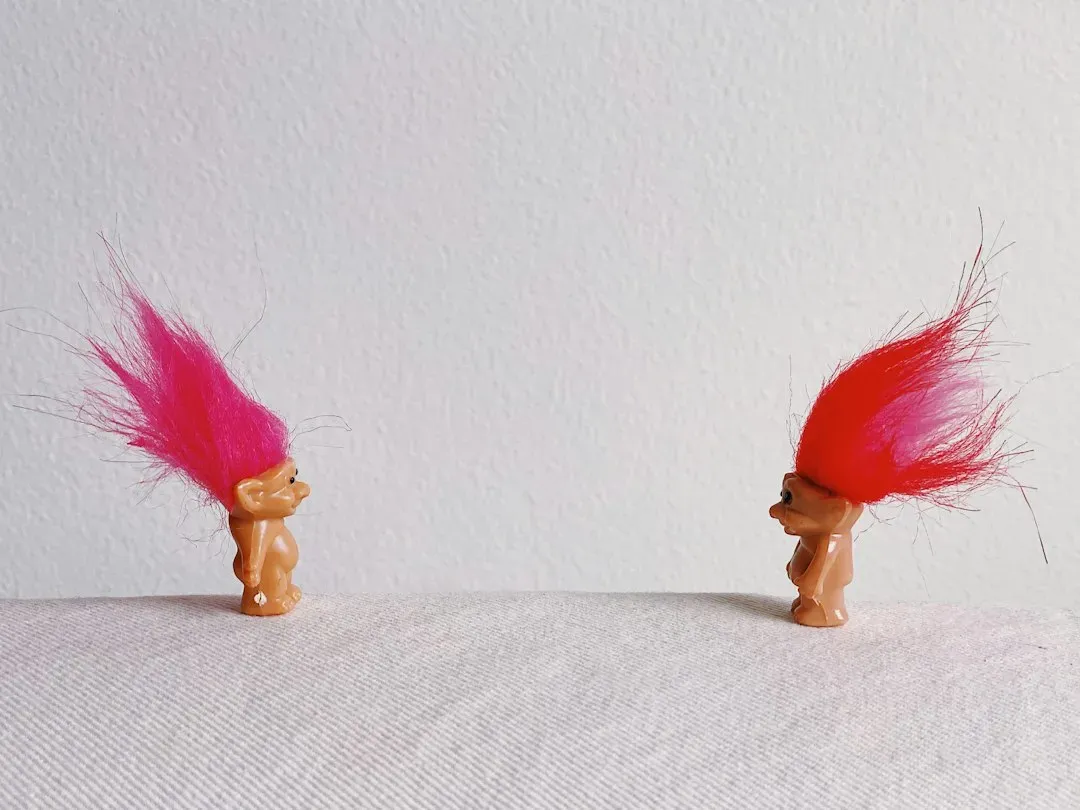
Danish woodcutter Thomas Dam made the first Good Luck Trolls in 1959, reportedly for his daughter. The ugly little figures with wild hair and jeweled bellies became a craze in the United States in the early 1960s.
Kids kept them on desks and tucked them into pockets as lucky charms. Many companies produced copies, so trolls of every size ended up on shelves.
7. Backyard Fallout Shelters
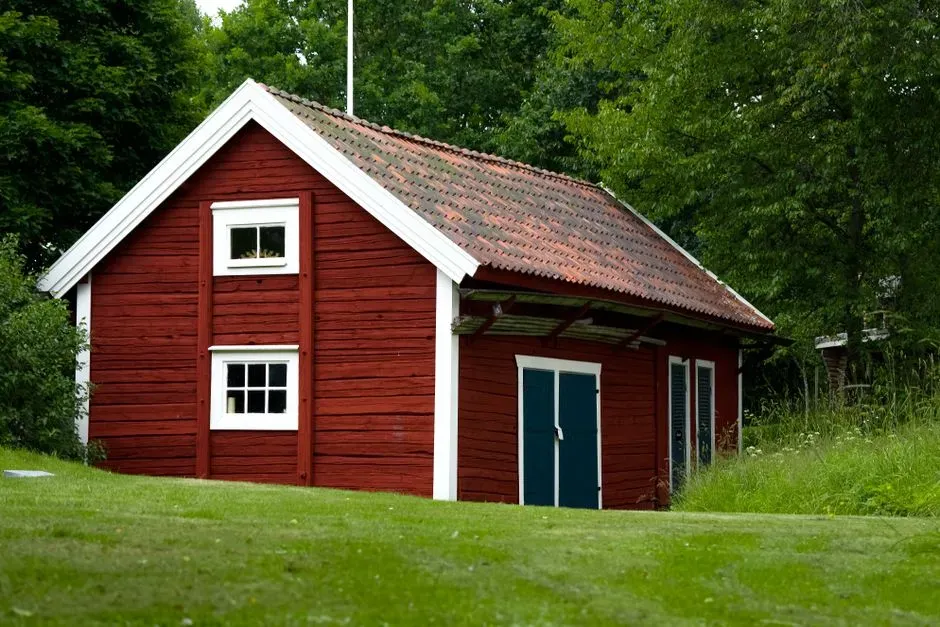
In 1961, President Kennedy urged Americans to think about protecting their families from nuclear fallout. Companies selling shelters and supplies took notice, and magazines covered the trend that autumn.
Some families dug concrete shelters in their yards, while others stocked basements with canned food and water. It’s a sober reminder of how closely the Cold War touched everyday shopping.
8. Magic Fingers Beds
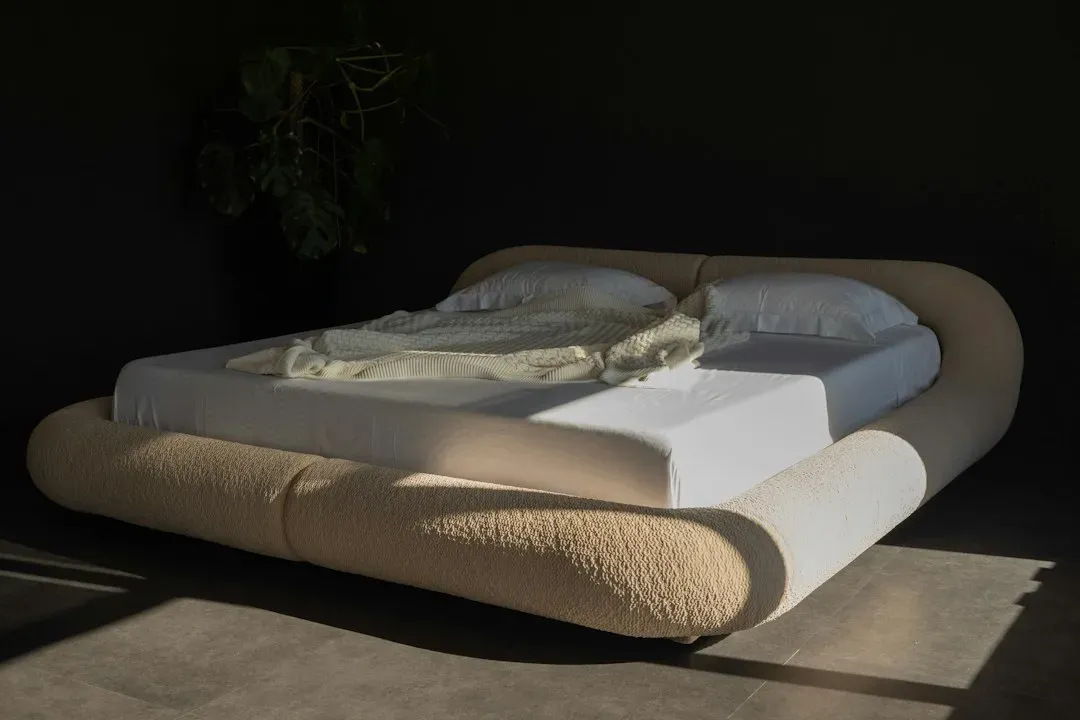
John Houghtaling invented Magic Fingers in 1958, and it spread across American motels in the 1960s. It was a small motor attached to the bed frame that made the mattress vibrate.
You fed a quarter into a box on the nightstand and got roughly fifteen minutes of shaking. Travelers either loved it or couldn’t sleep through the hum.
9. Lawn Darts

Heavy, pointed darts that players lobbed at a ground target were a backyard favorite through the 1960s and beyond. They were sold as simple family fun, usually under the name Jarts.
After a series of serious injuries, the Consumer Product Safety Commission banned them in 1988. They’re now remembered mainly as a classic example of a product that nobody questioned until much later.
10. Tang
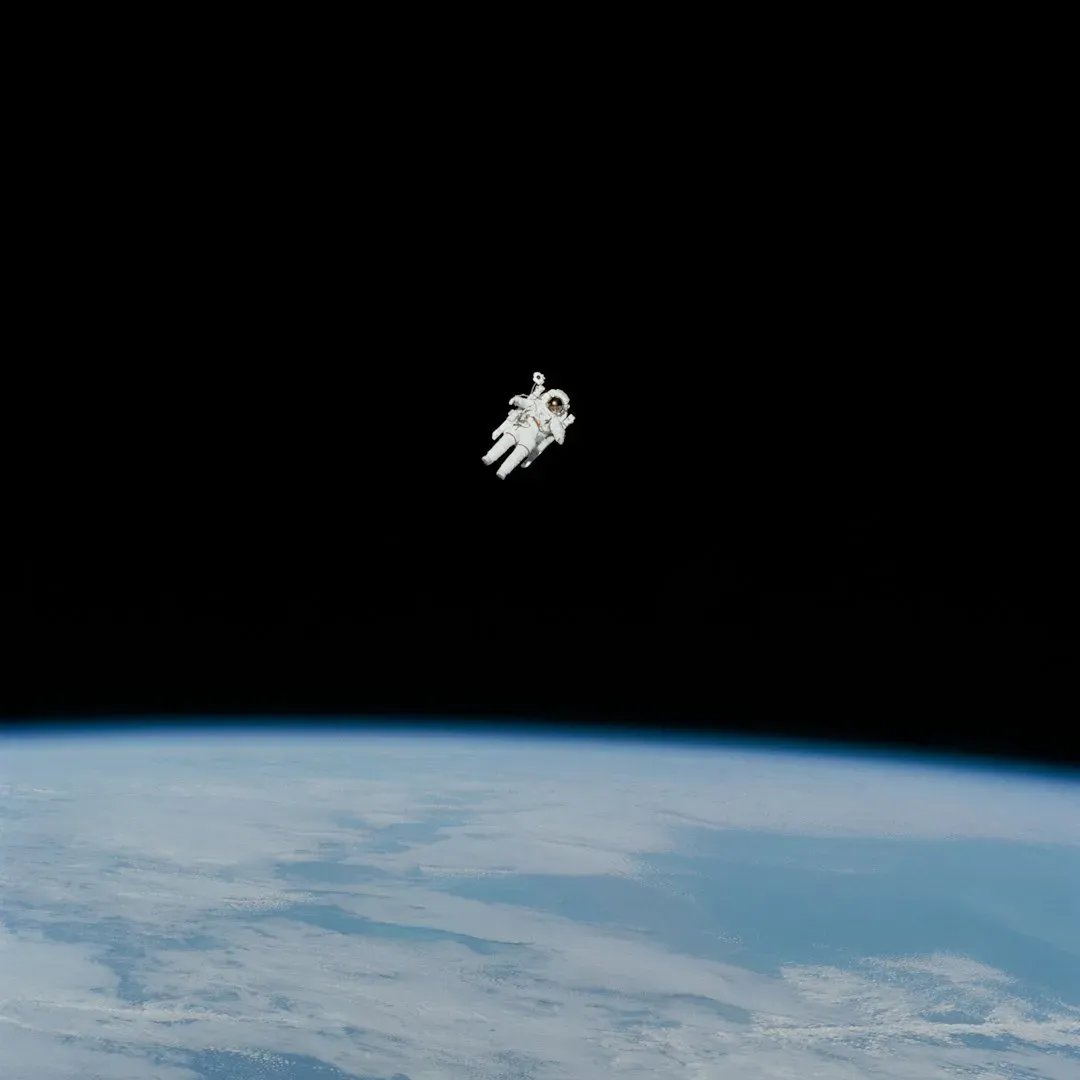
General Foods introduced Tang in 1959, but it didn’t take off until the space program gave it a boost. John Glenn drank it in orbit in 1962, and it later appeared on Gemini missions.
Households bought the orange powder because astronauts used it. Never mind that it was mostly sugar and flavoring.
11. AstroTurf
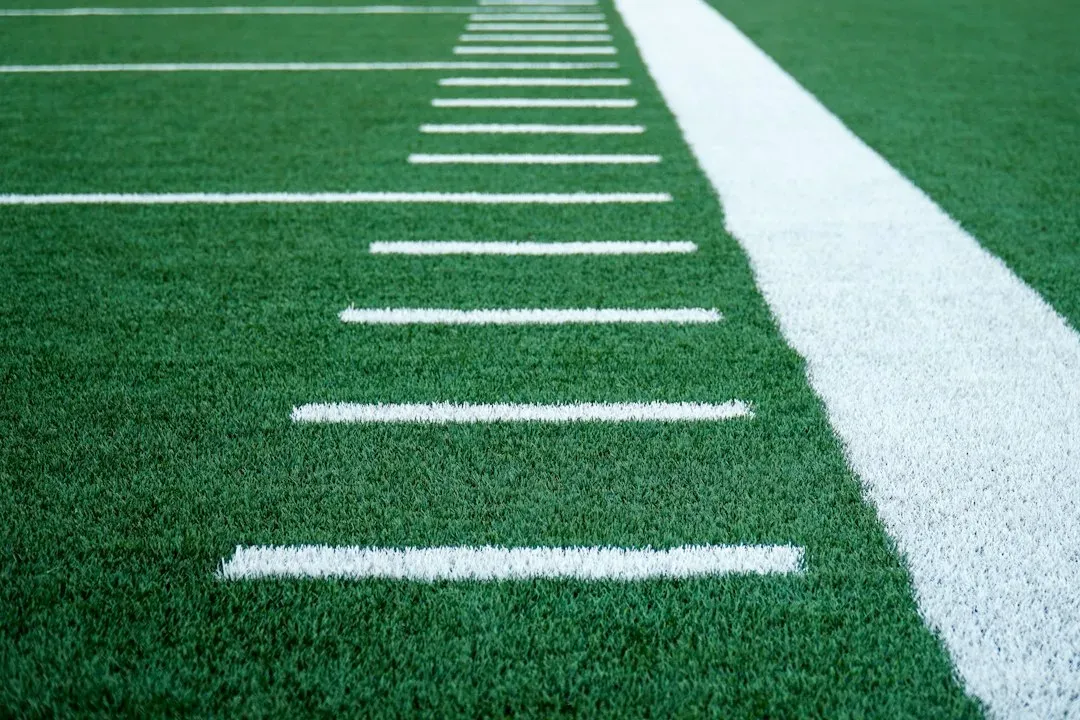
Monsanto’s artificial grass was first called ChemGrass. It was renamed AstroTurf after it was installed at the Houston Astrodome in 1966.
The synthetic surface soon showed up in stadiums, and Monsanto promoted it for other uses too. It was a very 1960s idea, that nature could be improved with plastic.
12. Beatles Wigs
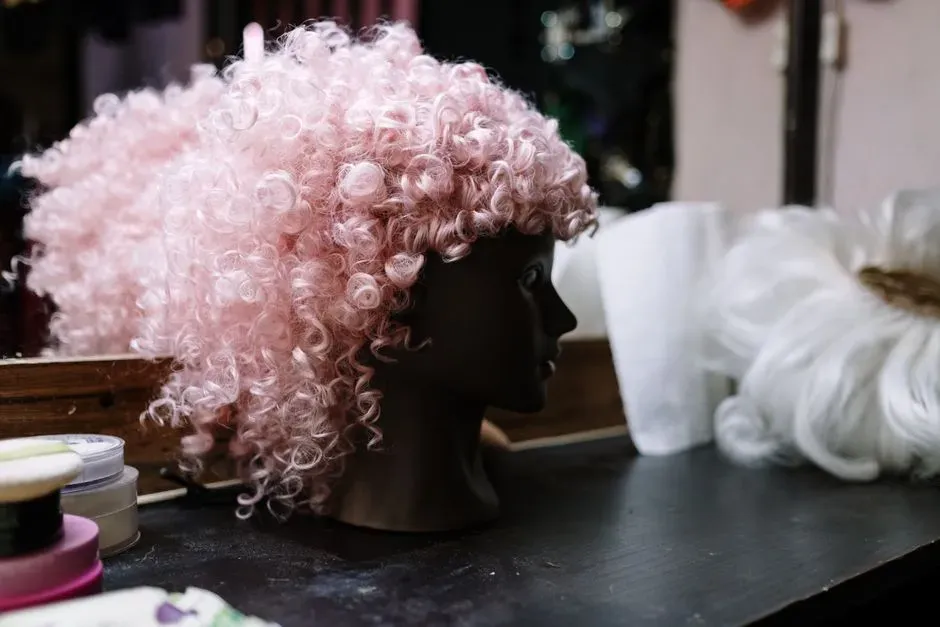
When the Beatles hit America in 1964, toy companies rushed out mop top wigs for fans. Kids pulled on cheap synthetic hair and posed in front of mirrors with toy guitars.
It was one of the earliest big examples of merchandising built around a pop group. Wigs, dolls, lunch boxes, and board games followed.
13. The Super Ball
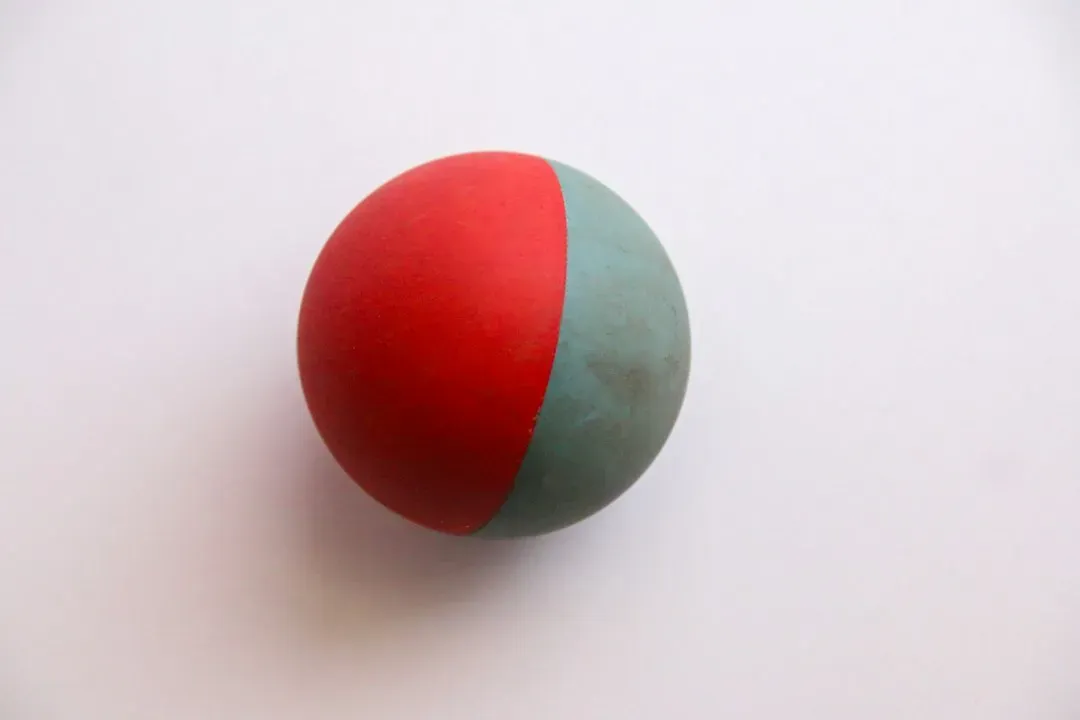
Wham-O introduced the Super Ball in 1965, made from a rubber compound called Zectron. It bounced much higher and longer than any ball kids had seen.
Millions were reportedly sold in a short period. Parents soon found them ricocheting off walls, ceilings, and the occasional window.
14. Creepy Crawlers
Mattel’s Thingmaker kit debuted in 1964. Kids poured a liquid called Plastigoop into metal molds and baked it on a heated plate.
The result was rubbery bugs, spiders, and lizards. The hot plate made it somewhat risky, though, and that became part of its reputation.
15. Wacky Packages
Topps tested its first Wacky Packages stickers in 1967. They were parodies of familiar grocery brands, drawn with gross or silly twists.
The idea grew into a much bigger success in the 1970s. Their 1960s origin shows how early kids learned to laugh at advertising.
16. Water Beds
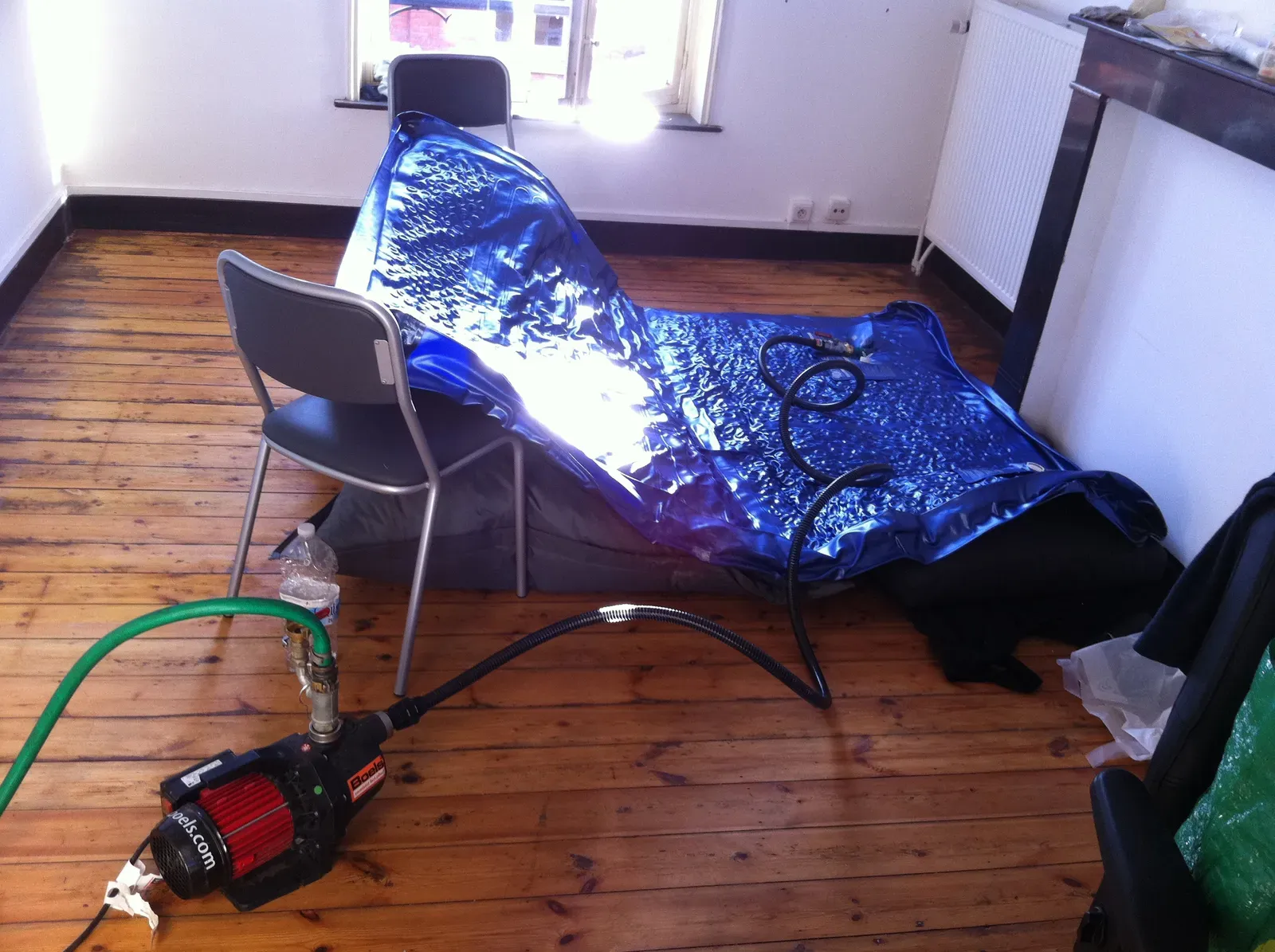
Charles Hall, then a design student in San Francisco, developed the modern waterbed in 1968. He worked on it as a thesis project, aiming for a bed that conformed to the body.
It quickly became a symbol of counterculture living. Sales grew in the 1970s, though the first versions were just starting to appear at the end of the 1960s.

Leave a Reply