
Charleston, South Carolina
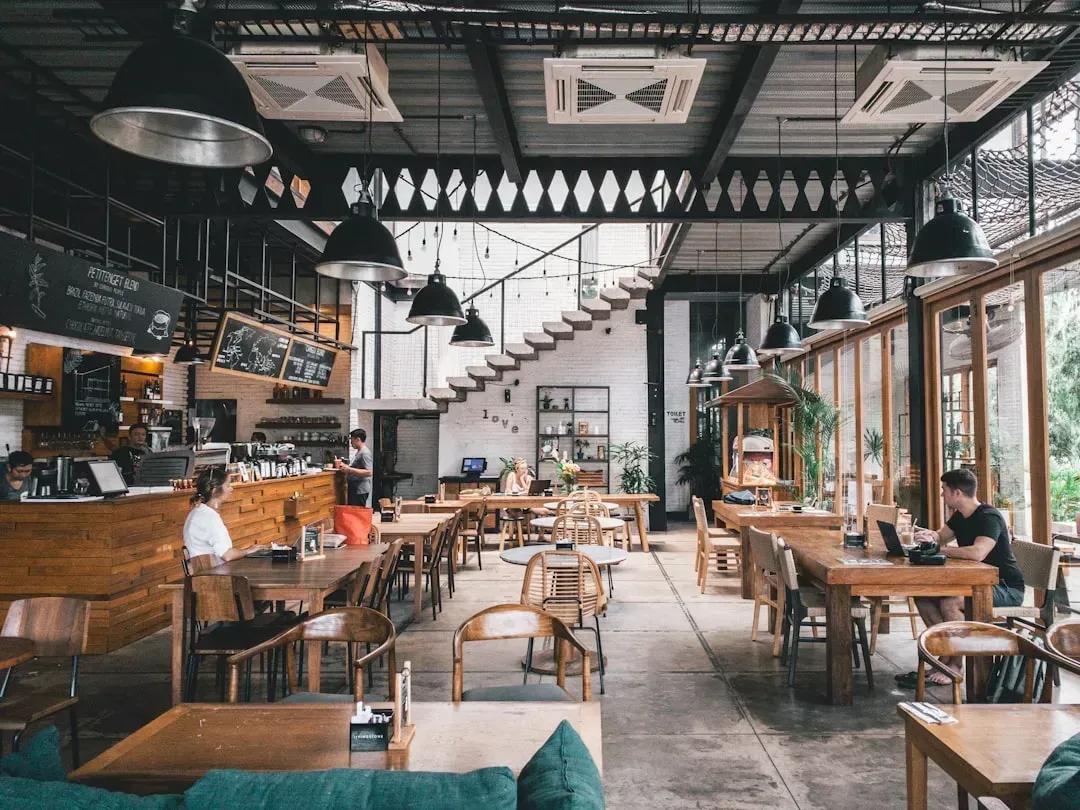
No city in the country has seen its dining costs spike quite like Charleston. In a wide-ranging Forbes Advisor analysis covering 75 major U.S. cities to figure out which are becoming the most expensive, based on visitor costs and covering data from the last three years post pandemic, one figure stood out above the rest. Meal prices leapt the highest in Charleston, by a shocking 92 percent.
A 92 percent jump is not technically doubling, but it sits close enough to the line that it changes how a family budgets a weekend trip. Charleston’s rise as a culinary tourism destination, with a wave of nationally recognized restaurants opening downtown and near the harbor, has likely fed into demand that lets kitchens push prices further than in most other Southern cities. For visitors used to Charleston being a relatively affordable coastal getaway, the shift in menu pricing has been one of the more noticeable changes of the past few years.
Detroit, Michigan
Detroit is not the city most people picture when they think of expensive dining, and that is exactly what makes its ranking notable. Tied in first place are Detroit and Chicago, and to be clear, these aren’t the most expensive cities overall, but they are the top two towns where prices are, overall, on the upswing. That means Detroit’s cost curve, across hotels, meals, and travel, has been rising faster than almost anywhere else in the country.
The city’s downtown and Corktown neighborhoods have seen a genuine restaurant boom over the last several years, with new chef driven concepts replacing older, cheaper diners and taquerias. More competition for a smaller pool of experienced kitchen staff tends to push wages up, and those labor costs eventually show up on the check. It is a pattern playing out in a lot of postindustrial cities that are working through a downtown revival at the same time restaurant costs are climbing everywhere.
Chicago, Illinois
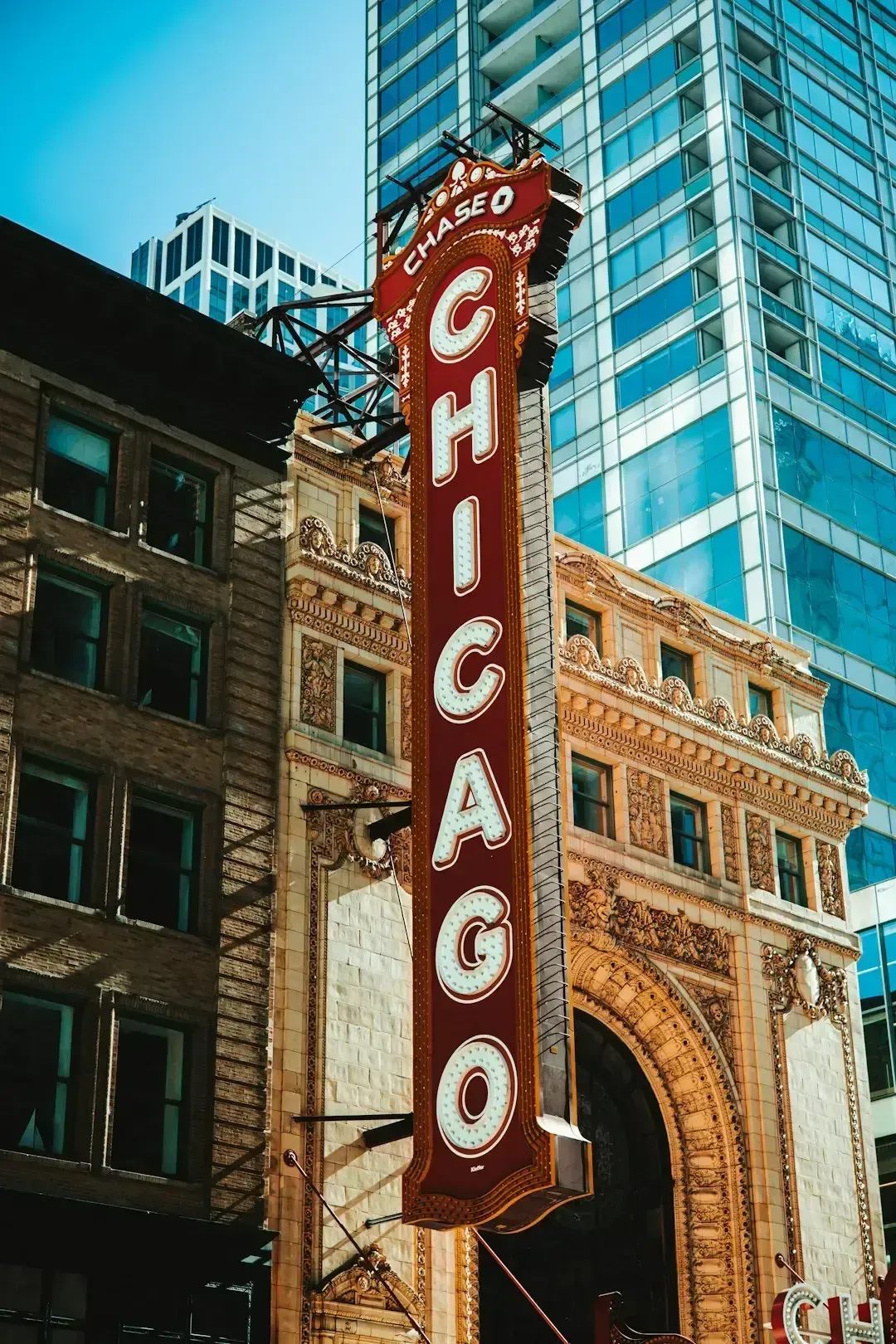
Chicago shares the top spot with Detroit in that same Forbes Advisor ranking, and the reasons are a little easier to pin down. Tied in first place are Detroit and Chicago for the sharpest overall increase in visitor costs among the 75 cities studied, a category that folds in meal prices alongside hotel rates and travel expenses.
Chicago has one of the higher municipal minimum wages in the country, and its restaurant scene, from deep dish institutions to fine dining rooms in the West Loop, has had to absorb both rising labor costs and higher wholesale food prices at the same time. Property taxes and commercial rents downtown have also climbed, and operators have been passing more of that pressure onto menu prices than they might have five years ago. The result is a city where a casual dinner for two now regularly costs what a nicer sit down meal used to run before the pandemic.
Atlanta, Georgia
Atlanta lands in third place in the same Forbes Advisor report, just behind the Detroit and Chicago tie. In third place is Atlanta, followed by Denver and then Charleston. That puts a metro area known for having relatively reasonable dining costs suddenly among the fastest movers in the country.
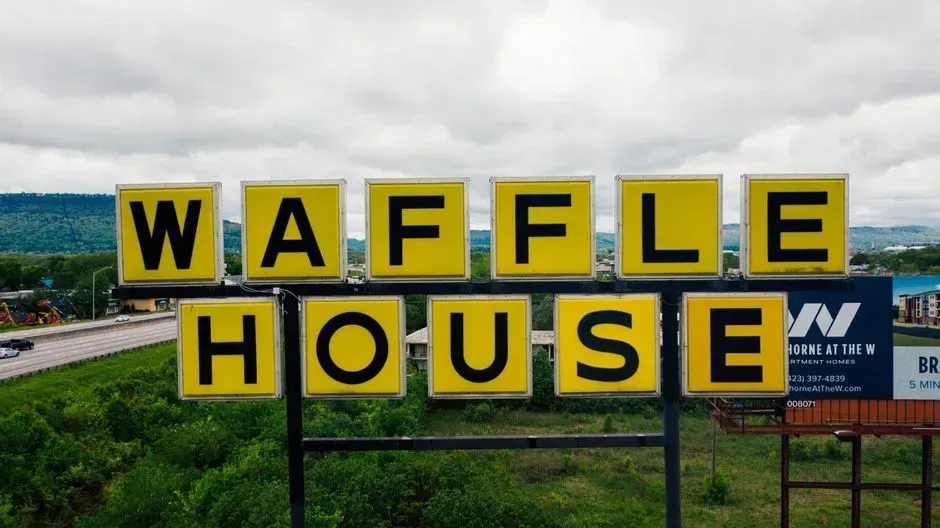
Atlanta’s own hometown chain offers a striking illustration of just how far breakfast and diner prices have run. Waffle House, founded just outside the city and still headquartered in the metro area, has seen its menu climb dramatically since the start of the decade. According to FinanceBuzz, menu prices at Waffle House have increased 96% over the last five years, which is essentially a doubling of the cost of a hashbrowns and eggs order that used to be one of the cheapest meals in the South.
Denver, Colorado
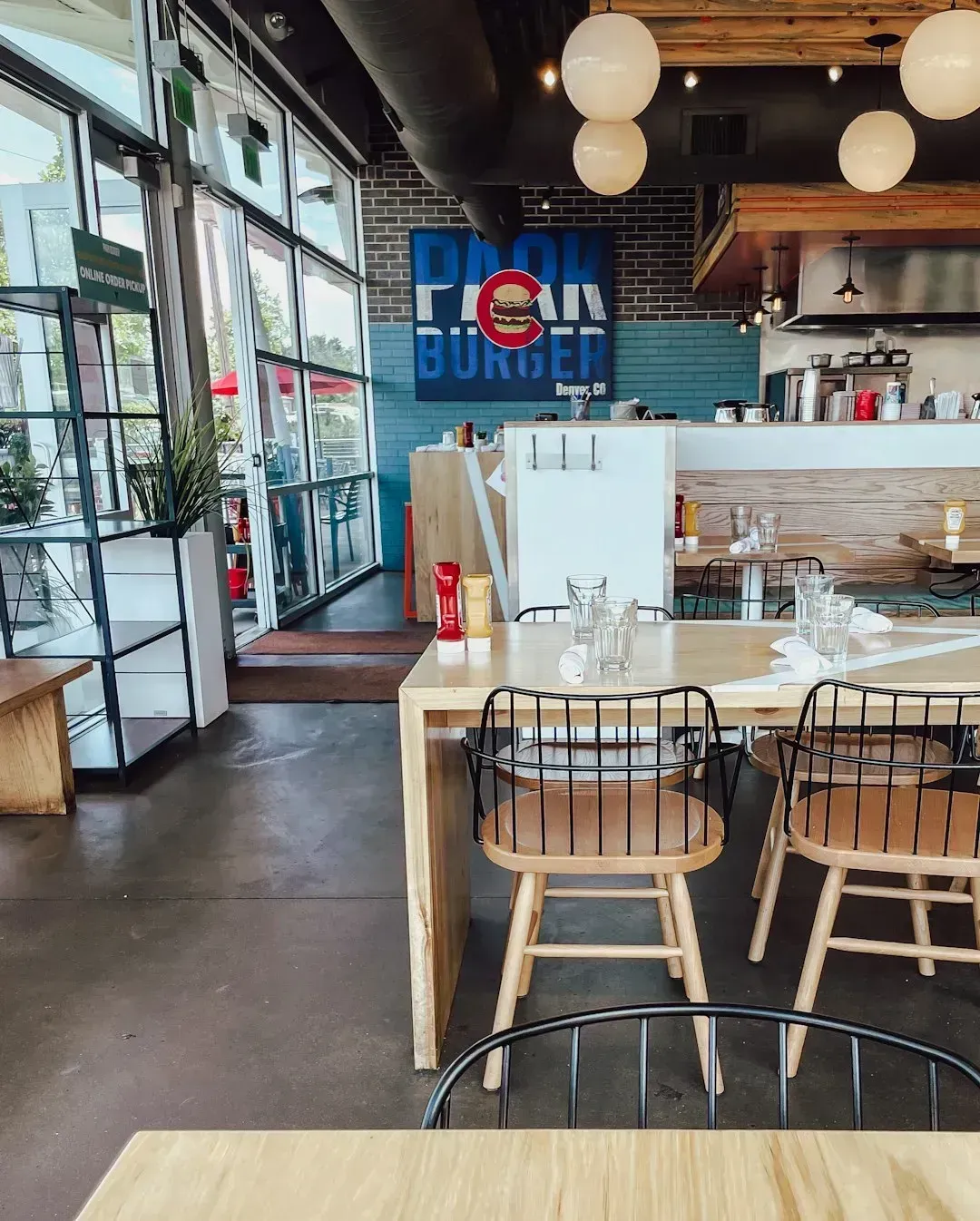
Denver ranks fourth in the Forbes Advisor cost survey, right behind Atlanta, and the city’s own wage data helps explain part of the squeeze. Back in 2020, the minimum wage was $12.85 per hour, then jumped to $14.77 in 2021, $15.87 in 2022, and $17.29 the following year, and it has kept climbing since. Denver’s minimum wage went up another 52 cents to $18.81 as workers received their latest scheduled raise.
That steady wage growth is good news for kitchen and serving staff, but it has forced restaurant owners to raise prices just to keep the lights on. The change shows up in small, almost comic ways around the city, including $5 for a croissant in suburban Denver, a price that would have seemed absurd at a neighborhood bakery just a few years back. Denver’s dining scene has also leaned harder into upscale, chef driven concepts since the pandemic, which has pulled average prices upward across the board.
Houston, Texas
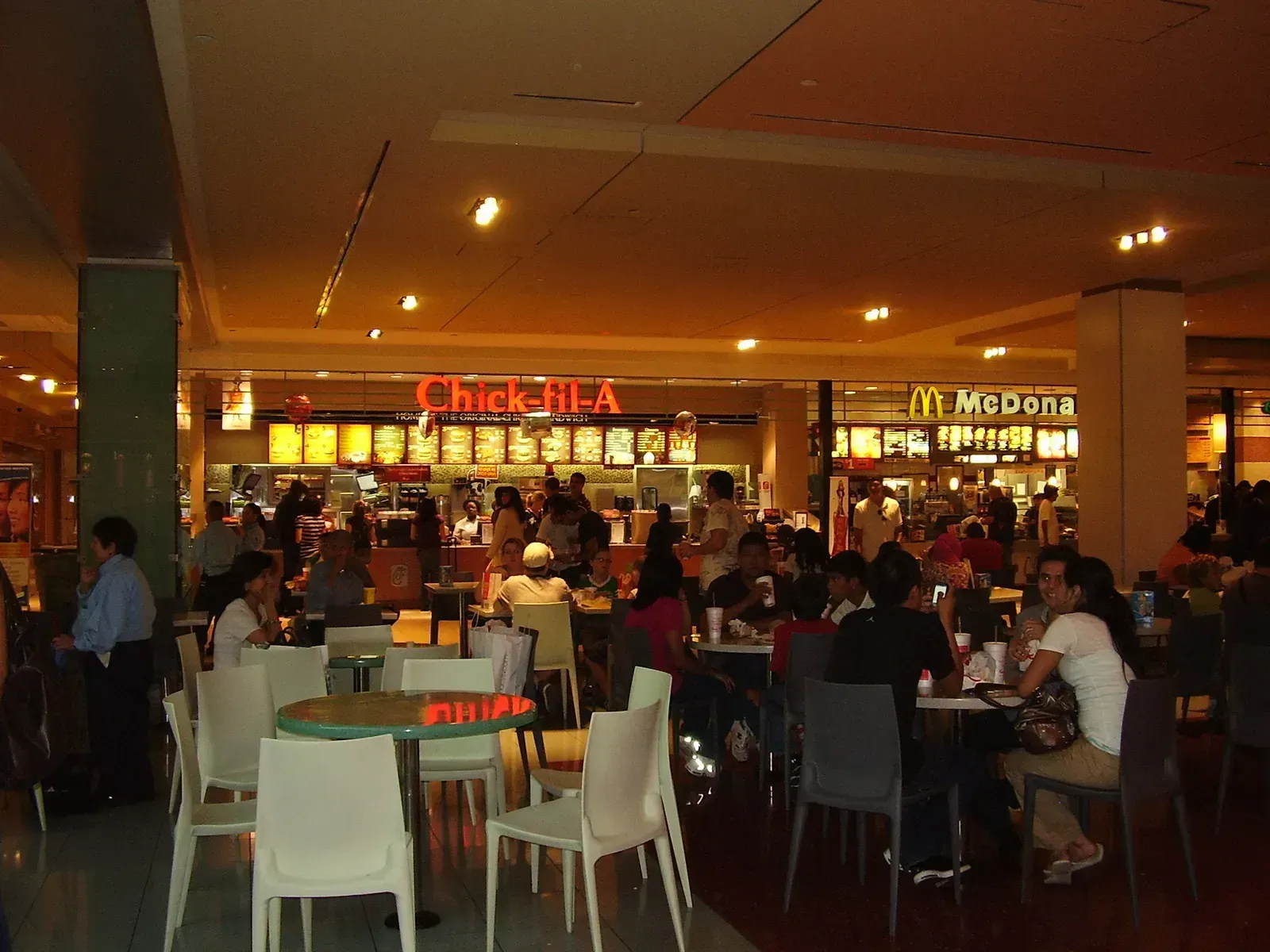
Houston rounds out the list, and its story is less about a single dramatic report and more about a steady, compounding climb. Eating out in Houston is getting more expensive, faster than most major U.S. cities, with restaurant prices up about 4.6% this year alone, according to industry data. That single year jump lands on top of several years of increases that had already pushed food away from home costs up nationally by nearly a third since 2020.
Local restaurant owners in Houston have described watching the cost of opening and running a new concept change dramatically over just a few years, forcing menus and pricing strategies to shift far more often than they used to. Rent, insurance, and food costs have all climbed at once, leaving less room for the kind of modest, occasional price bump that used to be normal. For a city long known as one of the more affordable places to eat out in Texas, the pace of change over the past half decade has caught a lot of longtime diners off guard.
Taken together, these six cities show that the rise in restaurant prices since 2020 has not landed evenly across the country. Some places have absorbed the increase gradually, while others, from Charleston’s coastal dining scene to Houston’s fast growing restaurant market, have seen costs climb at a pace that outstrips almost every other major U.S. city.



Leave a Reply