
Luxembourg

Luxembourg sits at the very top of every international teacher pay ranking, and it is not a close contest. Luxembourg paid teachers the most by far, offering starting salaries of $99,621, with average pay after 15 years reaching $137,418 per year, and the highest-earning teachers making $173,165 per year. Those are figures that would make plenty of mid-career professionals in other fields jealous, let alone classroom educators elsewhere in Europe.
The numbers hold up across multiple sources, not just one outlier report. Experienced secondary school teachers in the Grand Duchy receive over 107,000 euros per year on average, while experienced primary school teachers earn about 100,000 euros annually. Given that many specialist physicians in smaller economies do not clear six figures until well into their careers, Luxembourg’s teachers genuinely operate in medical-grade income territory.
Switzerland
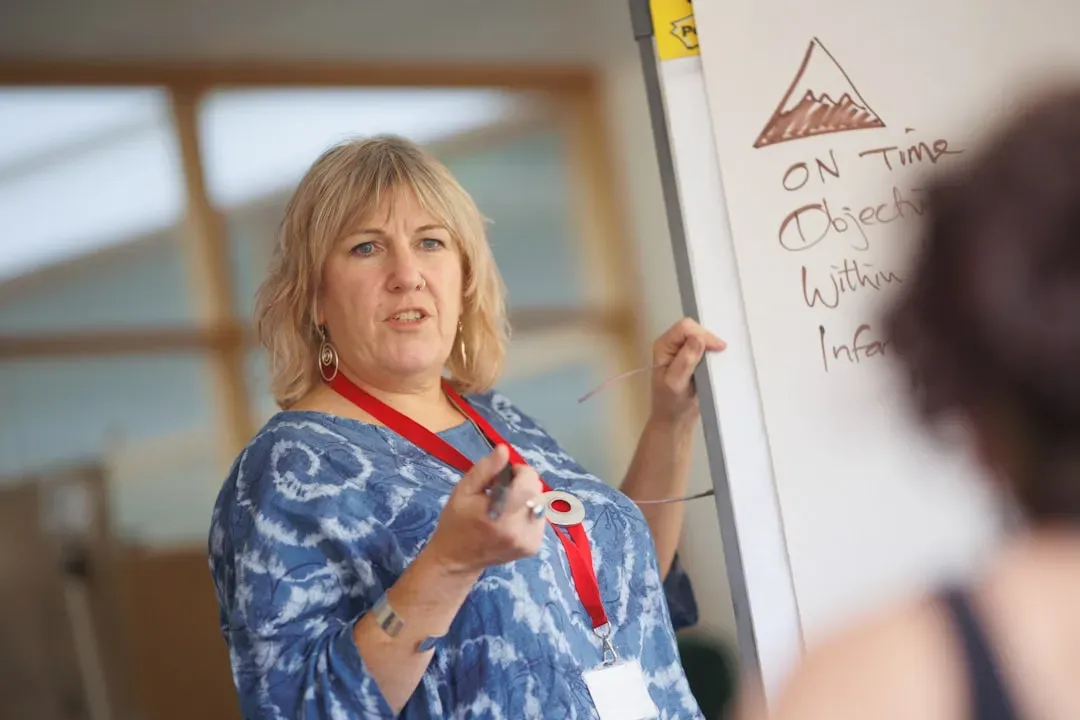
Switzerland’s high cost of living gets a lot of attention, but its teacher salaries are just as notable. Switzerland consistently ranks as one of the top-paying countries for teachers, with secondary school teachers making an average of $80,000 to $100,000 per year, reflecting the country’s strong investment in education and high cost of living. That range overlaps meaningfully with entry and mid-level physician pay in many other developed nations.
Regional pay scales in Switzerland reward experience heavily, and the increases are not small. A high school teacher is entitled to compensation of 71,500 francs at the start of their career, rising to roughly 90,246 francs with 10 to 19 years of experience, and about 91,074 francs for those with more than 20 years on the job. Combined with Switzerland’s famously low income tax rates in many cantons, the take-home comparison to medical professionals narrows even further.
Germany

Germany’s model works differently from most countries because teachers there are civil servants first. Teachers move through clearly defined civil servant pay grades tied to qualifications and years of service, which removes much of the negotiation and uncertainty that shapes teacher pay elsewhere, and this stability is part of why Germany continues to attract steady numbers of applicants into teacher training. That predictability is something few doctors outside the public hospital system can claim.
On raw numbers, Germany trails only Luxembourg among OECD nations. A lower secondary school teacher with 10 years experience can expect to bring home close to Germany’s $65,843, a considerable distance ahead of most other countries. Primary teachers fare well too, with OECD data showing primary school teachers in public institutions earning on average over $90,000 per year in Germany.
Singapore
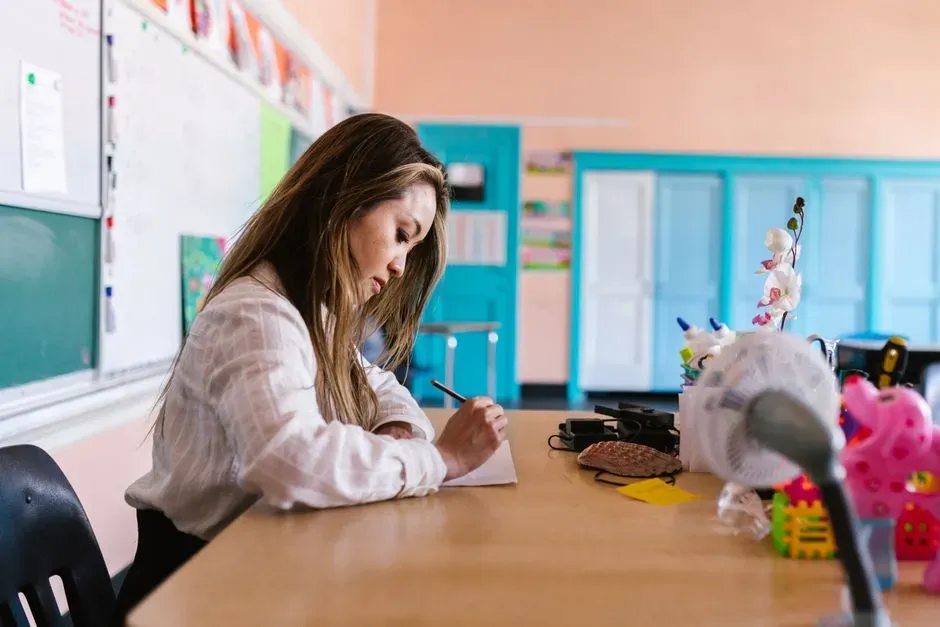
Singapore’s case is the one most often cited in this debate, and it carries real historical weight. Researchers studying the country’s consistently strong performance on international assessments have pointed to a striking detail about entry-level pay. It remains one of the clearest documented examples of teacher pay actually surpassing doctor pay at a particular career stage, since beginning teachers have been shown to make more than beginning doctors in Singapore.
That advantage has not faded with time either. Singapore’s government continues actively adjusting teacher compensation to stay ahead of market pressure, rather than letting it drift. About 33,000 serving Education Officers, along with allied educators and kindergarten educators, are receiving a 2% to 9% increase in their monthly salaries starting in October 2026, the first such review since 2022. Fresh graduates entering the profession are paid a training allowance even before they begin full duties, a structure most medical residency programs elsewhere do not offer at the same starting point.
Denmark
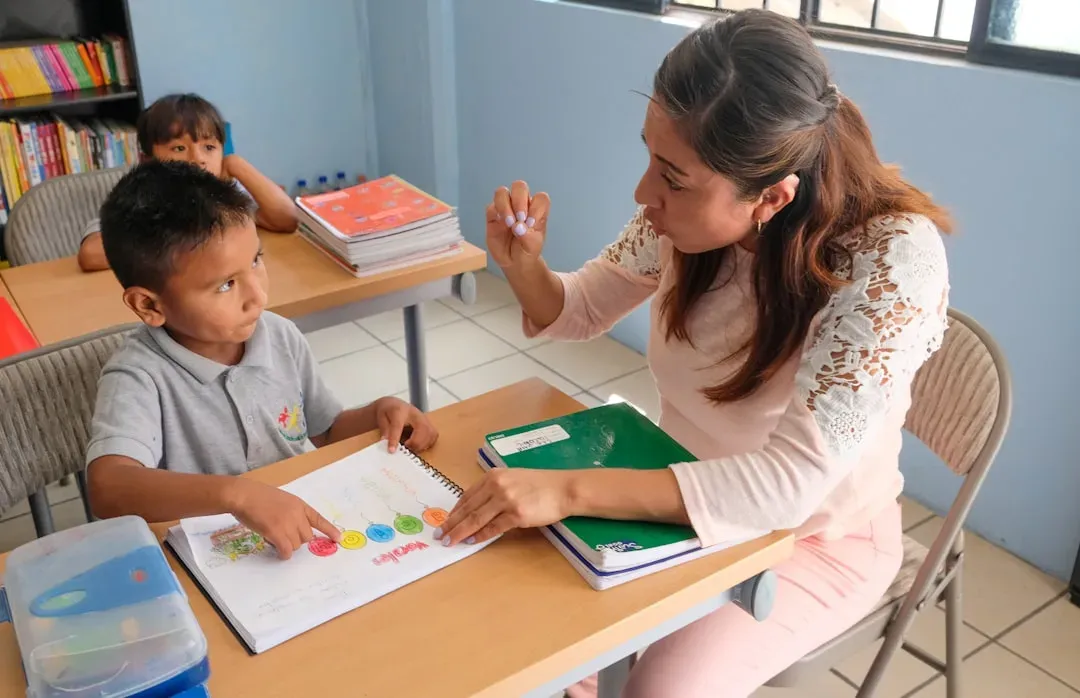
Denmark’s welfare model treats teaching as a genuinely stable, well-funded career rather than a fallback option. Denmark is known for its strong social welfare system, and teachers there benefit from high salaries. Starting figures already place new teachers well above the entry point in many other wealthy nations.
Recent OECD-based comparisons back this up with concrete numbers. Denmark’s starting teacher salary sits at $53,364, which places the country consistently among the top handful of nations worldwide. When paired with Denmark’s compressed wage structure across most professions, including medicine, the distance between a classroom paycheck and a doctor’s income is smaller there than almost anywhere else in the world.
Netherlands
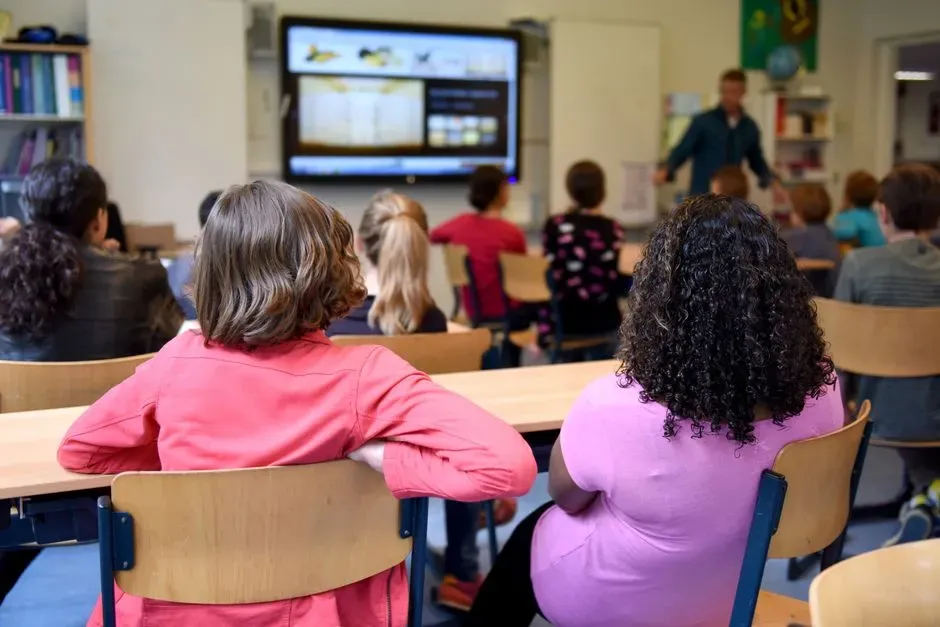
The Netherlands rarely gets the same headlines as Luxembourg or Switzerland, but it belongs firmly in this group. Lower secondary teachers in the Netherlands are among the other high-paying countries alongside Germany, according to OECD comparisons. Dutch education policy has also focused on smoothing the salary curve, so experienced teachers are not left far behind their early-career peers.
Broader OECD figures reinforce the Netherlands’ position near the top of the primary school pay tables. Primary school teachers in public institutions there earn on average over $90,000 per year, putting the country in the same bracket as Germany and Luxembourg. That figure sits comfortably in range with general practitioner incomes in several other European health systems, which is precisely the kind of overlap this list is built around.
Canada

Canada stands out as the clearest non-European example in this conversation, and it is worth noting how far ahead it sits of most other countries outside Europe. Out of the top twelve countries in one widely cited OECD-based ranking, eight are in Europe, and the highest-placed non-European nation is Canada, where the average annual teacher salary comes to $63,557. That places Canadian teachers well ahead of counterparts in most of Asia, Latin America, and even several wealthy European nations.
Provincial funding structures in Canada mean pay varies by region, but the floor is high compared to global norms. Teachers in provinces like Ontario and Alberta often reach six-figure salaries after quali fying years of service, a threshold that puts them in the same rough income bracket as many family physicians working in public clinics rather than private specialist practice. It is not medical-specialist money, but it is a level of parity that stands out on a continent where teaching pay is often treated as an afterthought.
None of these seven countries claim that teaching and medicine are financially identical professions across the board. What they share instead is a deliberate policy choice, made over years rather than overnight, to keep classroom salaries close enough to other skilled professions that teaching remains a genuinely competitive career path rather than a compromise. That distinction, subtle as it sounds, is what separates these nations from most of the rest of the world.


Leave a Reply