
Myth 1: No income tax automatically makes Florida cheap to retire in
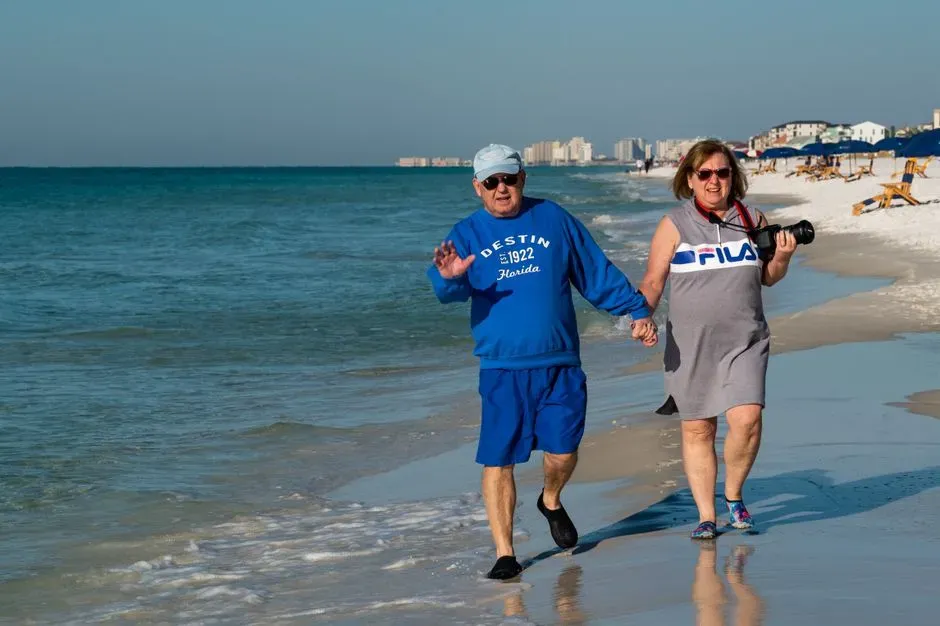
Florida’s lack of a personal income tax is real, and it’s genuinely valuable. According to the Tax Foundation, Florida collects just $5,141 in state and local taxes per capita, and its tax system ranks 5th overall on the 2026 State Tax Competitiveness Index, with no individual income tax, no estate or inheritance tax, and a modest 0.78% effective property tax rate on owner-occupied homes. On paper, that looks like an obvious win for anyone living on Social Security or pension income.
The catch is that the savings from skipping income tax don’t automatically translate into an overall cheap life. Florida’s insurance costs effectively wipe out much of the income tax savings for many residents. Florida’s no-income-tax rule delivers a genuine, permanent break on Social Security benefits, and that is worth something concrete every single month, but a tax break isn’t a retirement plan. The mistake is treating that break as the whole retirement math. Run the full budget, not just the tax line, before deciding Florida is the cheaper choice.
Myth 2: Home insurance has made Florida uninsurable for retirees

For years this myth was closer to fact than fiction, with premiums climbing and carriers fleeing the state. That picture is shifting in 2026. Citizens plans to cut rates for 2026 by an average 2.6% statewide, and Citizens says 60% of customers would see an average premium cut of 11.5% if the state approves those rates. Other insurers are following a similar path rather than pulling out.
Over the past 18 months, at least 17 new insurance companies have entered the Florida market, bringing fresh capacity and more options for homeowners. Coverage is easier to find than it was three years ago, though “easier” doesn’t mean cheap. Florida retirees spend an average of 34% of their annual retirement income on home insurance, more than four times the national average. The crisis is easing, not disappearing, and retirees still need to shop renewal quotes every single year.
Myth 3: Property taxes are practically nothing thanks to the homestead exemption
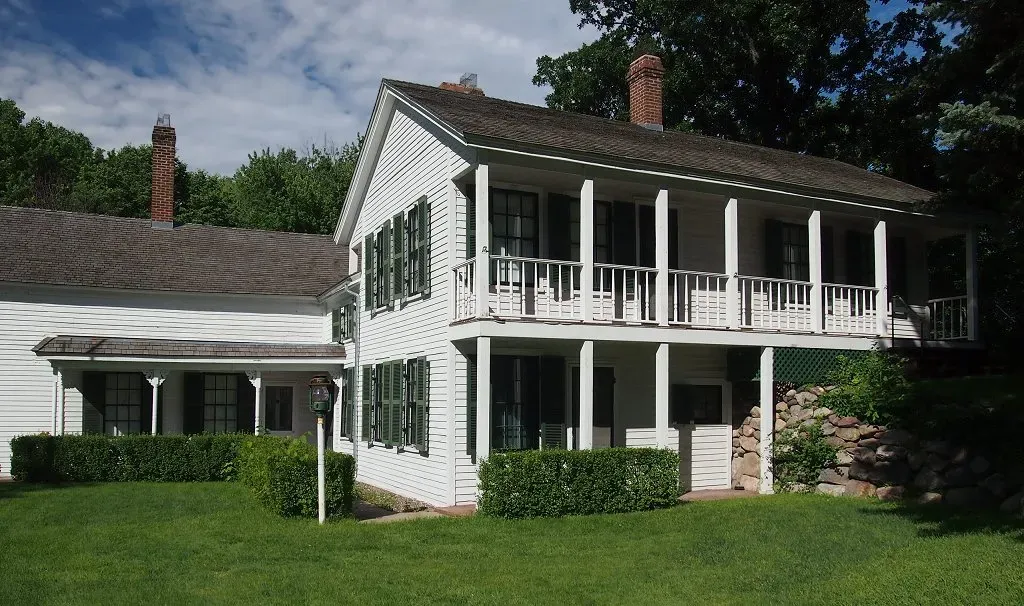
Florida’s property tax rates are genuinely moderate by national standards. Florida’s average effective property tax rate is about 0.79%, according to data compiled by the Tax Foundation. Add in the homestead exemption and the Save Our Homes cap, and long-time owners can see real protection from rising assessed values.
The exemption isn’t universal, though, and that’s where the myth falls apart for a lot of new arrivals. The state offsets this with a generous homestead exemption that shields up to $50,000 of assessed value, plus the “Save Our Homes” cap that limits annual assessment increases to 3% per year. That protection only applies to a primary residence. Florida has no income tax, but part-time residents must pay property taxes if they own a home in the state, and snowbirds who split their year elsewhere pay the full, uncapped bill on whatever the county assessor decides the home is worth.
Myth 4: Medicare will cover nursing home or long-term care costs

This is one of the more expensive misunderstandings a retiree can carry into Florida, or anywhere else for that matter. Most Florida seniors assume Medicare will cover nursing home or assisted living costs. It will not, at least not the way most people think. Medicare’s coverage of skilled nursing is limited to short-term recovery stays after a hospitalization, not the extended custodial care that many older adults eventually need.
The gap between assumption and reality tends to surface at the worst possible moment, usually after a fall or a diagnosis rather than during calm financial planning. Long-term care insurance, Medicaid planning, or self-funding through savings are the realistic paths for covering assisted living or memory care in Florida. Waiting until a crisis hits to look into these options leaves far fewer choices on the table. A conversation with an elder law attorney years before it’s needed tends to pay for itself many times over.
Myth 5: Every part of Florida offers great healthcare access

Miami and Orlando have deep benches of specialists, but that doesn’t describe most of the state’s geography. Florida Medical Association data from 2023 shows when it comes to direct patient care about 98 percent of doctors work in urban counties, while roughly two percent work in Florida’s 31 rural counties. Retirees drawn to quieter, more affordable inland towns often don’t realize how thin that coverage really is until they need a specialist.
The shortage isn’t confined to a handful of remote outliers, either. All but one of Florida’s 67 counties have at least partial primary care shortages. In some places the gap is stark: Hendry County, for example, has a population roughly one-tenth that of neighboring Collier County and a rate of just 7.5 doctors per 10,000 residents, among the lowest in Florida. Checking physician density in a specific county matters just as much as checking the price of a house.
Myth 6: Retirees who move to Florida stay for good

Florida’s reputation as the undisputed retirement capital of America is starting to look a little dated. While about 45,700 Americans in that age group moved to Florida last year, the most for any state, nearly 44,900 left. That was also the most for any state. Sixteen states had a greater net gain of retirement-age migrants, with South Carolina, Texas and North Carolina topping that list.
South Carolina topped all states for net senior migration in 2025, adding 5,427 retirees drawn by low property taxes and full Social Security tax exemptions. Many of these movers, nicknamed “halfbacks,” are longtime Florida residents heading partway back toward cooler, cheaper states. A 2025 survey from Florida Atlantic University found that 80% of Florida respondents were concerned about housing affordability, and almost half said they had considered leaving over the cost of living. The palm trees haven’t lost their appeal, but plenty of people who already live under them are doing the math and reconsidering.
Florida still draws more retirees than any other state, and for good reason. The tax advantages are real, the winters are genuinely mild, and there’s no shortage of things to do. What’s changed is the margin for error. The state that once looked like an easy, obvious choice now rewards retirees who check the specific county, the specific insurance quote, and the specific healthcare network before signing anything.


Leave a Reply