
January: snowbird season peaks in Florida while heating bills creep up in North Carolina
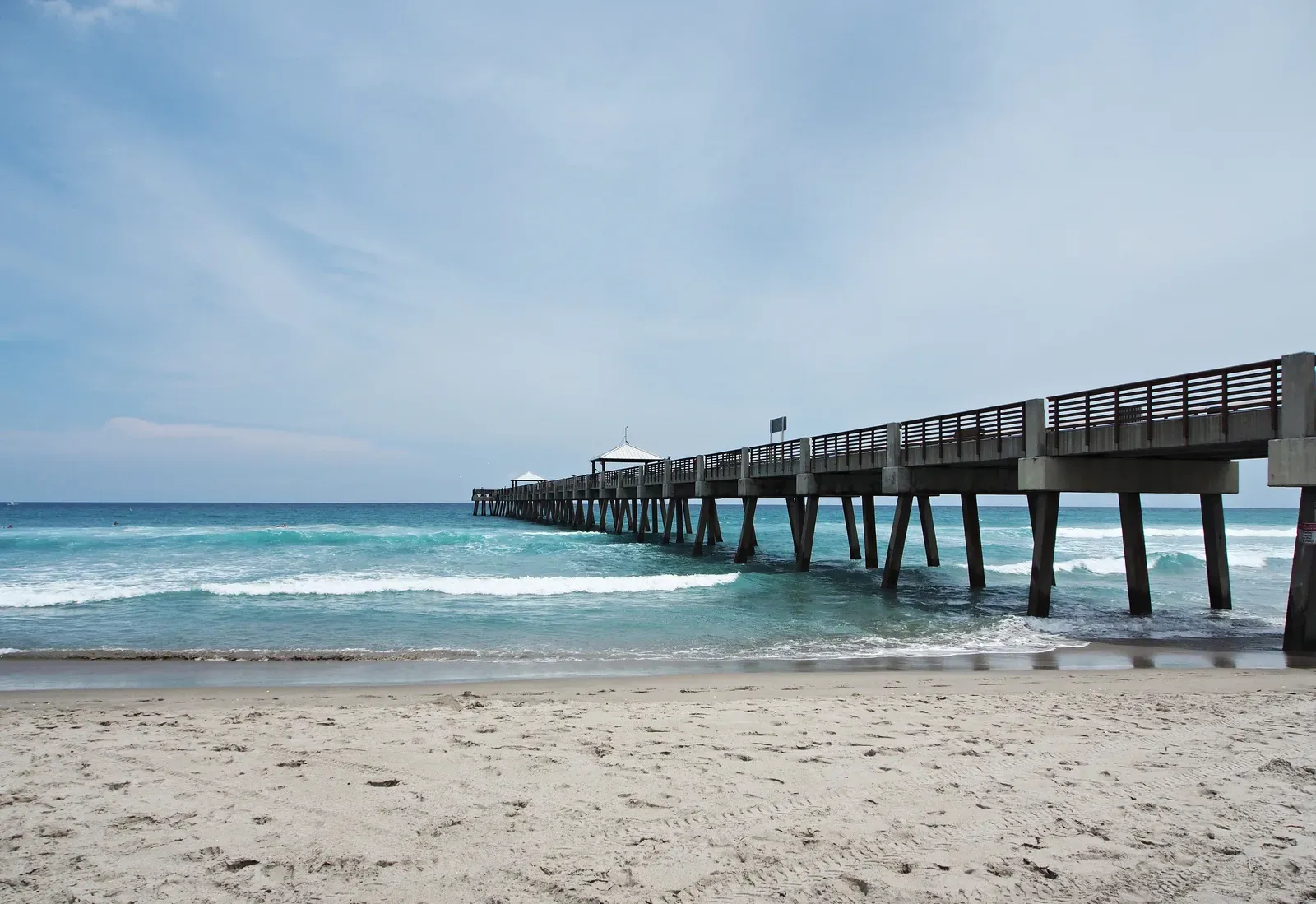
January is when Florida’s population swells with seasonal residents, pushing up demand for everything from groceries to golf tee times in places like Naples and Sarasota. Ironically, this is also when Florida electric bills can climb, since winter in Florida looks different than winter in most parts of the country, but electricity use can still increase this time of year as shorter days, cooler mornings and evenings, and running heat pumps more often all affect the bill. Heating pools adds another wrinkle that Northern transplants rarely expect.
North Carolina retirees, meanwhile, are watching a different clock: county property tax bills become delinquent right around January 5 or 6, since the official due date is September 1, but no penalty applies until January 6 of the following year, giving homeowners until January 5 to pay without any additional cost. Many mortgage escrow accounts already handle this automatically, but retirees paying directly need to watch the calendar closely. It is a quiet but real deadline that Florida homeowners simply do not have.
February: Florida’s tax discount window narrows while North Carolina settles into winter

Florida property owners who missed the best discount tiers in November and December still have one more chance in February, since Florida bills are mailed by November 1 and go delinquent April 1, with a discount schedule of 4% in November, 3% in December, 2% in January, and 1% in February before reaching face value in March. Paying in February still saves a little money, just not as much as paying early. It rewards planning over procrastination, which is a fairly Florida way to run a tax system.
North Carolina in February is comparatively quiet on the tax front, since most counties have already collected the bulk of payments by the January deadline. Utility costs stay moderate too, since the state hosts four distinct seasons, with mild winters in the Piedmont, significant snowfall in the mountains, and hot but not extreme summers. Retirees in the Piedmont or coastal Carolina towns typically see one of their smallest utility months of the year.
March: homestead paperwork and shifting insurance markets take center stage

March matters in Florida because it is typically the deadline window tied to homestead exemption filing, the same exemption that keeps property taxes fairly low, with an average rate of 0.82% and an exceptional Homestead Exemption that allows homeowners to reduce the taxable value of their property by $25,000. Missing that filing means paying full freight the following year. It is one of the few Florida cost items that rewards a little bureaucratic diligence.
North Carolina retirees in March are usually shopping insurance quietly in the background, since spring renewal notices start arriving for both auto and home policies. The state’s property tax structure stays comparatively gentle, with property tax rates even lower at 0.73% than Florida’s statewide average. There is no equivalent March scramble in North Carolina the way there is in Florida.
April: income tax season exposes the real difference between the two states

April is the month the income tax gap becomes impossible to ignore. Florida retirees file nothing at the state level at all, since Florida has no income tax including on retirement income and no estate tax, making it highly attractive for retirees, and that means Social Security, pensions, and 401(k) withdrawals arrive untouched. There is simply no April 15 state deadline stress in Florida.
North Carolina retirees do have a state return to file, though the sting has eased in recent years. The state’s flat 3.99% income tax rate for 2026 has declined aggressively from 5.25% in 2022 to 4.75% in 2023 to 4.5% in 2024. Importantly, North Carolina does not tax Social Security or railroad retirement benefits when those benefits are included in federal adjusted gross income, so for retirees living mostly on Social Security the tax gap between the two states shrinks considerably.
May: hurricane season prep drives Florida costs while North Carolina stays mild

May is when Florida homeowners start paying closer attention to their insurance policies, since hurricane season officially begins June 1 and insurers use the spring window to finalize rate filings. There is genuine reason for optimism this year, since after years of skyrocketing premiums and carrier pullouts, the market is showing real signs of stabilization, though with hurricane season starting June 1, now is the critical time to review coverage. Retirees who shop policies in May often lock in better terms than those who wait until storm season is underway.
North Carolina in May offers a much calmer backdrop, with pleasant temperatures and no equivalent insurance scramble tied to a hard June 1 deadline. Coastal counties do carry some windstorm exposure, but nothing resembling Florida’s statewide insurance market pressure. It is one of the more budget-friendly months on the calendar for North Carolina retirees.
June: the hurricane clock starts and Florida premiums come into sharper focus
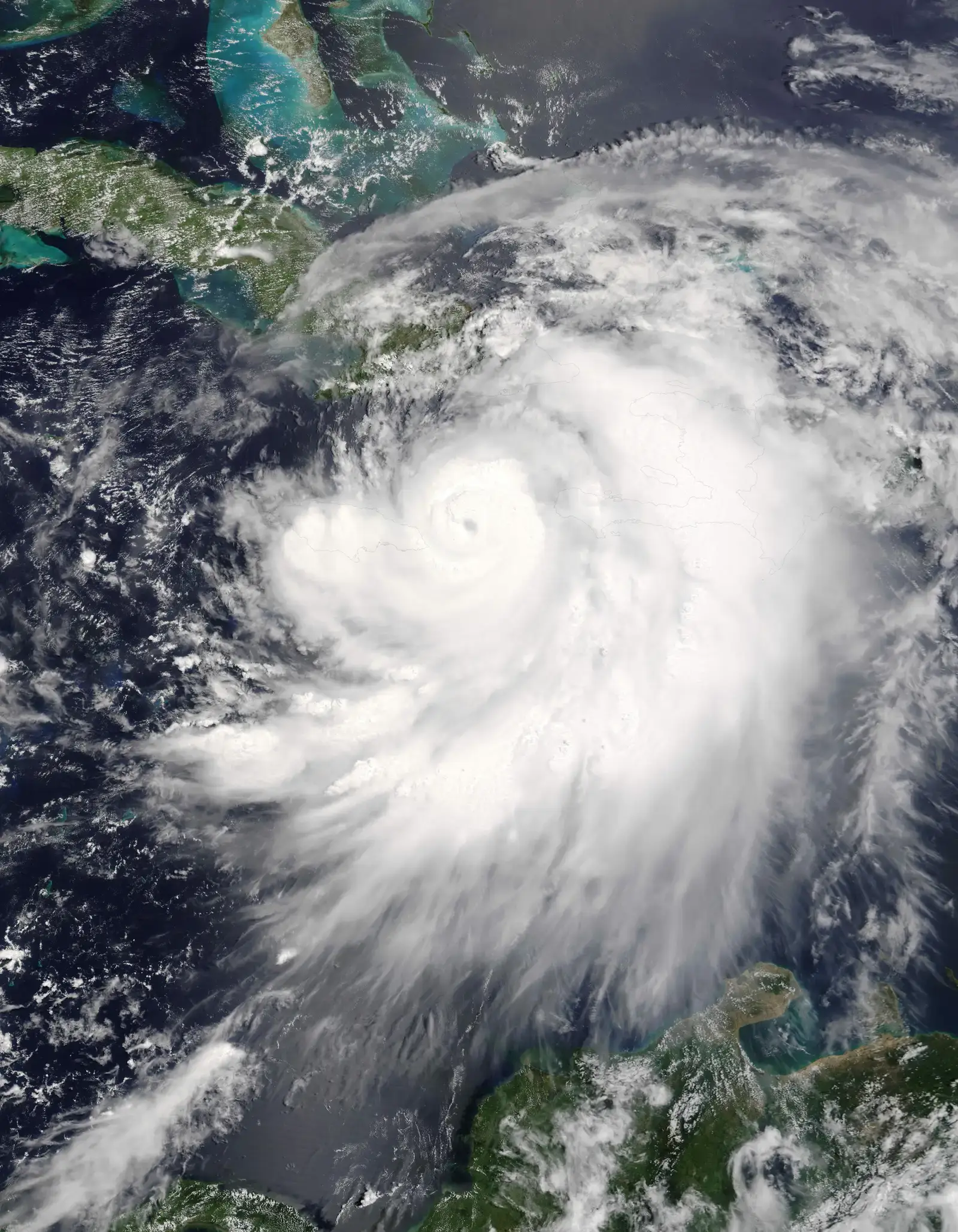
June 1 marks the official opening of hurricane season, and Florida insurance costs remain a defining feature of retirement budgeting even as relief slowly arrives. Reform efforts are having a measurable effect, since Florida once accounted for 72% of the nation’s homeowners claim-related lawsuits despite generating only 10% of homeowners claims, and insurance litigation filings have dropped 23% year-over-year from 2023 to 2024, falling another 25% in the first half of 2025. Reinsurance costs are also easing, since at the June 2026 renewals, reinsurance broker Guy Carpenter reported risk-adjusted property catastrophe pricing for Florida down roughly 15 to 20 percent across many layers.
North Carolina retirees near the coast do carry some hurricane exposure of their own, but at a fraction of Florida’s premium levels and without the same statewide insurer-of-last-resort dynamics. Inland and Piedmont retirees see essentially no hurricane-related cost bump at all in June. It remains one of the clearest financial separations between the two states.
July: peak cooling costs hit both states hard

July is when air conditioning becomes the single largest line item on almost every Southeastern utility bill. Florida retirees see this directly, since the average electric bill in Florida is approximately $139 per month for a typical household, and that figure climbs meaningfully once summer cooling demand peaks. In hotter, older homes without updated insulation, bills can run well past that baseline.
North Carolina retirees are not spared either, since Florida’s higher consumption from year-round air conditioning means total annual electricity bills can be comparable to or higher than North Carolina’s despite North Carolina’s milder overall climate profile. Mountain retirees in places like Asheville or Hendersonville do get some natural relief from elevation, while Piedmont and coastal residents feel July heat almost as intensely as their Florida counterparts.
August: back-to-school season brings quieter costs and looming tax notices

August in Florida is typically a lull between the spring insurance scramble and the fall hurricane peak, though smart homeowners are already watching storm forecasts. Grocery and everyday costs stay elevated compared to the national picture, since North Carolina has a lower cost of living compared to Florida, with everyday expenses being about 22.8% lower when including rent. That gap becomes especially noticeable in late summer when both states see seasonal demand shifts.
North Carolina counties begin preparing their annual property tax notices in August, since bills are typically due September 1, with a discount offered by the county if paid by August 31 in many jurisdictions. Retirees who pay early can shave a small percentage off their bill, a minor but real perk that Florida’s system does not offer in quite the same way at this point in the year.
September: the riskiest month of the year for Florida homeowners

September carries more financial risk for Florida retirees than any other month on the calendar. Hurricane risk peaks at 65% in September, driving insurance claims volume to 70% of annual totals, and that concentration of risk is baked directly into premium pricing. Even in a quiet year, insurers and homeowners alike treat September with a heightened level of caution.
North Carolina’s coastal communities feel a version of this too, particularly after recent history reminded the state that hurricane risk is not exclusively a Florida problem. The state was significantly impacted by Hurricane Helene in 2024, which caused severe flooding in western North Carolina, a reminder that inland mountain areas are not automatically insulated from storm-related costs. Still, the statewide financial exposure remains far smaller than Florida’s.
October: hurricane season winds down as North Carolina tax bills arrive
October in Florida is typically the tail end of the highest-risk stretch, with insurance claims activity gradually easing even as retirees remain watchful. Real estate and moving decisions often pause during this period, since August through October traditionally see strong real estate activity as snowbirds start shopping, but hurricane season disrupts this pattern as buyers delay decisions and sellers pull listings. Costs stabilize once the season’s worst weeks pass.
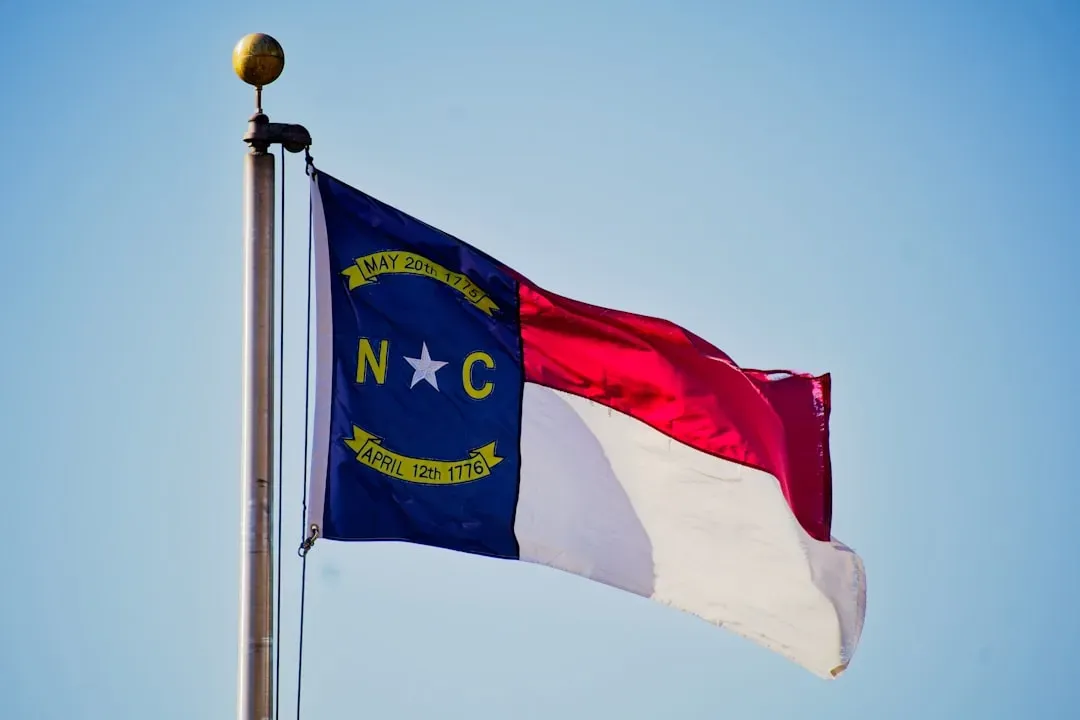
North Carolina retirees, by contrast, are simply managing their annual property tax bill, which most counties set with a due date of September 1 and a much longer grace period than most states allow. There is no hurricane-driven cost spike layered on top of the tax calendar here, which keeps October relatively predictable for North Carolina budgets.
November: Florida’s tax discount window opens as snowbird season returns

November is arguably the best month to pay Florida property taxes, since the state offers a discount schedule of 4% if paid in November, 3% in December, 2% in January, and 1% in February, and smart Florida homeowners pay in November. It is also when the seasonal population begins returning in earnest, nudging up demand for services, dining, and short-term rentals across the state.
North Carolina in November stays comparatively calm, with property taxes already settled for most homeowners and utility costs sitting in their seasonal sweet spot between summer cooling and winter heating. It is one of the more forgiving months for North Carolina retirees financially. The contrast with Florida’s active discount-driven planning is notable.
December: holiday costs collide with insurance renewals and year-end deadlines
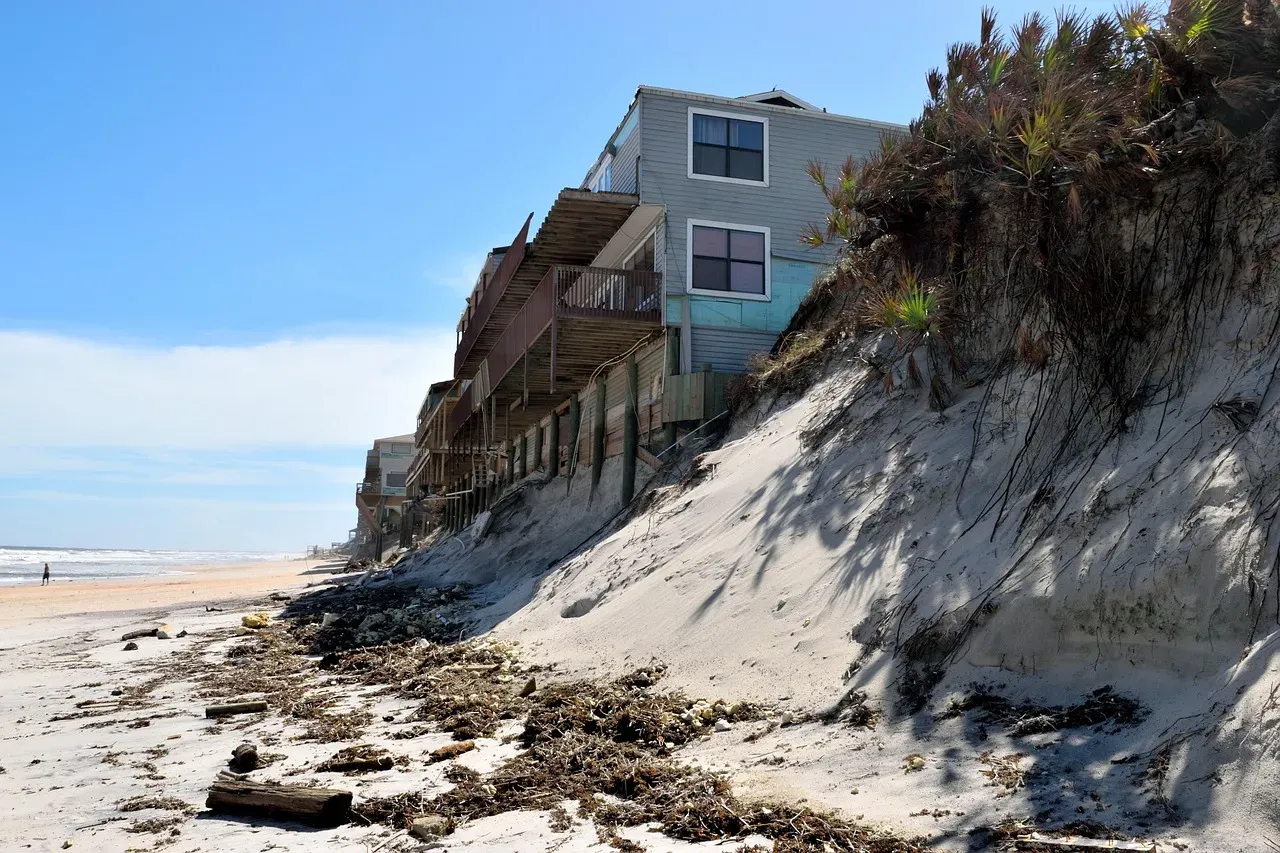
December brings the usual holiday spending bump in both states, but Florida retirees also juggle insurance renewal notices heading into a new hurricane season cycle just months away. Premiums remain historically elevated even with recent relief, since statewide average annual premiums for homeowners insurance hover around $3,800 to $5,800 or more depending on location, home age, and coverage. Reviewing a policy before year-end can meaningfully affect the following year’s budget.
North Carolina retirees close out the year with heating costs ticking upward and a final reminder that county property taxes become delinquent shortly after the new year begins. The Guilford County example is fairly typical, where paying by early September earns a discount, and taxes are due September 1 with the last day to pay set for January 5 of the following year. It is a gentler December deadline structure than anything Florida homeowners face at this point in their own tax cycle.
Looking at the full twelve months side by side, the pattern that emerges is less about one state being simply cheaper than the other and more about when the money actually leaves a retiree’s account. Florida front-loads its savings through zero state income tax but back-loads risk through hurricane season insurance costs concentrated in late summer and early fall. North Carolina spreads costs more evenly across the year, trading a modest income tax bite for calmer insurance markets and a notably longer property tax grace period. Which calendar suits a retiree better depends less on the annual total and more on how comfortable they are with Florida’s late-year financial swings versus North Carolina’s steadier, if slightly taxed, rhythm.



Leave a Reply