
Getting turned away at a border is rarely a simple bureaucratic inconvenience. For many travelers in 2026, it marks the end of a trip that took months to plan, sometimes at serious financial and personal cost. The global border landscape has shifted considerably over the past two years, with new digital authorization systems, expanding travel bans, and tightened enforcement policies all arriving within a short window of time.
Some of these changes were announced well in advance. Others caught travelers completely off guard at the check-in counter or immigration hall. Here are six countries where tourists are running into serious border problems right now.
1. The United States: Sweeping Travel Bans and Intensive Screening

As of January 1, 2026, the United States fully or partially suspended entry and visa issuance for nationals of 39 countries under Presidential Proclamation 10998. The proclamation expanded entry restrictions to cover nationals from 39 countries, with 19 of those subject to full entry bans that suspend both immigrant and nonimmigrant visas, while the remaining countries face partial restrictions that vary by visa category.
A final rule that took effect on December 26, 2025 requires U.S. Customs and Border Protection to collect facial biometric data from virtually all noncitizens at ports of entry and departure, applying at airports, land borders, and seaports. A 2026 CBP directive also states that border searches may include information accessible through a device, not just information stored on it, meaning data in cloud accounts, messaging apps, and connected services could be subject to inspection. Some travelers face complete refusal at the border, while others can still enter only after longer checks, extra interviews, and deeper security review, with families, employers, students, and refugees all feeling the strain.
2. Russia: Detention Risk and Near-Impossible Entry Conditions for Many

Russia is not safe to travel to for Americans in 2026. The U.S. carries a Level 4 Do Not Travel advisory, all consulates are closed or suspended, and wrongful detention of U.S. citizens is a documented and ongoing risk. Russian authorities have detained U.S. nationals without clear cause, sometimes on fabricated charges like espionage, with limited consular access and harsh prison conditions.
Access to Russia can be denied if travelers arrive without proper registration or a valid entry request, as Phase 2 of a new digital identification program runs from June 30, 2025 to June 30, 2026, expanding across all Russian border crossings and requiring foreigners to provide biometric data, identification, and travel purpose in advance via an app. Russian security services have arrested Western citizens on spurious charges, singled out Western citizens for detention or harassment, denied them fair and transparent treatment, and have convicted them in secret trials or without presenting credible evidence.
3. The Schengen Zone (EU): New Biometric System Causing Delays and Refusals

The EU launched its new Entry/Exit System on October 12, 2025, with a phased rollout expected to be complete by September 2026. Rather than having passports stamped, non-EU travelers crossing external Schengen borders now have to provide biometric data including passport data, fingerprints, and a facial image electronically on entry. Over 24,000 people had already been refused entry for various reasons, such as not providing appropriate justification for their visit or presenting expired or fraudulent documents, and the system also helped identify over 600 people who posed a security risk to Europe.
All non-EU visitors, including Americans and Brits, now have their fingerprints, facial images, and passport data recorded during their first entry, with that information saved to track travelers’ movement across the Schengen zone. If a visitor ever overstayed their 90-day Schengen allowance in the past, authorities can now detect it immediately on their next arrival. The ETIAS travel authorization system, which will require visa-exempt tourists to complete an online authorization before entering the Schengen Area at a cost of €20, has been delayed until late 2026 but is still coming.
4. The United Kingdom: Mandatory ETA Catching Tourists Off Guard
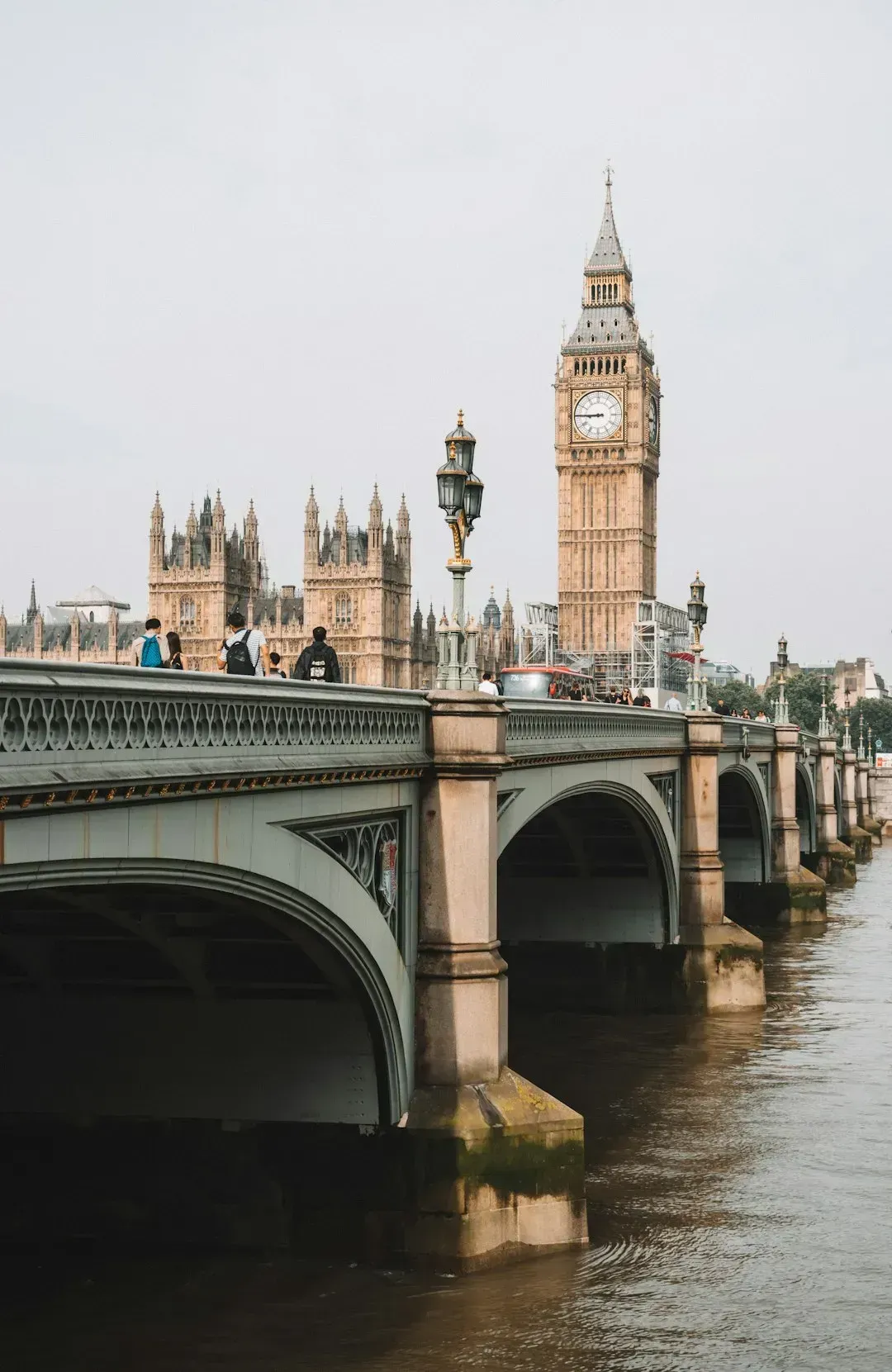
The United Kingdom began strict pre-travel checks for its Electronic Travel Authorisation on February 25, 2026, and most visa-free visitors, including U.S. citizens, must now have approval before boarding a flight, train, or ferry. That is not a soft guideline. The ETA became a hard requirement on February 25, 2026, meaning travelers need the £16 digital permission approved before they travel or they risk being denied boarding at check-in.
Tourists from 85 countries who previously did not need a visa are now required to apply for a digital permit for short stays in the UK. The application costs £16 and is valid for two years on stays of up to six months. The UK Electronic Travel Authorization is valid for two years from the date of approval, during which period U.S. citizens can enter the UK multiple times without needing to reapply, as long as each visit complies with the permitted stay duration of typically up to six months. Those who skip the application step entirely tend to find out the hard way, at the gate.
5. Japan: New Pre-Authorization System Leaving Some Travelers Stranded
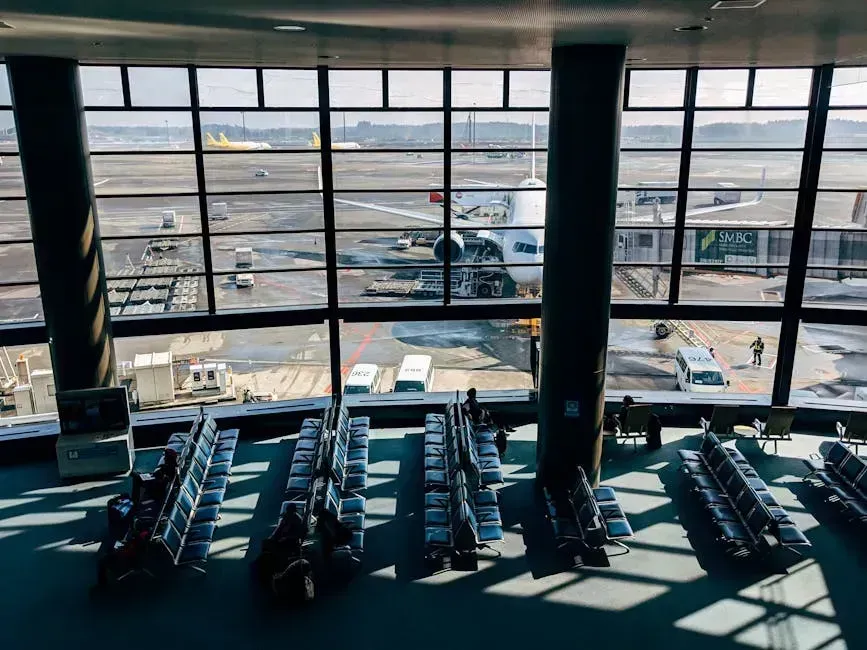
American tourists planning trips to Japan are being urgently advised to complete a new travel authorization requirement before boarding international flights or risk being denied boarding at the gate. The Japan Electronic System for Travel Authorization, known as JESTA, is now mandatory for U.S. visitors, and airlines will refuse boarding to passengers without it. Travel experts warn that many travelers are still unaware of JESTA, often assuming that a passport and a ticket are all that is needed, and this misunderstanding has already led to boarding refusals and travel delays for several American passengers.
Travelers with past immigration violations or criminal records are warned in official guidance to consult the Immigration Services Agency of Japan in advance, with publicly available documentation stressing that entry is never guaranteed, even for visa-exempt nationals, and that final decisions remain at the discretion of border inspectors at the point of arrival. Short-term visitors are not legally permitted to engage in regular paid work, and public guidance cautions that being caught working on a tourist status can lead to removal and future entry bans.
6. Iran: Mutual Restrictions Trapping Travelers on Both Sides
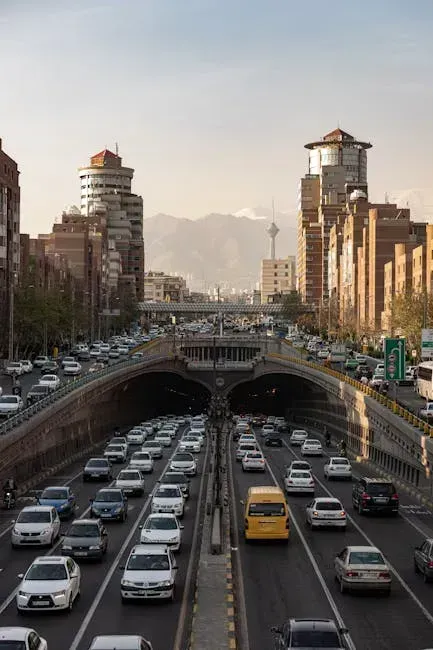
For Americans trying to visit Iran, U.S. passport holders have faced extreme difficulty for years. Iran does not recognize dual U.S.-Iranian nationality for entry purposes, and the U.S. State Department maintains a Level 4 “Do Not Travel” advisory citing the risk of wrongful detention. Iran is among the countries under full entry suspension into the United States, meaning entries of both immigrants and nonimmigrants from Iran are considered fully suspended.
Iran boycotted a major international draw altogether in late 2025, claiming that the U.S. denied visas to members of its delegation. The diplomatic deep freeze between Washington and Tehran shows no sign of thawing in 2026. Iranian nationals attempting to travel to the U.S. without a valid pre-existing visa now face a complete ban under the January 2026 proclamation, while American citizens heading toward Iran face a government warning as stark as any on the State Department’s books. For ordinary tourists caught between those two governments, the border is essentially closed in both directions.
The thread running through all six of these situations is the same: border rules in 2026 are moving faster than most travelers’ awareness of them. Checking entry requirements well before departure, not the night before, has gone from being good advice to being genuinely essential.




Leave a Reply