
Walk into just about any butcher shop and ask which chicken cut they’d take home for dinner, and breast is rarely the answer. For years, boneless skinless breast dominated American grocery carts simply because it was easy to cook and easy to sell. That’s shifting fast. For decades in the U.S., chicken breasts were pricier and more popular than chicken thighs, but that seems to be changing.
Part of the reason comes down to plain economics, and part of it comes down to taste. Chefs kind of always knew that thighs were tastier, and it’s harder to overcook, so it doesn’t get dry as easily and has a little bit more fat and a little bit more flavor. Below are six cuts that professionals in the meat business tend to reach for before they ever touch a breast, and every single one of them costs less per pound.
1. Bone-In, Skin-On Chicken Thighs
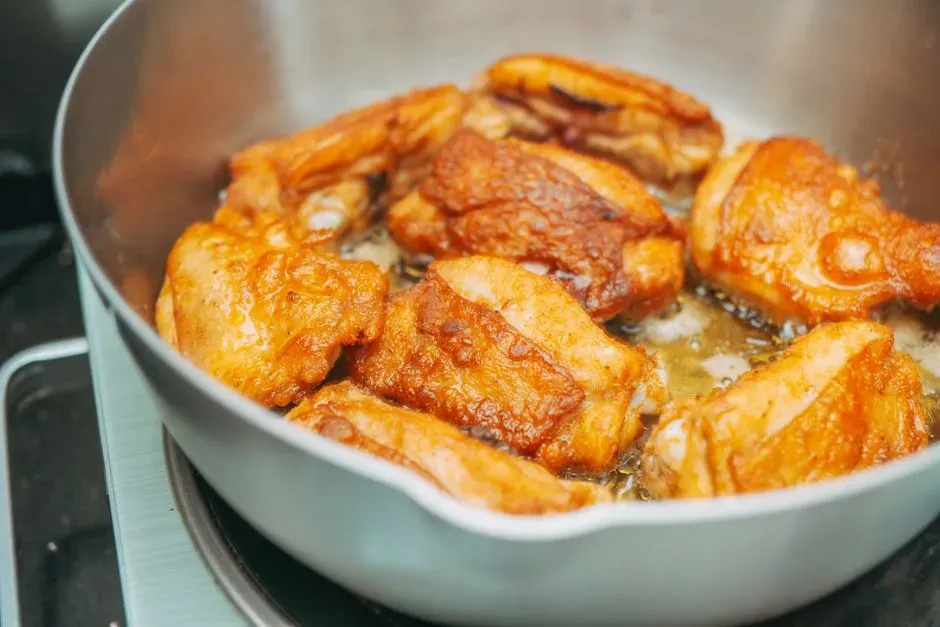
Ask any butcher what they’d throw on a sheet pan for their own family, and bone-in thighs usually come up first. This is the upper part of the leg that is connected to the body of the chicken, and this flavorful bone-in cut is sold with the skin on, taking a bit longer to cook than its boneless counterpart. The bone helps insulate the meat during cooking, while the skin crisps up and locks in moisture, something a bare breast simply can’t do on its own.
The versatility here is hard to overstate. Bone-in chicken thighs are incredibly versatile, ideal for sheet pan suppers and skillet meals, roasting, grilling, and cooking in the pressure cooker and slow cooker, and the cooked crispy skin also works as a canvas for glazes and sauces to cling to. On top of that, this cut sits near the bottom of the price ladder, making it one of the easiest ways to stretch a grocery budget without sacrificing flavor.
2. Chicken Drumsticks
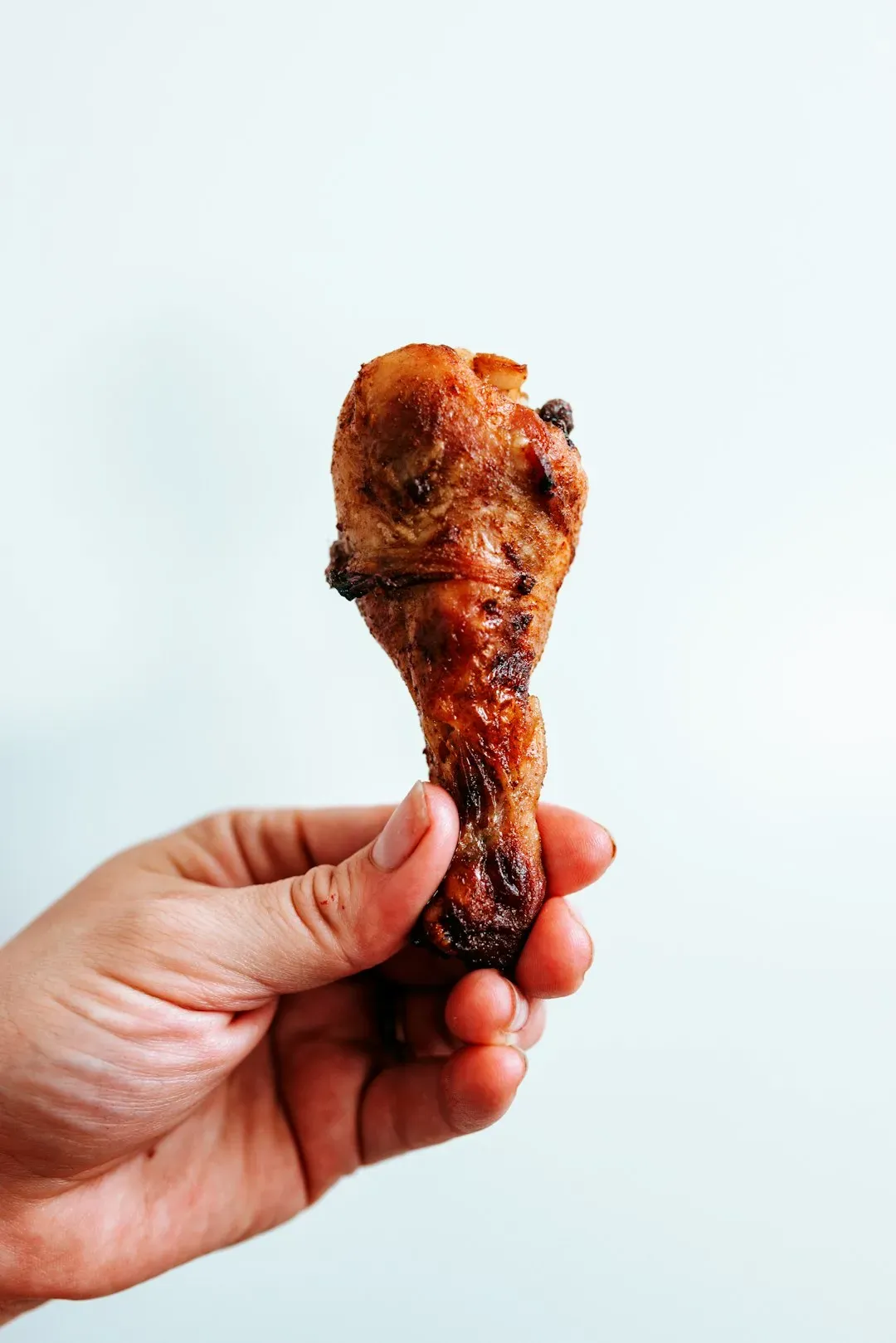
Drumsticks rarely get top billing on a menu, yet they’re a quiet favorite behind the counter. The drumsticks are part of the leg and connected to the thigh, sold bone-in and skin-on, and similar to thighs, they’re a fattier, tougher cut of meat compared to lean chicken breasts, although they also come with a lot more flavor. That extra connective tissue breaks down beautifully with heat, turning tender rather than dry.
They’re also about as forgiving as chicken gets in the kitchen. Drumsticks are cooked similar to thighs, benefiting from roasting or baking in the oven, and being cooked in the pressure cooker or on the grill. For weeknight cooking or backyard grilling, it’s tough to beat a cut this cheap that still holds up to high heat without turning into shoe leather.
3. Chicken Leg Quarters
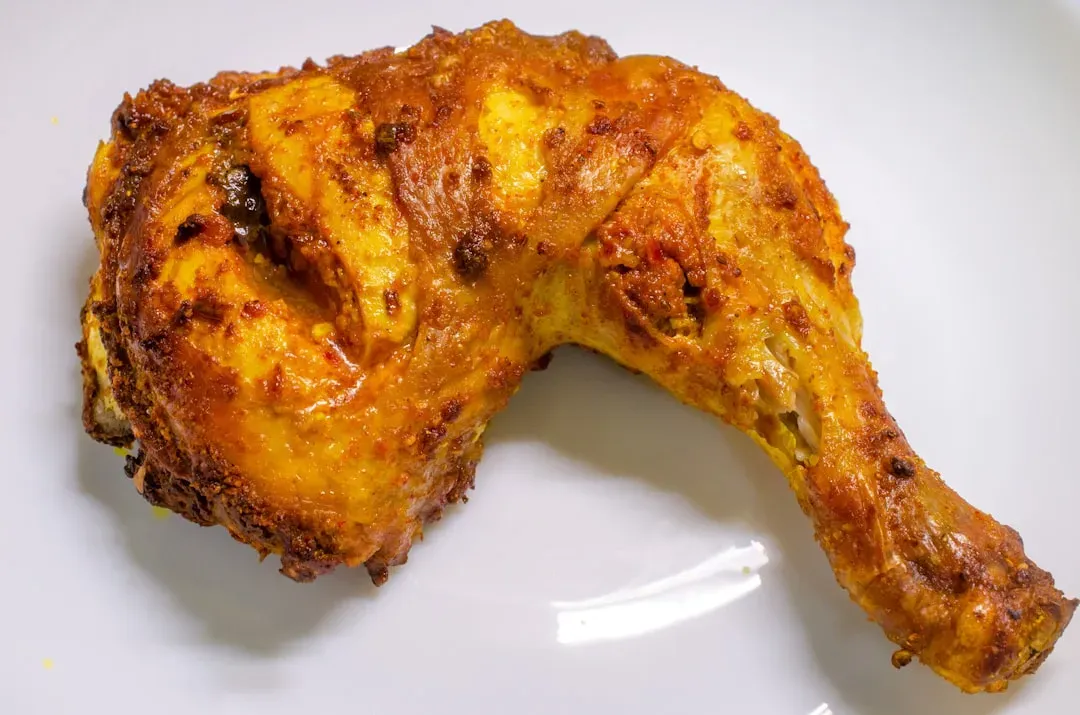
Leg quarters, the thigh and drumstick still attached, sit at the very bottom of the chicken price chart, and that’s exactly why butchers love recommending them. Also referred to as whole chicken legs, the leg quarters consist of both the thigh and drumstick, sold bone-in and skin-on, and it’s an economical cut that comes with a considerable amount of fat and flavor. Because you’re buying more bone and connective tissue relative to boneless cuts, the per-pound cost drops dramatically compared with a trimmed breast fillet.
What makes this cut especially appealing is how little effort it demands. Leg quarters are versatile and can be cooked whole, or the thigh and drumstick can be separated and cooked as desired, and when left whole, they are delicious when roasted or grilled. Recent market data backs up just how much cheaper this option really is. Whole birds and leg quarters are still much cheaper per pound than boneless breast, with whole chickens roughly half the price of boneless breasts as of September 2025, and legs even cheaper still.
4. Chicken Wings
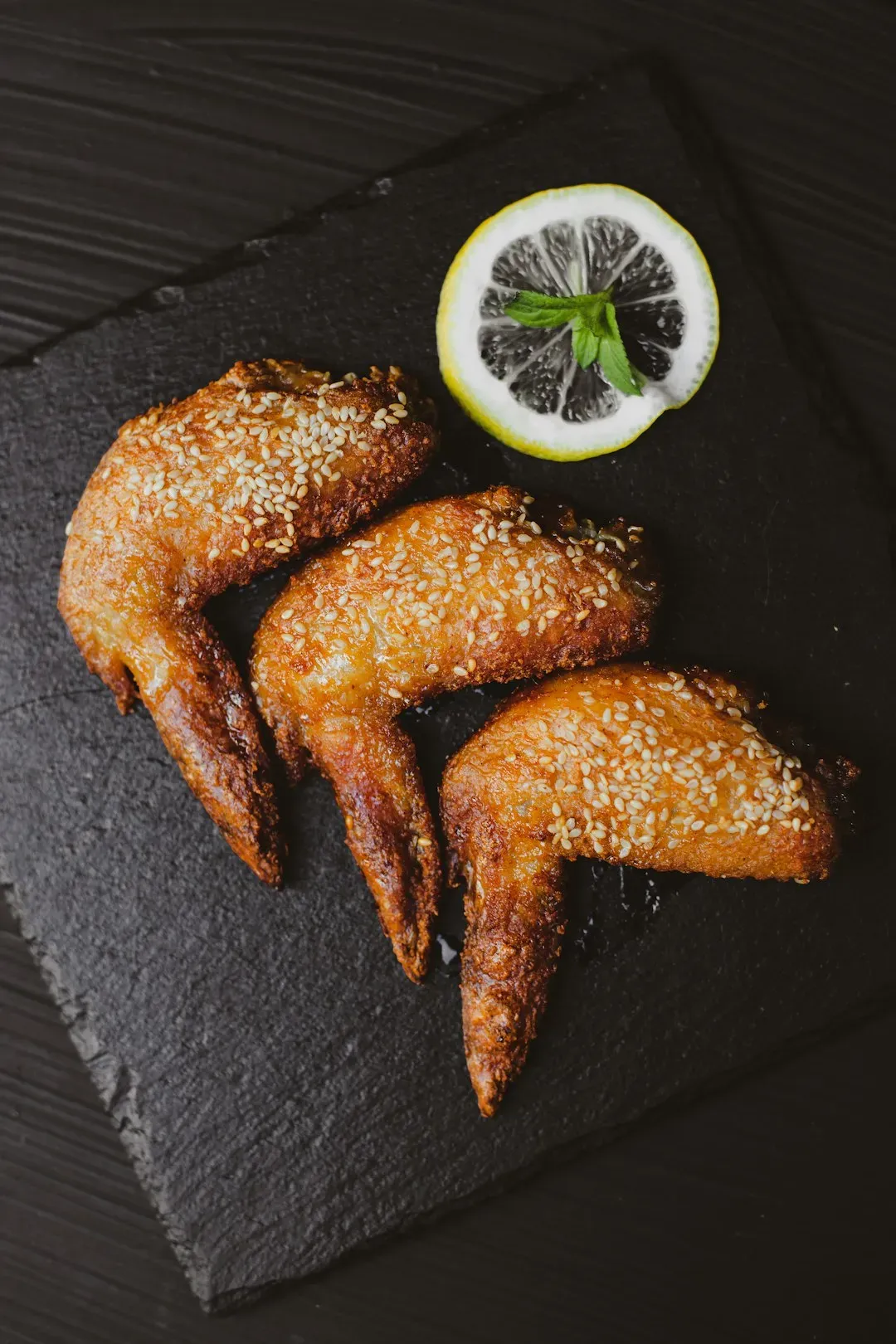
Wings might seem like a game-day indulgence rather than an everyday dinner cut, but they carry outsized flavor for their size. Think of the wings as the arms of the bird, a tiny cut composed of three parts, the tip, flat, and drumette, and while each one doesn’t come with a lot of meat, it is super flavorful. That flavor comes from the same fat and connective tissue that makes thighs and drumsticks so forgiving on the grill or in the fryer.
Pricing on wings does fluctuate more than other cuts because of seasonal demand around football season and holidays, but they typically remain a budget-friendly option compared with trimmed breast. Wholesale wing prices have sat around 110 cents per pound in recent reporting, well below the levels seen during earlier spikes. For anyone building a wing night on a budget, that price gap compared to breast meat adds up fast, especially when buying in bulk.
5. Boneless, Skinless Chicken Thighs
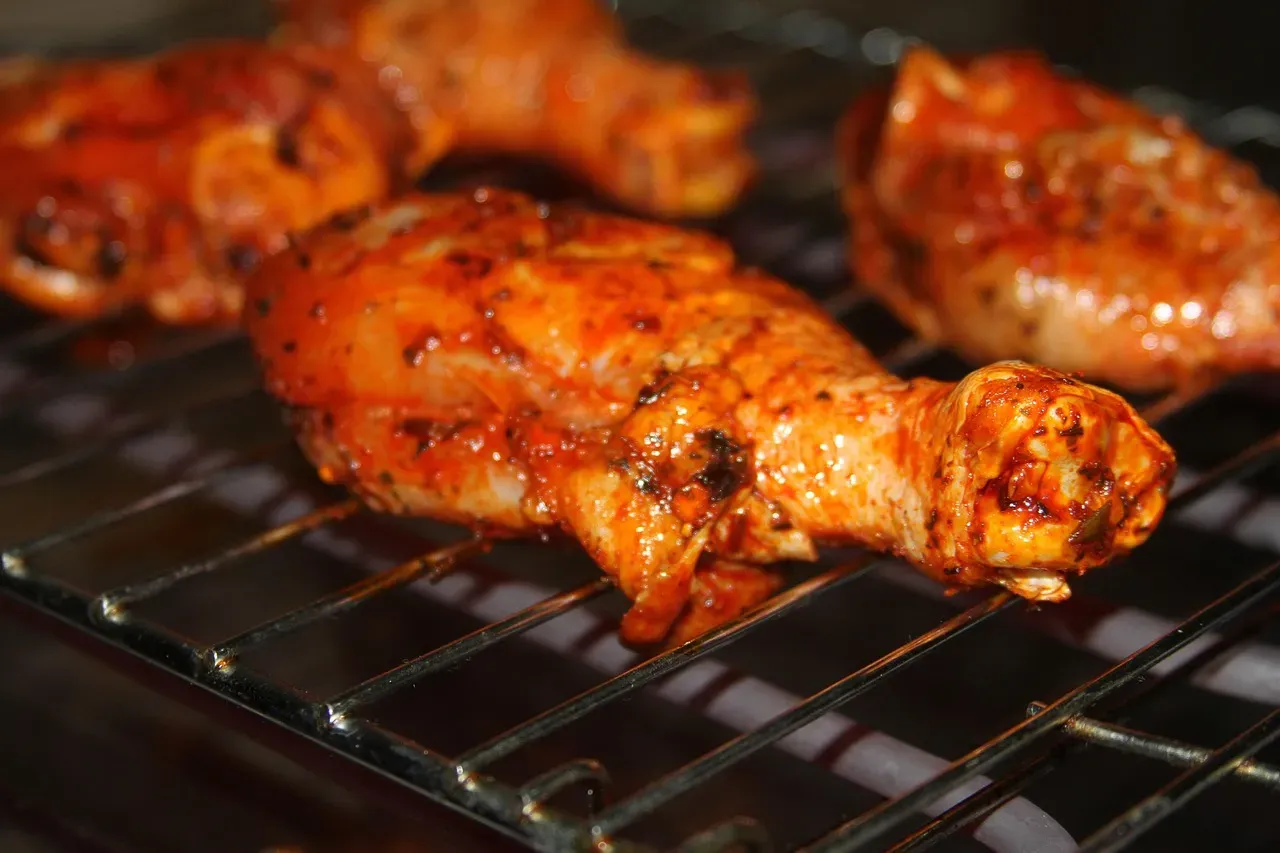
For cooks who want the convenience of a boneless cut without giving up flavor, boneless skinless thighs are the compromise a butcher will point to. This cut comes at a premium to bone-in thighs because of the extra processing to remove the bone and skin, but it’s part of the leg, and it’s slightly fattier and a whole lot more flavorful than lean chicken breasts. Even with that processing markup, it typically still lands below boneless breast in price per pound.
This cut has become a favorite substitute in dishes that traditionally called for breast. Boneless chicken thighs are faster-cooking than bone-in, come with the same versatility, can be baked in the oven, or cooked on the stovetop or grill, or made in the slow cooker, and also make a flavorful substitute for soups and chilis that call for lean chicken breast. Home cooks have taken notice too. Recent reporting on shifting American eating habits found that thighs are like the forgiving friend of chicken cuts, remaining juicy and flavorful even when slightly overcooked, in stark contrast to breast meat, which can transform from perfect to parched in mere moments of inattention.
6. Whole Chicken
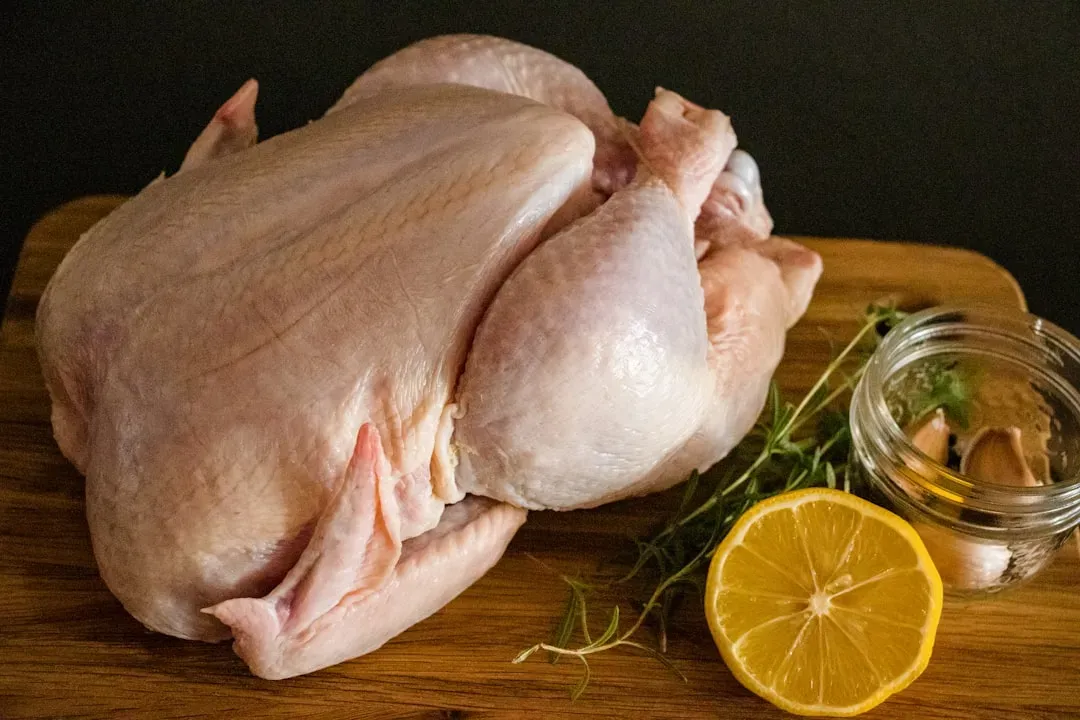
If a butcher had to pick just one cut to recommend for value, many would skip individual pieces entirely and point to the whole bird. Buying whole means paying for less processing, and it comes with the added bonus of bones and trimmings that can be turned into stock. This is the whole bird, meat, bones, skin, and all, and whole chickens are really versatile, able to be cooked as is, or broken down into individual pieces, with roasting in the oven being the most traditional method, although they’re also wonderfully juicy and tender when cooked in the slow cooker or on the stovetop in milk.
The savings from buying whole rather than piecemeal are significant and well documented in current market pricing. In September 2025, whole chickens were roughly half the price of boneless breasts, and legs were even cheaper, meaning a family willing to roast a whole chicken, shred the leftovers, and make stock from the bones could stretch a single bird across several meals with a very low cost per serving. That single strategy, shifting away from breast-centric shopping toward a whole bird broken down at home, remains one of the simplest ways to cut a grocery bill without cutting corners on flavor.
None of this means breast meat deserves to disappear from the fridge. It still has its place for quick weeknight dinners, meal prep, or recipes that call for a neutral, lean protein. Still, the price gap between breast and nearly every other part of the bird has only grown more noticeable, and the cuts butchers reach for on their own time tend to be the ones with more fat, more bone, and a lot more flavor for a lot less money. Next time the meat case has you deciding between a shrink-wrapped breast and one of these other options, it might be worth letting the professionals’ habits guide the choice.



Leave a Reply