
There’s a particular kind of anxiety that settles in when you first open a menu with no prices, or find yourself staring at four forks and a spoon you don’t recognize. Fine dining has accumulated so many unwritten rules over the centuries that it can feel less like a meal and more like an exam you forgot to study for. Some of that anxiety is warranted. A lot of it really isn’t.
The truth is that most fine dining etiquette exists for a practical reason: to make the experience more pleasant for everyone at the table, including the staff. Etiquette isn’t about rigid rules or impressing others. It’s about creating an atmosphere of ease for yourself, your fellow diners, and the restaurant staff. Good manners help the experience flow gracefully, especially in a setting designed to slow you down and heighten your senses. What follows is an honest look at which rules deserve your attention and which ones you can stop losing sleep over.
Overthinking #1: Which Fork to Use First
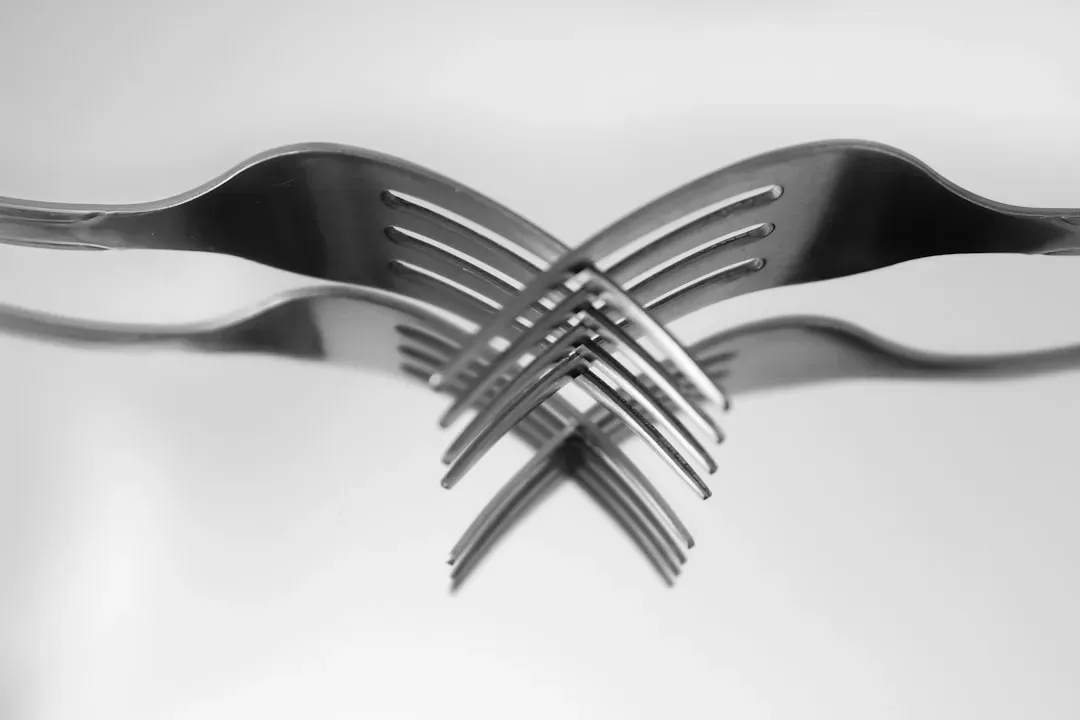
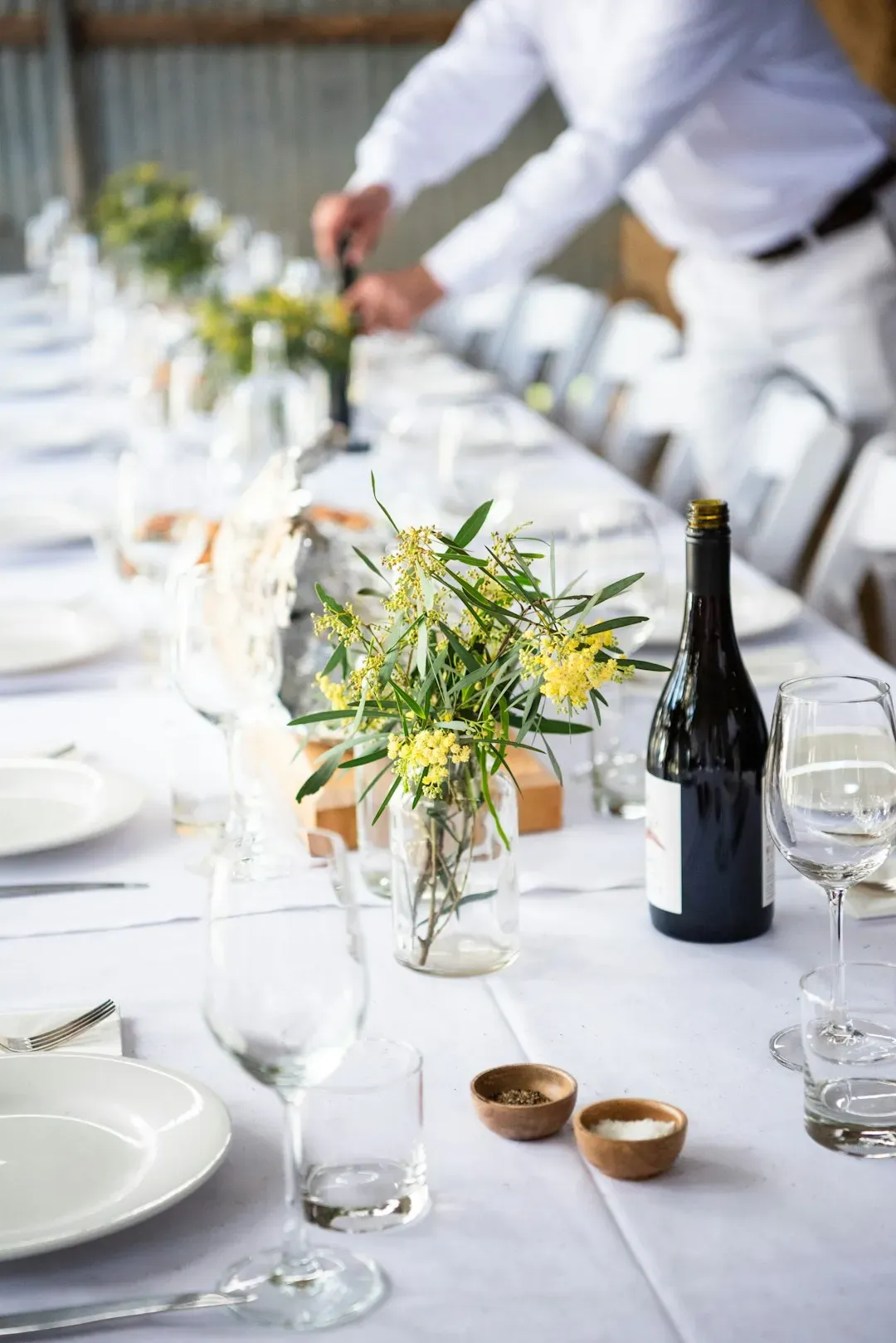
This is probably the single most common source of table anxiety, and the fix is almost embarrassingly simple. No matter how much cutlery you find at your table setting, you should always start with the ones on the outside, working inward. You’ll eat the first course with the farthest pieces from your plate and the last with the closest piece. That’s genuinely the whole system.
Once a course is finished, the used cutlery stays on the plate to be cleared away. In most formal dining settings, dessert cutlery is placed above the plate and sometimes brought alongside dessert. No memorization needed. Just follow the layout, and the table will guide you through the meal almost automatically.
Overthinking #2: Sounding Knowledgeable About Wine
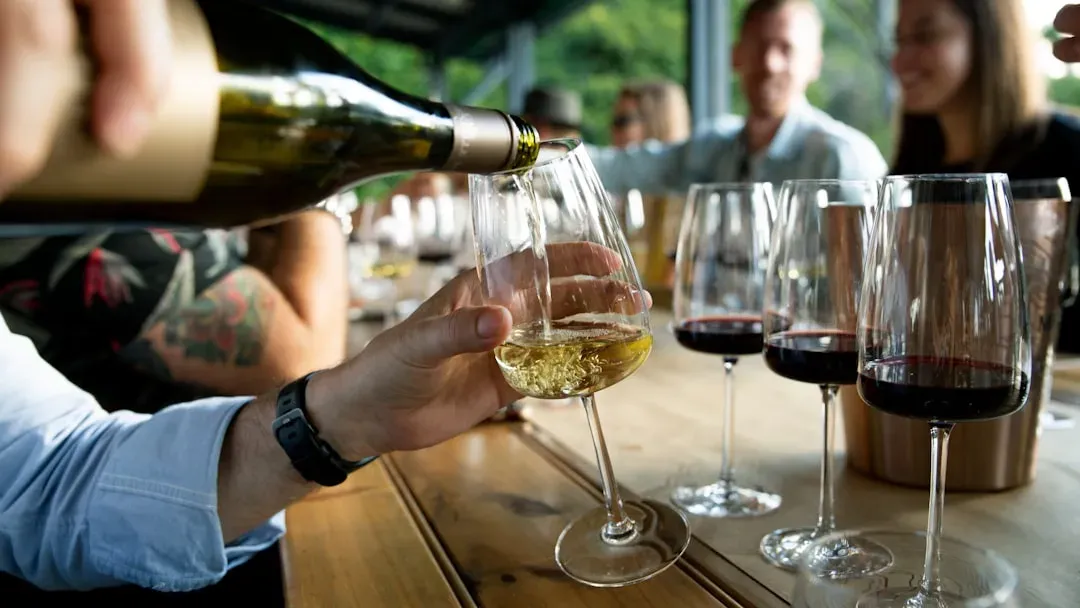
Many diners feel pressure to perform some kind of sommelier-adjacent confidence when wine arrives, swirling, sniffing, and offering authoritative commentary. It’s largely theater. While high-end wine menus might make you feel like you’re being presented with a test you forgot to study for, just remember that the whole point is to enjoy yourself, not to make the “right” ordering decision. Don’t be bashful about asking for recommendations from your server or sommelier.
There’s a good chance the sommelier tasted the wine before bringing it out to ensure it was up to standard. Sending back a bottle because it’s a bit more tart or tannic than you expected is not a power move – in fine dining contexts, it’s rude. Unless the wine is seriously corked or spoiled, consider it yours. Relaxing into honest curiosity reads far better than a rehearsed performance.
Overthinking #3: Whether to Say “Bon Appétit”
This one comes up more than you’d expect. Declaring “bon appétit!” before a meal is a habit many of us were raised with, hearing it at home as a well wish from a parent or sibling, accompanying a toast at a special event, or during a movie scene as characters were about to break bread together. Many have assumed the phrase was a great thing, universally accepted as the equivalent of saying “cheers.”
In the world of fine dining, this oft-used phrase doesn’t translate the way you might necessarily think. Traditional etiquette actually considers it slightly gauche, since in French culinary culture the phrase implies a wish for a hearty appetite rather than a refined one. Skipping it entirely is the safer call. A simple smile and raising your glass works just fine.
Overthinking #4: Whether to Ask for a Doggy Bag

Asking to take leftovers home from a fine dining restaurant is a common impulse, especially when the portions are small and the food is extraordinary. The instinct is understandable. The execution, however, lands poorly. No matter how much you enjoyed your meal and how much of it is left on your plate, asking for takeaway is considered gauche.
The food served at fine dining establishments is usually best when eaten freshly prepared, as intended. More than that, it shifts the tenor of the experience from celebratory occasion to practical errand. The meal is meant to exist entirely in that room, at that table. Let it be complete there.
Overthinking #5: Holding Your Wine Glass “Correctly”
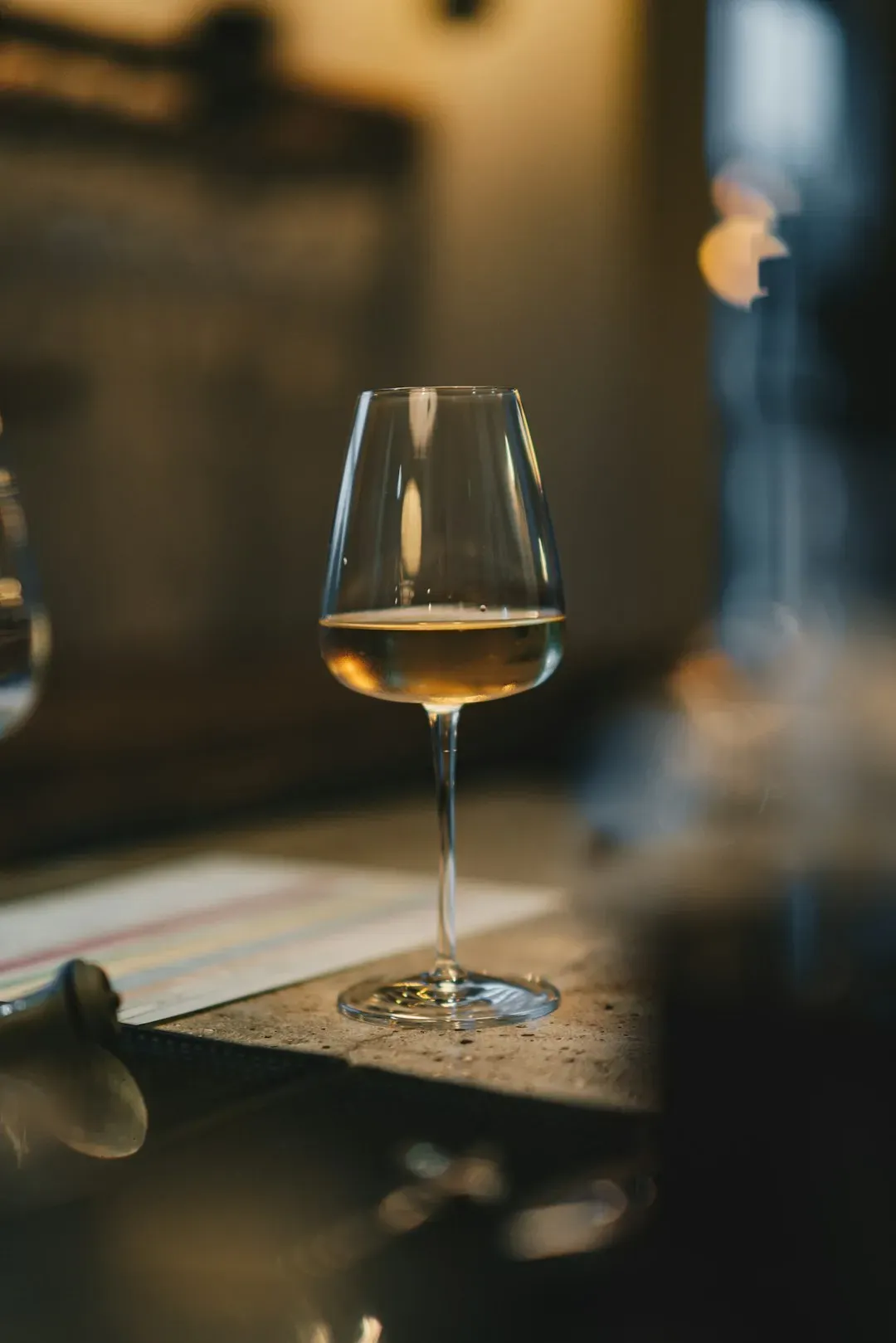
Yes, there is a technically correct way to hold a wine glass in fine dining, but the rule is easier to follow than it sounds. Fine diners should never cup the bowl of a wine glass when preparing for that first sip. The rules of fine dining dictate that wine glasses are to be held solely by the stem. The basis for this rule comes down to temperature and aesthetics. Any good sommelier will tell you that wines are meant to stay cool, so body heat from your hand makes any pressure from your palm unwelcome.
Beyond temperature, it’s also a visual thing. Fingerprints smudged across the bowl of a crystal wine glass read as careless in a setting where every detail has been deliberately arranged. Holding by the stem is a small habit that takes about thirty seconds to internalize. Once you’ve done it twice, it becomes automatic, and you’ll stop thinking about it entirely.
Overthinking #6: Whether to Leave Food on Your Plate
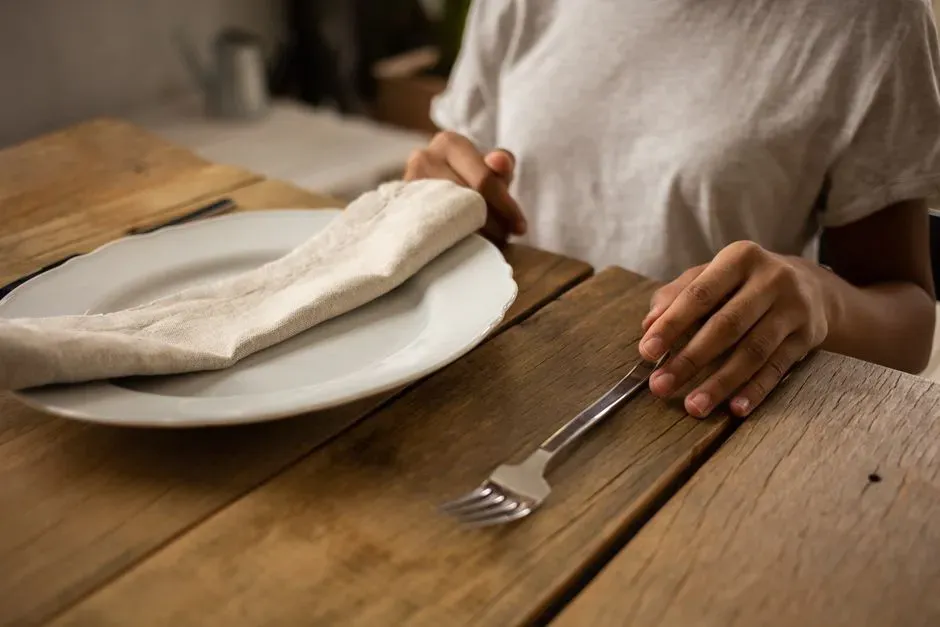
There’s an old etiquette tradition that suggests leaving a single bite on your plate signals satisfaction rather than greed. Proper manners ask that you leave a single bite on your plate no matter how desperately you want to finish. On the flip side, there’s no required eating contest forcing anyone to chow down to get to that single perfect bite. Just enjoy your meal until you’re feeling satisfied.
In practice, modern fine dining doesn’t enforce this strictly. Finishing your plate is perfectly acceptable and can even be read as a compliment to the kitchen. The underlying principle, though, is worth keeping in mind: eat at a measured pace and don’t signal desperation for more food. The courses are planned to build on each other, so arriving at dessert still comfortable is actually the goal.
Overthinking #7: Blowing on Hot Food
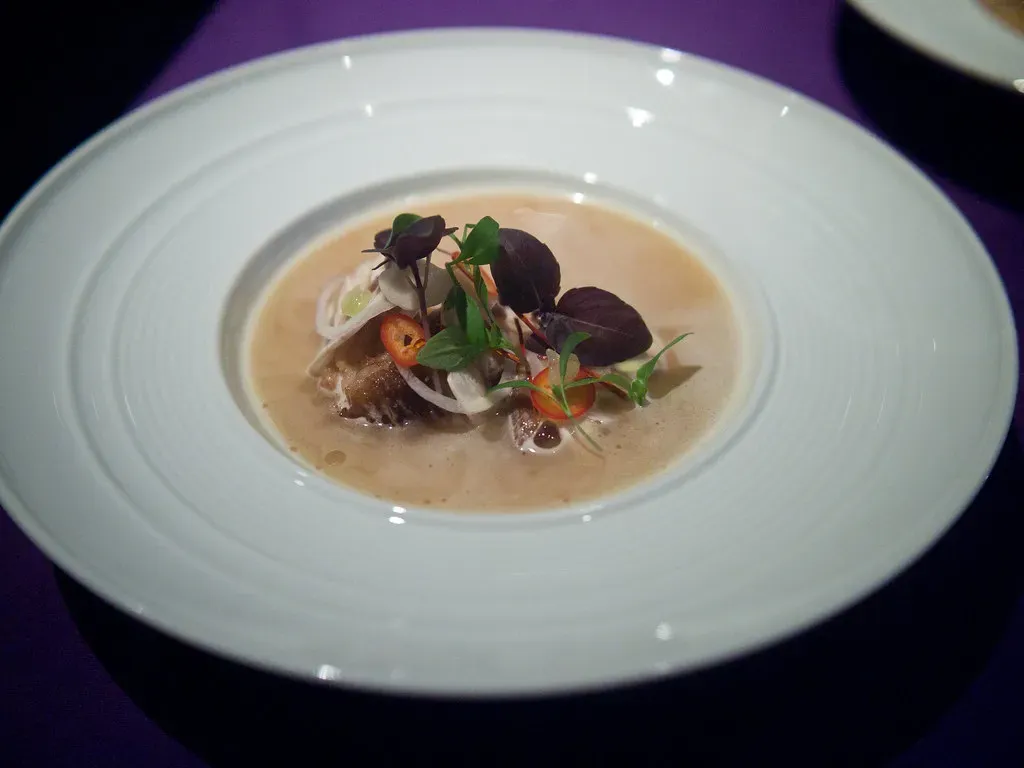
It seems so natural. The soup arrives steaming, and your instinct is to give it a quick cool-down breath. In casual dining, nobody cares. In fine dining, it’s one of those habits that draws attention in the wrong way. Blowing on food appears unrefined and subtly suggests an impatience that is anything but fine when fine dining. It’s noisy, noticeable, and draws attention to the physically functional mechanics of eating, taking away from the eliteness of the experience. When fine dining, the approach is more about savoring the extraordinary magic of the moment. Have patience, let that soup sit a second and cool on its own while you enjoy the wine, the conversation, the atmosphere.
The pacing of a fine dining meal is built-in protection against this. Courses arrive when they’re ready, which means a hot bowl of soup is meant to be approached slowly anyway. Using that time to refill your glass, continue a conversation, or simply take in the room around you is exactly what the experience is designed for.
Overthinking #8: Dress Codes
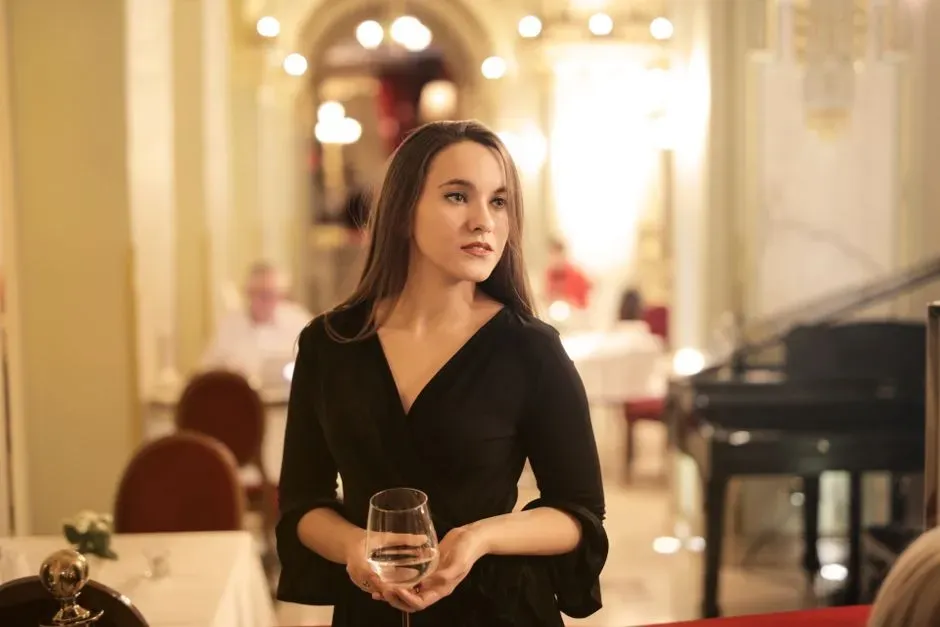
Dress codes at fine dining establishments have loosened considerably over the past decade, and the anxiety many people carry about getting it wrong often exceeds what reality requires. While dining out in casual wear has become the norm in recent years, many restaurants are increasingly returning to dress codes, partly as a reaction to diners showing up in their pandemic just-throw-on-whatever clothes, but also because restaurant owners want diners to see their meals as special events.
If you’ve been invited to a fine dining restaurant, do your homework first. Most restaurants post their dress codes on their websites, and some explicitly list items they’d prefer you not wear. A quick check before you go removes essentially all uncertainty. Smart casual is welcomed in many places that once required a tie. Showing that you made some effort is usually enough to satisfy the spirit of the rule.
What Actually Matters #1: Your Phone Stays Off the Table

This is the one rule that has arguably become more important as years pass, not less. In a fine-dining restaurant, the food and your fellow diners should be the center of your attention. While many of us habitually keep our wallets, keys, and phones on the table at casual business lunches, this is a major faux pas in a fine-dining setting.
Elaborate place settings with multiple glasses, plates, and sets of utensils don’t leave much room on the table for personal belongings. More importantly, they ruin the ambiance of a special meal. You’re there to escape from everyday concerns, not to engage with them while you eat. Silencing your phone and keeping it in your pocket or bag is one of the simplest ways to signal that you’re actually present for the experience you paid for.
What Actually Matters #2: Never Season Before You Taste

Reaching for the salt shaker the moment a plate lands in front of you is one of the genuine faux pas of fine dining, and it’s more common than most people realize. Proper fine-dining etiquette suggests that you taste your dish first before seasoning it as you see fit. Not only is it impossible to know how much salt may already be present in a dish, it’s also commonly presumed that each course comes from the kitchen ready to eat, not still needing finessing.
Never season your meal before you taste it. It shows great disrespect for the chef. It also shows that you are impulsive and that you can’t wait to see how it tastes first. The chef spent considerable time calibrating the seasoning of each dish. Tasting first respects that work, and more practically, it means you won’t over-salt something that was already perfectly balanced.
What Actually Matters #3: Your Napkin, Used Properly
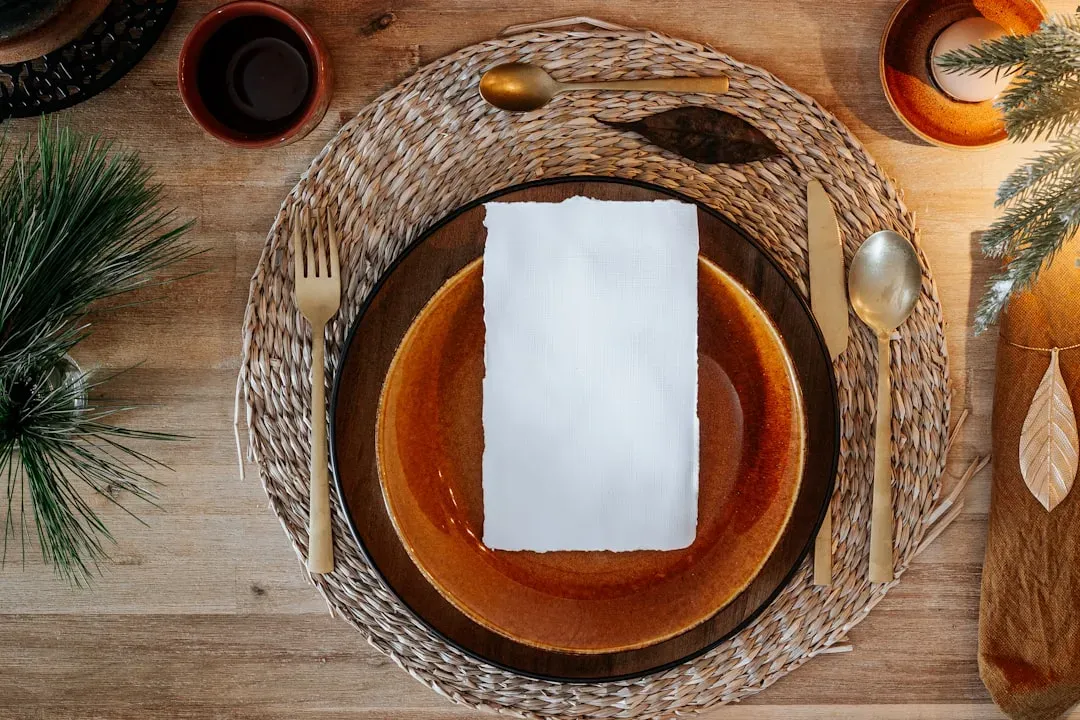
Napkin etiquette sounds like the kind of rule that belongs in an old etiquette manual nobody reads anymore. In practice, it’s one of the genuinely functional signals you send throughout a fine dining meal. At a sit-down fine dining meal, guests are expected to put their napkins on their laps as soon as they’re seated. The napkin should be unfolded in a single fluid motion, then folded neatly in half and placed on your lap with the crease facing you.
During the meal, use the napkin discreetly to gently dab, not wipe, any spills or drips. If you must leave the table, gently fold your napkin and leave it by the left side of your plate. That last detail matters more than most people know: a napkin left on the chair signals you’ll return, while one placed beside the plate signals the meal is over. It’s a quiet language the staff reads constantly throughout the evening.
What Actually Matters #4: How You Communicate with the Cutlery
Most diners don’t realize their cutlery is sending messages to the waitstaff throughout the entire meal. This silent system keeps service flowing without interruption, and ignoring it means servers may clear your plate before you’re finished or miss the moment you want to move on. Your cutlery serves as a sort of silent code to servers so they can tell whether you’re ready to have your dishes cleared away or whether you’re still eating. If you put your knife and fork down momentarily or because you have to leave the table, place them crossed or pointing together in a V shape to signify that you are not done.
Once you finish a meal, you can leave the pieces you used on top of your plate to signal that they can be cleared. Specifically, the convention is to place your knife and fork together pointing toward the eleven o’clock position on your plate. It’s a small detail, but it prevents that uncomfortable back-and-forth where a server hovers uncertainly and you have to verbally wave them off. Etiquette isn’t about rigid rules or impressing others. It’s about creating an atmosphere of ease for yourself, your fellow diners, and the restaurant staff. The cutlery code is a perfect example of that principle in action.
Fine dining is far more forgiving than its reputation suggests. Most first-time diners who worry about embarrassing themselves discover that a relaxed, attentive presence carries them through nearly any situation. The staff at these restaurants are professionals who have seen everything, and their job is genuinely to guide you toward a good experience. Knowing which rules actually carry weight and which ones are just inherited tradition gives you something more valuable than a checklist: it gives you the confidence to actually enjoy the meal.



Leave a Reply