
Vinyl Records And The Return Of Physical Music
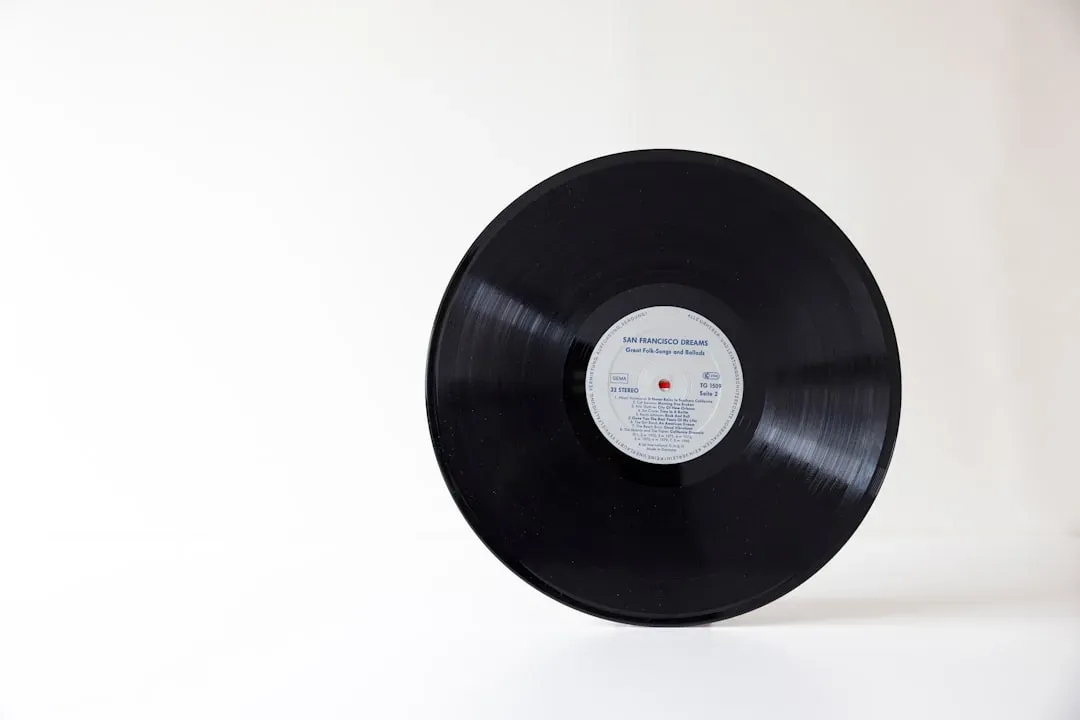
Vinyl was supposed to be a museum piece by now, yet it keeps climbing. Vinyl purchases in the U.S. reached 1.04 billion dollars in 2025, and sales grew for the 19th consecutive year. A large share of that growth has nothing to do with people who remember buying records the first time around.
Gen Z is playing an outsized role in the revival of vinyl sales, and about 60% of Gen Z say they buy records. The catch is that plenty of them are not spinning what they buy. Around 40% of record buyers in the U.S. don’t own a turntable, and a majority of Gen Z fans say they like vinyl for its aesthetic, using it as home decor. It turns out owning the object matters almost as much as playing it.
Cash Stuffing And The Return Of Envelope Budgeting

Grandparents who divided their paycheck into envelopes for rent, groceries and gas would recognize this one instantly. It disappeared for a generation once direct deposit and debit cards took over, then resurfaced under a new name. Commonly referred to as cash stuffing, this trend has gone viral on TikTok and Instagram, where users film themselves re-stuffing aesthetic budgeting binders and sharing their progress with online audiences.
The appeal seems to be less about nostalgia and more about friction. A growing number of Americans, particularly younger generations like Gen Z and Millennials, are embracing this tactile, visual method of money management in response to growing economic anxiety and digital overload. This immediate feedback loop is missing from credit card usage, where the pain of paying is delayed until the monthly statement arrives. Handing over a physical bill stings in a way a tap never does, and that sting turns out to be useful.
Thrift Shopping And The New Secondhand Economy
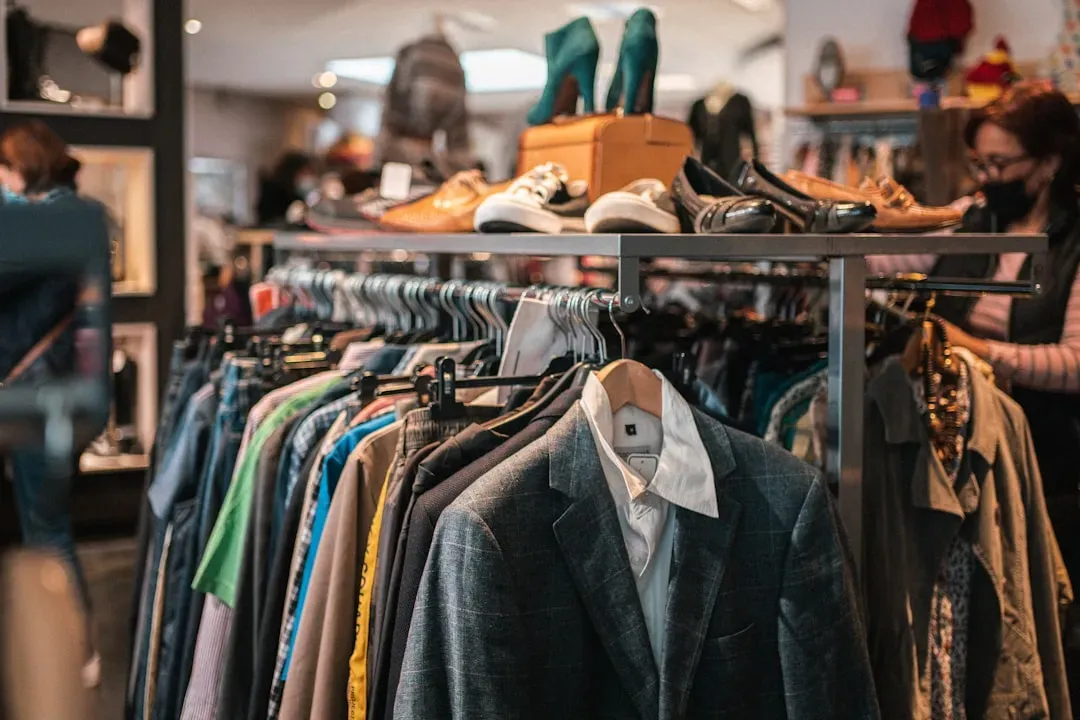
Secondhand shopping used to carry a stigma that boomers grew up with and mostly outgrew as soon as they could afford new things. Gen Z seems to have skipped the embarrassment entirely. ThredUp’s report found that 62% of Gen Z shopped secondhand last year. Secondhand apparel in the U.S. has grown into an approximately 56 billion dollar market, roughly doubling from 2020 to 2025.
What’s changed is the framing. One outdoor retailer noted thrifting isn’t icky anymore, explaining that it once carried negative connotations connected with poverty in the past. For a generation raised on climate anxiety and viral haul videos, digging through racks at a thrift store has become something closer to entertainment than a last resort.
Backyard Gardening And Home Canning
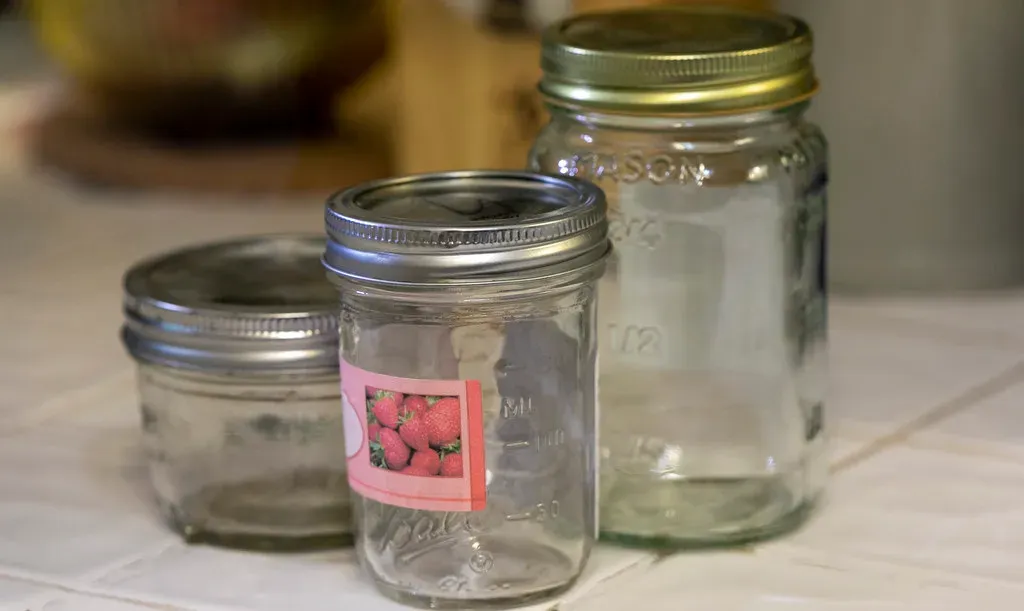
Growing your own vegetables and putting up jars of tomatoes for winter used to be something older relatives did out of habit, or memory of leaner times. It’s an odd thing to see show up again among city dwelling twenty somethings with no farmland in sight. Gen Z, at 65.4%, and Gen Y, at 47%, were the top two segments reporting the greatest increases in additional time spent gardening in 2024.
Much of it plays out first online rather than in a backyard. Food preservation methods such as canning, fermenting and pickling are demonstrated on TikTok, allowing people to extend the life of seasonal produce. Apartment dwellers without a plot of land have adapted the idea rather than abandoned it, learning how to preserve vegetables bought on sale at the supermarket in their apartments or city homes. It’s homesteading scaled down to whatever space is actually available.
Flip Phones And The Dumbphone Movement
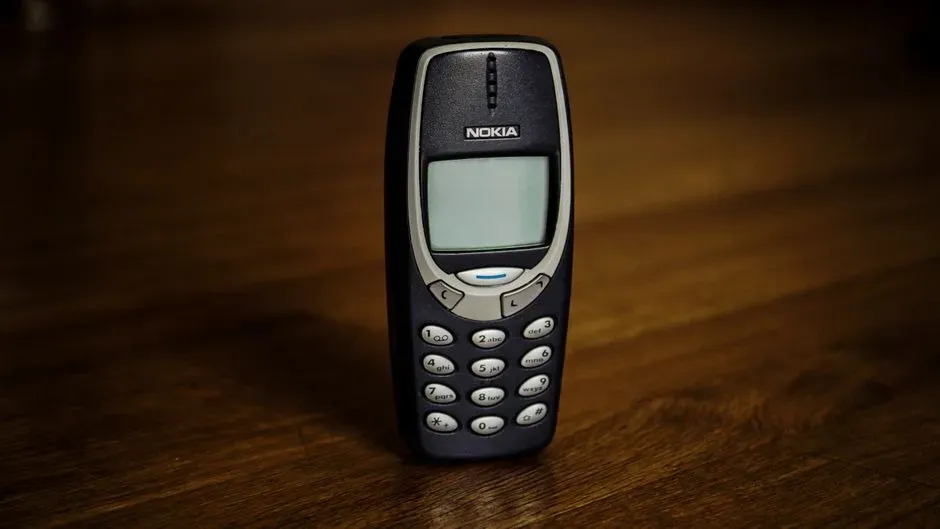
There was a time when a flip phone was simply what you had before something better came along. Now it’s a deliberate choice, and often an expensive one. From 2021 to 2024, brick phone purchases among 18 to 24 year olds surged 148%, while smartphone use in the same age group dropped by 12%.
The motivation tends to be less about style and more about relief. One Utah teacher who made the switch described feeling like she was seeing life in color again after ditching her smartphone. Research backs up the instinct behind it: a 2025 trial found that blocking mobile internet access while still allowing calls and texts improved mental health, attention and overall well-being, with 91% of participants seeing improvement after two weeks.
Landline Mode And The Rise Of Ping Minimalism
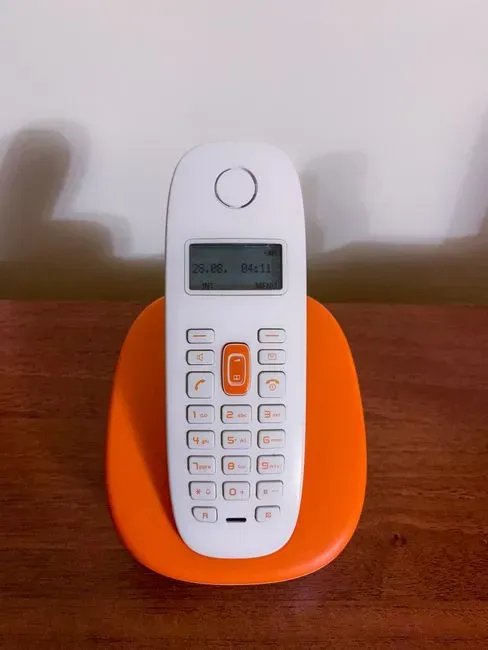
Even Gen Zers who won’t fully give up their smartphone have found a workaround that echoes an even older habit, the corded phone bolted to a kitchen wall. Bluetooth accessories now let a smartphone make and receive calls without a screen in front of the user at all. The landline uses Bluetooth so that you can make calls via your smartphone, without the distractions of having a screen in front of you.
The trend has picked up a name of its own. The concept has been dubbed ping minimalism, and it fits a broader pattern search data has already picked up on. In January, Google Trends reported that searches for analog bag were at an all time high, and cell phone accessories for going analog was a breakout search. One creator put it more bluntly, saying having a landline had healed her inner child.
Knitting, Crochet And Slow Handcrafts
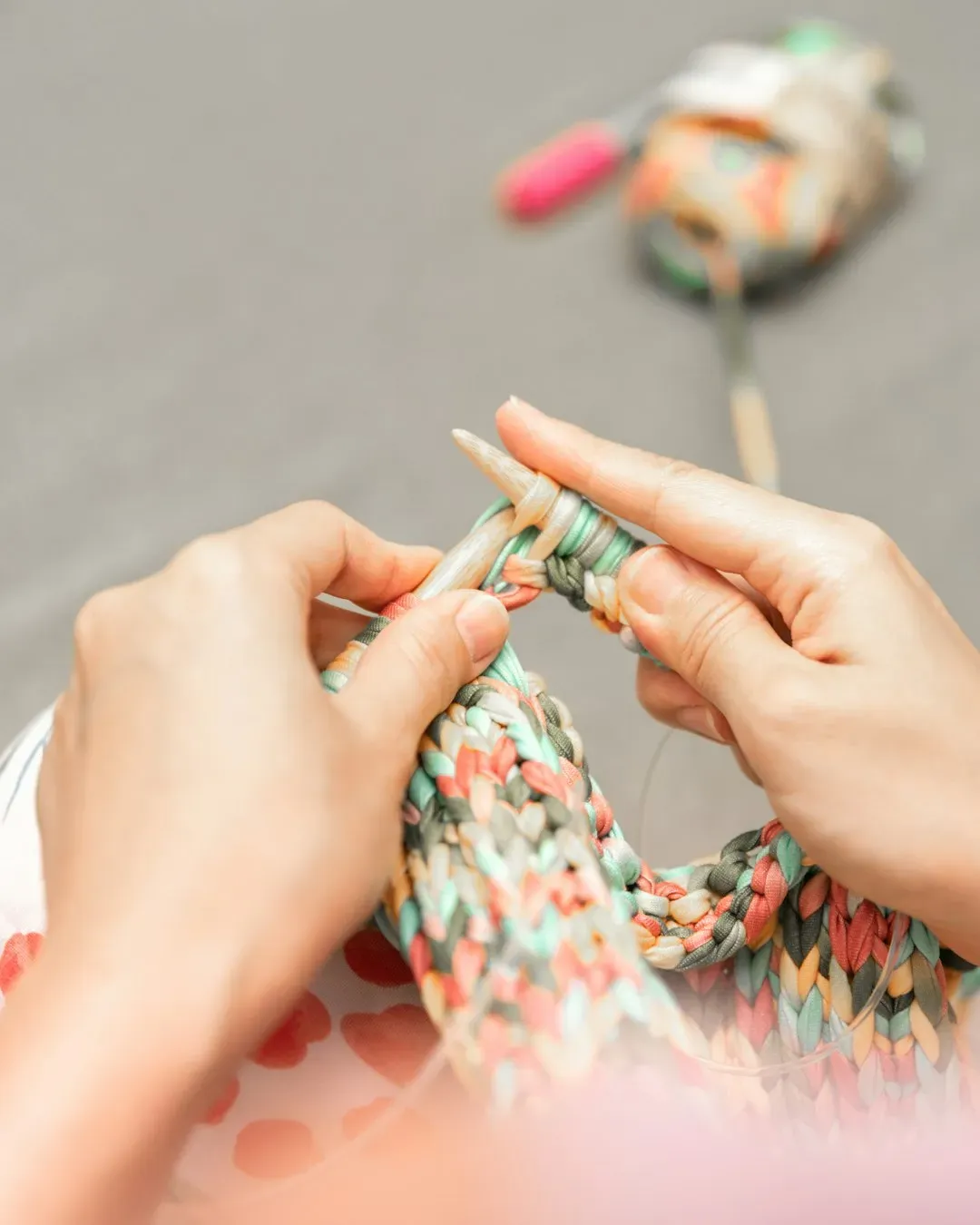
Yarn crafts sat squarely in grandmother territory for decades, tucked into the same mental category as bingo nights and church knitting circles. That association has faded fast. Social platforms are full of young people posting finished sweaters, granny square blankets and hand knit scarves, treating the process itself as the point rather than just the finished product.
Part of the pull is practical. A craft with a visible, physical result offers something screen based hobbies rarely deliver, a tangible object you made with your own hands over hours of repetitive, calming work. It’s slow by design, which may be exactly why a generation surrounded by instant everything finds it appealing.
Cooking And Baking From Scratch
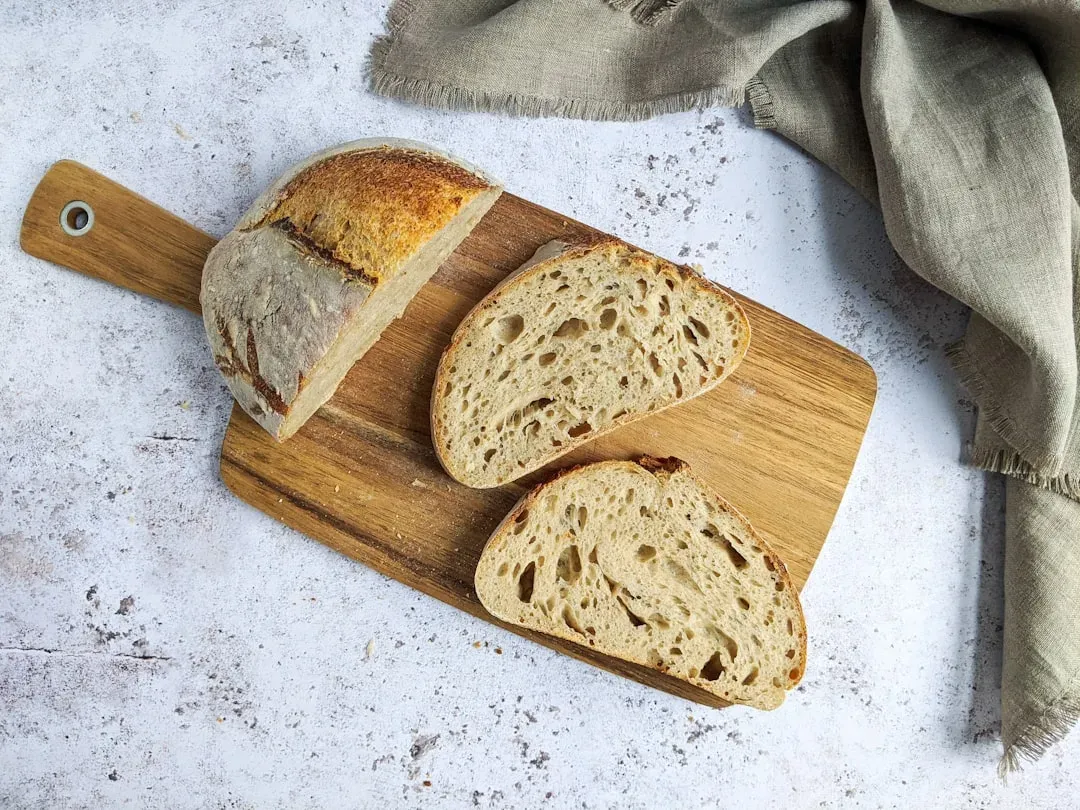
Scratch cooking, the kind that starts with flour and yeast rather than a box mix, was standard practice for a generation that didn’t have the option of ordering dinner from an app. It nearly vanished as convenience food and delivery services took over kitchens. Now it’s reappearing in a different form, filmed for an audience rather than done quietly for a family.
Dutch oven sales have gained new popularity as Gen Z explores healthy and hearty recipes like homemade bread, stews and detox soup. Sourdough starters, slow braises and homemade pasta show up constantly across social feeds, framed less as chores and more as a form of unwinding. The appeal seems to sit somewhere between cost savings, curiosity about where food actually comes from, and the simple satisfaction of making something from nothing.
Handwritten Letters And Analog Journaling
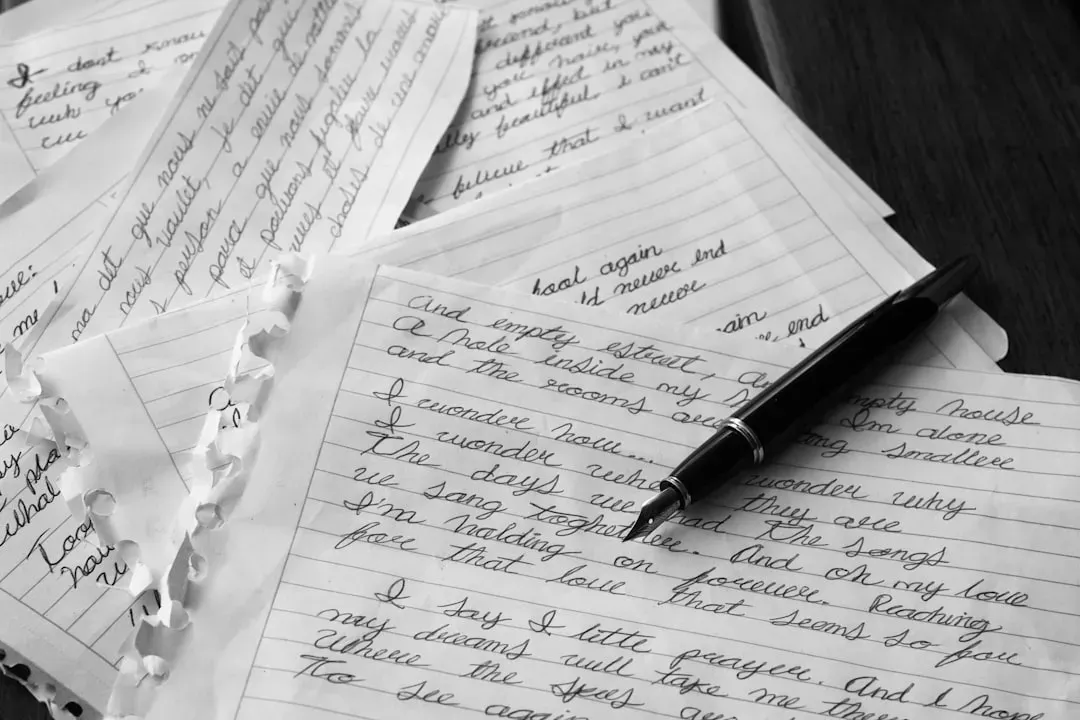
Writing something out by hand, whether a letter, a journal entry or a to do list on paper, was simply how things got done before typing took over everything. It’s resurfacing now as a counterweight to constant screen time rather than a necessity. Bullet journals, snail mail pen pal exchanges and paper planners have found a genuine audience among people who grew up with none of those tools as their default.
The logic tracks with everything else on this list. A pen and paper create friction that a notes app does not, forcing a slower pace and a bit more intention. For a generation that spends much of its day swiping and scrolling, that friction seems to be the whole appeal rather than an inconvenience to route around.
Taken together, these habits don’t add up to nostalgia so much as a quiet correction. Gen Z isn’t trying to relive their grandparents’ era, since most of them never experienced it the first time around. What they seem to be doing is picking through old, slower ways of living and keeping the pieces that push back against a world engineered for speed.



Leave a Reply