
Cooking at home is supposed to be the thrifty choice. For plenty of weeknight staples, it is. Yet the grocery receipt can tell a different story once you count every jar, bottle and bag it takes to pull off a particular dish.
The gap tends to show up with meals built on specialty ingredients, long cooking times or equipment most kitchens don’t have. Restaurants buy in volume and cook in batches, and that changes the math. Here are six dishes where that advantage often shows up on the bill.
Pho
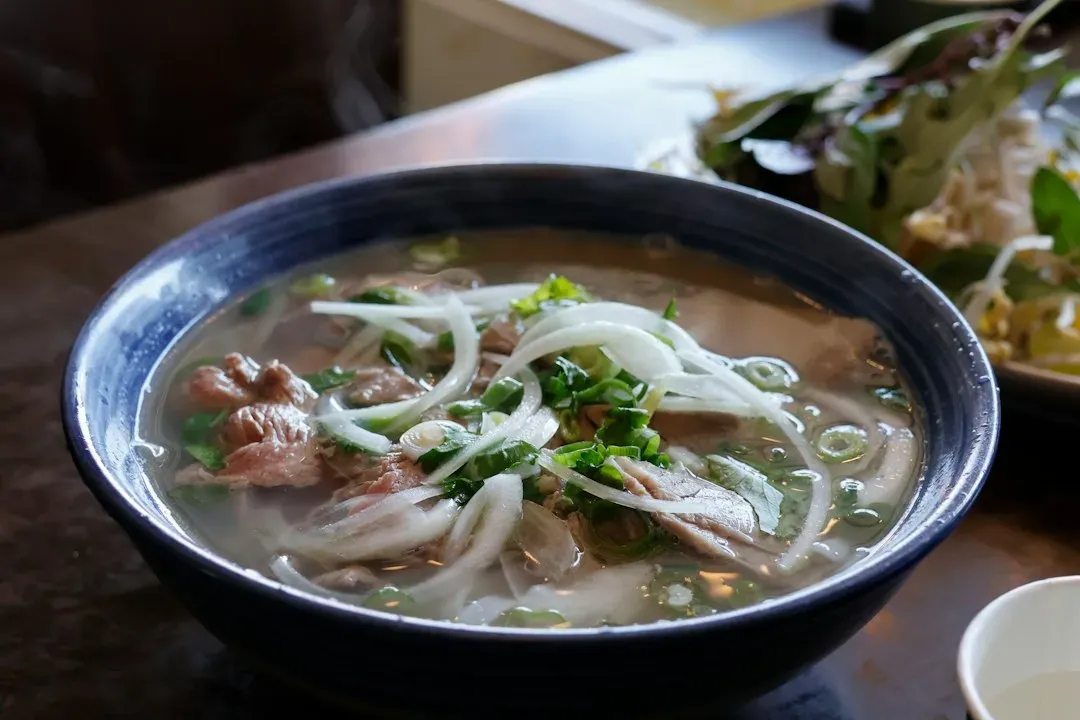
A good bowl of pho depends on a broth that simmers for hours, plus a shelf of supporting ingredients. Buying bones, spices and herbs separately often exceeds the cost of a restaurant bowl. Star anise, fish sauce and proper rice noodles rarely get used up in a single batch.
The restaurant side has a structural edge. Pho shops run large stockpots continuously, which lowers the per bowl cost in a way home kitchens can’t match. One source puts the raw ingredients for a homemade bowl at a few dollars, but that figure ignores the shopping trip and roughly twelve hours of simmering, so it understates the real effort.
Indian Curry
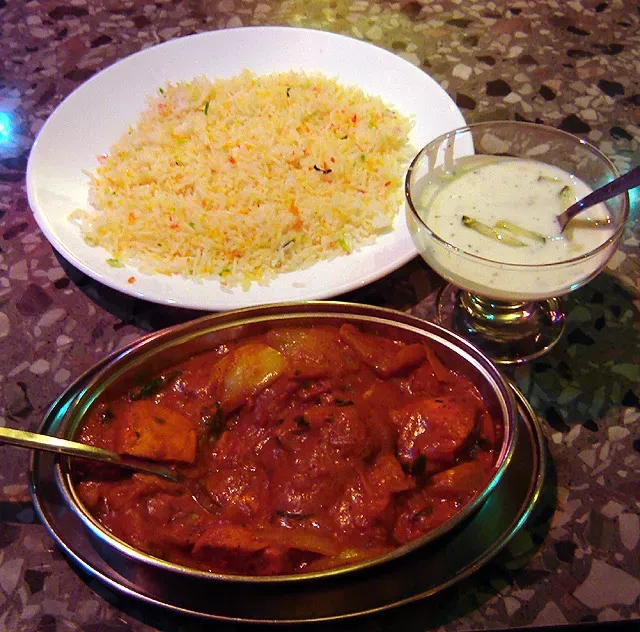
On a menu, curry looks simple. At home, it can mean a pantry’s worth of spices that most cooks don’t keep on hand. Restaurant curries typically run between twelve and sixteen dollars for a generous portion.
One home cook reported that a homemade version cost nearly forty dollars after buying cardamom pods, fenugreek seeds and asafoetida. That’s a single anecdote, not a rule, and the spices do last for future meals. Still, for an occasional craving, professional kitchens use these spices daily, so volume and turnover justify their cost in a way home cooks can’t match.
Ramen
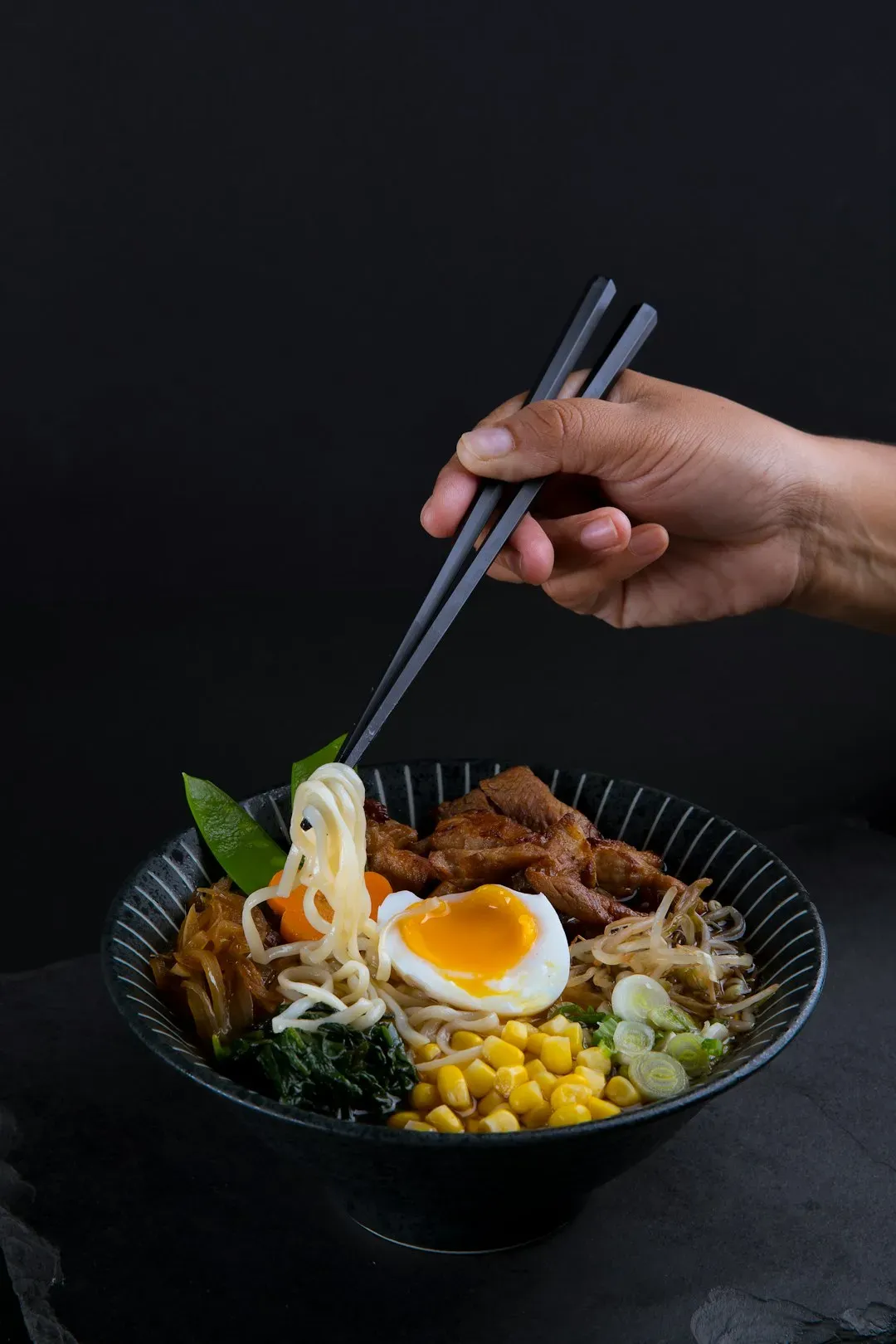
A proper ramen bowl is really four projects at once: broth, noodles, a seasoned egg and toppings. Restaurant pricing is fairly predictable, with a full bowl typically running ten to fifteen dollars, while building it at home can cost fifteen to twenty dollars or more.
That estimate comes from a lifestyle site, so treat it as a ballpark rather than a measured average. Instant noodles with a few add ins will obviously cost far less. The comparison only holds when you’re aiming for something close to a shop quality bowl.
Dumplings and Dim Sum
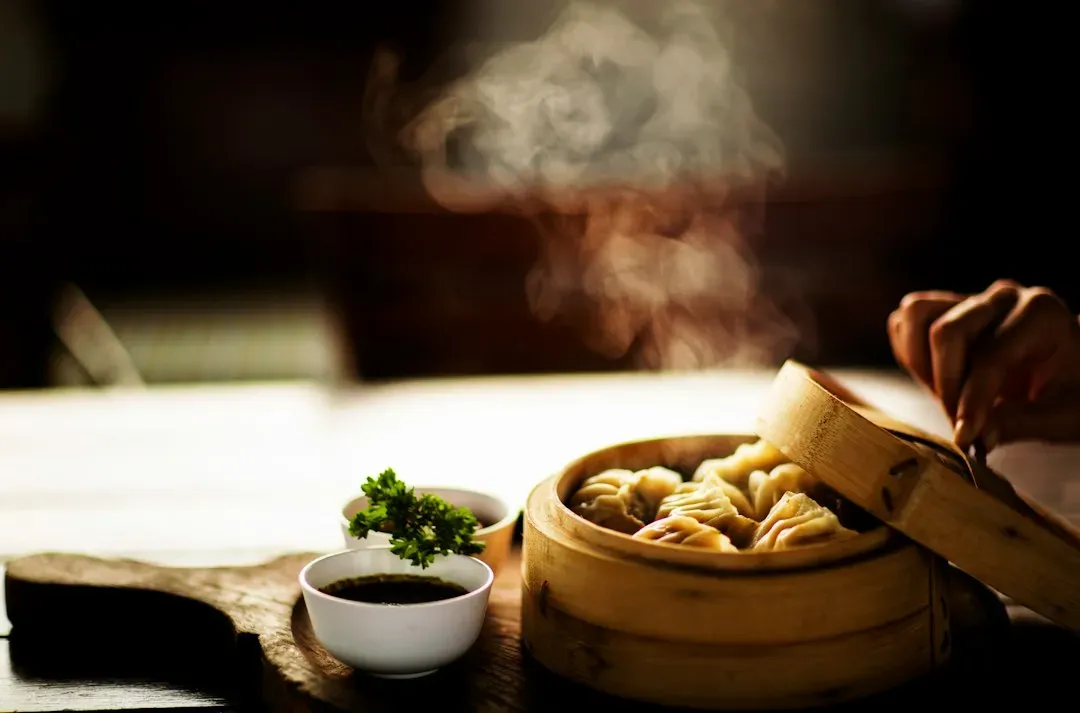
Dumplings reward practice and punish impatience. Folding dozens of them by hand takes a long evening, and the wrappers, fillings and dipping sauces add up. Restaurants produce dumplings at scale, which makes a plate cheaper than the time and ingredients needed to make them at home.
Prices at many spots stay modest. Most dim sum restaurants charge between six and nine dollars for an order of eight dumplings. If you value your time at all, that is hard to beat.
Fish and Chips
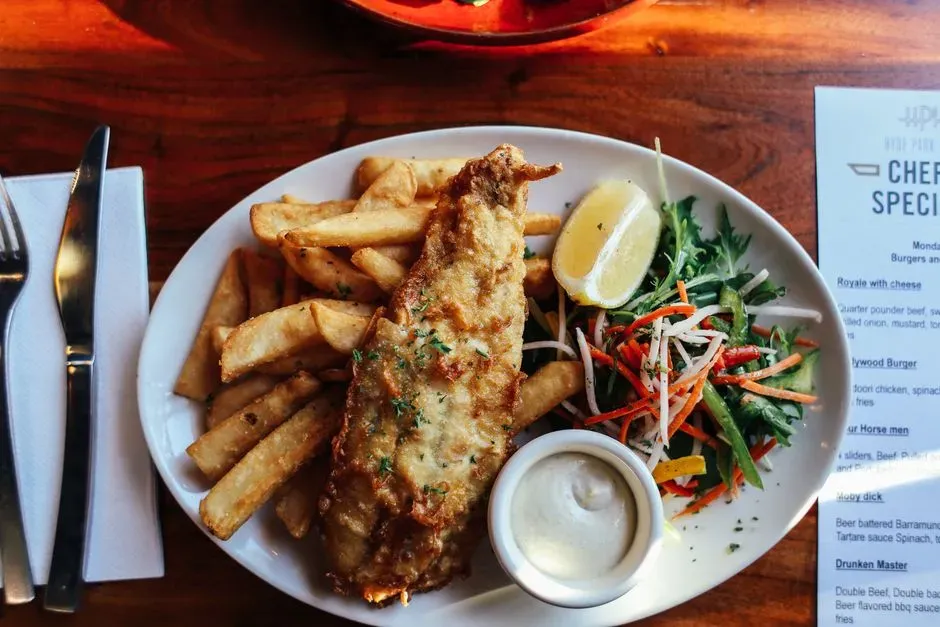
This dish seems like a pub staple anyone could manage. Then you list what’s involved. You need fresh fish, batter ingredients, potatoes, oil for frying, and a tartar sauce.
Frying also brings its own cost, since a pot of oil is a lot to buy for one meal. A single fish and chips meal is often less expensive than buying fresh fillets and frying them at home. A shop that fries all day spreads that oil and fish cost across many plates.
Fried Chicken
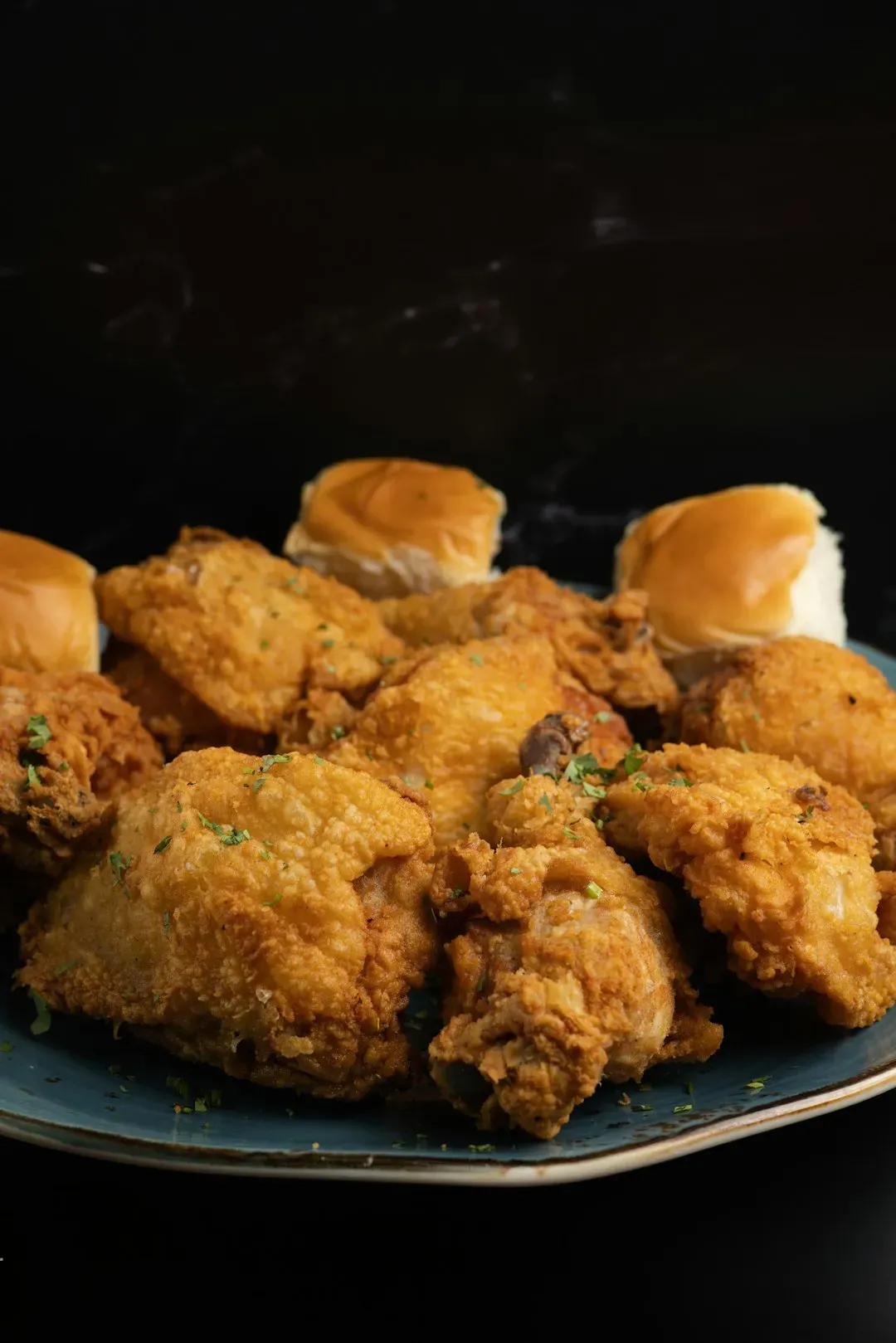
Fried chicken has a reputation as a cheap comfort meal, but the home version quietly stacks up costs. Quality chicken, flour, buttermilk, spices and the oil needed for deep frying make homemade fried chicken rarely worth it financially.
A bucket from a chicken joint changes the equation. It’s often cheaper per piece, and you avoid the oil splatters and hours in the kitchen. Feeding a group makes the difference even clearer, since the restaurant’s fryers are already running.

Leave a Reply