
Most of us have pulled a container from the fridge with the best of intentions, only to end up eating something that barely resembles last night’s dinner. The texture is off, the flavor is flat, or it smells like something went quietly wrong overnight. Reheating food is one of those things that seems like it should always work, yet the results are wildly inconsistent depending on what you’re warming up.
The reason comes down to chemistry. Your food is in a constant state of chemical change, and the reactions that cook your food do not stop after the pot comes off the heat. Some of those ongoing reactions improve a dish with time. Others slowly destroy it. Knowing which category your leftovers fall into can save you from a genuinely unpleasant lunch.
French Fries: Soggy, Starchy, and Past Their Peak
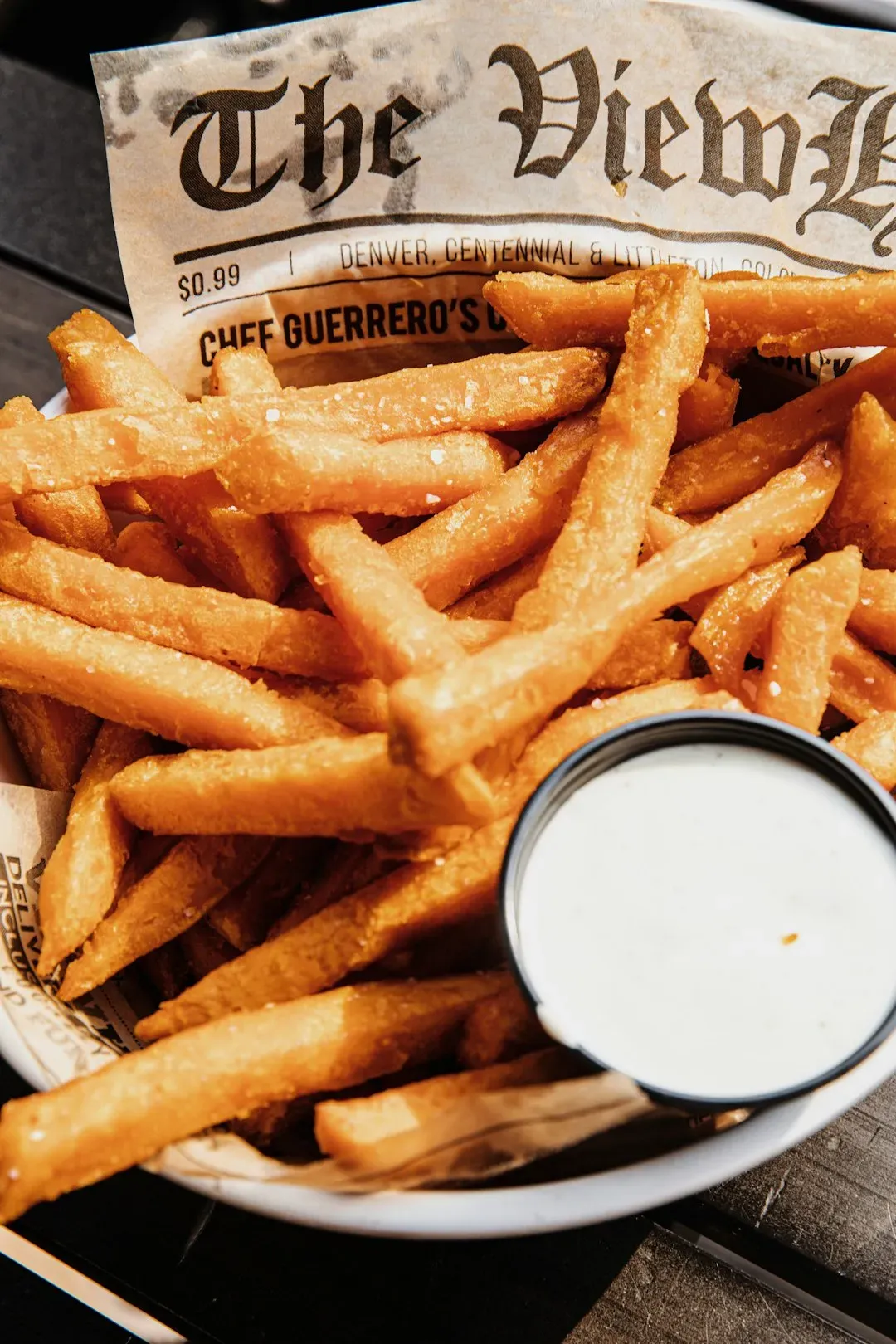
Unlike most other foods that can be reheated or even enjoyed cold, French fries do not keep well as leftovers. One of the obvious causes of their bland reheated taste is simply that they’re no longer fresh from the fryer. The magic of a good fry is almost entirely about that brief window right after it leaves hot oil.
One of the main reasons fries lose their appeal is that their texture changes as they cool. Potatoes are filled with starch, and those starches taste good when they are “hydrated.” The problem with reheating French fries isn’t really about heat at all – it’s about moisture. Once the crisp shell softens and the interior dries out, no amount of microwave time brings them back.
Fried Fish: Rubbery, Fishy, and Unforgiving
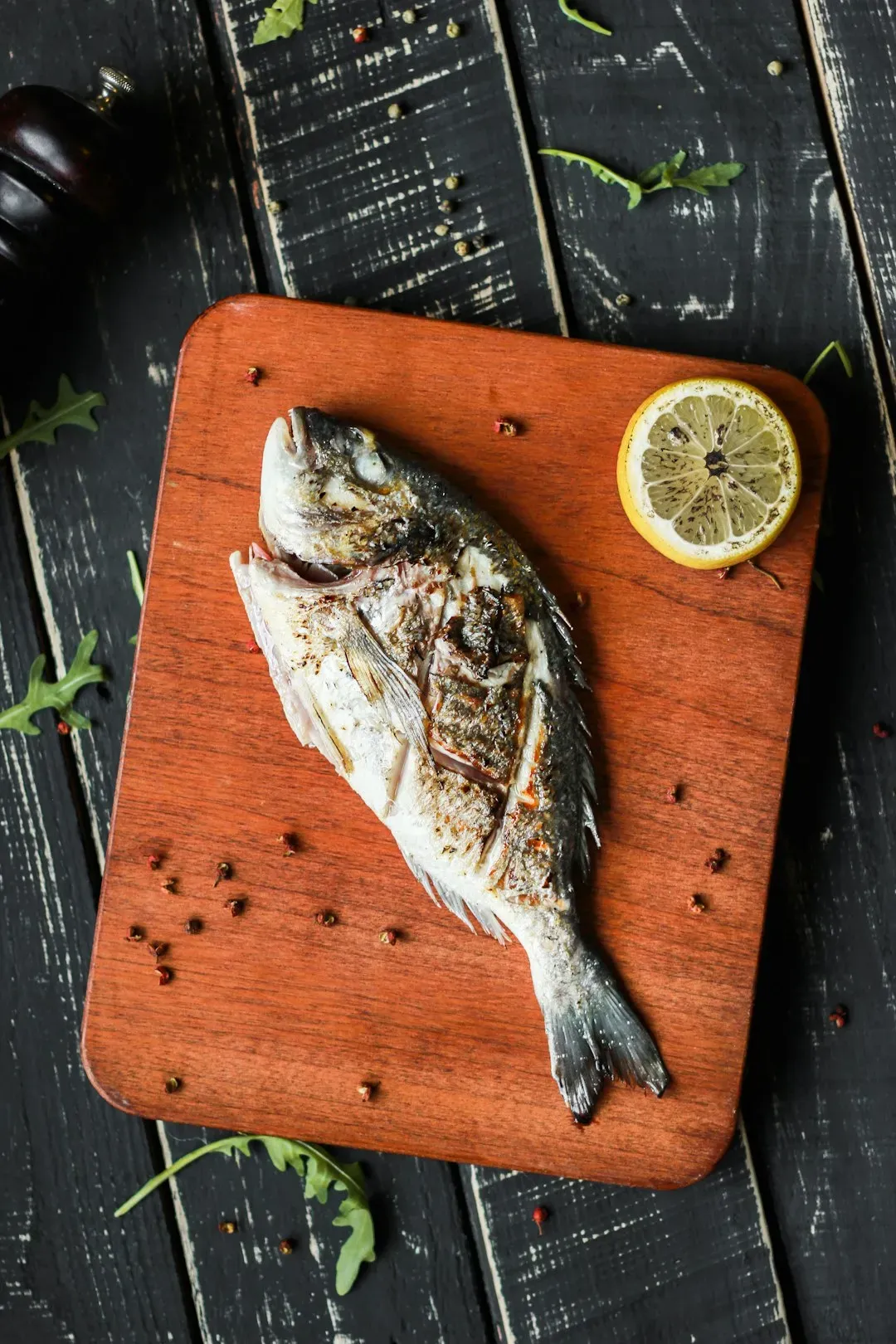
Fish is one of the more polarizing items in the leftover debate, and not in a good way. One particularly notorious reaction known as the “warmed-over flavor” produces an unpleasant taste when reheated meats and fish are exposed to heat again. This phenomenon tends to occur with fattier cuts because it’s tied to the oxidation of fat, and the resulting flavor is noticeably different from when the dish was freshly cooked.
With fish, that oxidized fat flavor lands especially hard because the base flavor of seafood is already delicate. Shrimp may become rubbery when reheated, and the muscle fibers in proteins will seize up, causing them to toughen significantly. The smell alone is usually enough to confirm that reheated fish is a different experience from fresh – and rarely a better one.
Scrambled Eggs: Rubbery and Chemically Changed
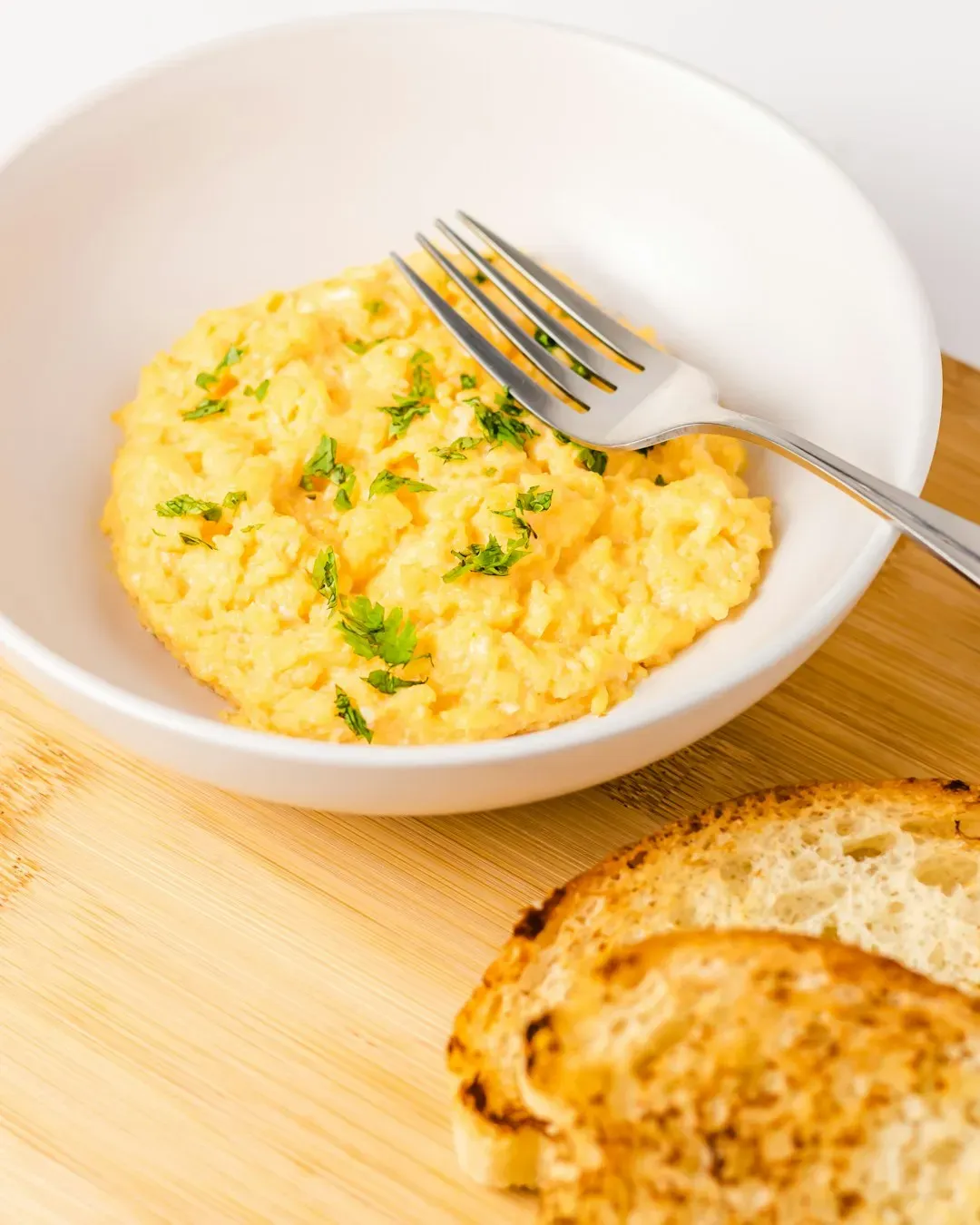
Eggs are one of those foods that really only have one good moment: right after they’re cooked. Special care should be taken with eggs when reheating, because in addition to becoming rubbery, the nitrogen in them can begin to oxidize if reheated repeatedly. That rubbery texture isn’t just unpleasant – it’s a sign of genuine structural change in the protein.
When eggs cook, their proteins denature and set. Applying heat a second time pushes that process further, squeezing out moisture and making the texture increasingly tight and dry. Scrambled eggs that were silky and soft the first time become dense and chewy the second, with a faint sulfurous note that’s hard to ignore. Some foods just aren’t built for a second life.
Pasta with Sauce: Mushy, Dry, and Absorbed Into Itself
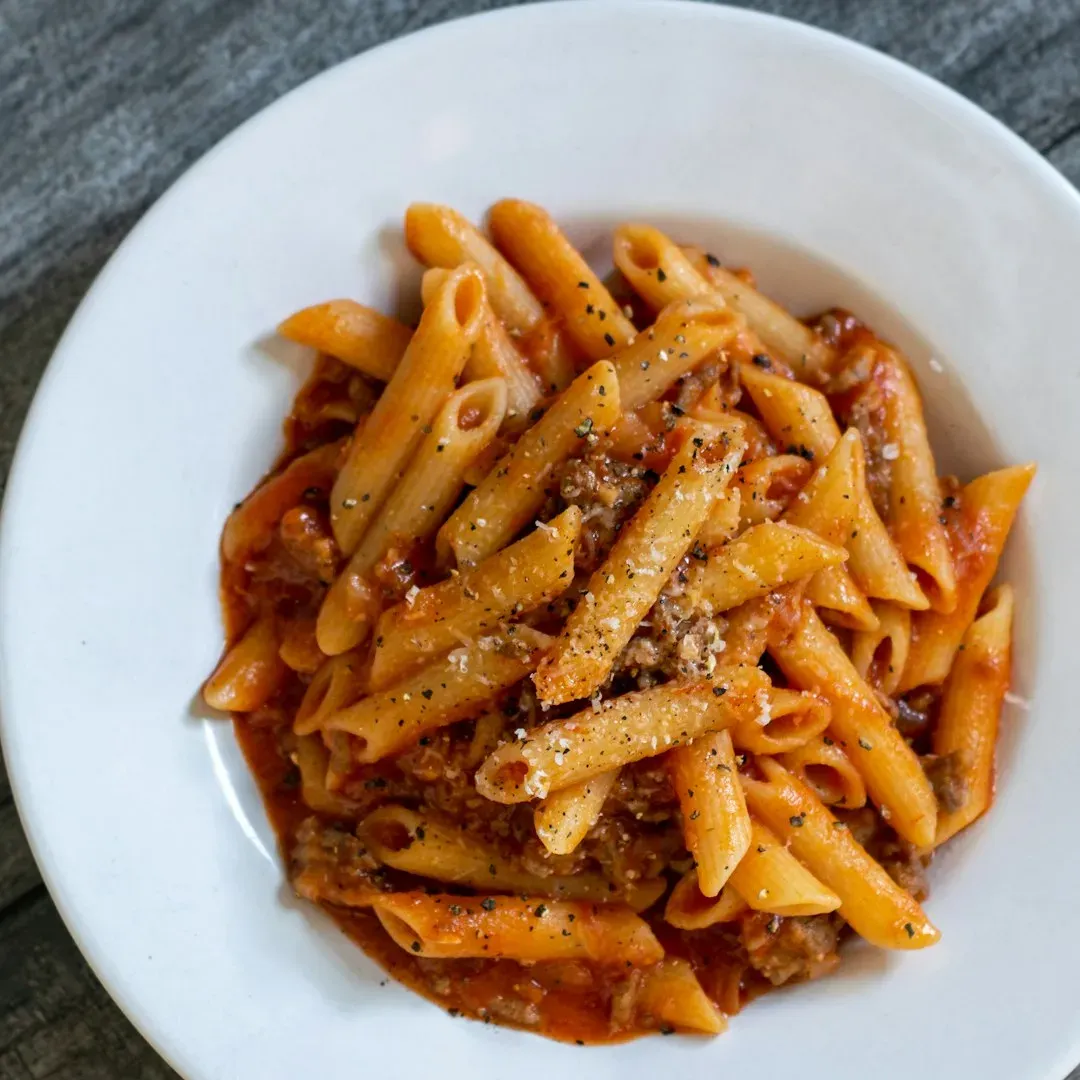
Pasta continues absorbing sauce liquid after cooking. Fresh pasta with sauce has distinct pasta and sauce components, but refrigerated pasta absorbs sauce moisture, becoming mushy while the sauce becomes dry and separated. The pasta’s starch structure changes as it absorbs liquid, creating a different texture that reheating doesn’t fix.
The result is something that looks like the original dish but eats very differently. The pasta loses its bite, the sauce loses its body, and what was once a well-balanced plate collapses into a clumped, starchy mass. Adding a splash of water before reheating helps somewhat, but it doesn’t fully reverse what happened overnight in the fridge. Some pasta dishes are better eaten all at once.
Leafy Salads and Dressed Vegetables: Wilted and Waterlogged
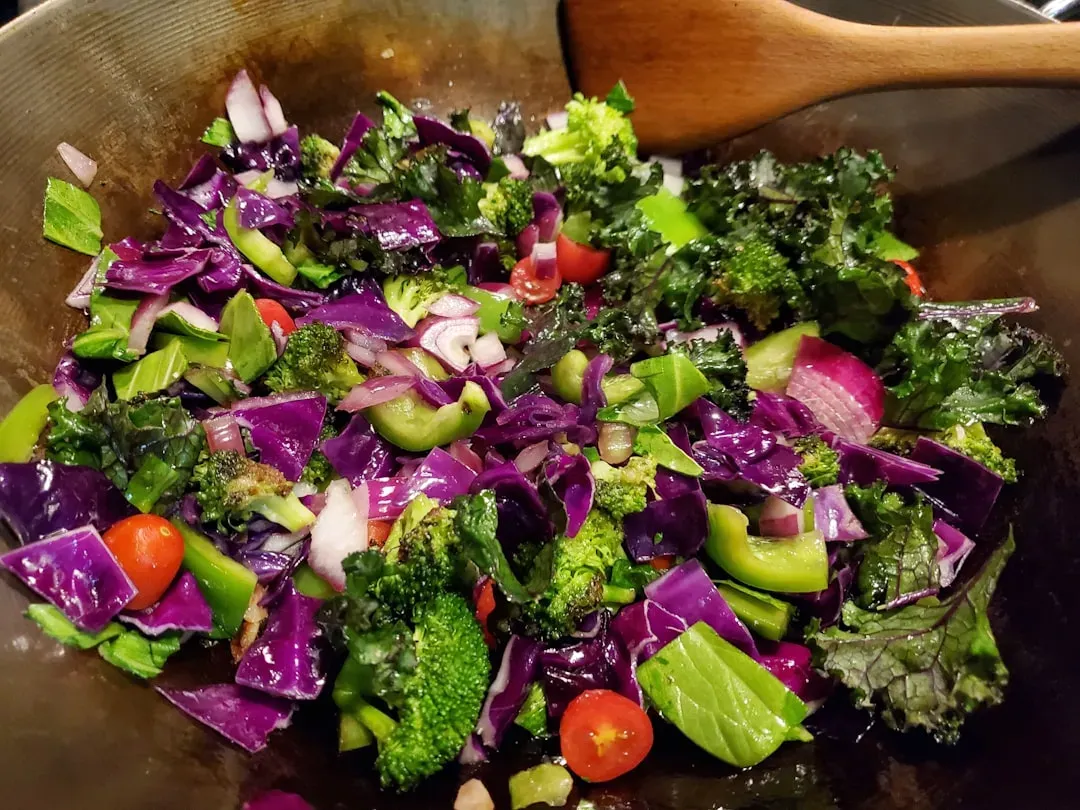
Lettuce and fresh vegetables in mixed dishes release water that makes everything else soggy. Salads with dressing, sandwiches with tomatoes, and wraps with fresh vegetables all deteriorate as vegetables release moisture into surrounding components during storage. This one is less about reheating specifically and more about the fact that these foods begin degrading the moment they’re dressed.
Zucchini and squash have high water content, and dishes that use them tend to get soggy as leftovers. Cut fruits and vegetables will start to oxidize, giving them an unappealing appearance and texture. Likewise, salads with dressing will become limp and unappetizing. Reheating a wilted salad doesn’t revive it – it just makes it warm and sad.
Reheated Chicken: The “Warmed-Over” Problem
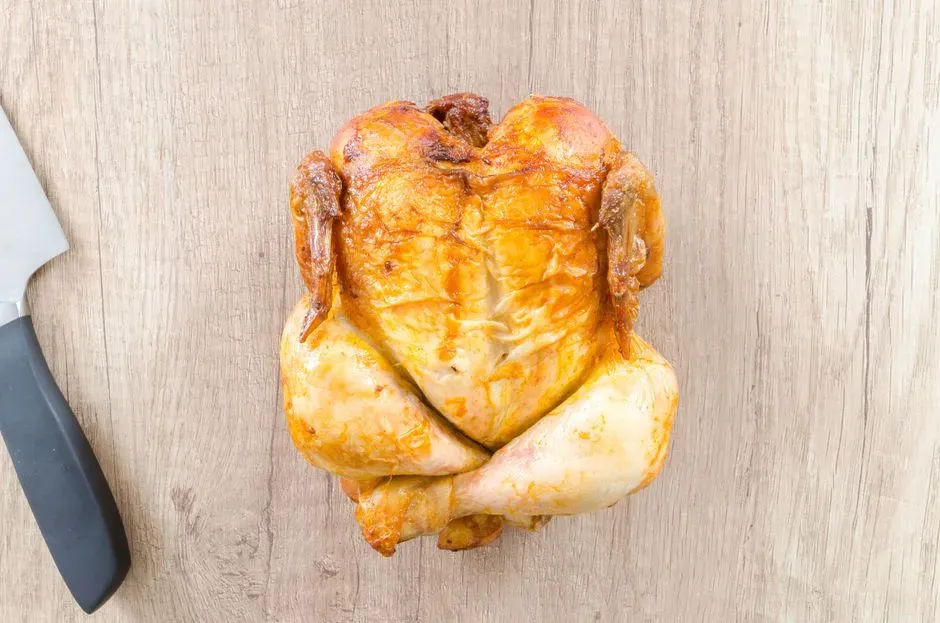
Chicken is tricky. It’s one of the most commonly reheated proteins, yet it’s also one of the most susceptible to what food scientists call warmed-over flavor. One particularly notorious oxidation reaction produces an unpleasant taste that some people encounter when eating reheated meats like pork or chicken. It’s a cardboard-adjacent, slightly stale quality that’s hard to describe but immediately recognizable.
When you cook meat, twisted proteins unravel, and during this process the proteins are more open to chemical reactions that cause breakdown. The process also causes the proteins to release iron, which then goes around breaking down other nutrients in the food. When lipids interact with the released iron, the taste turns cardboard-y. Antioxidants can help counter this – many herbs like rosemary and thyme, commonly used with chicken, contain compounds that work against that oxidation reaction.
Curry: Spices Bloom, Flavor Deepens
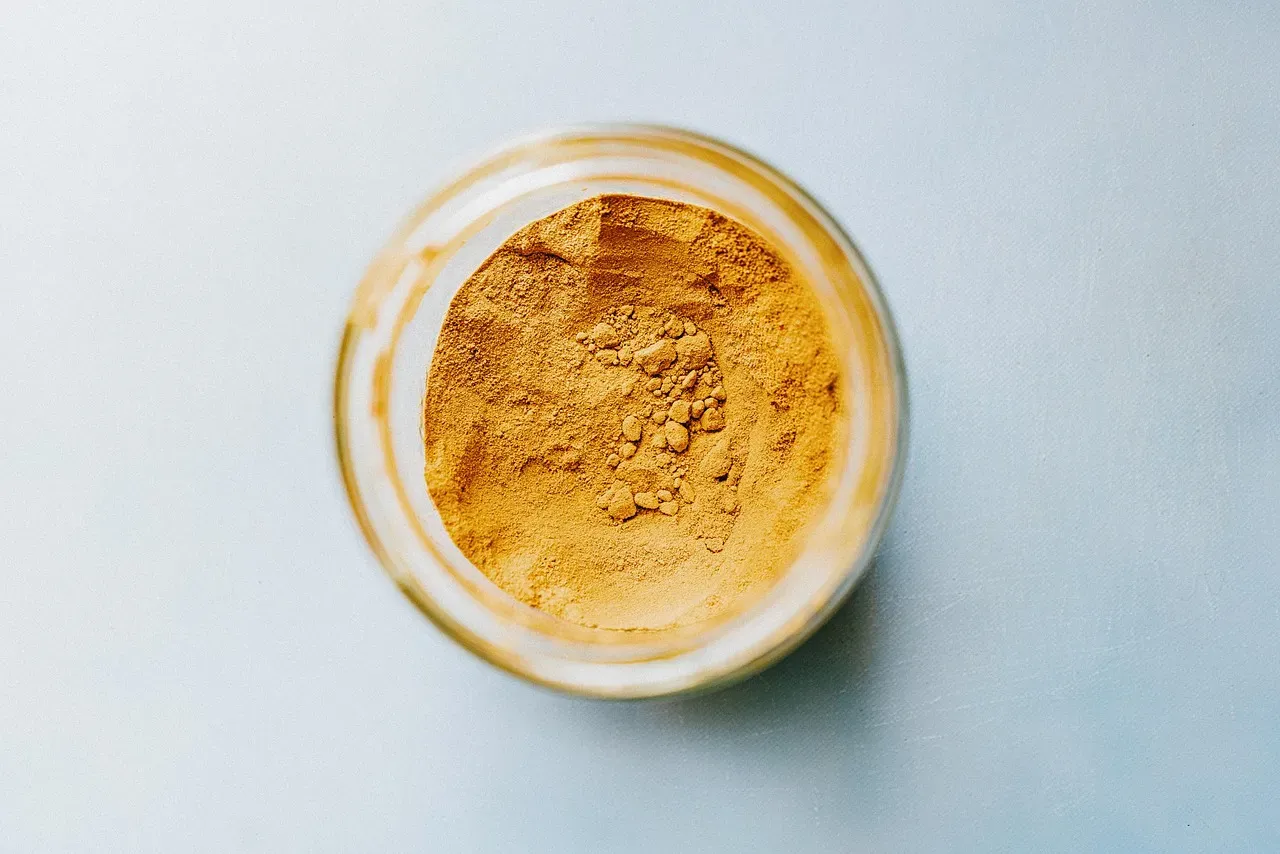
Allowing a curry to sit causes the oils and spices within it to continue tenderizing the meat over time. The spice notes that can feel slightly sharp or raw on day one mellow into something more rounded and coherent overnight. A chicken curry tastes sharper on day one but on day two has a rounder, more savory profile as spices penetrate the meat and fats redistribute.
Harsh overtones from the spices mellow over time, and different elements combine for a richer, more coherent result. This happens because the flavors from whole spices have more time to infuse, and larger chunks of vegetables and meat exchange flavors with the sauce base – a process true of all simmered or braised dishes. A curry reheated the next day often tastes like a more finished, more intentional version of itself.
Soups and Stews: Collagen Becomes Silk
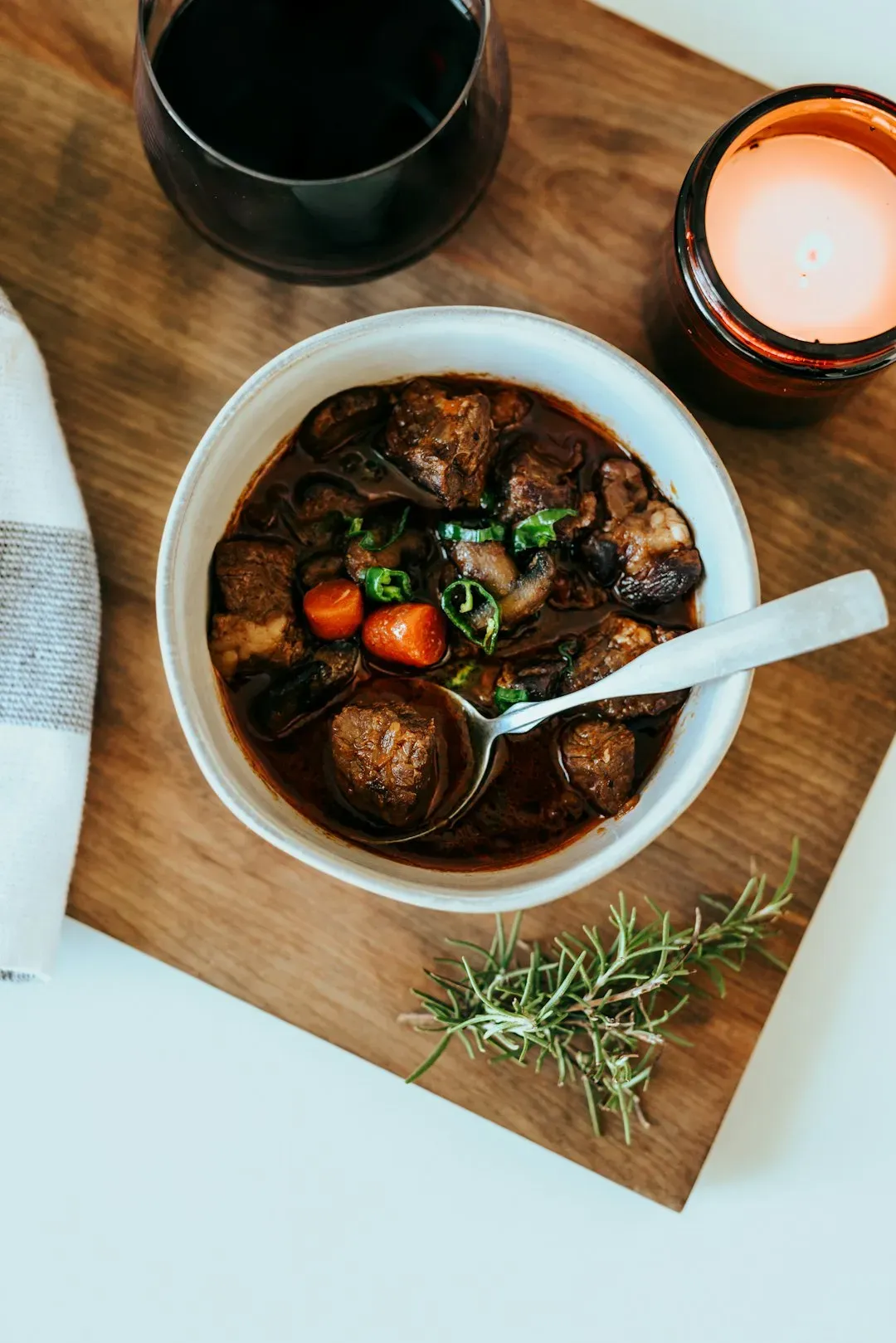
A stew that’s been bubbling on the stove will continue to break down its collagen for half an hour after you take it off the heat. In the fridge, this collagen sets to a firm jelly, and when you reheat it, the gelatin melts to create a silky feel in the mouth. That transformation in mouthfeel is very real and makes a notable difference in how rich and satisfying a bowl tastes.
In an experiment by Cook’s Illustrated, testers were served tomato soup, beef chili, and French onion soup fresh and after two days – and every taster held that the older soups and stews were “sweeter,” “more robust-tasting,” and “well rounded.” Time gives the flavors in dishes a chance to meld, and refrigeration slows some of the chemical reactions that occur in foods, which can enhance flavor rather than degrade it too quickly.
Chili: The Overnight Transformation
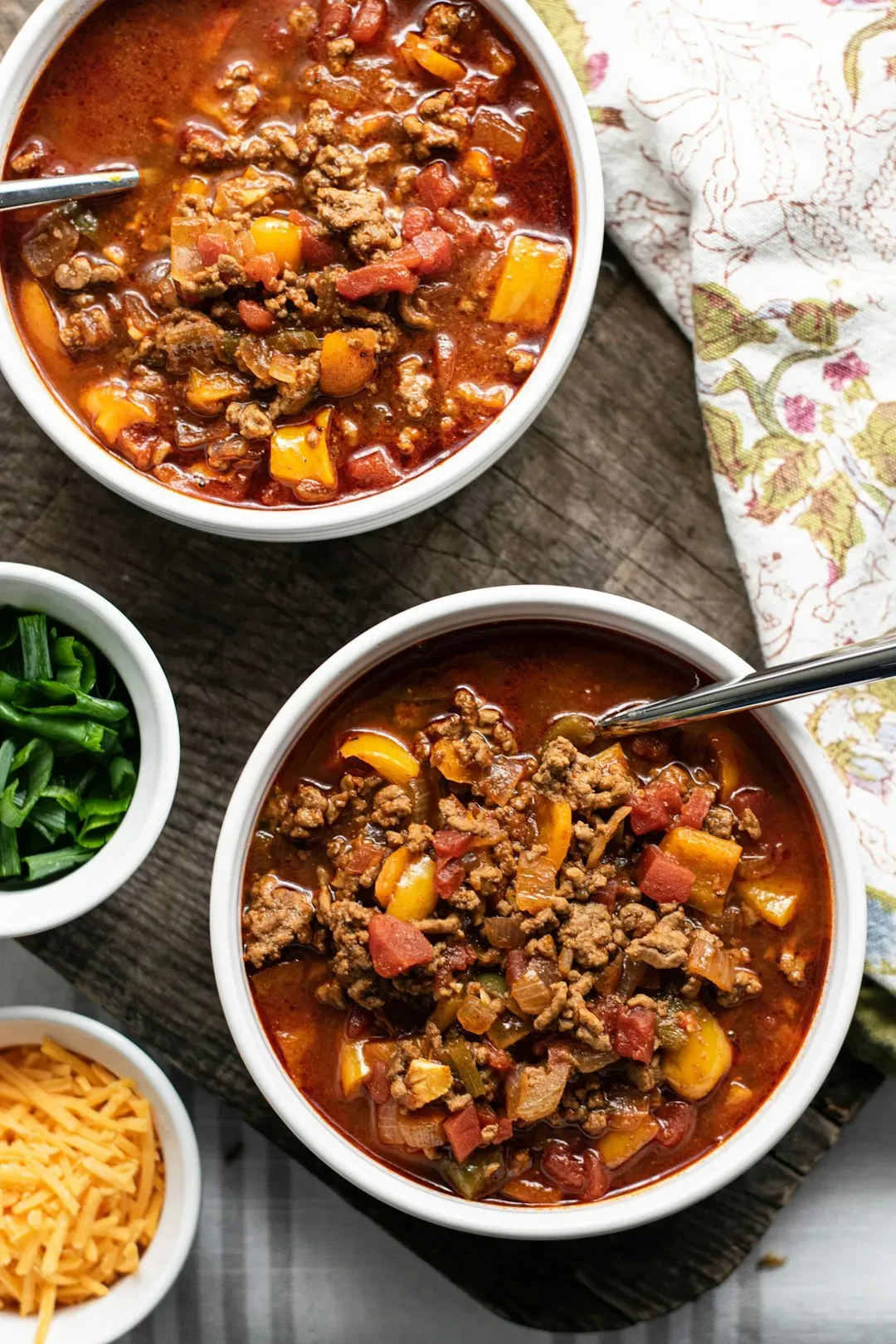
The primary reason for flavor evolution in chili is a process of chemical reactions and flavor melding that continues long after the pot has been taken off the heat. When you first cook a dish with many ingredients, the individual flavors are distinct and separate. By the next day, those distinct elements have had time to negotiate with each other, and the result is noticeably more unified.
Chili is widely considered one of the best leftover foods. The beans themselves soak up the saucy flavors, making sure every bite is bursting with flavor. It’s worth noting that some of the brighter, spicier notes can fade with time, so a small addition of fresh acid or hot sauce when reheating can help restore that punch without losing the depth that developed overnight.
Bolognese and Meat-Based Pasta Sauces: A Dish That Finishes Itself
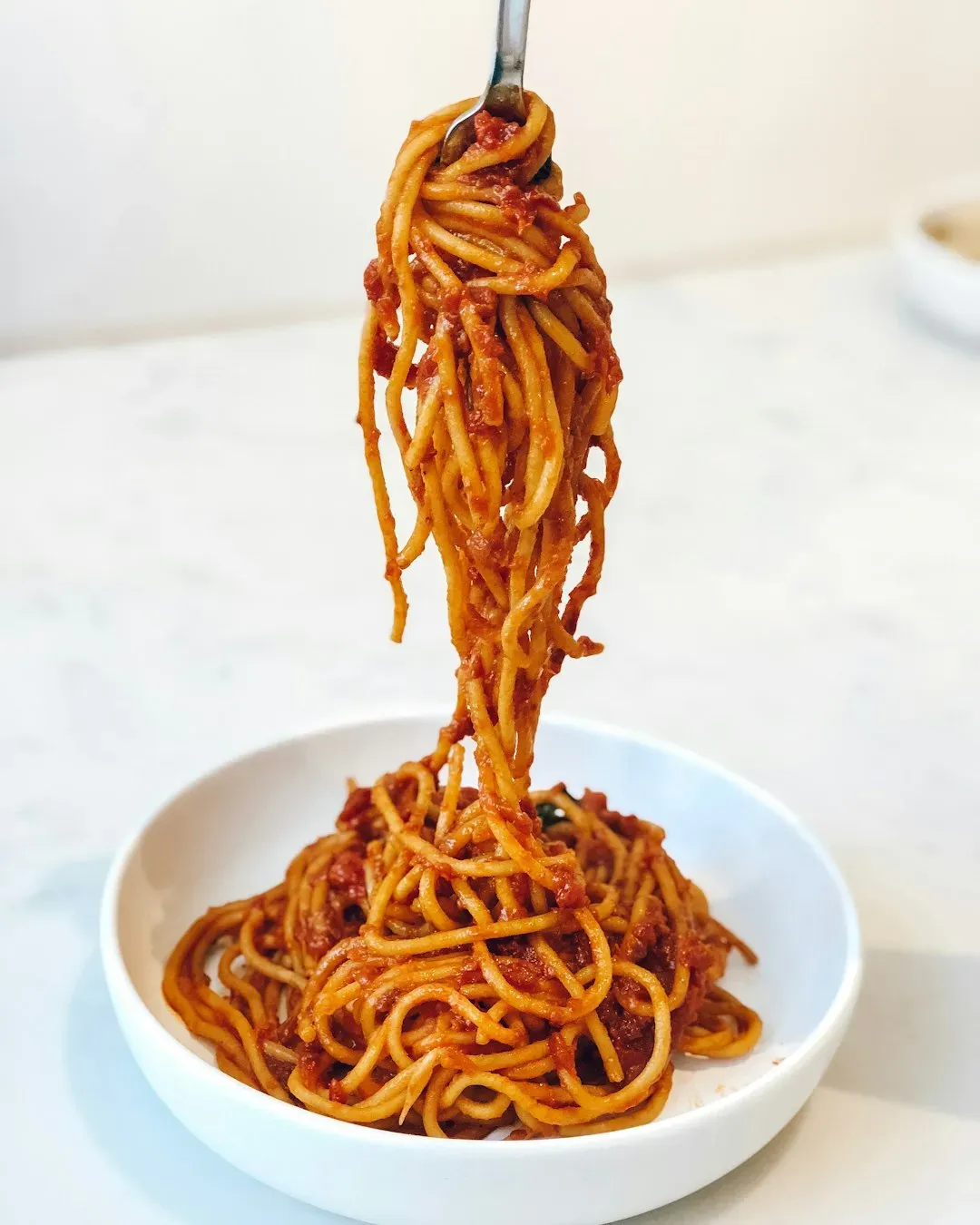
A meat-based sauce like bolognese becomes richer and more deeply flavored as the ingredients meld overnight. This is partly due to protein breakdown. Protein-rich foods may taste better with time because proteins break down and release amino acids such as glutamate, which enhance savory or umami tastes. A bolognese left overnight essentially becomes more of itself.
Tomatoes also benefit from long and slow cooking to release flavor molecules within the skin, and a speedy weeknight sauce won’t have time to reach peak tastiness until it has had those extra hours to develop. In the fridge, collagen solidifies into a jelly, only to melt when reheated, creating a silky texture packed with flavor in meat-based sauces and stews. Serve it over freshly cooked pasta – not yesterday’s – and the contrast between that deeply flavored sauce and al dente noodles is hard to beat.
The pattern here is fairly consistent: foods that rely on crispness, freshness, or delicate protein structure tend to fall apart on the second round, while complex, fat-rich, spice-layered dishes continue developing long after the heat goes off. Knowing which side of that line your dinner falls on might be the most useful thing you take out of any refrigerator today.


Leave a Reply