
Every few years, the food world quietly agrees on a new set of sacred cows. These are the cuisines that get the glossy magazine spreads, the Michelin inspector pilgrimages, and the reverent dinner party conversations. Loving them signals sophistication. Questioning them, apparently, signals poor taste.
The trouble is, a growing number of food critics and industry professionals are doing exactly that. Quietly at first, then with increasing candor, voices from inside the culinary world have started pushing back on the hype machine, arguing that reputation, cultural prestige, and media momentum have been doing a lot of heavy lifting for certain cuisines. Here are seven that keep coming up in those conversations.
French Cuisine: The Eternal Pedestal
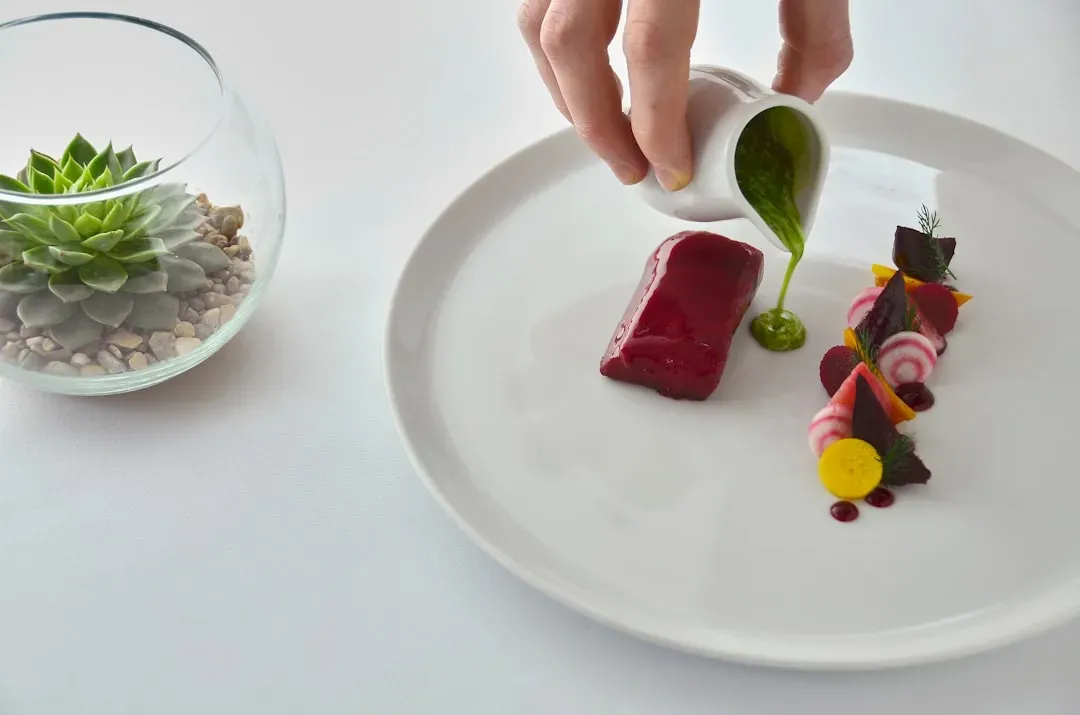
French cooking has been the unofficial benchmark of fine dining for over a century, and the industry shows no sign of loosening its grip on that narrative. The Michelin Guide, itself a French invention, has long awarded stars in ways that critics argue still favor classical French sensibilities. Each edition of the Michelin Guide in France produces controversy over who is included, who is not, and who has joined the list of anti-Michelin rebels. That dynamic alone tells you something about the politics baked into culinary prestige.
A widely circulated poll asking which country has the most overrated food culture found that roughly three in ten respondents pointed to France. Defenders of French cuisine rightly note its enormous influence on modern cooking technique. Without the French heritage, technique, and sensibility, there would be no Western cuisine as we know it. Still, that historical contribution is different from the claim that French restaurants consistently deliver value proportionate to their price and prestige today.
Japanese Cuisine: The Status Symbol on a Plate
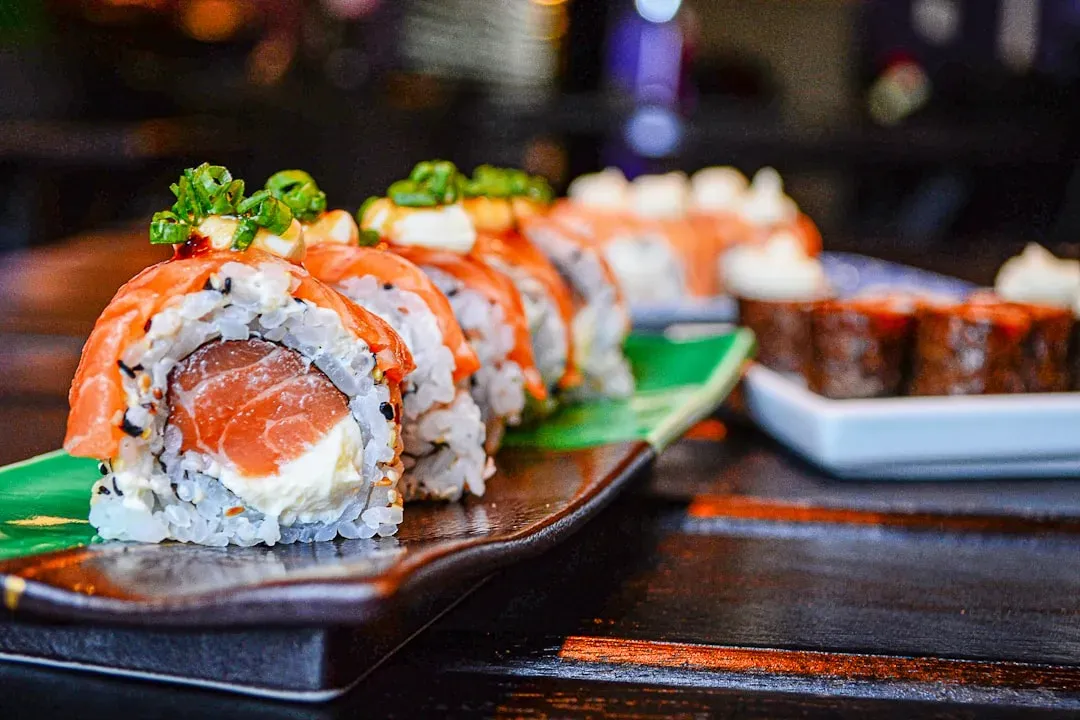
Japanese food has become something of a personality statement in certain dining circles. Declaring it your favorite cuisine carries a particular weight, a signal of refinement that other choices simply don’t confer. The lack of fun in high-end Japanese dining is compensated by the status points accrued. Declare your favorite food to be French or Italian, Indian or Thai and you’ll make little impression. Japanese? You’re instantly proclaiming your sophistication, and probably your wealth, with dinner at certain elite sushi counters coming in at around $300 a head.
Japanese food is rarely less than perfectly presented and can be superb, but it can also be bland and homogenous. Part of the problem is that much of what delights the Japanese about their food is unrelated to its actual taste. The ceremony, the lacquerware, the silence, these things are real pleasures. Whether they justify the almost evangelical reverence the cuisine receives in Western food media is a fair question to ask.
Italian Cuisine: Beloved, Simplified, and Slightly Stuck
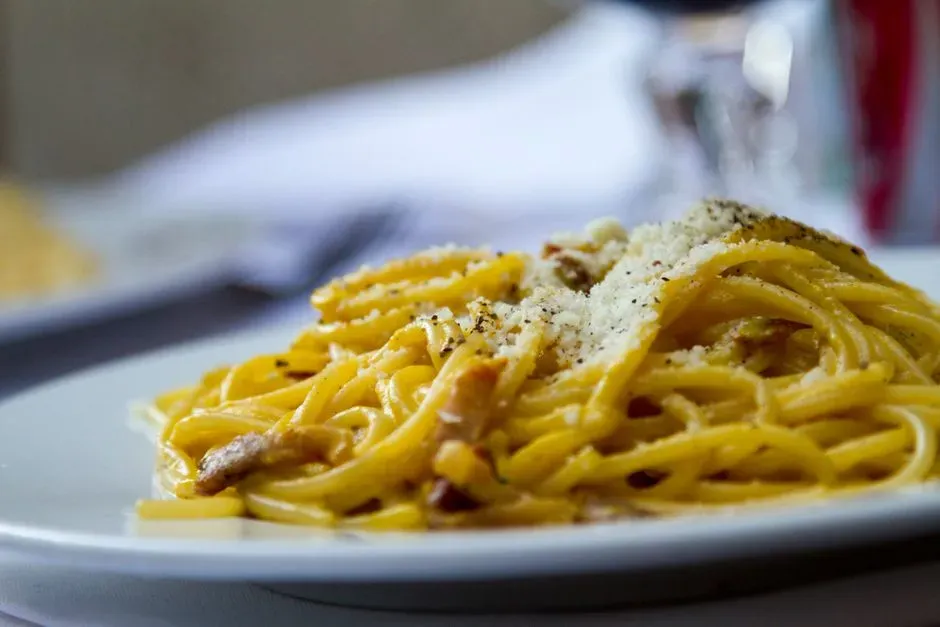
Nobody is arguing that Italian food is bad. That’s not the point. The issue critics raise is that the global version of Italian cuisine has been frozen in amber, endlessly cycling through pasta, pizza, and risotto while being treated as though it represents the full depth of a profoundly varied culinary tradition. The wider canon, from the rustic dishes of Calabria to the seafood traditions of the Adriatic coast, barely gets a mention.
The commercial food world hasn’t helped. Italian has become the default setting for “safe,” “approachable,” and “universally liked,” which is a different thing from genuinely exploring what the cuisine offers. Every year, food trends emerge promising innovation and excitement, and every year chefs start begging for certain things to disappear. One theme came through clearly: food should taste good first, not just look good or play it safe. Italian cuisine, in its westernized restaurant form, has become the ultimate comfort zone the industry rarely challenges.
Molecular Gastronomy and the “Elevated” Fine Dining Trap
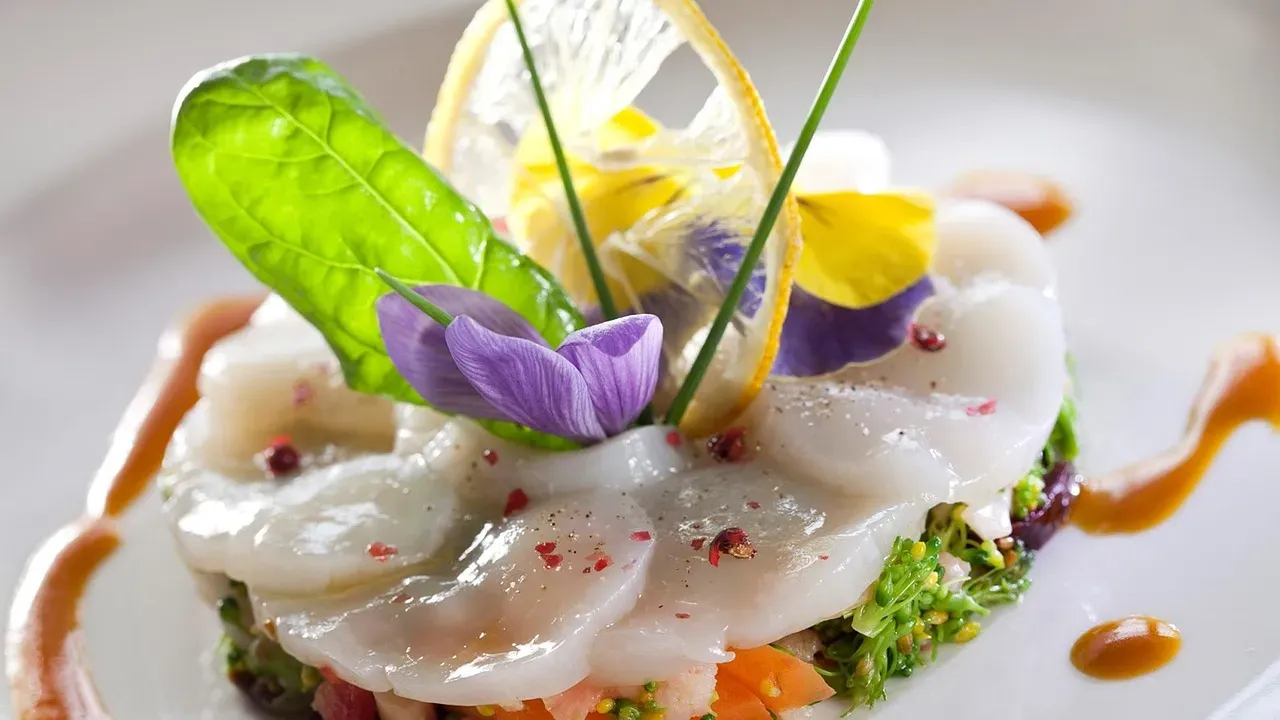
This one isn’t a single national cuisine, but it functions as one in the world of high-end restaurants. The molecular gastronomy movement that swept through fine dining in the early 2000s left a lasting template: foams, gels, spherified liquids, and dishes presented more as art installations than food. The food media embraced it with near-religious enthusiasm. Deconstructed dishes are often presented as a culinary art form in fine dining establishments, but while innovative, the concept can sometimes feel pretentious.
From over-engineered cocktails to hyper-viral menu items, many chefs are now craving a reset rooted in flavor, intention, and actually feeding people. The honest critique is that a long stretch of the industry mistook technical complexity for culinary achievement. A dish that requires laboratory equipment and a science degree to understand isn’t automatically better than one that simply tastes extraordinary.
Nordic Cuisine: A Beautiful Story That Outran Its Plates
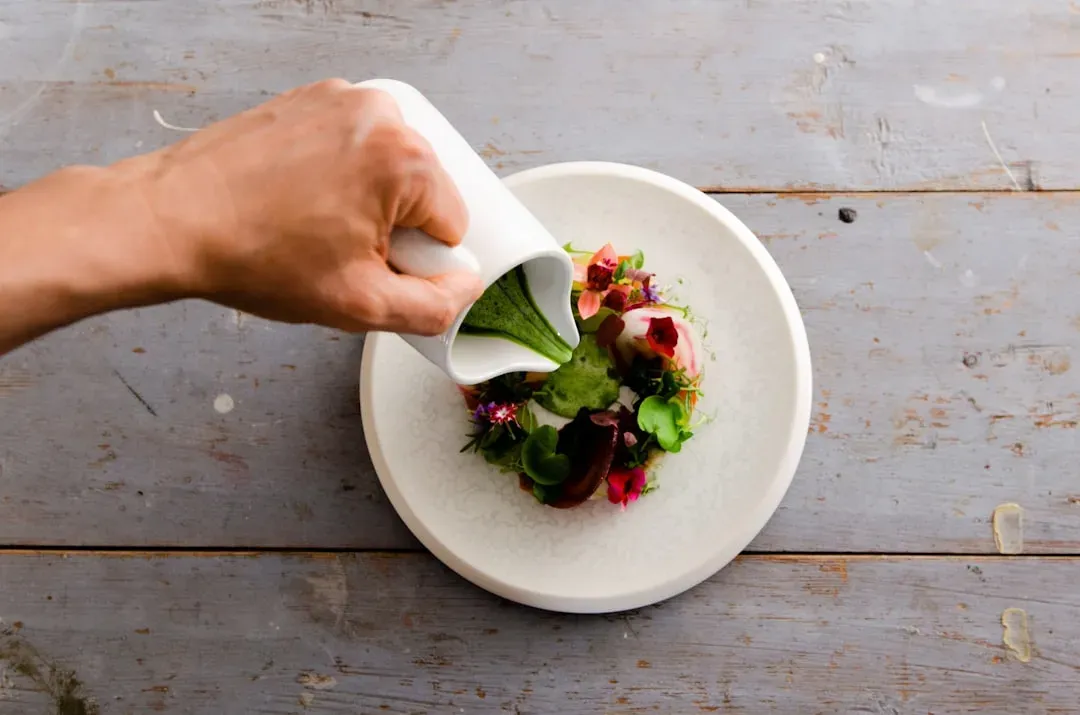
When the New Nordic movement emerged in the mid-2000s, it genuinely changed the conversation around terroir, seasonality, and foraging. It was a meaningful philosophical contribution to how the industry thinks about sourcing. The problem is that the philosophy got amplified into a near-mythological status that the food itself has sometimes struggled to match. Pickled pine needles and reindeer moss are interesting once. As a culinary genre commanding stratospheric restaurant prices, the case is harder to make.
Some critics noted a broader trend of no real creativity, not much thought, and no real attempt to create a cohesive dining experience, with restaurants hailed as brilliant and life-changing by critics who seemed to have forgotten what their job is meant to be about. Nordic cuisine’s association with world-rankings prestige has buffered it from the kind of scrutiny applied to less fashionable food cultures, which is precisely the dynamic critics point to as a sign of overhype.
Truffle-Everything: A Luxury Ingredient Turned Culinary Cliché
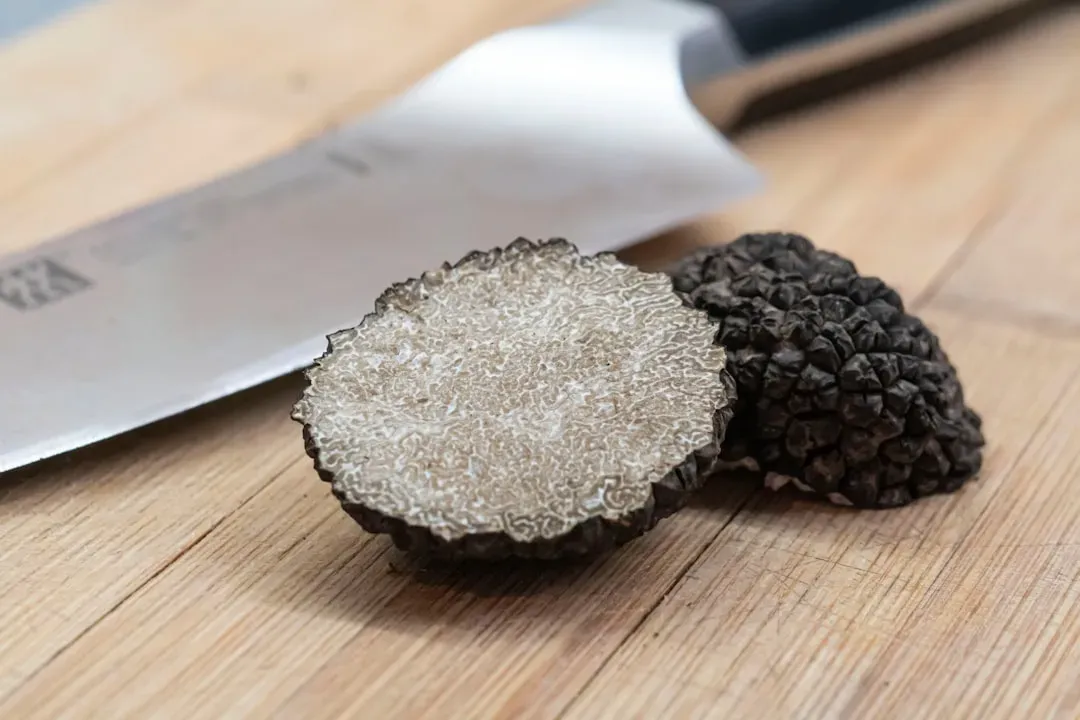
Truffles are extraordinary in the right context. Shaved sparingly over tagliatelle or tucked into a simple egg dish, they’re hard to argue with. The industry’s obsession with deploying them on everything from fast-casual fries to popcorn is a different matter. The once-exotic truffle that sent diners into a frenzy has now become overdone, especially with cheap and synthetic alternatives flooding the markets and restaurants compromising on quality to make better profits.
Truffle oil, in particular, has drawn sustained criticism from working chefs for years. Most of the truffle oil used in restaurants contains no actual truffle at all, relying instead on a synthetic compound called 2,4-dithiapentane to mimic the aroma. Food professionals have been vocal about wanting no more truffles and caviar everywhere, particularly given the bizarre pairings, like truffle shaved over potato chips, that have become commonplace. Calling a dish “truffle” has become a pricing strategy as much as a culinary one.
American “Elevated” Comfort Food: Hype at a Premium
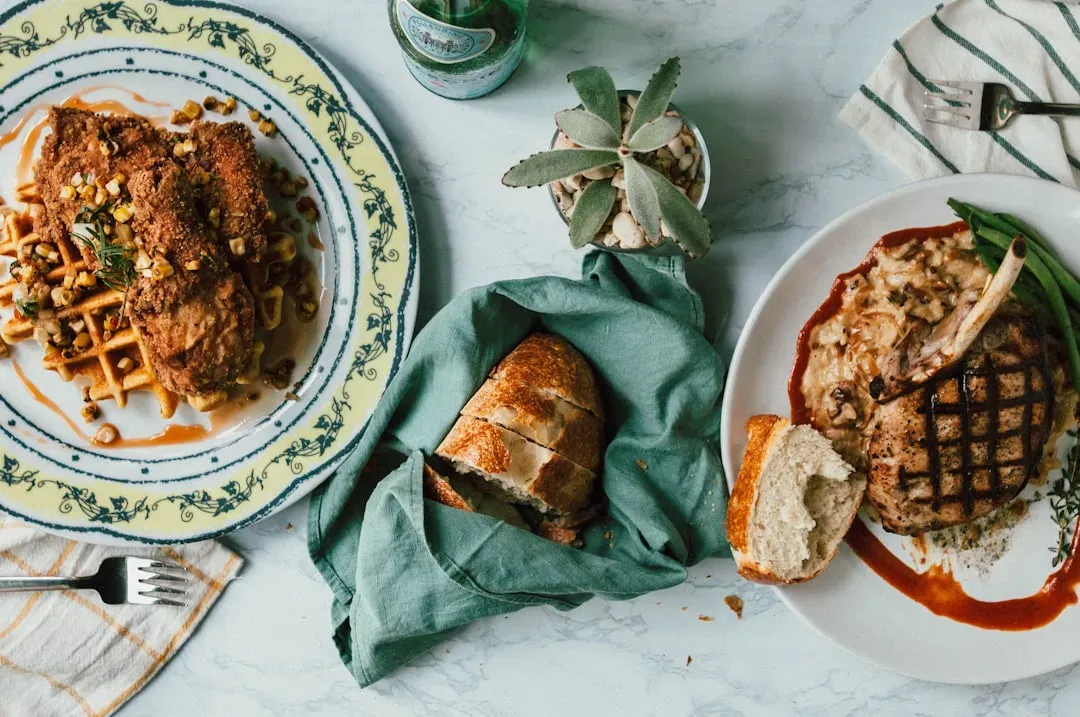
The American food scene occupies a complicated position in the overrated conversation. Roughly one in five respondents in a recent poll on overrated food cultures pointed to the United States. The specific charge isn’t against American home cooking or regional traditions. It’s directed at a specific restaurant phenomenon: the relentless “elevation” of comfort foods, charging $28 for a reimagined grilled cheese, $22 for artisanal mac and cheese, or $19 for a “deconstructed” hot dog.
From gimmicky restaurant concepts to social media-driven excess, these fads have officially worn out their welcome with industry insiders, many of whom suggest they might benefit from a long, quiet break. The deeper issue is that social media created an enormous appetite for “instagrammable” American food experiences. If there’s one universal complaint among food professionals, it’s that too much food exists solely to go viral. When a dish is designed from the ground up to be photographed rather than eaten, the cuisine it represents gets hollowed out in the process.
The gap between a cuisine’s reputation and what actually lands on the plate is where the most honest food writing happens. None of the cuisines listed here lack real merit. What they share is an industry ecosystem that has decided, for various reasons, to stop asking hard questions about the value they deliver relative to the reverence they receive.
Leave a Reply