
There’s a quiet frustration that lives in professional kitchens, one that rarely makes it onto the plate but almost always gets talked about after service. Home cooks have better access to quality ingredients than ever before, and that’s genuinely great. The problem is that a handful of those ingredients have become so popular that they’re now showing up in nearly everything, often at the expense of the dish’s actual flavor.
It’s not about being precious or elitist. Chefs want home cooks to succeed. The issue is that when a single ingredient starts doing all the heavy lifting in every recipe, it stops being a tool and starts being a crutch. These seven ingredients are all legitimate, even wonderful, in the right context. The trouble is that context is getting harder and harder to find.
1. Garlic
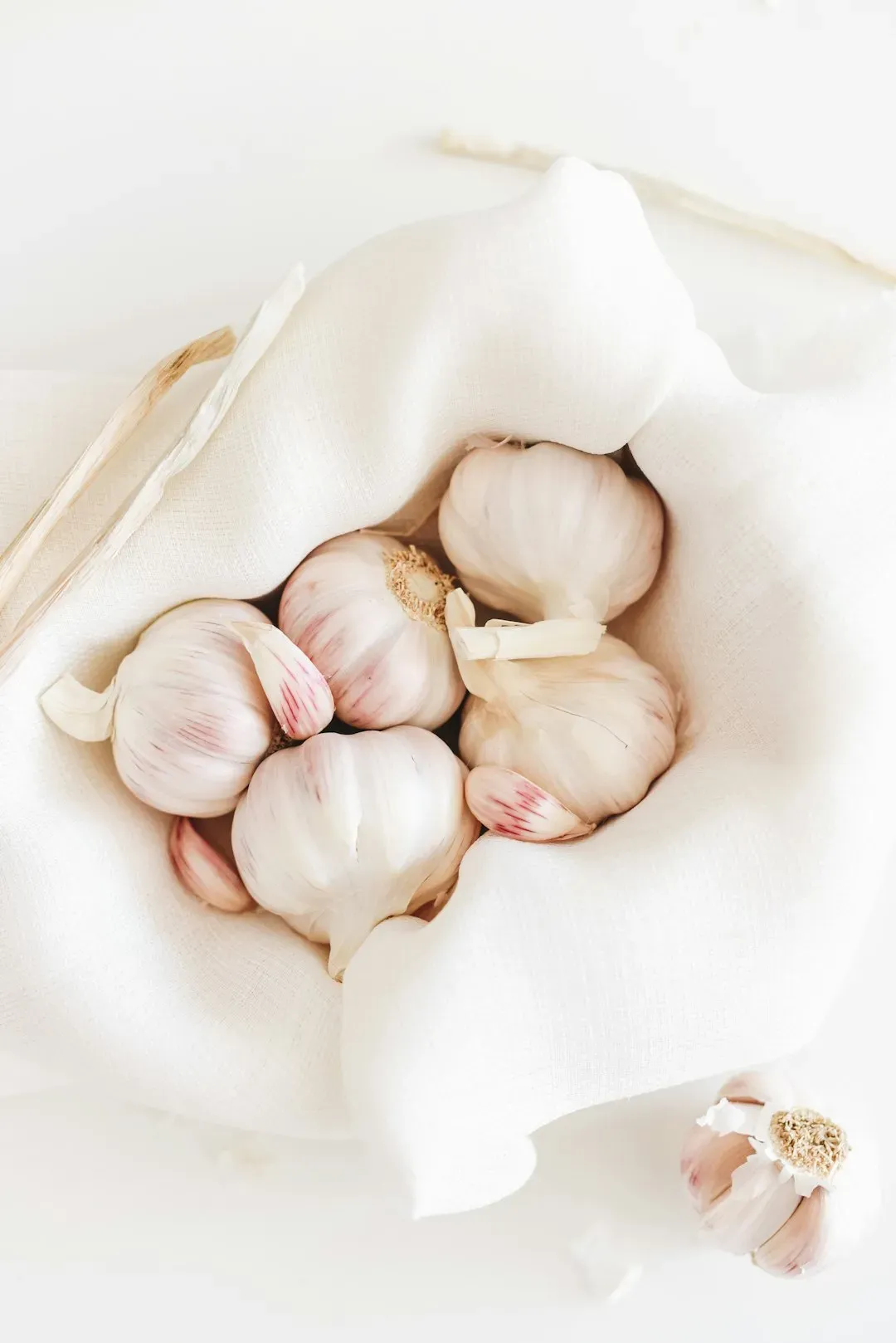
In recent years, “just double the garlic” has become a rallying cry for home cooks everywhere, but the recommendation is applied to any recipe, not just recipes where garlic is the star. The result is that dishes built around delicate flavors, things like fresh seafood, light broths, and seasonal vegetables, end up tasting like garlic above everything else.
Quite a few chefs, including the late Marcella Hazan, have argued that garlic is incredibly overused, and that in many cases it may even detract from a dish’s other qualities. Hazan specialized in Italian cuisine and loved to point out that in Italy, garlic is really just a sometime thing, and that some chefs don’t use it at all. The characteristic harshness of garlic when it’s been overused is a real problem, one you only recognize after eating enough over-garlicked dishes to know the difference.
2. Truffle Oil
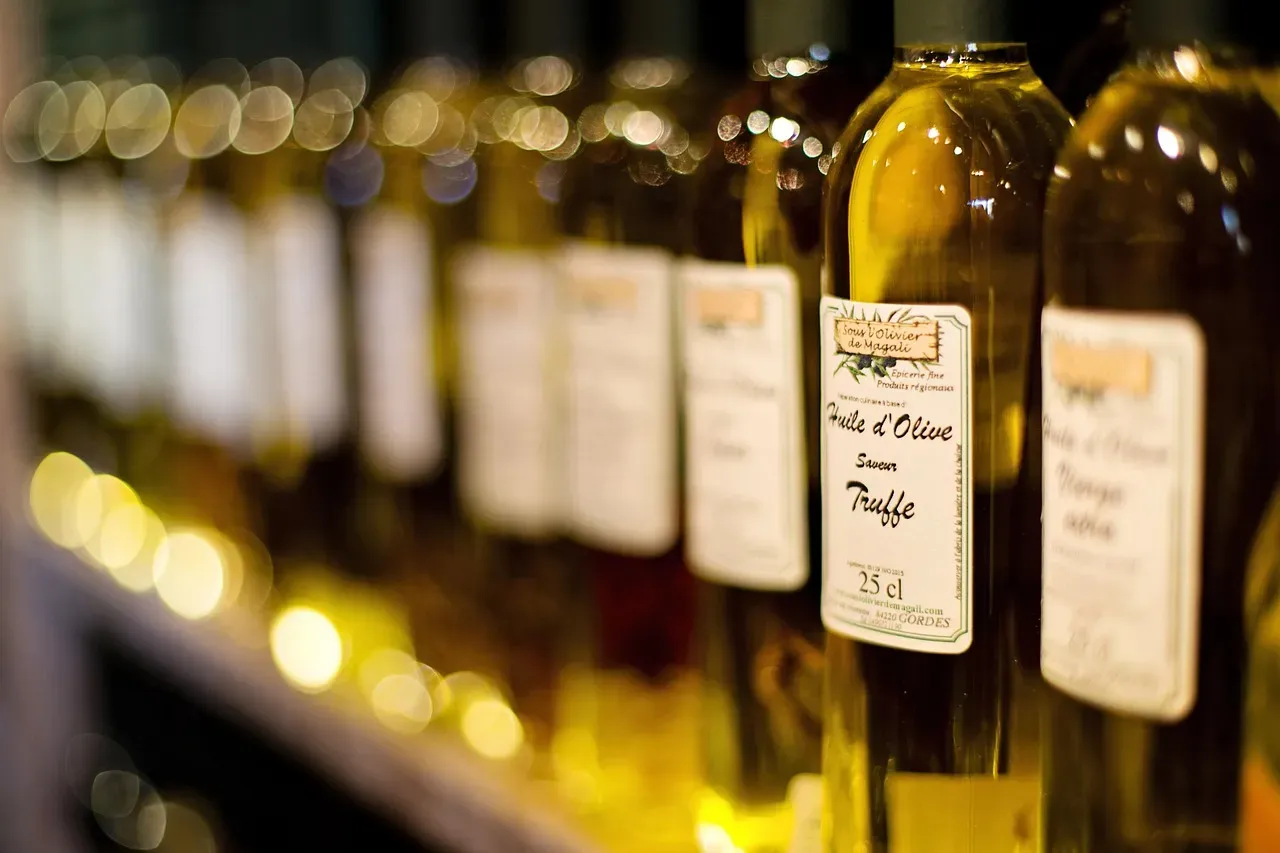
Truffle oil became a fad in the 2000s and was overapplied to pizzas, fries, pastas, and popcorn. Overexposure bred contempt among professionals who felt it reduced truffle flavor to a novelty condiment. Decades later, the habit hasn’t faded much in home kitchens, and many home cooks still reach for that familiar bottle without realizing what’s actually in it.
Roughly four out of five truffle oils on the market rely on synthetic ingredients rather than actual fungi. Gordon Ramsay has been explicit that going overboard with truffle oil is one big mistake that spoils a plate, suggesting the sweet spot is achieved by using only small drops and eating truffles when seasonally appropriate. A few drops applied as a finishing touch is one thing. Pouring it freely over a finished dish is something else entirely.
3. Sriracha
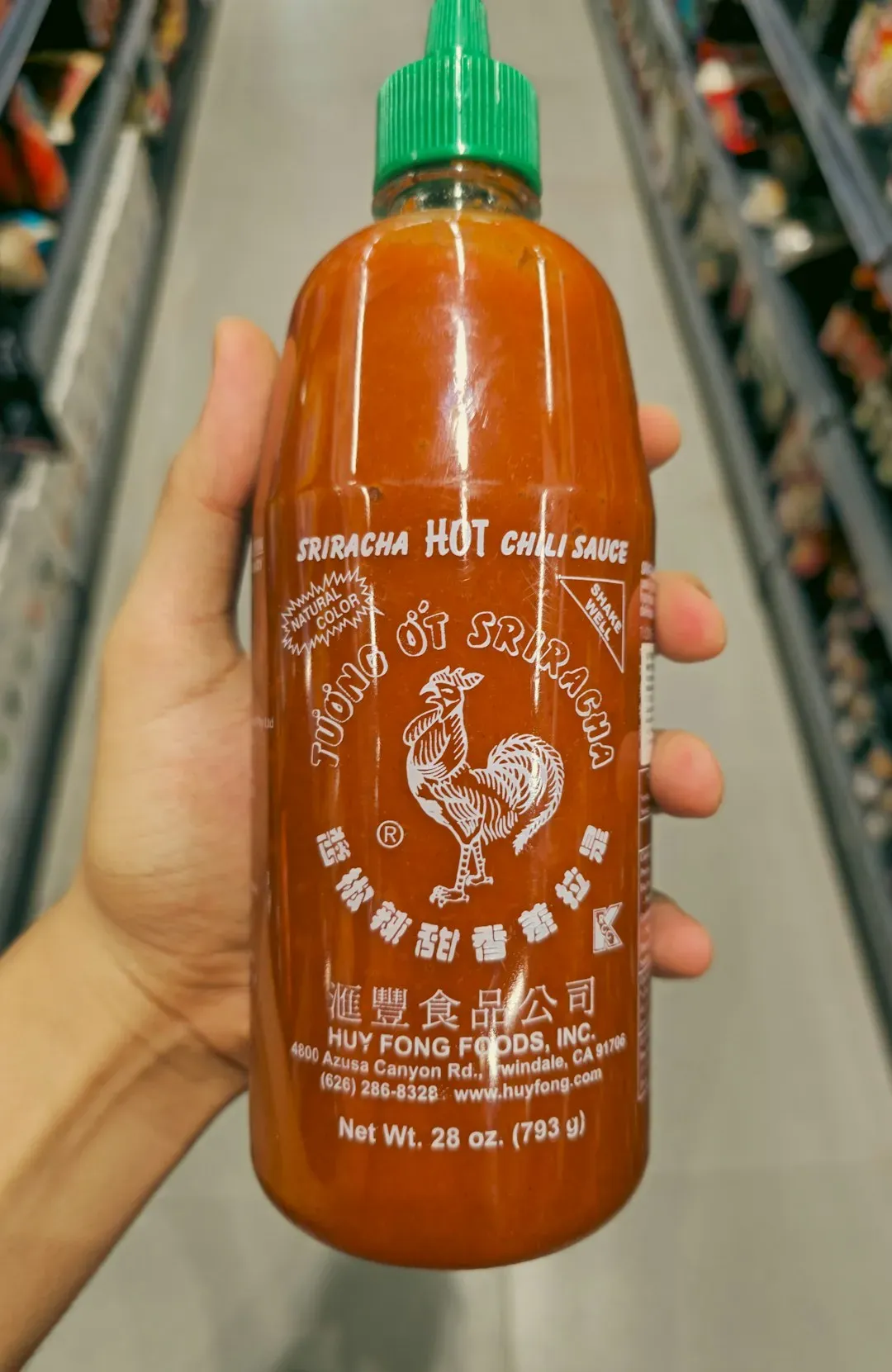
What was once a Thai condiment has become downright American, appearing on bar and grill menus across the country. That cultural adoption has filtered deeply into home cooking, where sriracha now gets squeezed onto eggs, stirred into dressings, mixed into marinades, and drizzled over dishes that never needed chili heat in the first place. The flavor profile is essentially one-note: hot, slightly sweet, with a hint of vinegar.
The problem with leaning on sriracha as a default heat source is that it flattens a dish’s complexity rather than building on it. Chefs working with actual chilies, fermented pastes, or fresh aromatics achieve heat with far more depth and nuance. When sriracha becomes the answer to every dish that feels a little bland, it masks whatever the cook was actually trying to express.
4. Balsamic Vinegar
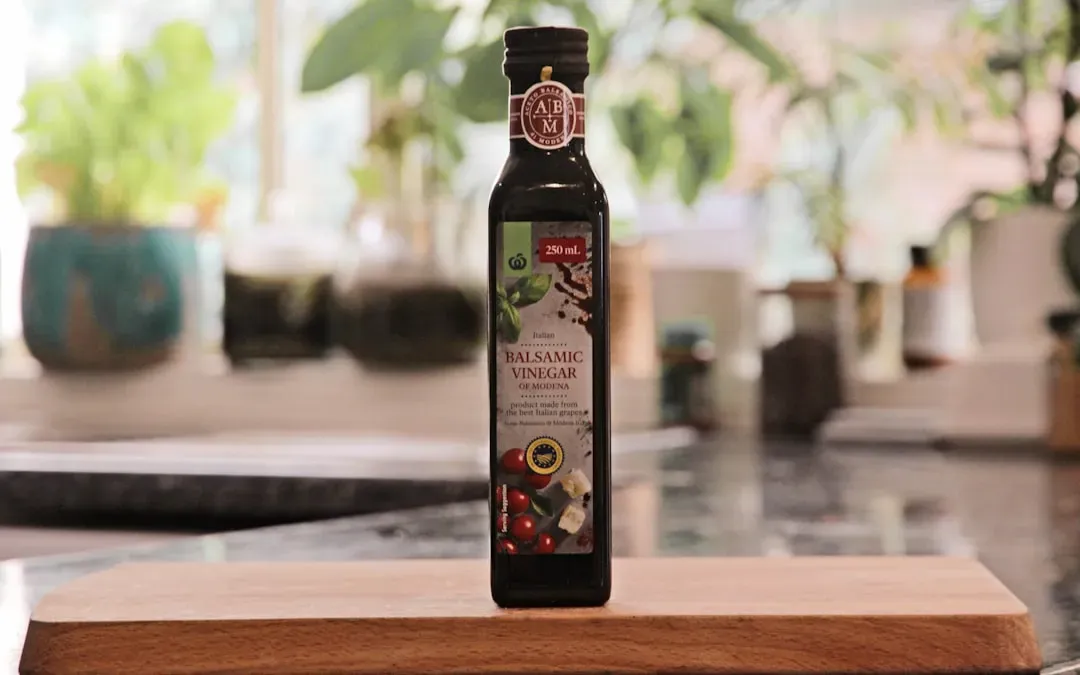
Balsamic vinegar had its cultural moment in the late 1990s and early 2000s, landing on salads, grilled meats, and even desserts. That moment never quite ended in home kitchens. The sweet, thick reduction gets drizzled over everything from caprese salads to roasted vegetables to strawberries, sometimes all at once. It has a strong, distinctive flavor that’s difficult to pair subtly once it’s there.
The real issue is that authentic aged balsamic from Modena is a completely different product from the inexpensive supermarket bottle most home cooks are using. True aged balsamic is meant to be used in drops, not poured generously. When the cheap version gets applied liberally, the resulting tartness and sweetness compete rather than complement, and the underlying ingredients end up overwhelmed by a sauce that was never meant to dominate.
5. Smoked Paprika
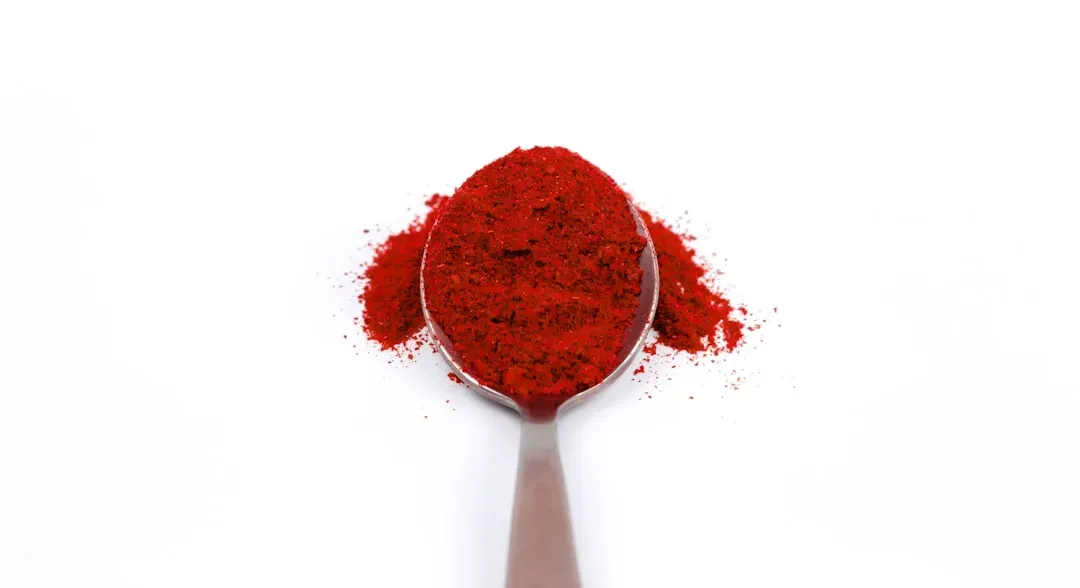
Smoked paprika is genuinely useful. It adds warmth and depth to dishes that benefit from a subtle, smoky character, and it’s far more accessible than, say, sourcing quality dried chilies. Used well, strong flavors like smoked paprika can enhance the natural taste of vegetables and other core ingredients. The problem is that it’s become the default “depth” ingredient, appearing in recipes where its smoky signature simply doesn’t belong.
When smoked paprika shows up in every spice rub, soup base, roasted vegetable tray, and sauce regardless of the dish’s cultural origin or intended flavor profile, it creates a kind of gustatory sameness. Everything starts to taste vaguely Spanish, or vaguely barbecue, regardless of the intent. Regular sweet paprika, or no paprika at all, is often a more honest choice that lets the main ingredients speak clearly.
6. Bacon
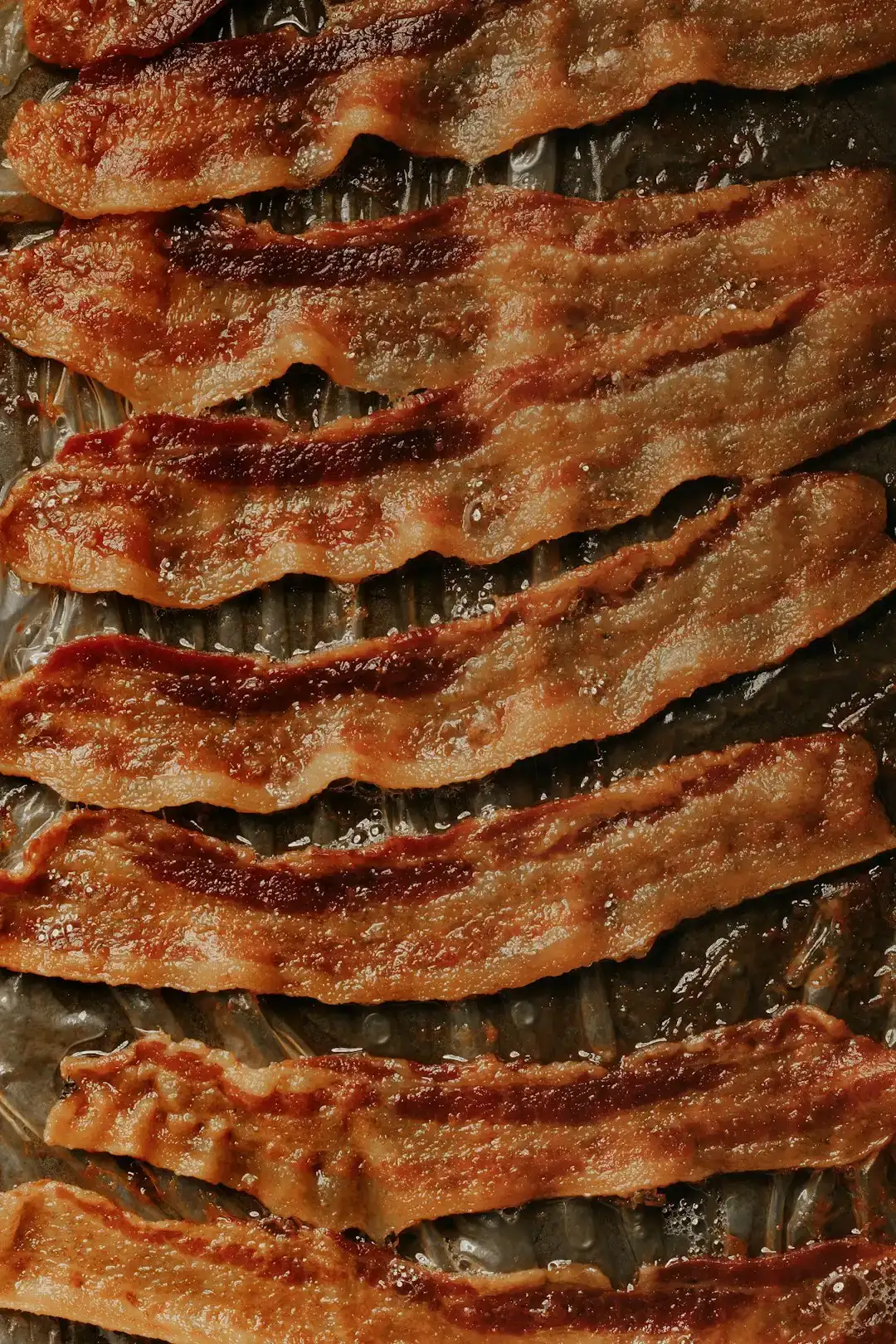
Bacon became something close to a cultural phenomenon in the early 2000s, and its role in home cooking expanded far beyond the breakfast plate. It began appearing in salads, pastas, baked goods, cocktails, and even desserts. The reasoning is understandable: fat, salt, smoke, and crunch are all genuinely appealing qualities in food. The issue is that bacon’s assertiveness tends to overpower whatever it accompanies.
Professional cooks treat bacon, or more often its Italian cousins pancetta and guanciale, as a foundational ingredient in specific contexts rather than a universal flavoring agent. When home cooks add it to a dish simply because it always “makes things better,” the result is often that the bacon is the only thing you actually taste. Subtler fats and proteins, including cured anchovies, rendered chicken skin, or quality lard, can provide similar richness with far less intrusion.
7. Olive Oil
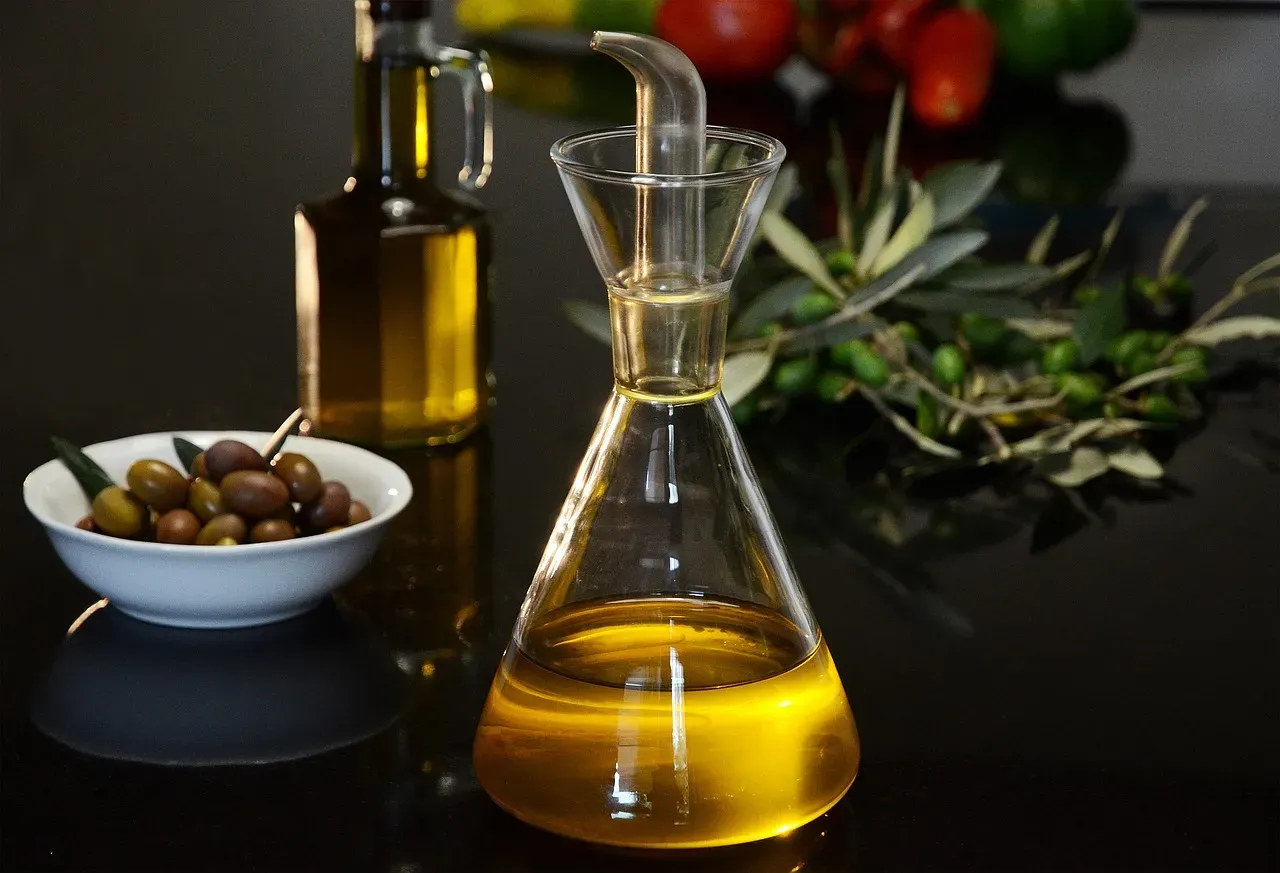
Olive oil is mostly used to flavor a dish, not to enrich it, and you don’t get the same result when adding too much of it. Still, home cooks use it at every stage of cooking, from high-heat searing to finishing drizzles, often in quantities that overwhelm rather than enhance. Part of this comes from genuinely good health-conscious habits and part from the marketing halo around Mediterranean cooking. The result is dishes that taste aggressively oily or carry an unwanted bitter finish.
Quality extra virgin olive oil is best used raw or applied at the very end of cooking, where its flavor compounds remain intact. Truffle oil and olive oil alike are best applied at the end of cooking because heat can destroy their delicate aroma. The same principle applies broadly: cooking at high heat with premium extra virgin olive oil doesn’t elevate a dish, it wastes the oil’s character entirely. For sautéing and searing, a neutral oil does a cleaner job, and the good stuff can be saved for where it actually counts.
None of these ingredients are bad. Garlic is foundational across dozens of cuisines. Truffle oil, used sparingly and sourced honestly, can add something real. Balsamic, bacon, smoked paprika, sriracha, and olive oil each have a genuine place in a cook’s repertoire. The shift that chefs are quietly advocating for is less about elimination and more about restraint. Tasting as you go, questioning whether an ingredient is there because it improves the dish or simply because it’s habit, tends to produce food that’s more interesting than the sum of its familiar parts.
Leave a Reply