
1. “You’ve put on weight, haven’t you?”
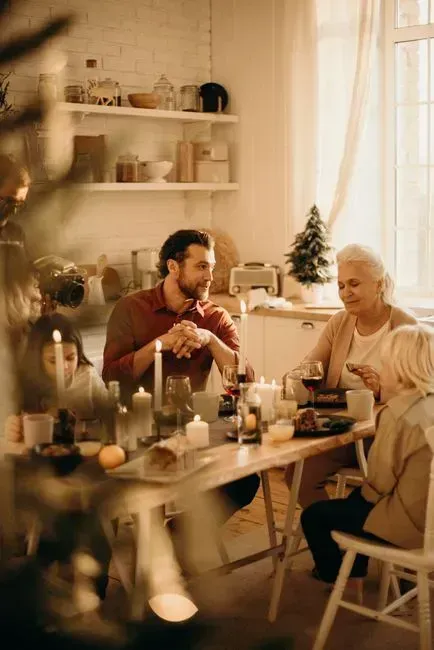
This one tops the list because it’s delivered with such warmth that it takes a second to register as an insult. Older generations, particularly those who grew up during periods of food scarcity or postwar rationing, often equated weight gain with health and prosperity. Commenting on someone’s body was, in that context, practically a compliment.
Today it lands very differently, especially with younger relatives who’ve grown up around much more open conversations about body image and mental health. Nutrition and family therapists have repeatedly pointed out that unsolicited comments on weight, even well meaning ones, can quietly damage self-esteem for years. The gap between grandma’s intention and the room’s reaction is usually the widest with this phrase.
2. “When are you two having a baby?”
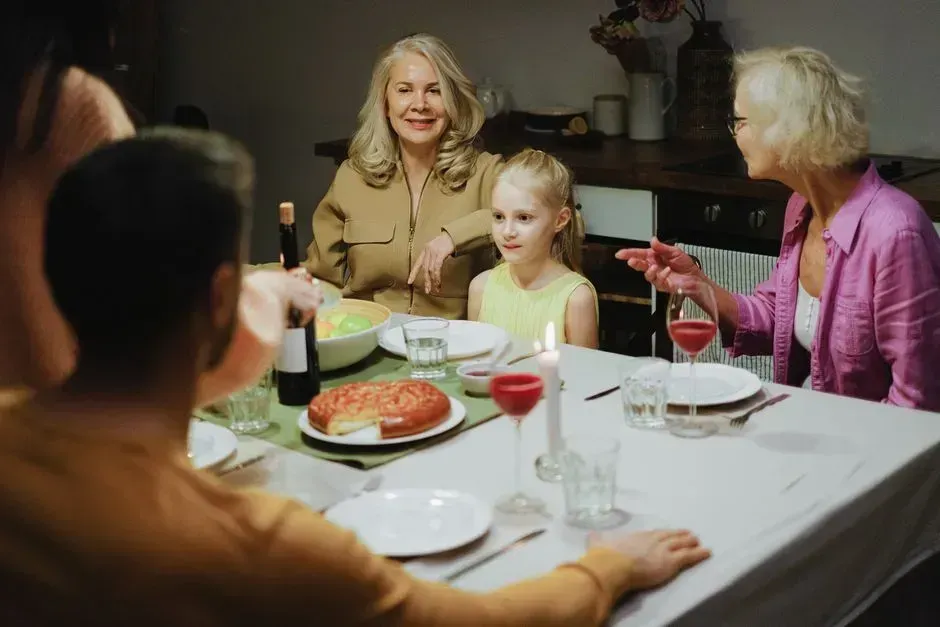
Few questions clear a room faster. For older generations, marriage and children followed a fairly fixed timeline, so asking about it felt like normal small talk rather than an intrusion. Grandma isn’t being nosy in her own mind; she’s just following the script she grew up with.
For couples navigating fertility struggles, financial pressure, or simply a personal choice to wait, the question can sting in ways grandma never intends. Family counselors often note that these moments aren’t really about rudeness, they’re about a generational gap in what counts as a private topic. The dinner table just happens to be where that gap becomes visible.
3. “Back in my day, we didn’t complain about that.”
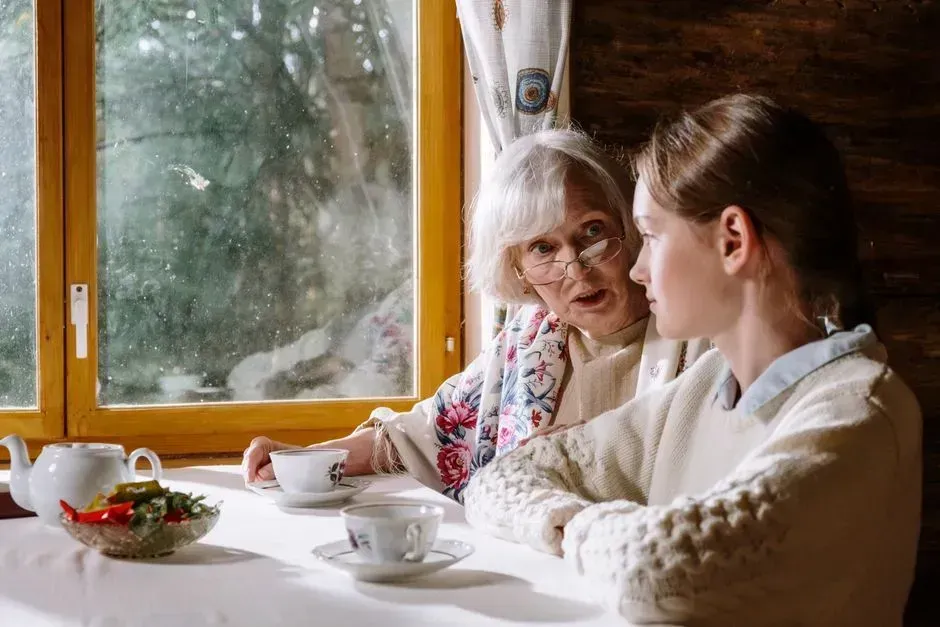
This phrase usually shows up right after someone mentions stress, anxiety, or a rough week at work. It’s meant as encouragement, a kind of tough love reminder that things could be worse. Grandma lived through eras with fewer resources for mental health support, so struggle often got filed under “just get on with it.”
The problem is timing. Said right after a grandchild opens up about something difficult, it can feel like a dismissal rather than support. Family therapists frequently point out that this generational mismatch, one side wanting acknowledgment, the other offering resilience talk, is one of the most common sources of dinner table tension.
4. “You’ll understand when you’re older.”
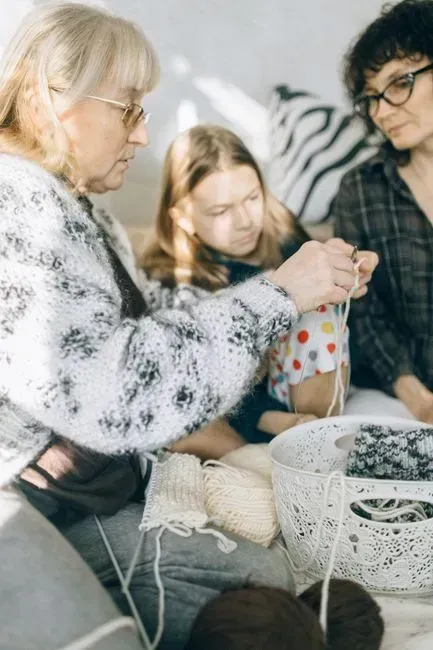
This one usually ends an argument rather than settles it. It’s grandma’s way of pulling rank using decades of lived experience as the final word. For her generation, age itself carried authority, and deferring to elders was simply expected behavior.
Younger family members, raised in an era that often values open debate over automatic deference, tend to find the line frustrating rather than wise. It shuts down conversation instead of continuing it. The awkward silence that follows isn’t disagreement so much as everyone quietly deciding not to push back.
5. “Is that what you’re wearing?”
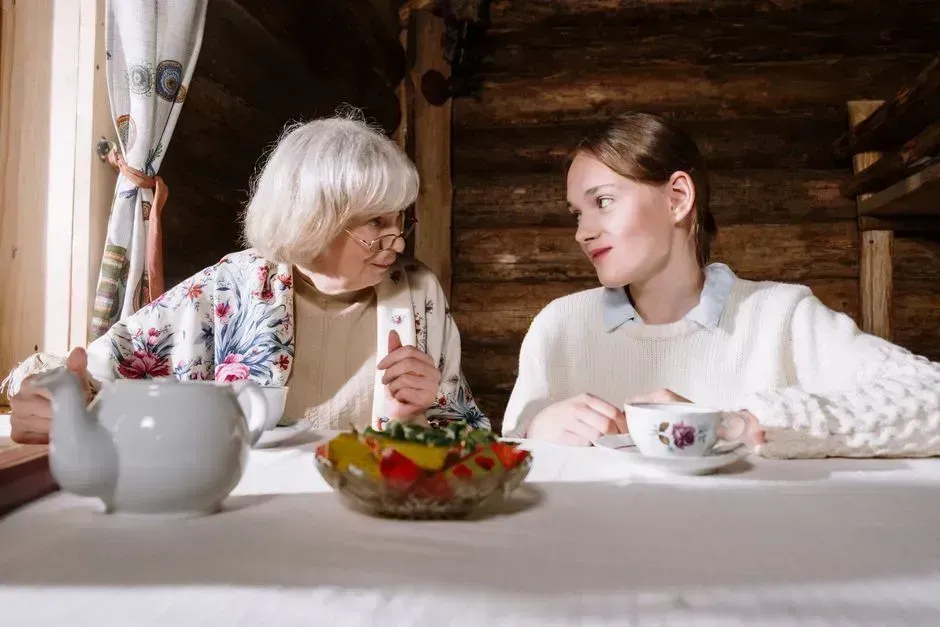
Grandma grew up in an era with far stricter, more formal dress codes for family gatherings, where appearance often signaled respect for the occasion. Casual clothing at a holiday dinner would have seemed almost disrespectful in her younger years. So when she sees ripped jeans or a hoodie at the table, the comment practically writes itself.
For the person on the receiving end, especially teenagers or young adults still figuring out their own style, it can feel like a judgment on more than just fabric choices. It’s less about the outfit and more about two very different ideas of what dinner is supposed to look like. Most families have learned to laugh it off, but the initial sting is real.
6. “You know, your cousin already has three kids and a house.”

Comparison has always been one of grandma’s favorite tools, usually deployed with the best intentions as a kind of motivational nudge. In generations where family milestones followed a fairly predictable order, pointing to a relative’s progress felt like helpful context rather than pressure. It was simply how success got measured and discussed.
In a world where career paths, relationships, and life timelines look far less uniform than they did decades ago, the comparison tends to land as pressure rather than encouragement. It can also unintentionally stir sibling or cousin rivalry that lingers well past dessert. The silence that follows is usually less about the cousin and more about everyone recalculating their own life choices in real time.
Grandma’s phrases rarely come from unkindness. They’re leftovers from a different social rulebook, one where directness was normal and privacy meant something else entirely. The cringe families feel today says less about her and more about how quickly the unspoken rules around food, bodies, careers, and family timelines have shifted in just a couple of generations.



Leave a Reply