
Spend enough time in a Midwestern kitchen and you’ll notice a certain rhythm. Things get made in big batches, stored in odd containers, and served with a calm confidence that nobody needs to explain. To the people who grew up there, it’s just how food works.
Visitors from the coasts or the South often see it differently. A few small habits can make a guest pause mid-bite and wonder what exactly they’ve walked into. Here are six that tend to raise eyebrows.
Calling Dinner a Hotdish
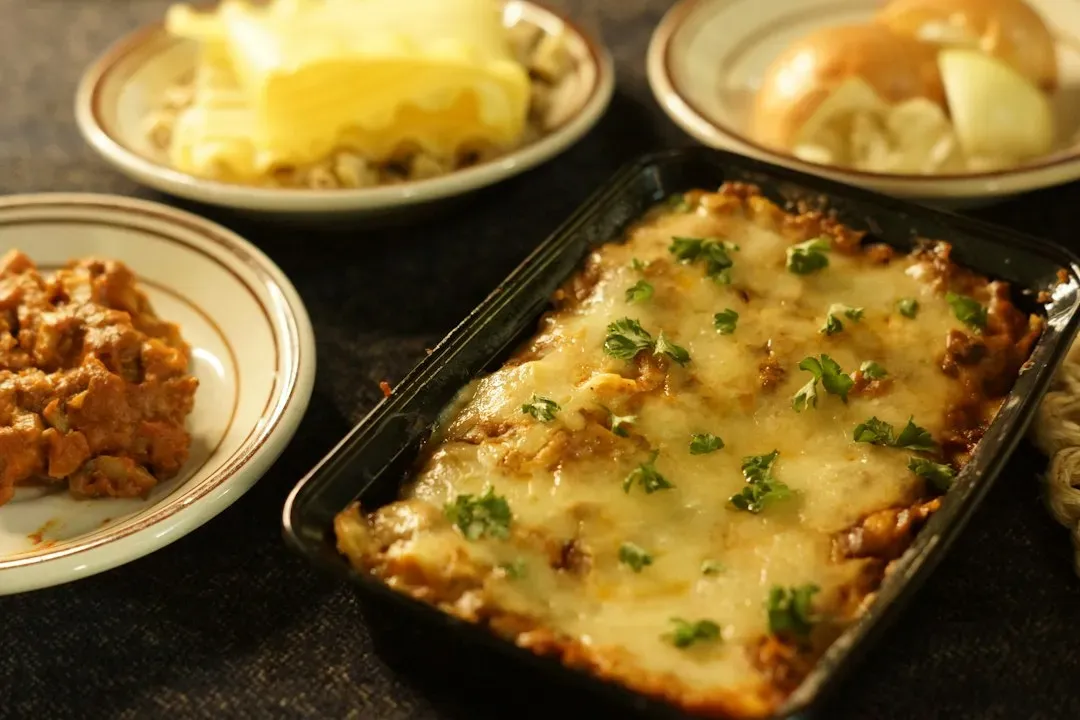
In Minnesota and neighboring states, a casserole is often called a hotdish. The usual formula is a protein, a vegetable, a creamy binder, and a starch on top, all baked in one pan. Tater tot hotdish is the best known version, with a layer of crispy potato rounds across the top.
The binder is frequently a can of condensed cream of mushroom soup, a pantry staple that has anchored American casseroles for generations. Hotdish also has deep roots in church basements and community cookbooks, where a dish needed to feed a crowd cheaply and travel well. Outsiders may wonder why the word exists at all, but to a local it simply describes the meal.
Serving Jell-O as a Salad
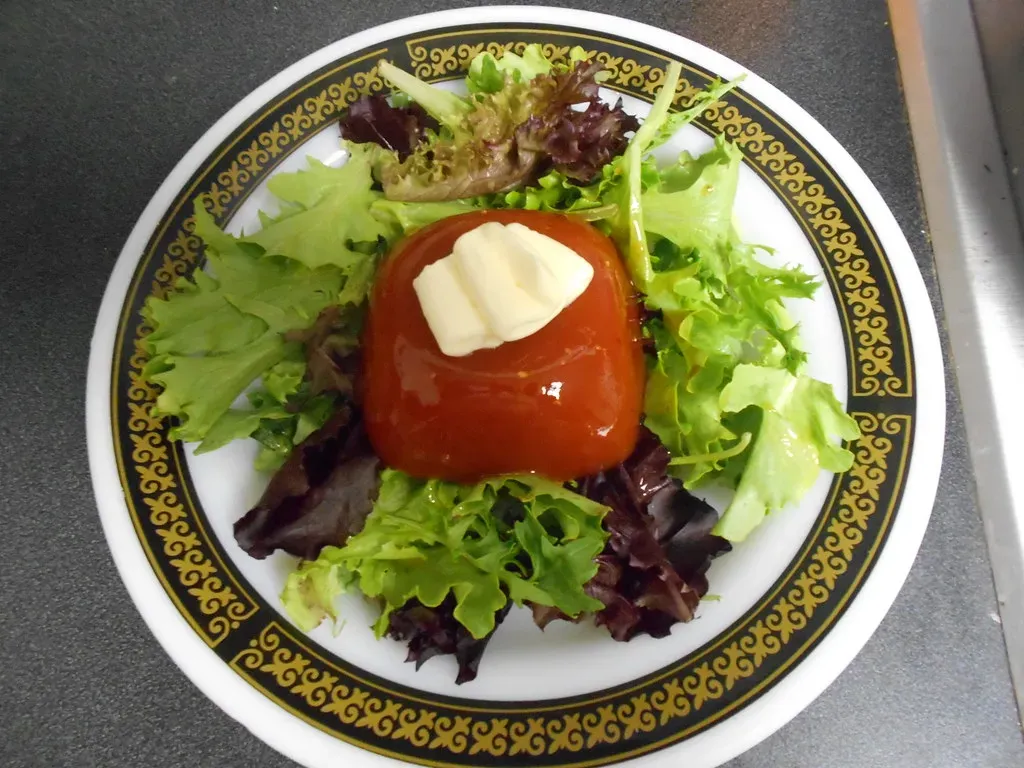
A wobbly, colorful dish sitting beside the main course at a Midwestern potluck is usually called a salad. It might hold shredded carrots, canned fruit, marshmallows, or whipped topping folded into gelatin. Guests from elsewhere often struggle to decide whether it belongs on the dinner plate or the dessert plate.
These recipes took off in the mid twentieth century, when gelatin was cheap, shelf stable, and heavily promoted in home cooking booklets. They also suited gatherings where food sat out for a while and had to hold its shape. Plenty of families still make one for holidays, mostly because it’s tradition rather than a trend.
Asking for Pop Instead of Soda
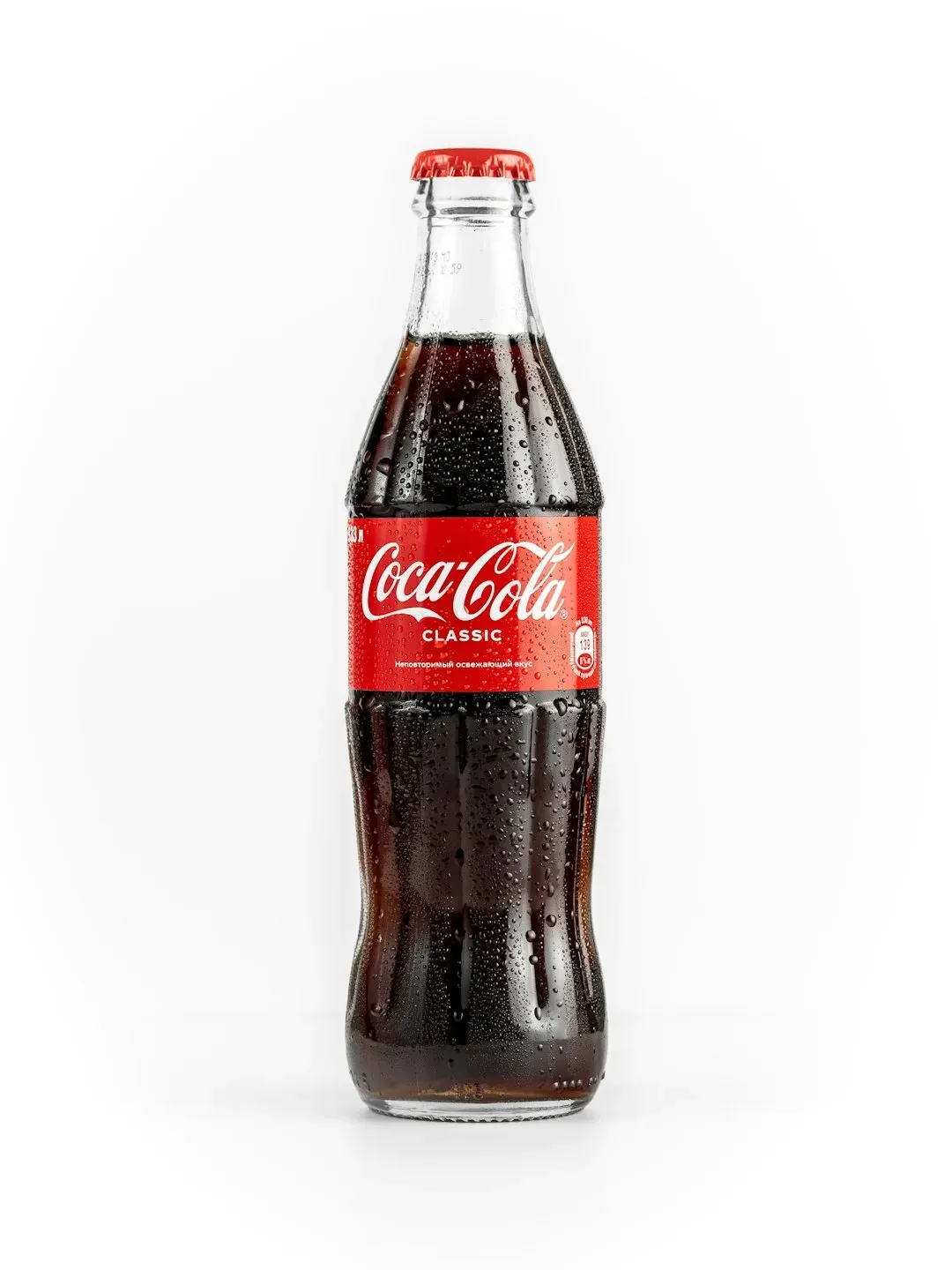
This one starts at the table and ends in a friendly argument. Across much of the Midwest and the Great Lakes region, a fizzy soft drink is called pop. Regional language surveys have long mapped the split between pop, soda, and the generic use of coke, and the Midwest sits firmly in pop territory.
Travelers sometimes get a blank look when they order it elsewhere. The word is shorthand for the sound the bottle makes when it opens, and locals don’t think twice about it. It’s a small thing, though it quickly reveals where someone grew up.
Keeping a Second Freezer in the Basement
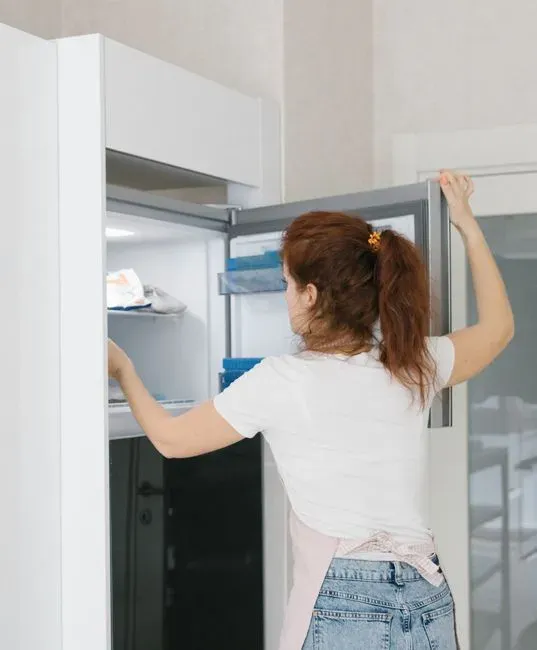
Many Midwestern homes have a chest or upright freezer tucked into the basement or garage, separate from the one in the kitchen. It’s often packed with garden vegetables, bulk meat purchases, frozen fish, venison, and extra casseroles. For people used to apartment kitchens, the setup can seem excessive.
The logic is practical. Winters are long, grocery trips can be harder when roads are bad, and gardening and hunting seasons produce a lot of food at once. A second freezer turns a short harvest into months of meals, and it makes a spare hotdish easy to hand over when a neighbor needs one.
Storing Leftovers in Old Butter Tubs
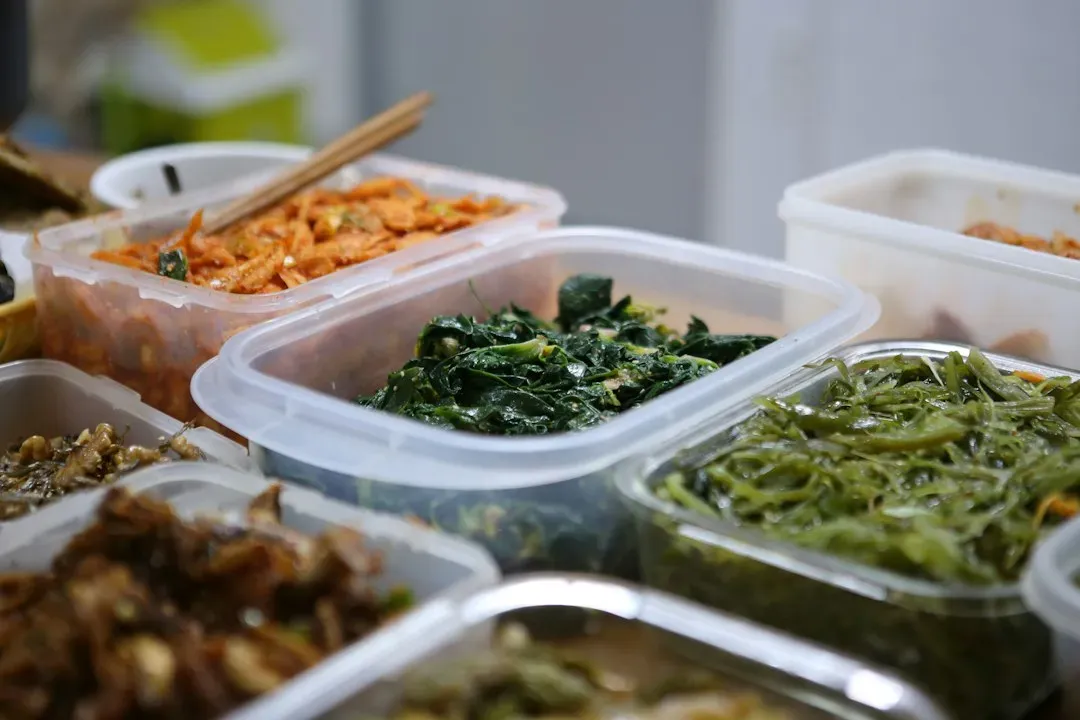
Open a Midwestern refrigerator and you may find soup in a margarine tub, chili in a whipped topping container, or sauce in a reused cottage cheese carton. The labels on the lids rarely match what’s inside. Opening the wrong one is practically a rite of passage.
Reusing plastic tubs is thrifty, and it saves the good storage containers for things that need to be returned. Potluck culture plays a part too, since sending a guest home with leftovers in a disposable container means nobody has to chase it down later. It looks unusual to outsiders, yet it’s a habit built around practicality and not wasting things.
Dunking Pizza in Ranch Dressing
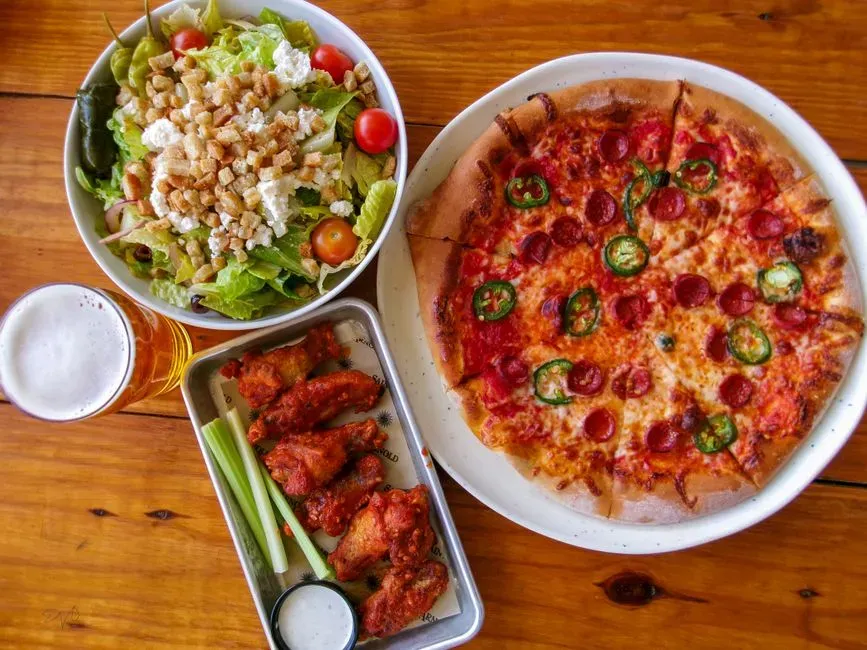
Ranch dressing has a larger role in Midwestern kitchens than just salad. Plenty of people pour a small cup of it beside a pizza and dip each slice as they go. Fries, chicken strips, and raw vegetables get the same treatment.
Ranch itself has an interesting history. It was created by Steve Henson, who developed the recipe in the 1950s while living in Alaska, and it was later commercialized under the Hidden Valley name in California. The Midwest simply adopted it with enthusiasm, and for many diners there it’s less a condiment than a standard part of the plate.





Leave a Reply