
United Kingdom: distance rules built into local planning law
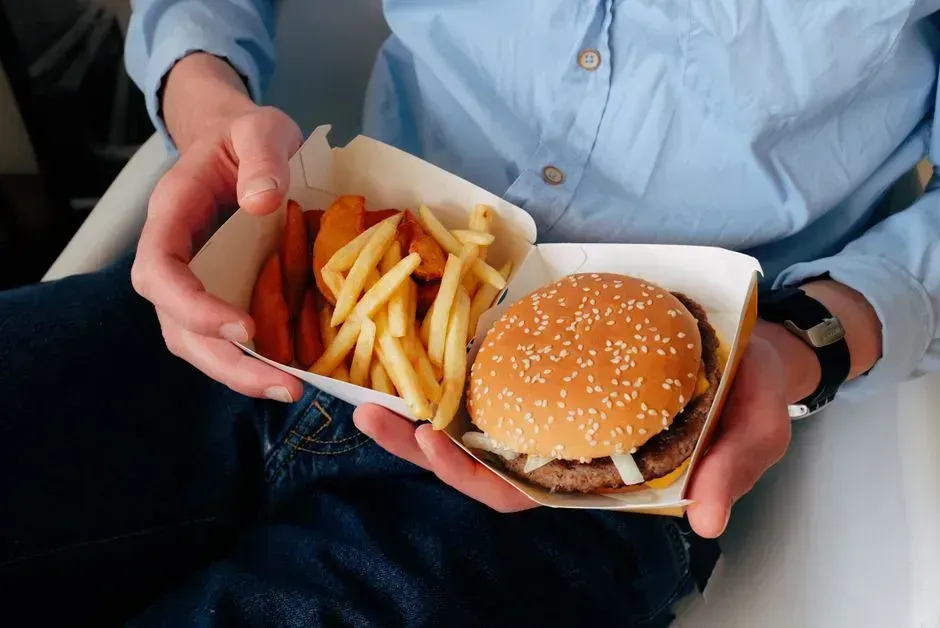
England has developed one of the most detailed legal frameworks anywhere for keeping fast food outlets away from children. Rather than a single nationwide rule, the approach works through planning law, giving local councils the power to refuse permits for new takeaways within a set radius of schools. This policy gives local governments the authority to restrict the opening of new restaurants providing quick-serve food and drinks within 400 metres of schools. Bristol has been one of the clearest adopters of this model, and a policy there will stop new takeaways from opening within 400 metres of schools or youth clubs.
London took the idea citywide. In an effort to combat childhood obesity, the city’s mayor announced a ban on fast food restaurants opening within 400 meters of school grounds. Wrexham in Wales had actually gotten there earlier, since planning guidance adopted in December 2011 banned new hot food takeaways opening within 400m of schools. Manchester and South Tyneside have since introduced similar exclusion zones, showing how a single planning idea spread from one council to dozens across the country.
Mexico: a nationwide sales ban inside school grounds

Mexico’s approach skips zoning distances entirely and instead bans the products at the source, inside the schools themselves. A government-sponsored junk food ban in schools across Mexico took effect as the country tries to tackle one of the world’s worst obesity and diabetes epidemics. The targeted items read like a checklist of the country’s most familiar school snacks, since the health guidelines take a direct shot at salty and sweet processed products that have become a staple for generations of Mexican schoolchildren, such as sugary fruit drinks, packaged chips, artificial pork rinds and soy-encased, chili-flavored peanuts.
The scale of enforcement is what sets this law apart. Since March 29, 2025, the sale of junk food has been banned in more than 200,000 basic-level schools across the country, in accordance with regulations announced in late 2024 by the education and health ministries. Schools that ignore the rule don’t get a warning, they get billed, and fines for noncompliance range from roughly 488 US dollars to about 5,518 US dollars. Vendors just outside the gates remain a gray area, but inside the fence, the rule is now firmly in force.
South Korea: Green Food Zones drawn in a 200 meter circle

South Korea’s version of this policy has a name that sounds almost cheerful for what is essentially a regulatory perimeter. Under the country’s dietary safety law, the Special Act on the Safety Management of Children’s Dietary Life established Green Food Zones, banning the sale of energy dense and nutrient poor foods including fast food and soda within school premises and stores within 200 metres of schools. The rule doesn’t just target restaurants either, it extends to convenience stores and street vendors operating inside that ring.
Adoption has been remarkably widespread since the rule took hold. By 2017, Green Food Zones existed at over 10,515 schools, covering more than nine out of every ten schools in the country. Regulators later went further by publishing a detailed product blacklist, and that list contains a total of 2,916 high-calorie and low-nutrition products which are banned, with the largest categories of affected processed food products being candy, chocolate, carbonated drinks, instant noodles, and snacks. It’s a striking example of turning a vague health goal into a literal, checkable product list.
Chile: pioneering warning labels paired with a school sales ban
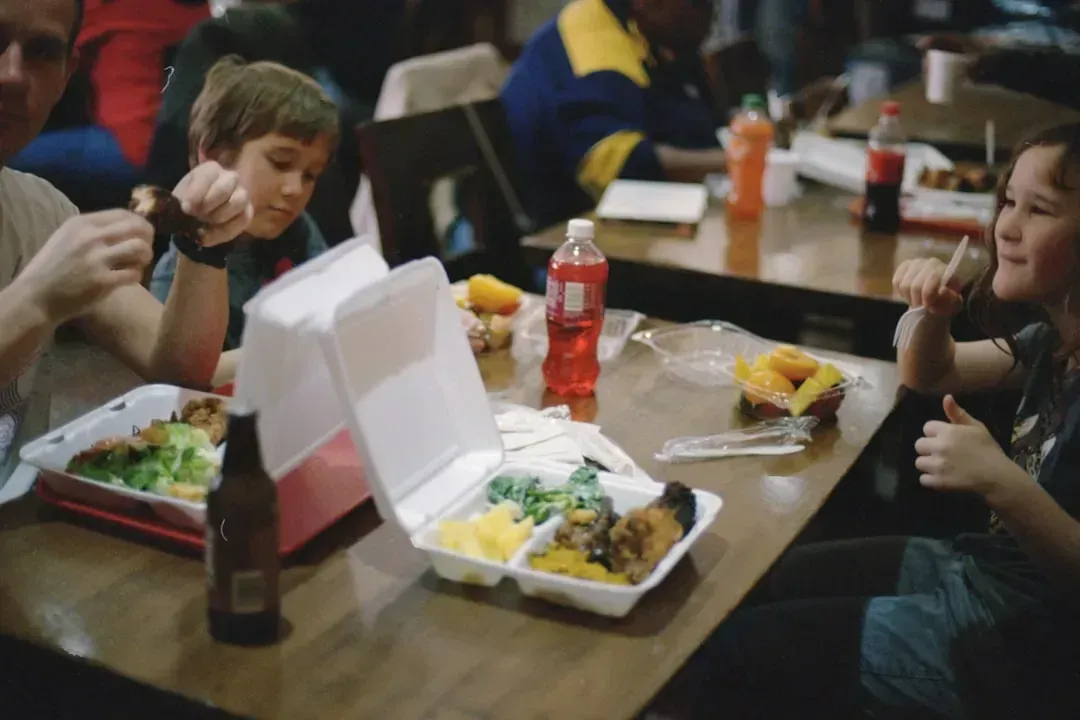
Chile didn’t invent the idea of restricting food near schools, but it was the first country to bundle several tools into one binding law. To prevent childhood overweight and obesity, the Chilean government ratified the Food Labeling and Advertising Law, taking effect in January 2016. Its most direct rule for schools is straightforward, since products high in critical nutrients such as calories, sugar, sodium, and saturated fat may not be sold in schools, whether packaged or not.
The law also closes a loophole that fast food chains have long relied on to hook younger customers. Article 8 stipulates that foods high in calories, fat, salt, or sugar may not be advertised using commercial hooks directed at minors under the age of fourteen. That single clause effectively ended toy giveaways tied to kids’ meals across the country. Lawmakers pushed the measure through at a moment when about one quarter of adults were obese in 2010 and nearly a quarter of schoolchildren were obese in 2012, numbers that made the case for action hard to ignore.
France: no vending machines, no full-time fries, no exceptions

France took a narrower but earlier route, focusing squarely on what sits inside the school building rather than the surrounding streets. From September 2005, the French government banned vending machines from all middle and secondary schools. The scale of that removal was considerable, since France had voted to ban all vending machines selling candy and soft drinks in schools, meaning an estimated 8,000 machines in the country’s middle and secondary schools had to be removed.
The country didn’t stop there. Cafeteria menus came under scrutiny too, and in 2004 vending machines were banned from schools with only fruit and water machines allowed, before the government banned ketchup from school cafeterias in 2011 and limited chips or French fries to once a week. Researchers who later studied the vending machine ban found it did shift behavior somewhat, noting the ban generated a 10-gram reduction in sugar intakes from morning snacks at school, along with a significant reduction in the frequency of these morning snacks. It’s a modest but measurable result, and a reminder that even blunt bans can move the needle a little.
Peru: octagon warning labels extended into school cafeterias

Peru followed Chile’s lead fairly closely, adapting a similar labeling and school sales model to its own food culture. Under the country’s healthy eating law, first passed in 2013 and phased in through later regulations, foods that exceed set limits for sugar, sodium, saturated fat, or trans fat must carry a black octagonal warning label on the front of the package, mirroring the design Chile popularized. Schools are barred from selling these labeled products in cafeterias and kiosks, which has reshaped what’s available to students during the school day.
The law also targets the marketing tactics that once filled school snack stalls, prohibiting the use of toys, contests, or cartoon characters to promote flagged products to children. Enforcement has leaned heavily on the labeling system itself, since a product carrying the warning octagon is automatically excluded from school sale regardless of where it’s purchased. Peru’s version shows how a policy developed in one Latin American country can travel to a neighbor with only modest adaptation, giving the region a recognizable, shared visual language around unhealthy food.




Leave a Reply