
Every generation parents through the lens of the world they grew up in. For Baby Boomers, that world meant tighter household rules, fewer safety regulations, and a cultural assumption that children were meant to fit into family life, not the other way around. The result was a style of child-rearing that, by today’s standards, looks strikingly different from what most millennial parents practice.
A 2024 study from Lurie Children’s Hospital of Chicago found that most millennial parents are raising their children differently from previous generations, with roughly three quarters of them believing they’re actually doing a better job. Whether that confidence is warranted is a separate debate. What’s clear is that certain habits once considered completely ordinary in Boomer households have nearly disappeared from modern family life.
Letting Kids Roam the Neighborhood Unsupervised

In the era of Boomers, the neighborhood was every child’s playground. Kids would explore streets, parks, and alleys without a hovering parent in sight. It was an age when “come back before dark” was the only rule. Nobody tracked anyone. Children just went, figured things out, and came home with scraped knees and stories.
For millennial parents, the idea of letting kids roam unsupervised feels terrifying. Many track their children’s locations through apps, require helmets for every bike ride, and schedule playdates rather than letting kids wander off. Leaving a grade-schooler unsupervised is not only socially frowned upon today but, in some places, legally risky. Millennial and Gen Z parents lean heavily on after-school programs, babysitters, or family help to make sure kids are always supervised. The shift is real, and it’s profound.
Using Corporal Punishment as Discipline

For many Boomers, spanking wasn’t just accepted. A swat with a belt, paddle, or wooden spoon was a standard form of discipline, and most households had their preferred method. At the time, it was seen as an effective way to keep kids in line. Teachers in many states held similar authority inside classrooms. It was simply the norm, rarely questioned.
Millennial parents often turn to alternative methods such as time-outs, reasoning, and positive reinforcement. The focus is on understanding behavior rather than enforcing compliance through fear. The research is now clear: physical punishment doesn’t work and often causes lasting harm. It teaches that violence solves problems and that might makes right. Most pediatric organizations today actively discourage it, and millennials have largely moved on from it entirely.
Enforcing Non-Negotiable Household Chores

Chores were not optional in Boomer households. They were expected. Kids as young as six were folding laundry, setting tables, and taking out trash. Boomers often expected their kids to pitch in around the house without receiving any payment or rewards. Chores were seen as part of being a responsible family member, and everyone was expected to contribute. No negotiation, no allowance required.
Modern parents, in contrast, may still assign chores but often offer rewards or structure tasks in a way that is more flexible, and kids are sometimes paid for their work. Studies show children who do chores grow into more capable, self-sufficient adults. Many modern parents do everything for their kids to avoid conflict or save time, but that shortcut has long-term costs. The chore culture that Boomers took for granted has softened considerably.
Strict “Because I Said So” Authority

Boomers were raised under a more authoritarian parenting paradigm, marked by strict rules and less emphasis on dialogue. As a result, when both generations are involved in raising the same child, conflicts can arise due to conflicting parenting philosophies. A Boomer grandparent might default to the traditional “because I said so” approach, relying on authority and obedience to maintain discipline. Questions from children weren’t always welcome.
Back then, kids often grew up under the rule that children should stay quiet when adults were around. Talking back, asking too many questions, or even joining in on adult conversations was seen as disrespectful. Many kids learned to sit silently at the dinner table while their parents carried the discussion. This style of parenting reflected a larger cultural emphasis on hierarchy and obedience. Modern parenting emphasizes explanation and understanding. Kids are encouraged to ask why, and parents try to provide age-appropriate reasons. This builds critical thinking skills and helps children understand cause and effect.
Enforcing Rigid Gender Roles at Home
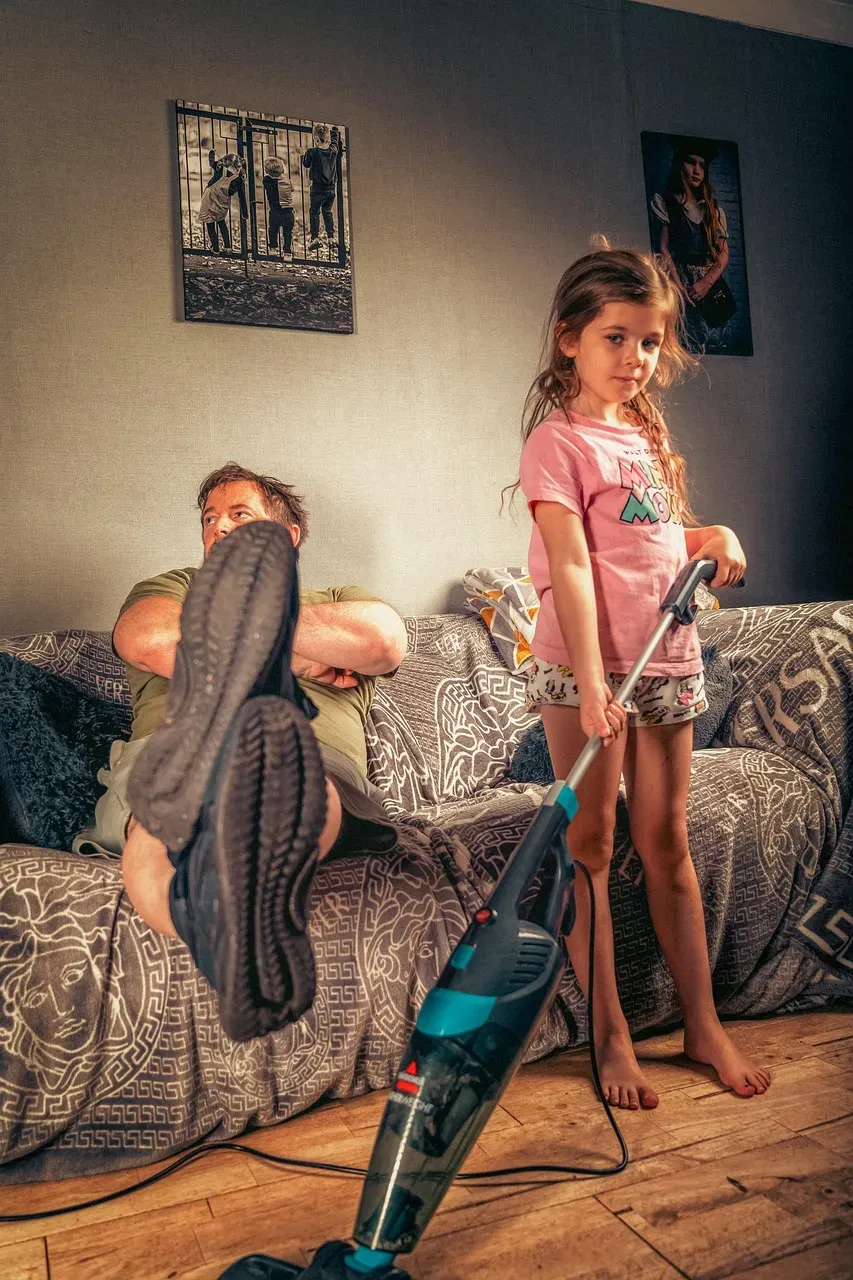
Gender roles were deeply embedded in Boomer households. Boys were raised to be tough and unemotional, while girls were often steered toward domestic responsibilities. These roles shaped everything from chores to hobbies to career paths. It wasn’t viewed as limiting at the time. It was simply the way families organized themselves.
Boomers were raised in an era when traditional gender roles were the norm. Parents often had clear expectations about what was appropriate for boys versus girls, from the chores they did to the careers they pursued. Today’s parents are more likely to encourage their children to explore any interest without the restrictions of traditional gender expectations. Millennial fathers are more enthusiastic about parenting duties than dads of previous generations. Many millennial families, especially those with two working parents, embrace a co-parenting approach where responsibilities for all things child-related are split more or less equally between both parents.
The Sacred Family Dinner Table – Without Screens or Excuses
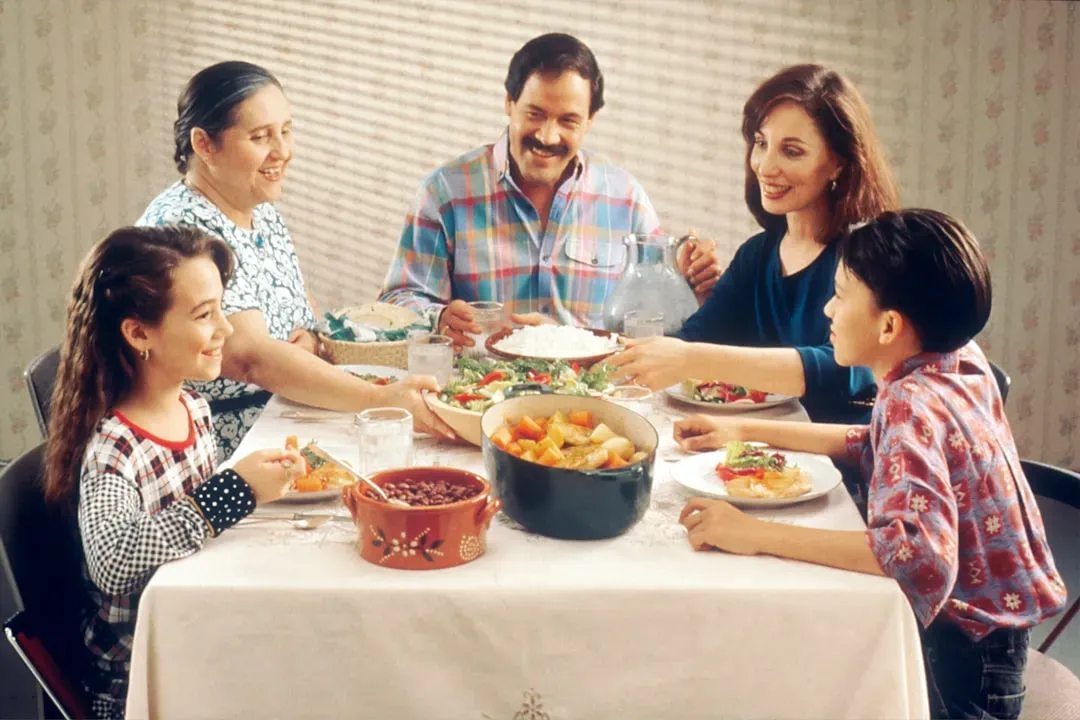
The tradition of having dinner together was a common Boomer parenting habit. Sitting down for family dinner without the distraction of screens allowed kids and parents to connect after a busy day of school and work. It also helped kids learn relational skills like conversational flow and interpreting non-verbal cues like body language. Finishing what was on your plate wasn’t a suggestion, either.
There were no separate kid’s meals or custom orders in Boomer households. If dinner was meatloaf and canned peas, that’s what you ate, or you went hungry. Millennial parents tend to be more accommodating of preferences and dietary differences, and screen-free meals have become something parents consciously work toward rather than simply expect. When asked why millennials parent differently, both generations agreed on three main factors: shifting parental roles, the introduction of the internet and social media, and an increased awareness of mental health. The dinner table, it turns out, reflects all three at once.
Parenting always mirrors the era it comes from. Boomers raised children inside a culture that valued self-reliance, obedience, and resilience, often without much space for emotional nuance. Millennials have rewritten many of those defaults, guided by research, mental health awareness, and a desire to do things differently from how they were raised. Neither generation got everything right. What’s worth noticing is how deliberately today’s parents are making choices that their own parents simply never had to think about.




Leave a Reply