
Most people walk past them every day without a second thought. A tarnished fork at the back of a kitchen drawer, a dusty oil painting propped behind a door, a stack of old books nobody’s touched in decades. The idea that something genuinely valuable could be sitting in your own home, unrecognized, sounds like the premise of a television show. Except it keeps happening in real life.
In 2024 alone, artworks and valuable artifacts turned up in the most surprising locations, from thrift stores to musty old attics, and some of them made quite the mint on the auction block. The global art and antiques market provides a fascinating look at these forces in action, with total sales estimated at $57.5 billion in 2024. The chances of something worthwhile being tucked away in an average home are genuinely higher than most people assume.
Antique Oil Paintings
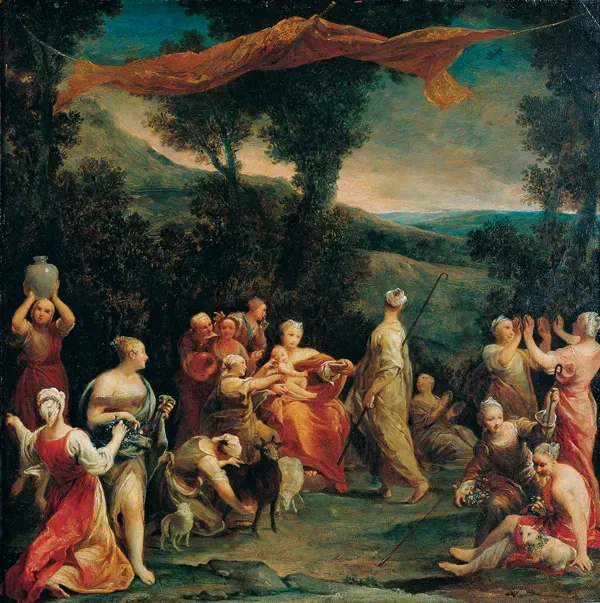
A beautiful work of art not only makes a home look elegant but may be quite valuable. Old paintings can be worth thousands and sometimes even millions of dollars, depending on the quality. Pictures of famous people and beautiful scenes tend to attract collectors, and paintings with vintage frames and signatures can add even more value to the artwork.
The most striking stories come from pieces that were barely noticed in their own homes. One antiques specialist, showing up for a consultation with a client, spotted a forgotten painting hidden behind a piano. It was the painting the client didn’t like and had forgotten about that turned out to be the most valuable, resulting in a six-figure payout. A painting bought for a few dollars at a thrift shop turned out to be a 17th-century masterpiece, and after being featured on BBC’s Antiques Roadshow, the pastoral scene was valued at up to $120,000 at auction.
Sterling Silverware and Flatware Sets
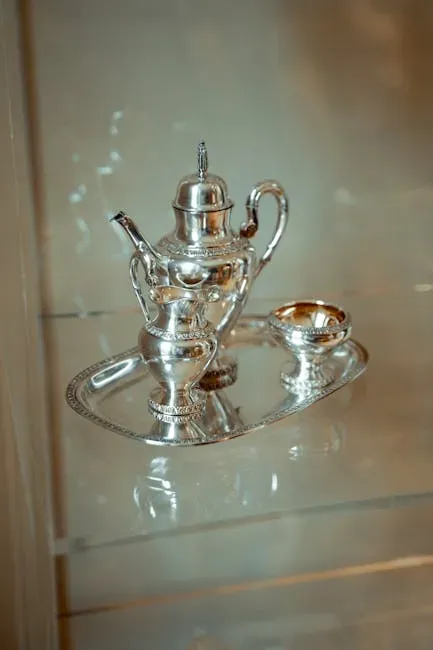
Sterling silverware dishes and plates are among the most valuable antique items ever produced. Their material and ability to stand the test of time without fading, cracking, or losing form have made them sought-after collectibles. All sterling silver created in the United States after 1850 will be stamped with marks like “Sterling,” “.925,” or “925/1000,” and additional research about the pattern and maker will help determine its worth.
The range in value is wide, which is part of what makes this category so interesting. Renowned makers and patterns to look for include early Gorham, Tiffany Japanese or Chrysanthemum, Jensen patterns and larger hollowware, distinctive Arts and Crafts studio work, and fine Georgian or Irish silver with clear hallmarks. At the very top end of the market, a Germain soup tureen belonging to King Louis XV of France sold for $10 million at Sotheby’s, setting a record as the most expensive silverware ever sold at auction.
Antique Clocks
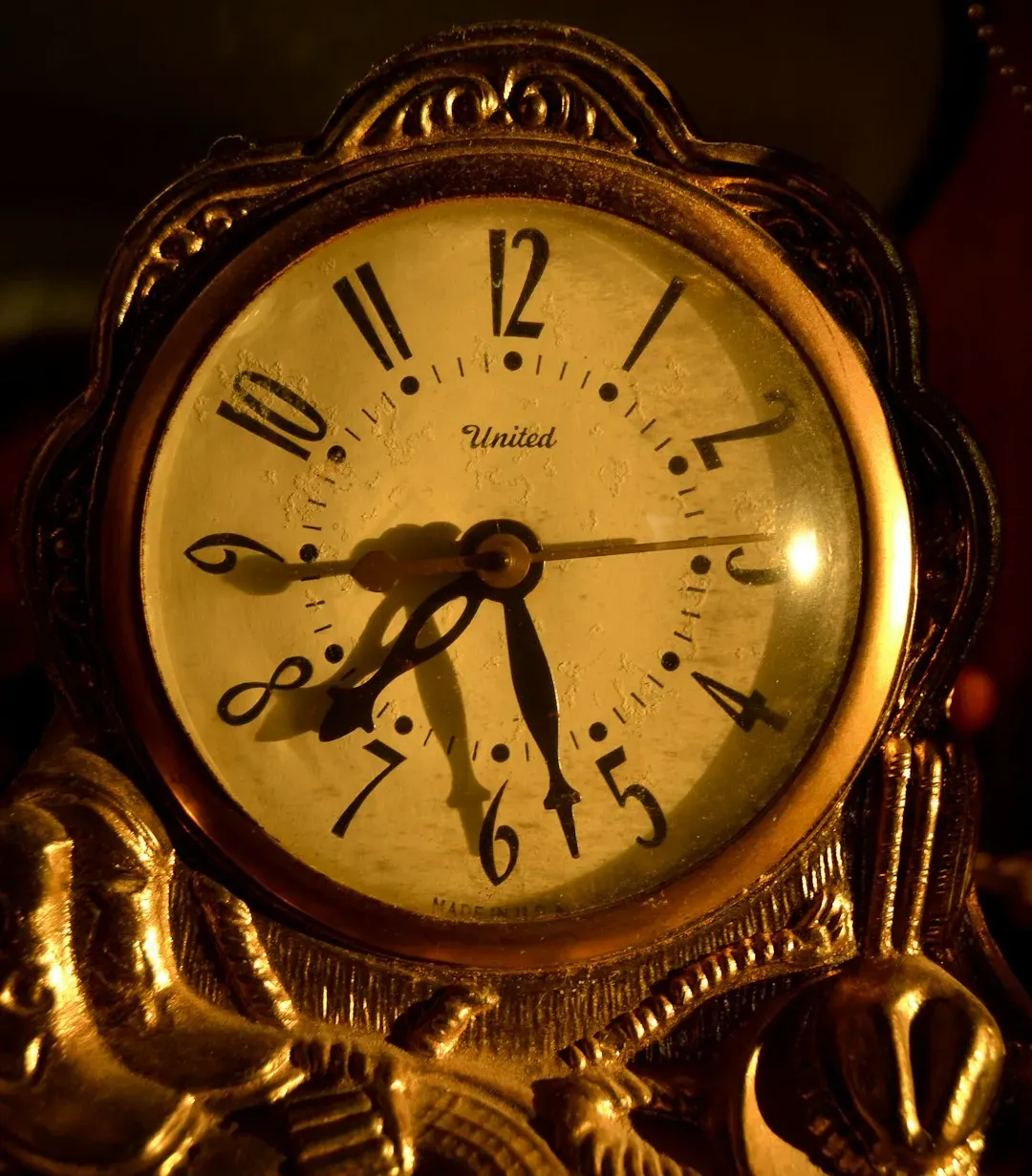
Clocks are often passed down as family heirlooms, and before selling or discarding one, it’s worth considering its value. Old clocks with an art-deco or mid-century modern style can be worth over $100,000. Old clocks, especially vintage and antique models, can be worth significant sums, with their value influenced by factors like rarity, quality, age, and collectibility.
The upper range of this market is genuinely extraordinary. A rare 18th-century bracket clock sold for over £3.2 million. That kind of number is obviously exceptional, but the point is that a clock sitting on a mantelpiece, assumed to be a decorative relic, could deserve a serious look. Condition, originality of parts, and the maker’s name are the three things appraisers focus on first.
Antique Jewelry and Brooches
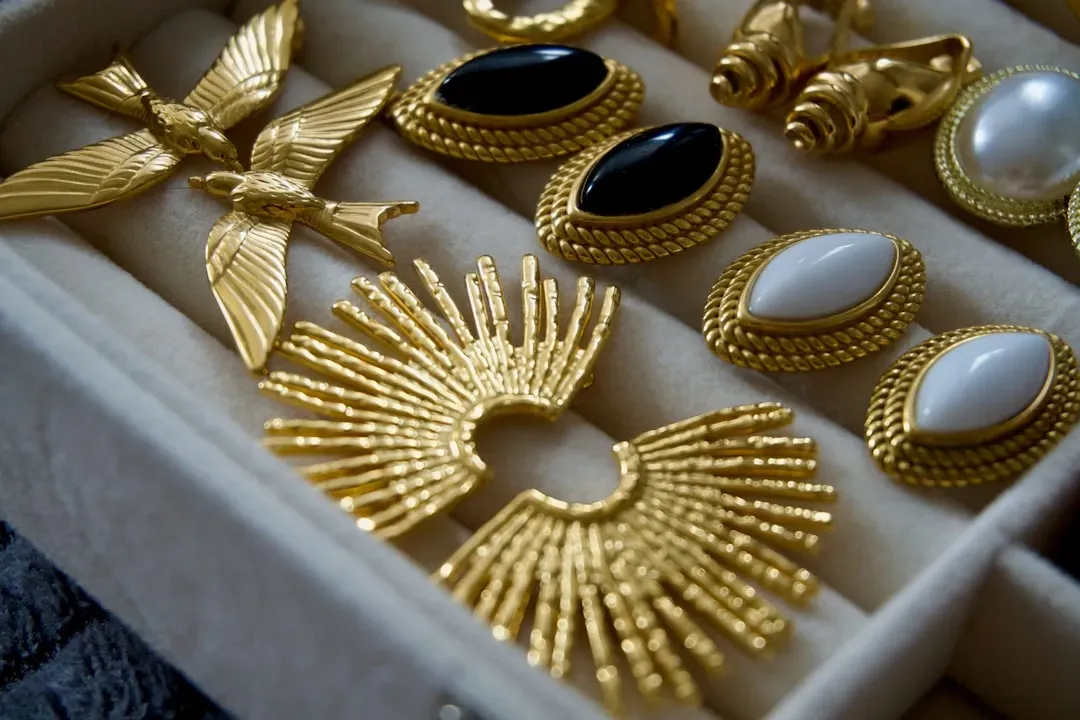
Finding antique jewelry at home can be a real treat. One way jewelry is valued is by its materials, and if a piece looks like it is made from a precious metal, checking for tiny markings is the right first step. A silver brooch may have a “925” mark, and a gold ring may carry a “24K” stamp. Fine craftsmanship and unique designs make antique jewelry highly collectible, and pieces from notable eras like Art Deco or Victorian, or those featuring precious stones, can fetch high prices.
Costume jewelry shouldn’t be dismissed either. Style can matter as much as material, and costume jewelry made of plastic, glass, or wood can also fetch high prices at auction, depending on the buyer and the taste of the moment. A concrete example of just how surprising this category can be: a Victorian brooch bought for just $25 at an antiques market was identified on BBC’s Antiques Roadshow as a rare piece by designer William Burges and sold for $15,000 at auction.
Oriental and Persian Rugs
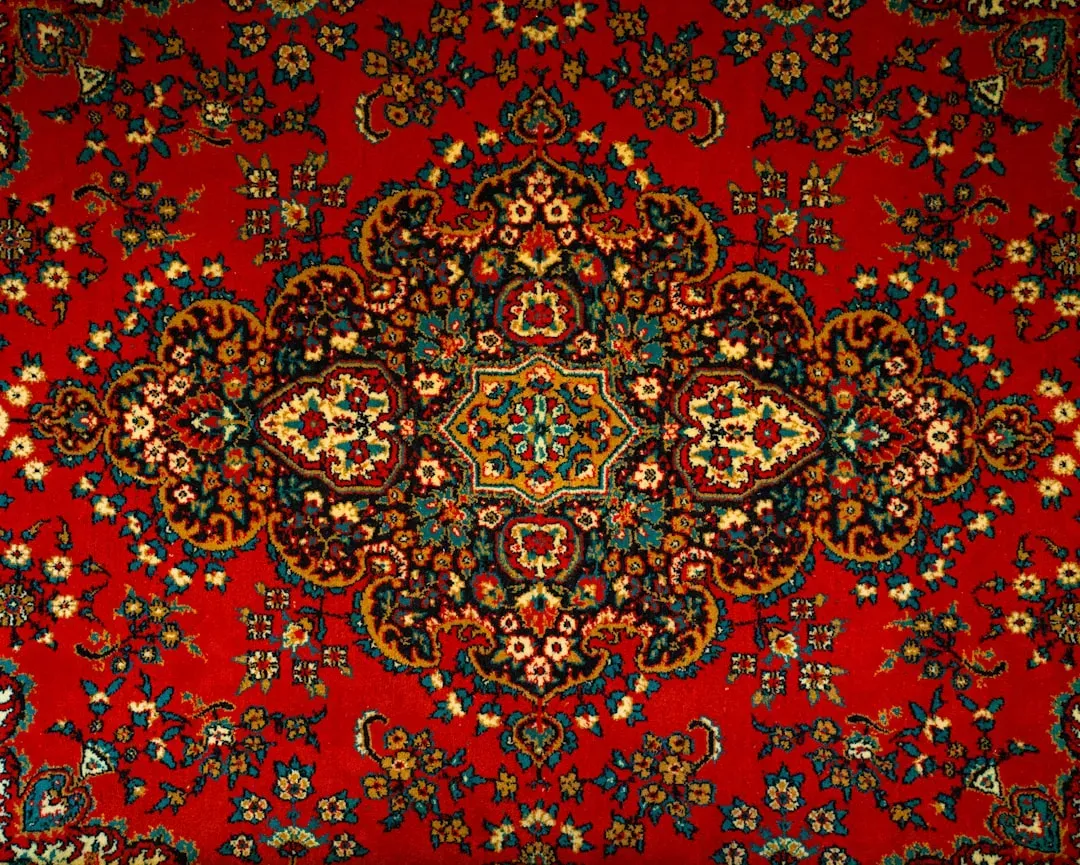
Fine handwoven rugs can contain up to 1,000 hand-tied knots per square inch, representing months or years of skilled labor. Genuine silk examples shimmer differently when viewed from various angles, a feature called directional pile. Designs from Qum, Isfahan, and Nain are especially prized for their intricate patterns featuring hunting scenes, gardens, or geometric medallions.
If you have previously purchased or inherited a large Oriental area rug or runner with a desirable color and origin, it could be worth quite a bit to a savvy interior decorator. Even if it’s not particularly clean or it comes from a home with pets or smokers, the value after professional cleaning can be significant. At the highest level, a Persian carpet sold for a record-breaking $33.7 million at Sotheby’s New York in 2013. Most household rugs won’t reach those heights, but investment-quality pieces should be at least 50 years old.
First Edition Books
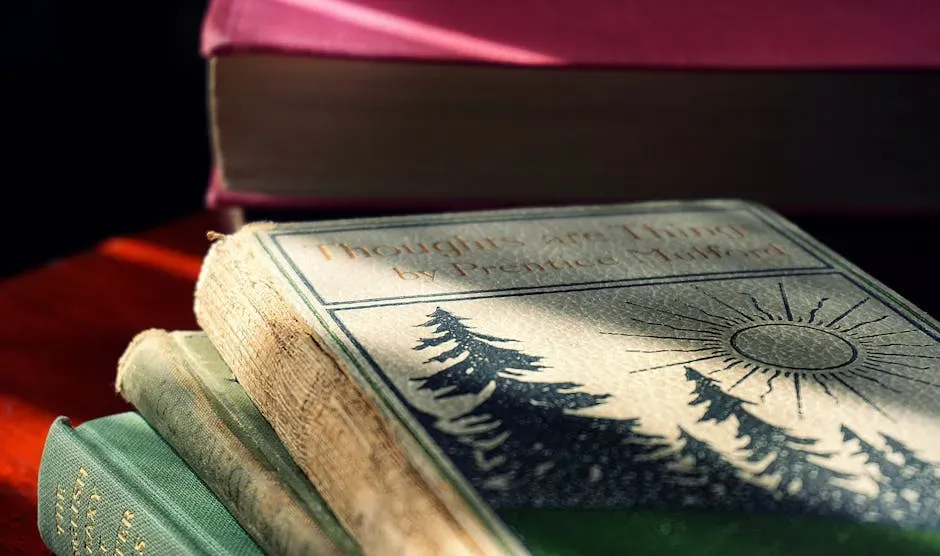
A first edition of a classic novel, especially in good condition with its original dust jacket, can be incredibly valuable. Books considered literary classics, like “The Great Gatsby” or “Harry Potter and the Philosopher’s Stone,” are among the most sought-after, with a pristine copy of the latter selling for roughly $90,000 at auction in 2019. Old books and comic books can hold significant value, especially those with first editions, rare prints, or signatures from the author or illustrator.
The range in this category is enormous, which keeps it interesting for collectors at every level. A signed, first edition copy of Harry Potter and the Philosopher’s Stone by J.K. Rowling sold for $120,000 at Hindman. Even books that seem commonplace can turn out to be surprises if they’re early print runs of later-famous titles. Checking the copyright page for edition details and looking for original dust jackets in good condition are the two most important first steps.
Mid-Century Modern Furniture
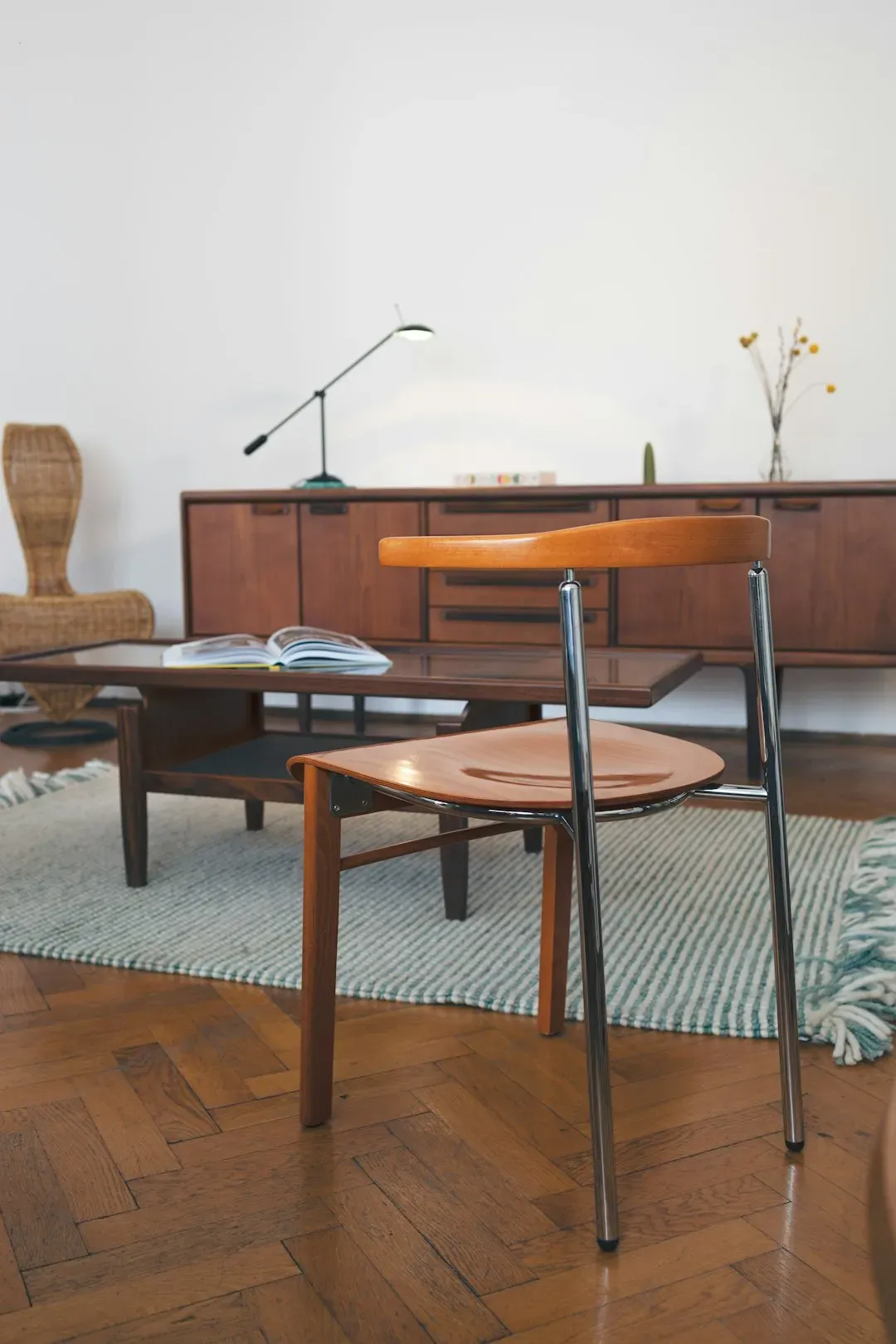
Mid-century modern furniture has seen explosive growth in the antiques market. Eames chairs and tables with designer labels dramatically increase in value, as do Scandinavian teak furniture with clean lines and quality craftsmanship, and Danish modern pieces by makers like Wegner and Finn Juhl. Market values for mid-century pieces have increased between 300 and 500 percent over the last decade.
What’s especially useful about this category is that the pieces are still fairly common in homes, often inherited from parents or grandparents who bought them new. Victorian antique furniture also holds strong appeal, with roll-top desks, particularly functional pieces with hidden compartments, considered the most valuable. Victorian furniture features heavy, ornate carvings and dark woods like mahogany and walnut, and original hardware matters significantly. A maker’s label or stamp underneath a chair or inside a drawer can change the story of a piece entirely.
Vintage Vinyl Records
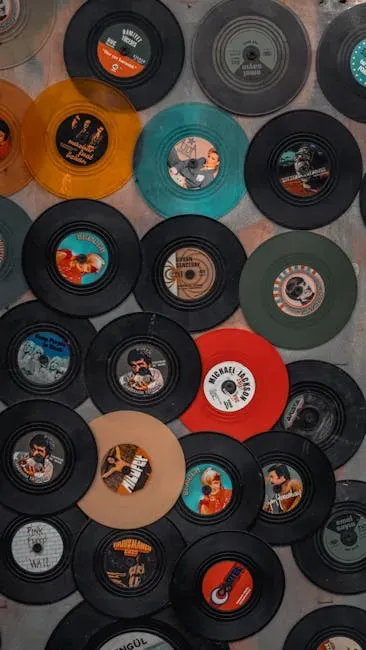
The nostalgia of songs from your childhood, original pressings of iconic albums, or rare recordings are highly prized releases that can increase the market value of a vinyl collection. Vinyl records have seen a resurgence in popularity, which has increased their value, especially for collectors. Old LPs could be worth a lot of money depending on the artist, album, and release date. A UK report identified ten vinyl records worth up to £10,000, including a Beatles pressing that sells for around £6,000.
The most valuable copies tend to be original pressings rather than later reissues, and condition of both the vinyl and the sleeve matters enormously to serious collectors. Original pressings of iconic albums and rare recordings are the most prized, and vinyl records have seen their value climb steadily as collector demand strengthens. Checking for a first pressing label identifier on the center of the record is the clearest way to know if a copy is potentially significant.
Antique Coins
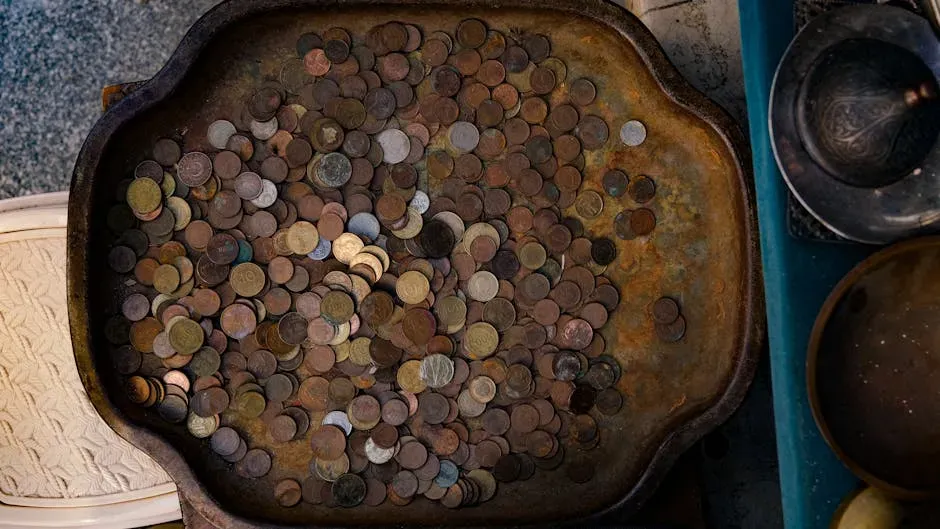
Rare coins can be a desirable option for collectors due to their age, rarity, and the unique moments in history they represent. Some coins, such as the 1933 Double Eagle gold coin, have fetched record-breaking prices at auctions. In 2021, a 1933 Double Eagle coin sold for $18.9 million at Sotheby’s. It’s essential to consider a coin’s condition, rarity, and historical significance when assessing its value.
Coins worth significant sums include the 1933 Double Eagle, the 1794 Flowing Hair Dollar, the 1787 Brasher Doubloon, the 1861 Paquet Liberty Head Double Eagle, and the 1913 Liberty Head Nickel. Most households aren’t sitting on anything quite that rare, but old coin collections stored in jars, tins, or envelopes from a grandparent’s estate can occasionally contain overlooked pieces. The key factors that give a coin its value come down to four foundational pillars: rarity, condition, provenance, and maker’s marks. A professional numismatist is the right person to call when something looks unfamiliar or unusually old.
The antiques market rewards patience and attention in equal measure. In the vast world of antiques, there are thousands of pieces priced below their true market value. Whether due to a lack of knowledge on the part of the seller or simply because an item has been overlooked, undervalued antiques often hide in plain sight. A slow walk through your own home with fresh eyes might be one of the more worthwhile things you do this year.


Leave a Reply