
Most people toss a 1776–1976 quarter into a change jar without a second thought. It’s been sitting in drawers, old wallets, and forgotten coin rolls for nearly fifty years. Yet in 2026, a quiet but noticeable shift is happening in the numismatic world: interest in Bicentennial quarters has surged, with some commanding values far beyond their face value. The reasons are a mix of precious metals momentum, approaching anniversaries, and a new generation of collectors who are just now discovering what their grandparents tucked away.
The broader Bicentennial coinage program was no small affair. It produced a set of circulating commemorative coins, consisting of a quarter, half dollar, and dollar struck by the United States Mint in 1975 and 1976, each bearing the double date 1776–1976 on the normal obverses for the Washington quarter, Kennedy half dollar, and Eisenhower dollar. Whether you have one coin or a complete set, what you’re holding is more layered in value than most people realize.
A Design Born From a National Competition
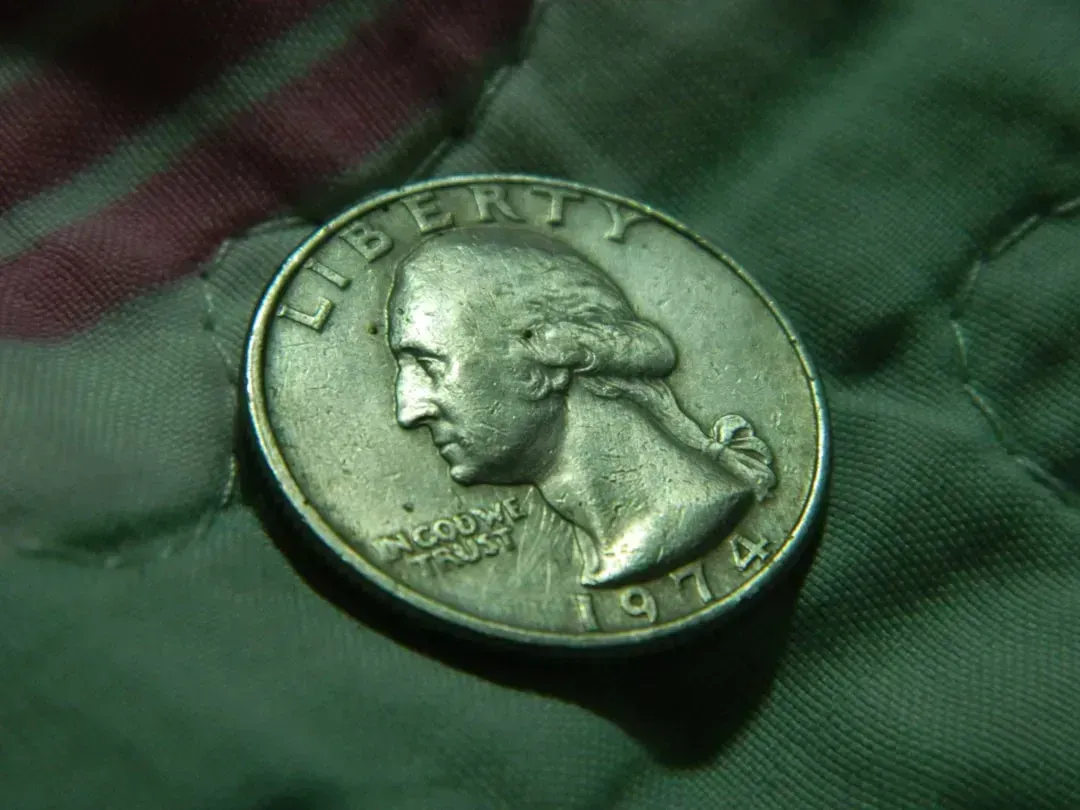
The Treasury’s open design contest for the Bicentennial coins represented a democratic approach to coin design, allowing American artists to contribute to the nation’s commemorative coinage. The winning design beat thousands of submissions, demonstrating the power of accessible artistic competition in creating memorable numismatic art.
The quarter featured a unique reverse design created by Jack L. Ahr, showing a colonial drummer with a torch surrounded by 13 stars. The obverse retained George Washington’s portrait but included the dual date “1776–1976.” Production began in 1975, a full year early, to discourage hoarding and ensure the public could enjoy the new designs throughout the bicentennial celebration.
How Many Were Actually Made
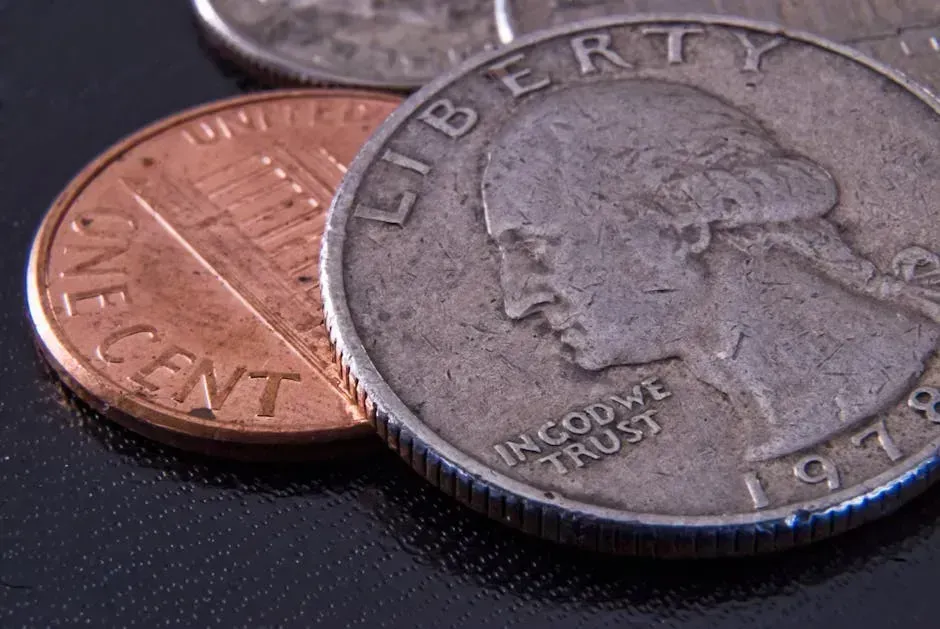
Bicentennial quarters were minted to commemorate America’s 200th birthday, and they represent one of the most widely circulated special-design quarters in U.S. history, with over 1.6 billion pieces produced across two years of minting. PCGS lists the mintages as 809,784,016 from Philadelphia and 860,118,839 from Denver.
More than 1.6 billion quarters were minted for the 1976 Bicentennial, spanning three U.S. Mint locations: Philadelphia, Denver, and San Francisco. The Philadelphia and Denver branches handled the production of regular business strike quarters. Meanwhile, the San Francisco Mint crafted proof and uncirculated versions, available in sets for coin collectors, crafted from both silver and copper-nickel clad materials. In a 1996 statistical study, researcher T.V. Buttrey found that about 750 million of the circulation quarters, more than a third, had been hoarded and did not circulate.
The Silver Varieties That Changed Everything
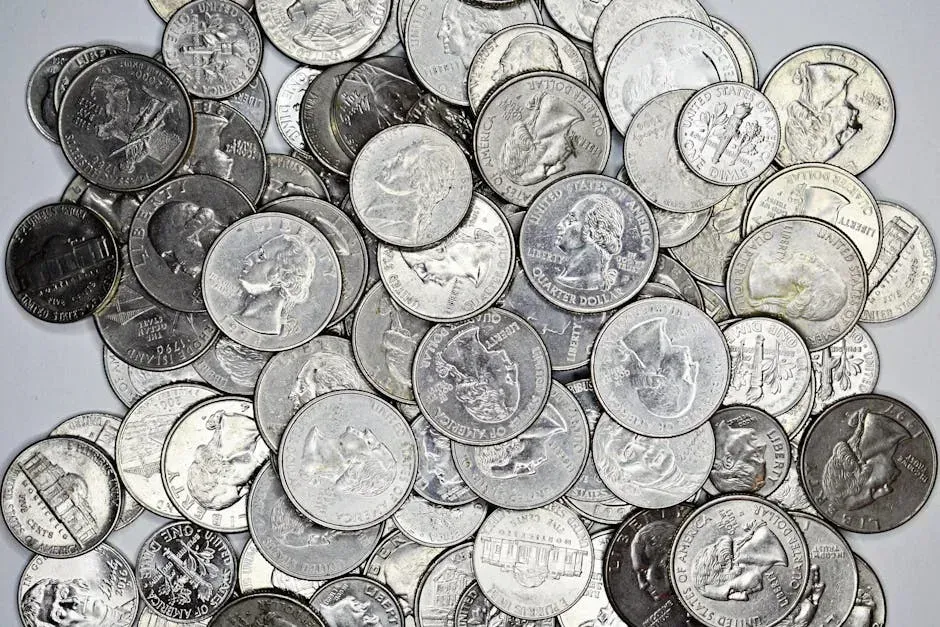
Silver Bicentennial quarters were struck in 40% silver and sold in special collector sets, making them worth significantly more than face value. The 40% silver Bicentennial quarters contain approximately 0.148 ounces of pure silver, and with current silver spot prices, the melt value alone provides a baseline for these coins’ worth.
Millions of silver Bicentennial quarters were melted in 1982 and subsequent years, reducing the surviving population and increasing scarcity for serious collectors. High-grade examples are particularly scarce due to poor initial storage and handling by the general public who received these as circulating commemoratives. In 2026, silver Bicentennial quarters remain highly prized, with values ranging from a few dollars for circulated examples to hundreds for pristine, uncirculated coins.
Proof Coins From San Francisco
Proof Bicentennial quarters struck at the San Francisco Mint are a distinct area of collector interest. These coins feature sharp details and mirror-like surfaces, making them attractive to collectors. Silver proof issues are especially valuable. In recent auctions, pieces of the proof Washington Bicentennial quarter in deep cameo finish sold for up to $154 in PR70 grade.
Proof versions, especially from San Francisco with an “S” mint mark, are made with extra care and often stored in collector sets. A flawless proof coin graded PR70 Deep Cameo by PCGS or NGC can sell for hundreds of dollars. A silver 1976 Bicentennial quarter graded MS68 is valued from $23 to $144, while an MS69 example ranges from around $5,060 up to $19,200.
Mint Errors That Collectors Chase
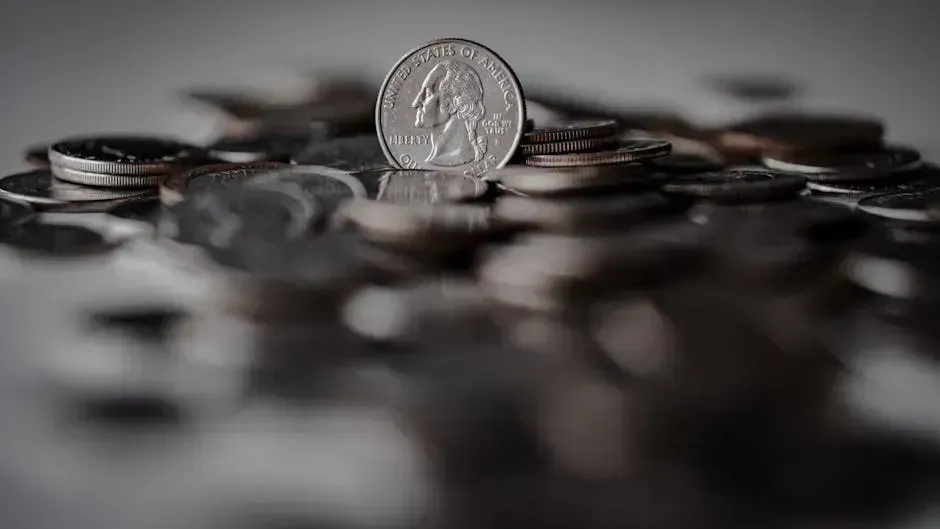
Like many coins, the Bicentennial quarter has its share of minting errors. Off-center strikes, doubled dies, and coins struck on wrong planchets can command significant premiums. These error coins are rare and often sell for hundreds or even thousands of dollars depending on condition and uniqueness.
A double strike happens when a coin is struck more than once by the minting press, creating overlapping designs that can look almost artistic. Depending on the severity, these coins can reach values over $1,000. Major Bicentennial error coins are especially sought after by collectors, and a 1976-D quarter obverse die cap error sold in an auction for $2,880.
The Kennedy Half Dollar Side of the Story
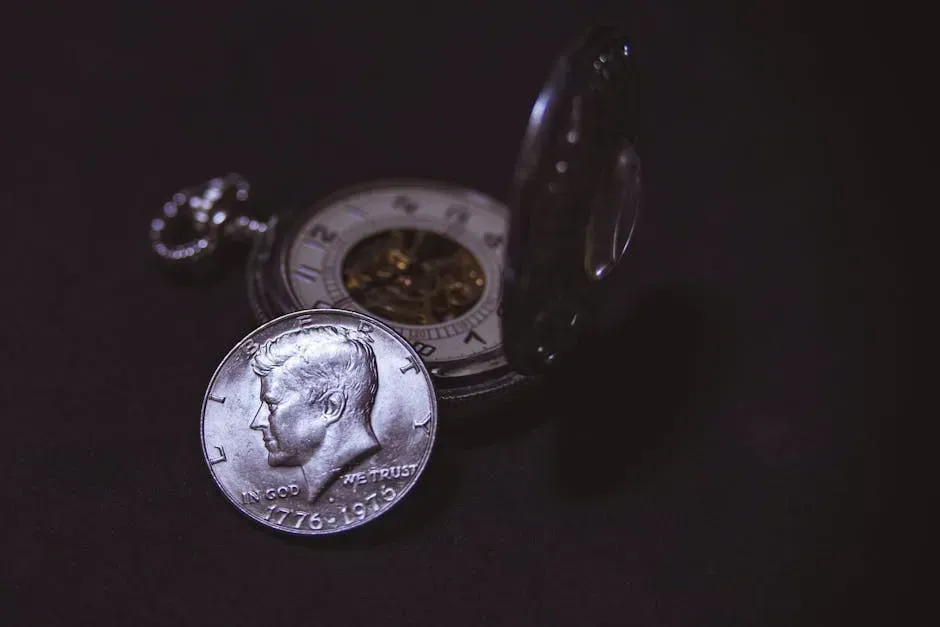
The reverse of the Bicentennial Kennedy Half Dollar featured a front view of Independence Hall in Philadelphia, designed by Seth G. Huntington. The reverse also carries the words “200 Years of Freedom” and “Independence Hall,” making it the only one of the three Bicentennial coins to feature additional words.
Both copper-nickel clad coins were made for circulation during the years 1975 and 1976, as well as some 11 million silver clad coins produced for collectors. Some 4 million silver clad proofs were also struck. The most valuable Bicentennial Half Dollar is the MS69 grade 1776–1976-S Kennedy Half Dollar, which sold for $9,600 in 2022.
The Eisenhower Dollar in the Mix
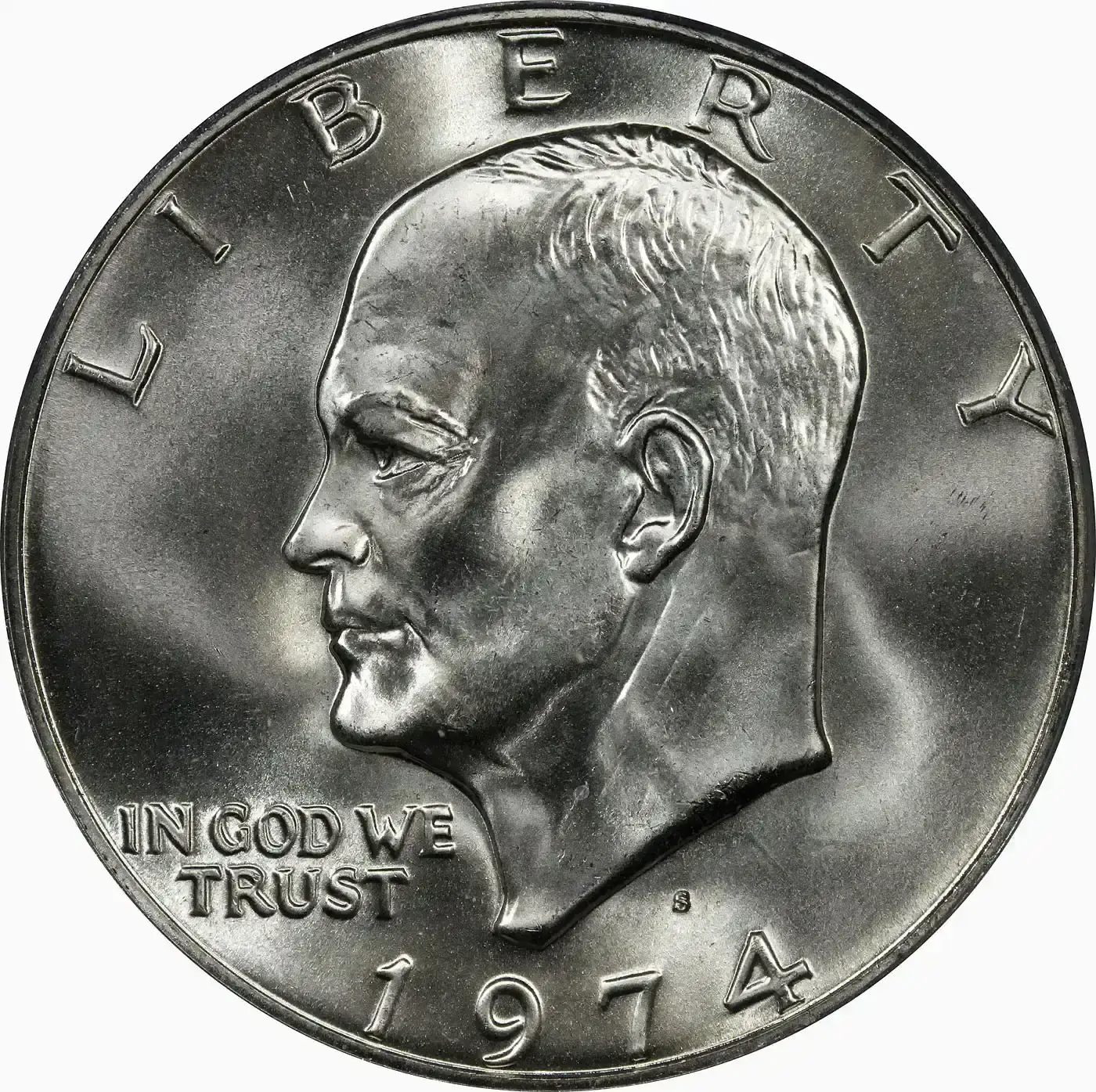
Bicentennial Eisenhower Dollar issues are popular among collectors, with values ranging from face value to thousands depending on rarity and condition. Collectors should focus on mint marks, reverse designs, and error varieties. The coin was produced in copper-nickel clad for circulation and in 40% silver for collectors.
Off-center strikes, doubled dies, and wrong planchet errors can dramatically increase value on Eisenhower dollars, and some error examples have sold for thousands at auction. The 1776–1976-S Eisenhower silver dollar costs usually around $24.50 to $25.50 today, with better uncirculated and proof coins worth more.
Why 2026 Is a Turning Point for Demand
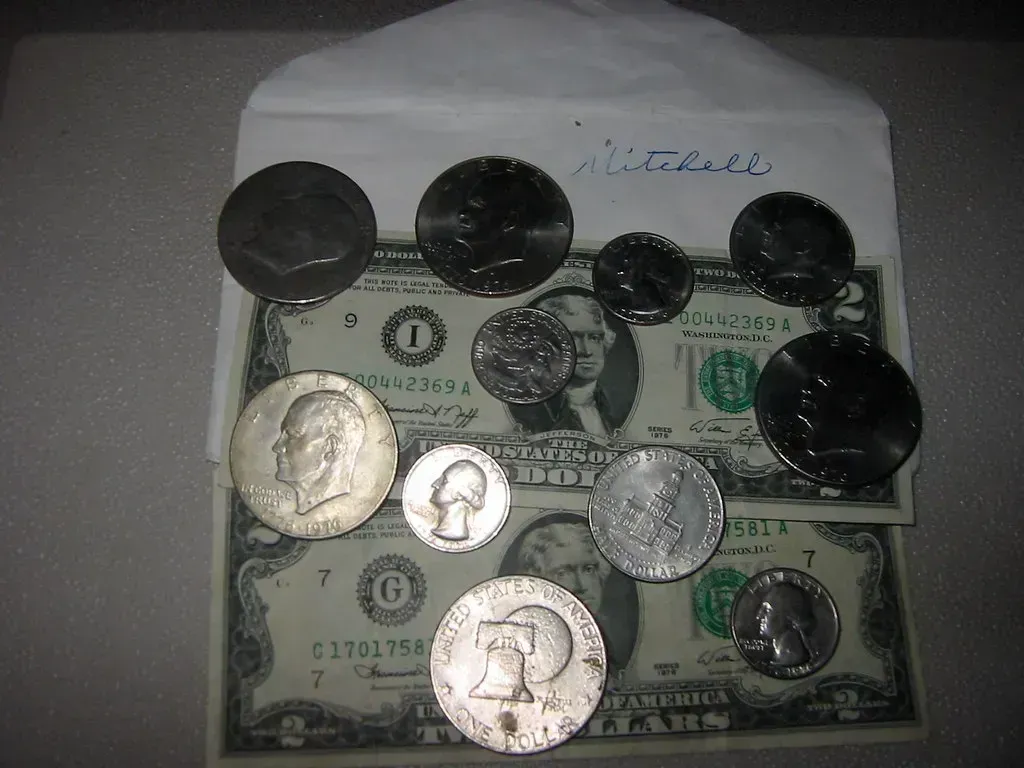
Collector demand drives premiums for high-grade examples, while nostalgic appeal attracts Americans who remember the bicentennial celebration. As we reach the 50th anniversary of the bicentennial celebration in 2026, interest in these commemorative coins may experience renewed growth.
The Bicentennial quarter market remains strong in 2026, with collectors drawn to both silver issues and rare error varieties. Auction houses report steady demand for high-grade examples, while online platforms have expanded access to trading. With growing interest in numismatics worldwide, the fixed supply of rare issues ensures that competition among collectors remains fierce, driving prices higher year after year.
How to Identify If Yours Is Worth More
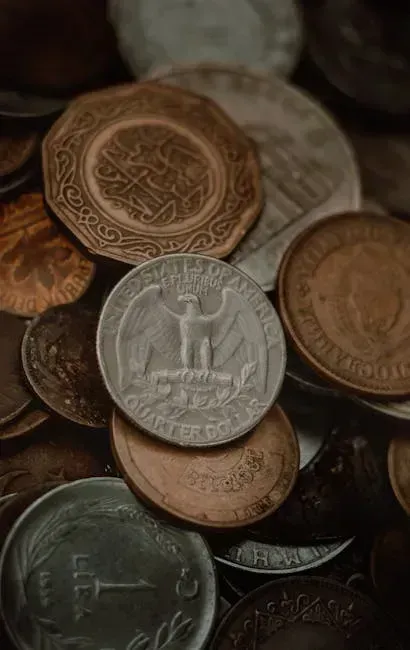
To tell if a Bicentennial quarter is silver, look at the edge of the coin: a clad quarter shows a visible reddish-copper stripe running through the middle of the edge, while a silver quarter has a completely uniform silver-colored edge with no copper line at all. Second, weigh it on a digital scale: clad versions weigh 5.67 grams, silver versions 5.75 grams. Third, check the mint mark, as silver Bicentennial quarters were only made at San Francisco, so an “S” mint mark is a strong clue.
Successful collectors often examine coins carefully for unusual details such as doubled lettering, design shifts, or unusual edges. Knowledge of mint marks, metal composition, and coin grading can greatly increase the chances of identifying valuable pieces. High-grade examples, especially those certified by professional grading services, can command significant premiums. Proof and silver coins in pristine condition are especially desirable, and collectors often seek coins graded MS-65 or higher, as these represent the best-preserved examples.
Storing and Protecting What You Have
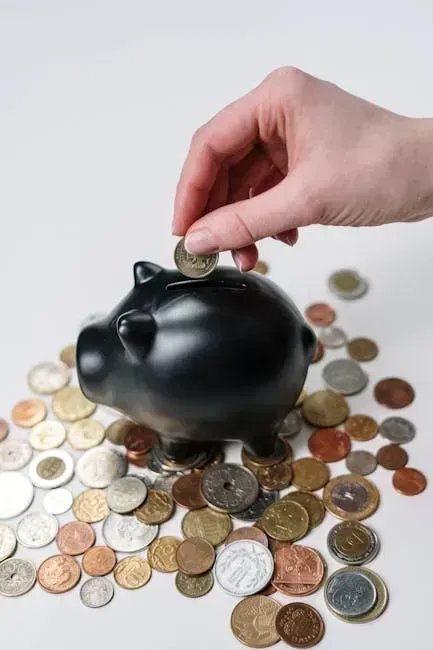
Preservation is essential for maintaining value. Coins should be stored in protective holders or albums to prevent wear and tarnish. Avoid cleaning coins, as this can reduce their value. Keeping them in a stable environment ensures they remain in top condition for years to come.
While Bicentennial quarters aren’t the first choice for investors looking purely to buy silver coins, their historical significance and limited high-grade population make them attractive for collectors focused on American commemoratives. The silver varieties offer dual appeal as both numismatic items and precious metals investments. Auction records show consistent appreciation for top rarities, with some coins selling for thousands, and professional grading and authentication remain essential for maximizing value.


Leave a Reply