
1. Having documents and boarding passes ready before you reach the door
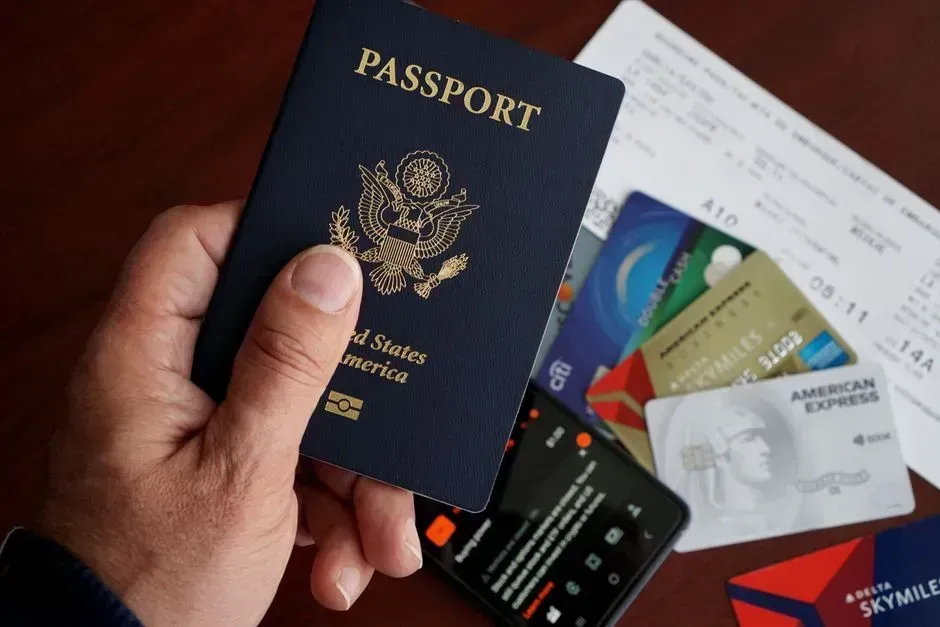
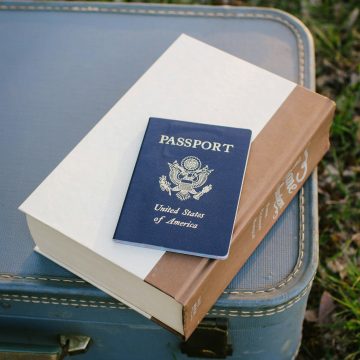
Cabin crew consistently point to this as the single biggest bottleneck at the aircraft door. When passengers board, having a passport and boarding pass ready for inspection keeps the line moving. It sounds obvious, yet fumbling through a bag or phone screen at the exact moment scanning is needed adds up fast.
The math behind this is simple but effective. Having your boarding pass ready to scan can also speed up the boarding process, since a few seconds of hesitation multiplied by hundreds of passengers becomes a delayed departure. Multiply a short pause by an entire cabin, and a minor habit turns into a real difference at pushback time.
2. Packing an easily accessible in-flight bag

Crew members frequently mention how much smoother boarding goes when passengers separate what they need in-flight from what can stay zipped away. One flight attendant recommends storing in-flight essentials like a charger, lip balm, and headphones in the same compartment so everything is easy to access before stowing the bag overhead. That way, there is no need to dig through a suitcase in the aisle while other travelers wait behind.
The goal is simple: grab what is needed, stow the bag, and sit down without a second trip to the overhead bin mid-flight. Everything needed during the flight should already be packed in that personal bag. It keeps the aisle clear and avoids the awkward reopening of bins once everyone else has settled in.
3. Moving straight to your seat instead of lingering in the aisle
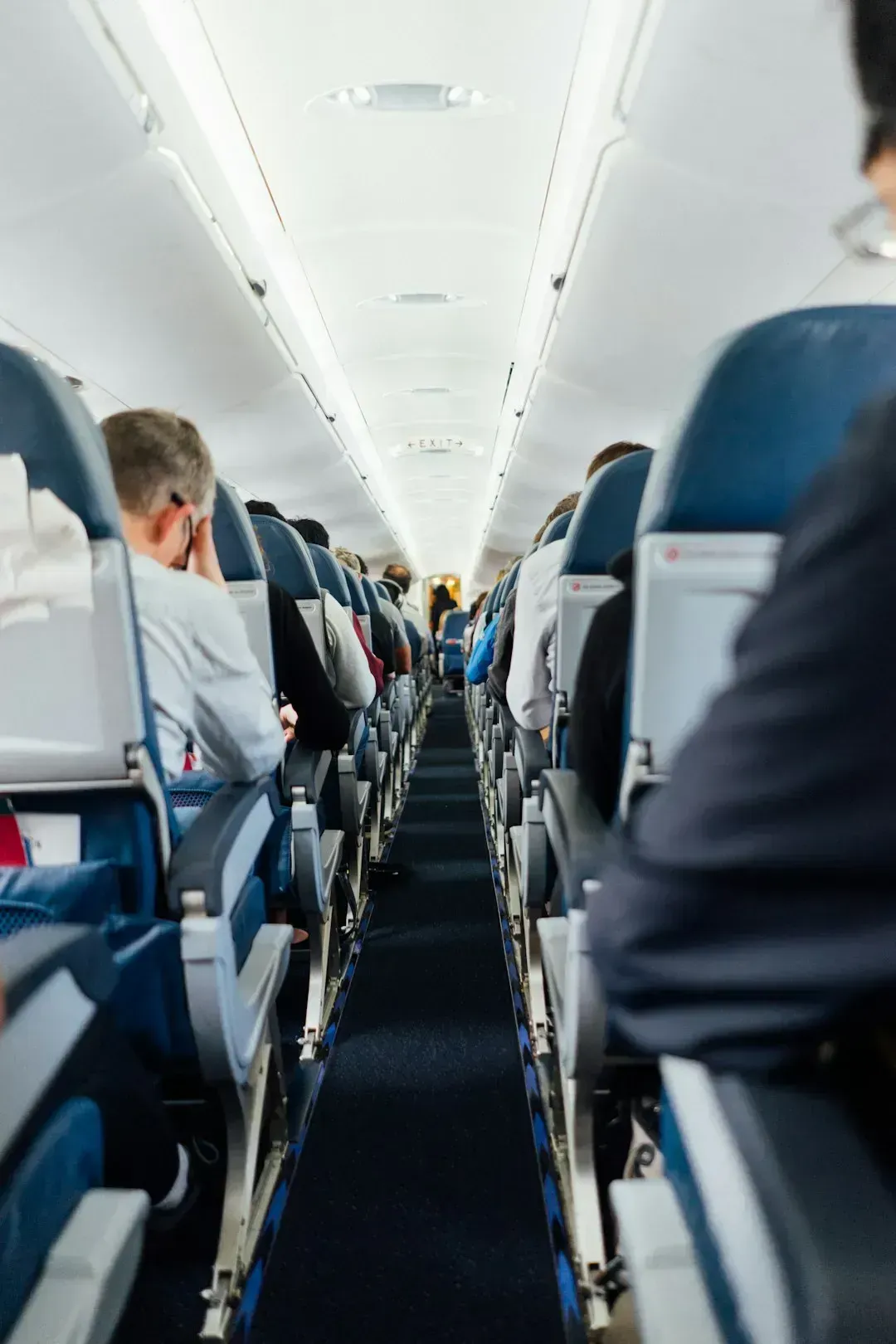
This one comes up again and again in crew accounts, because a stalled aisle affects far more people than just the person causing it. The advice is straightforward: go directly to your seat, place your bag in the overhead bin, slide your personal item under the seat in front of you, and sit down. There is no need to overthink it.
Crew describe this pattern as one of the easiest fixes because it does not require any special planning, just a bit of decisiveness. Passengers who pause to chat, rearrange belongings, or figure out seating in the middle of the aisle create a ripple effect that slows everyone stacking up behind them. Moving with intention, even for those first ten seconds after stepping onto the plane, makes a noticeable difference.
4. Not rushing to the gate or crowding the boarding line
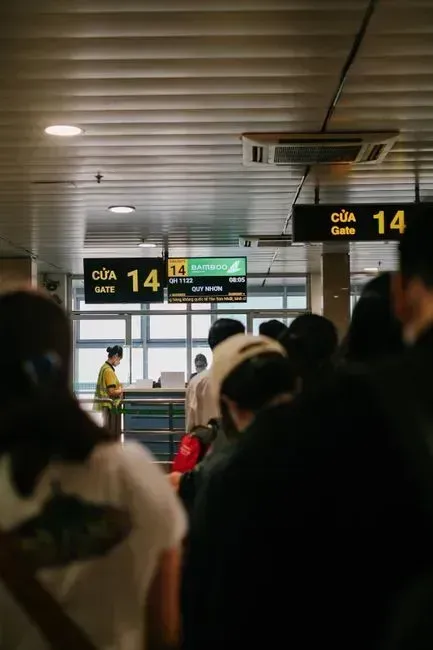
It might seem like getting to the front of the line would help, but cabin crew say the opposite is usually true. Getting on the plane sooner does not mean arriving at the destination any faster, and listening for your row, zone, or group while avoiding crowding at the gate actually keeps the process from taking longer. Crowding creates confusion about who should be boarding next, which slows down gate staff trying to call zones in order.
There is also a psychological piece to this. With assigned seating, arriving first will not secure a better seat, and crew make sure there is room for everyone’s carry-on luggage, so there is little advantage to beating other passengers onto the plane. A calmer approach at the gate, according to crew, tends to translate into a calmer and quicker boarding experience overall.
5. Traveling light and stowing bags efficiently
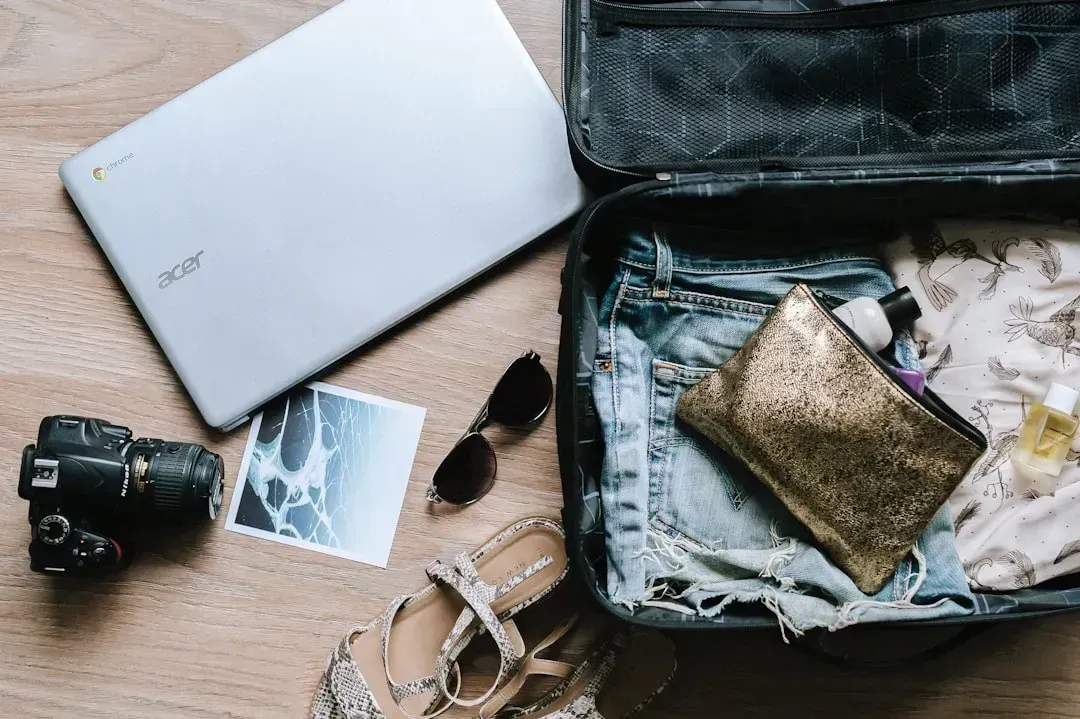
Carry-on habits have a bigger impact on boarding speed than most passengers realize. Traveling lightly and packing efficiently helps avoid blocking the aisles, and having a boarding pass ready along with knowledge of your seat or zone keeps things flowing. Bulky bags that need repositioning or squeezing into a bin take up time that adds up across an entire flight’s worth of passengers.
The extra gear many travelers now bring on board has become part of the problem, according to crew. Passengers trying to minimize checked bag charges often bring extra bags and bulky items like strollers, car seats, and sports equipment onto the plane instead of checking them, which can heavily impact the boarding process and crowd the aisles due to the extra time needed for stowing. Fewer, better organized bags mean less shuffling once everyone is inside the cabin.
6. Staying alert and responsive to crew instructions
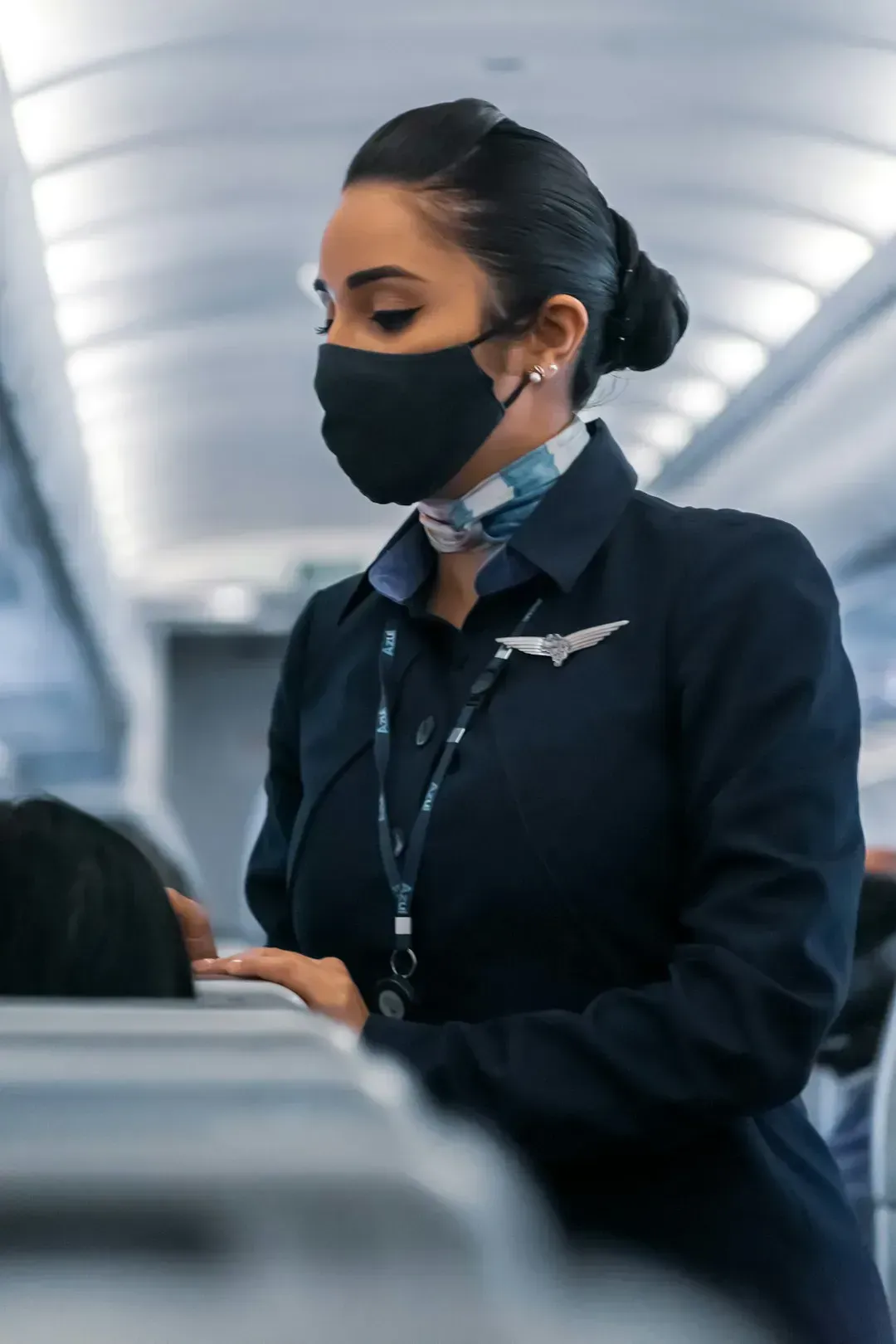
Paying attention during boarding might sound like a small thing, but it consistently comes up as one of the traits crew appreciate most. The best travelers tend to be the ones who stay aware of what is happening around them, since small actions like having documents ready, greeting the crew, and waiting your turn can make the experience smoother for everyone. This includes actually listening when zones or rows are called instead of tuning out with headphones on.
It also means responding quickly if a flight attendant needs to communicate something during the process. Removing headphones when a crew member tries to speak helps them get the message across without repeating themselves. Small as it seems, this kind of responsiveness keeps the flow of boarding steady rather than stop start.
None of these habits require special status, extra fees, or elaborate planning. They are ordinary, almost forgettable moments that, taken together, shape how smoothly an entire cabin gets settled before departure. Cabin crew notice them because they deal with the same patterns flight after flight, and the passengers who follow them tend to make everyone’s trip start a little easier.


Leave a Reply