
Marriage after 60 has a rhythm to it. Couples know each other’s habits so well that even tiny shifts stand out, sometimes before the person going through the change even notices it themselves. A skipped walk here, a forgotten hobby there. Most of the time these little changes mean nothing serious. But sometimes they are the first quiet clues that something deeper is going on, physically or emotionally.
Experts who work with older adults say health decline rarely arrives as a dramatic event. Health decline in older adults rarely presents as a crisis at first, and instead shows up as tiny ways daily life starts to feel heavier, slower, or just off, according to a geriatric medicine physician. That is exactly why spouses, who share a home and a daily routine, are often the first to notice. Here are six common things people quietly stop doing after 60 that tend to raise a partner’s concern.
1. Keeping Up With Hobbies and Activities They Used to Love
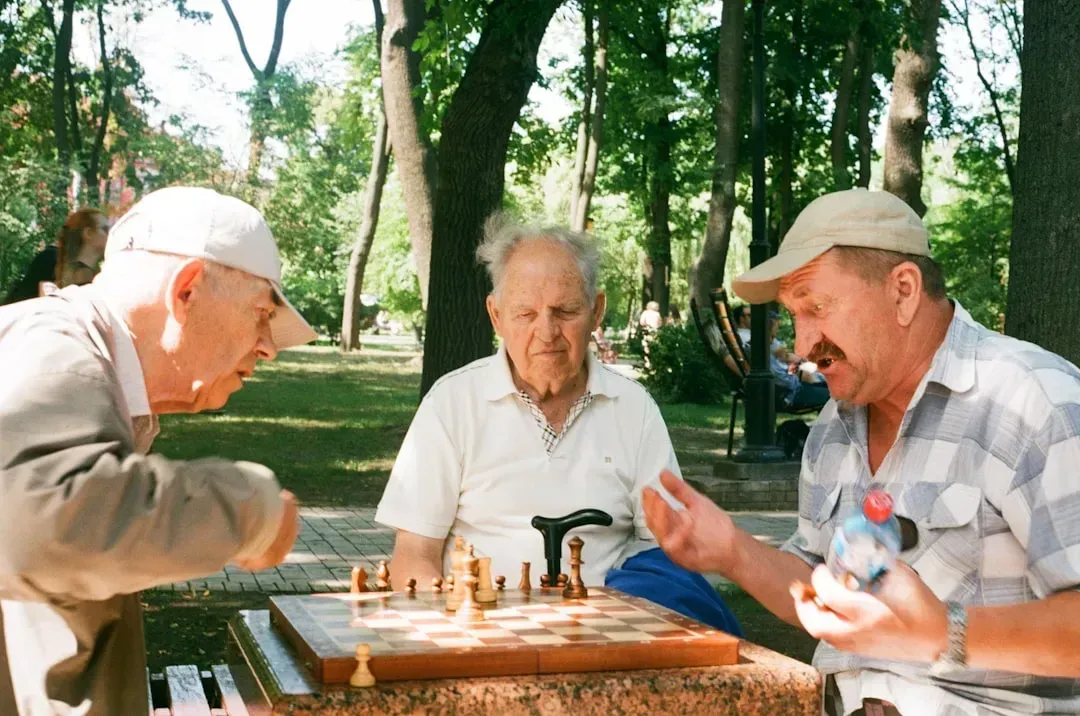
When a spouse who once gardened every weekend or played cards with friends every Thursday simply stops, it rarely goes unnoticed. A noticeable decrease in interest in socializing or hobbies that one used to enjoy could indicate depression or early cognitive decline. It is one of those changes that seems small on the surface but often points to something worth a closer look.
Losing interest in favorite pastimes is not automatically a red flag, since interests naturally shift with age. Still, apathy and social withdrawal may stem from treatable issues such as depression, hearing loss, unmanaged chronic conditions, medication side effects, nutritional gaps, or mobility problems, and even changes that seem small are worth paying attention to. A spouse who notices this shift is often picking up on something real, even if the cause turns out to be manageable.
2. Socializing With Friends or Attending Gatherings

A partner pulling back from dinners with old friends, skipping church groups, or declining invitations they once jumped at can feel like a quiet alarm bell. Social withdrawal, avoiding events or losing interest in things once enjoyed, can happen as a result of physical or mental health challenges or even loneliness and is always worth checking in on. Sometimes it is simple fatigue. Other times it signals something that deserves a gentler conversation.
This kind of withdrawal is easy to dismiss as someone “just getting quieter with age.” Yet emotional withdrawal, a lack of desire to socialize or engage, can be just as concerning as physical symptoms, since loneliness is one of the quietest but most damaging forms of distress among older adults. A spouse who senses this shift is usually right to take it seriously rather than brushing it off.
3. Keeping Up With Daily Routines and Small Tasks

Missing a meal here or there is normal. Forgetting to pay a bill that was always paid like clockwork, or struggling to follow a recipe that has been made a hundred times, is different. Forgetting names or words, missing meals, or finding it difficult to multitask might signal that something’s not quite right, and if these changes are new, it could point to cognitive decline, fatigue, or other health concerns.
Spouses often notice these lapses long before anyone else because they share the daily logistics of running a household. Families often overlook subtle signs such as increased forgetfulness, missed medications, changes in hygiene, withdrawal from social activities, unexplained weight loss, or difficulty managing daily tasks like cooking or paying bills. When a partner suddenly needs reminders for things that used to be second nature, it is worth mentioning to a doctor rather than assuming it will simply pass.
4. Regular Physical Activity and Exercise

A spouse who used to take a brisk walk every morning or hit the gym a few times a week and quietly stops moving is often sending a signal, even if they insist everything is fine. Research on older adults backs up how common this drop-off is. Two-thirds of African Americans, 57% of Afro-Caribbeans, and half of European Americans in one study reported being less active than two to three years earlier, with reasons for the decline including pain, shortness of breath, and lack of time, interest, or motivation.
The stakes of this kind of quiet retreat are higher than they might seem. Without intervening, age-related muscle loss can lead to lower stamina, difficulty performing daily activities, poor balance, falls, fractures, and loss of independence. A spouse who notices their partner avoiding stairs, sitting out on walks, or resting more than usual is often picking up on the earliest signs of this decline, well before it becomes obvious to anyone else.
5. Personal Hygiene and Grooming Habits
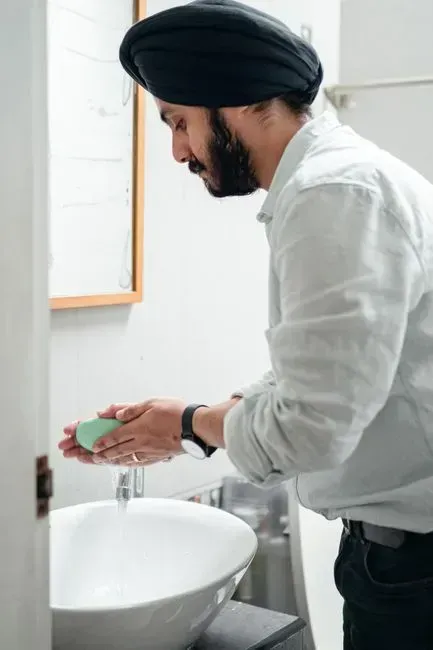
This is one of the more sensitive changes to bring up, but also one of the most telling. A spouse who used to shower every day, shave regularly, or take pride in their appearance and suddenly stops caring is often noticed almost immediately by the person sharing their bed and bathroom. Sudden weight changes, difficulty walking, or a decline in personal hygiene can also signal underlying health issues.
It can be tempting to interpret this as laziness or simply “letting go” with age, but that framing misses what is often really happening. Families often overlook subtle signs such as increased forgetfulness, missed medications, changes in hygiene, withdrawal from social activities, unexplained weight loss, or difficulty managing daily tasks. A gentle, non-judgmental conversation, rather than criticism, tends to open the door to figuring out what is actually going on.
6. Talking Openly and Sharing Feelings
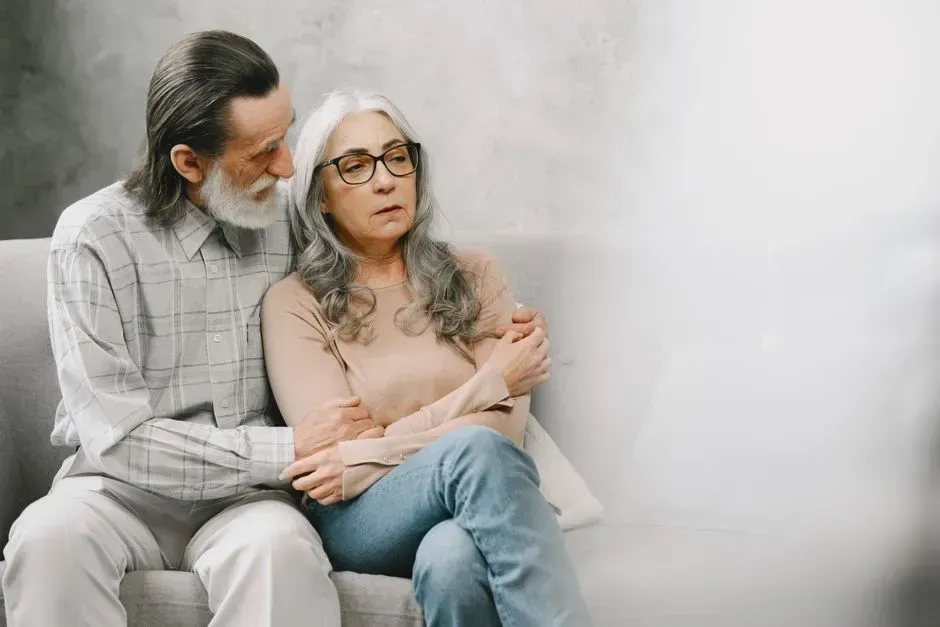
Perhaps the hardest change to name is when a spouse who used to talk through their day, share worries, or simply chat over dinner starts going quiet. This kind of emotional retreat is easy to miss because it does not look like a crisis, it looks like tiredness or preoccupation. Changes in mood, memory, and communication often show up gradually, so partners shouldn’t feel like they have to catch everything at once, and simply being sensitive, present, and open to conversations is one of the best things they can do.
When this kind of silence becomes the norm rather than the exception, it is worth paying closer attention. If a loved one begins retreating into silence, the better response is not to correct or scold them but to sit beside them, ask gentle questions, and let them share stories even if they repeat them, since compassionate listening can reconnect them to a sense of belonging. For a spouse, this often means being patient rather than pushing, while still keeping an eye out for signs that professional support might help.
None of these six changes automatically means something is seriously wrong. Aging brings natural shifts in energy, interest, and routine, and not every quiet change is a symptom of decline. Still, spouses tend to have a kind of intuition built from decades of shared life, and that intuition is usually worth trusting.
The common thread running through all six is this: gradual, quiet changes deserve attention precisely because they are easy to dismiss. A caring conversation, a visit to the doctor, or simply choosing to notice and ask rather than assume, can make the difference between catching something early and letting it slide until it becomes harder to manage. Growing older together means paying attention to each other in new ways, and sometimes the smallest, quietest changes are the ones that matter most.




Leave a Reply