
Ask someone from Minnesota, Wisconsin, or Michigan’s Upper Peninsula what they eat when the weather turns, and the answers can sound a little odd to outsiders. A casserole gets called something else entirely. A flatbread shows up at holidays, and a stew simmers in a kettle big enough to bathe in.
These dishes didn’t appear by accident. They came from immigrant kitchens, church basements, mining towns, and long winters, and they stuck around because people kept making them. Here are seven that still puzzle visitors.
Hotdish, Which Is Not Quite a Casserole

To most Americans, a baked dish of protein, vegetables, and a starchy binder is a casserole. In Minnesota, it’s hotdish, and the name is practically a point of regional pride. Printed recipes under the name turn up in church and community cookbooks from the early twentieth century, which is where the dish built its reputation.
The classic version layers ground beef, canned vegetables, and cream of mushroom soup under a crown of tater tots. Tater tots themselves were created in 1953 by the Oregon based company Ore Ida, so the famous topping is a later addition. Hotdish became a potluck staple because it feeds a crowd and travels well.
Lefse, the Potato Flatbread With Serious Devotion
Lefse is a thin, soft Norwegian flatbread made mostly from potatoes, flour, and butter or cream. Cooks roll it out thin and cook it on a griddle, then spread it with butter and sometimes sugar. Outsiders often compare it to a tortilla or a crepe, though it tastes like neither.
Scandinavian immigrants brought the tradition to the Upper Midwest, and it still anchors many Christmas tables in Minnesota and the Dakotas. Making it takes patience and a few specialized tools, like a long wooden stick for flipping. Many families treat the skill as something handed down, and community lefse making events keep it going.
The Friday Night Fish Fry
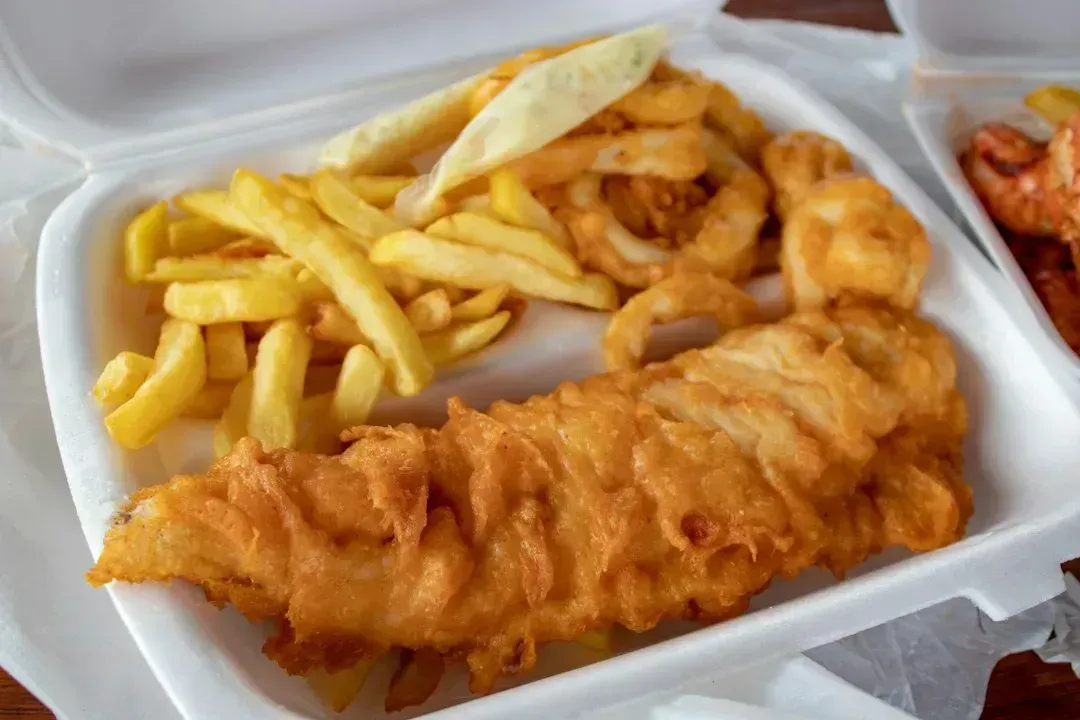
In Wisconsin, Friday evening often means a tavern or supper club with a line out the door. The fish fry, usually battered cod, perch, or walleye, grew out of the Catholic habit of skipping meat on Fridays. Many restaurants kept the custom long after the rule loosened for most Catholics.
The plate typically comes with coleslaw, rye bread, and potato pancakes or fries. Plenty of locals pair it with a brandy old fashioned, made sweet with muddled fruit and soda. Brandy is a Wisconsin favorite, which surprises people who assume whiskey is the standard.
Cheese Curds That Squeak
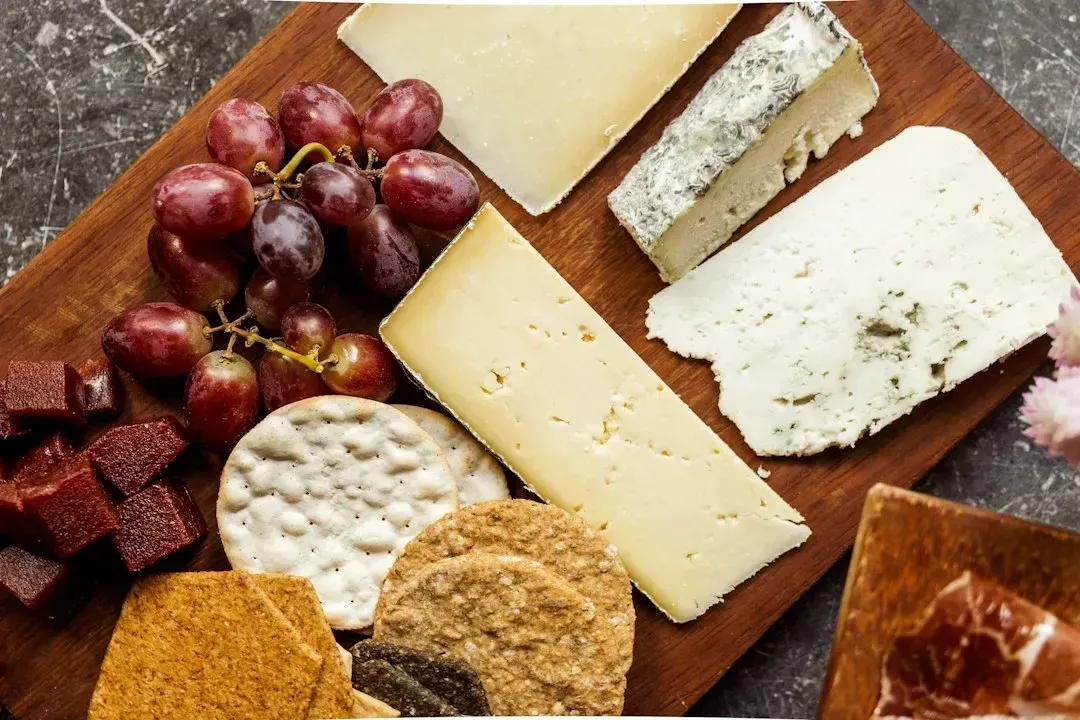
Fresh cheese curds are the small, irregular chunks that form when cheddar is made, before the cheese is pressed into blocks. When they’re truly fresh, they squeak against your teeth. Wisconsin leads the nation in cheese production, so curds are an everyday snack rather than a novelty.
You’ll find them plain from a bag at a gas station, or battered and fried at county fairs and bars. Purists insist on eating them the day they’re made, since the squeak fades as they age. Refrigerating them dulls it faster, which is why some shops sell them at room temperature.
Pasties in the Upper Peninsula
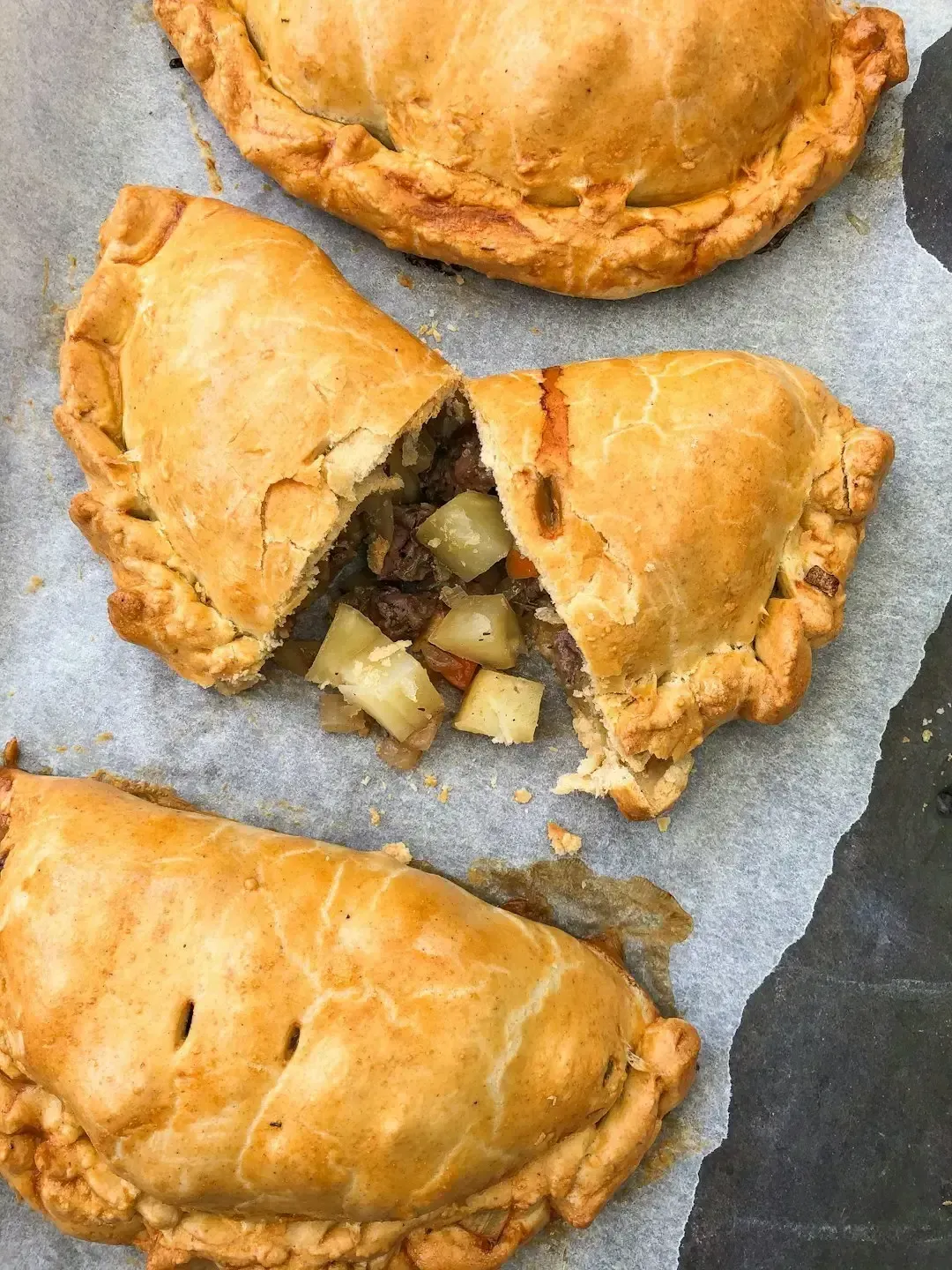
A pasty is a hand pie filled with beef, potato, onion, and often rutabaga, baked in a sturdy crust. Cornish miners brought it to Michigan’s Upper Peninsula in the nineteenth century, when copper and iron mining drew workers from across Europe. Finnish miners also embraced it, and it became a regional staple.
Visitors often mispronounce the name, which in the Upper Peninsula rhymes with past rather than paste. The dish worked well underground because it was portable and held its warmth for hours. Today it’s sold at roadside shops across the peninsula, and people still argue over whether gravy or ketchup belongs on top.
Booyah, the Stew Cooked by the Kettle
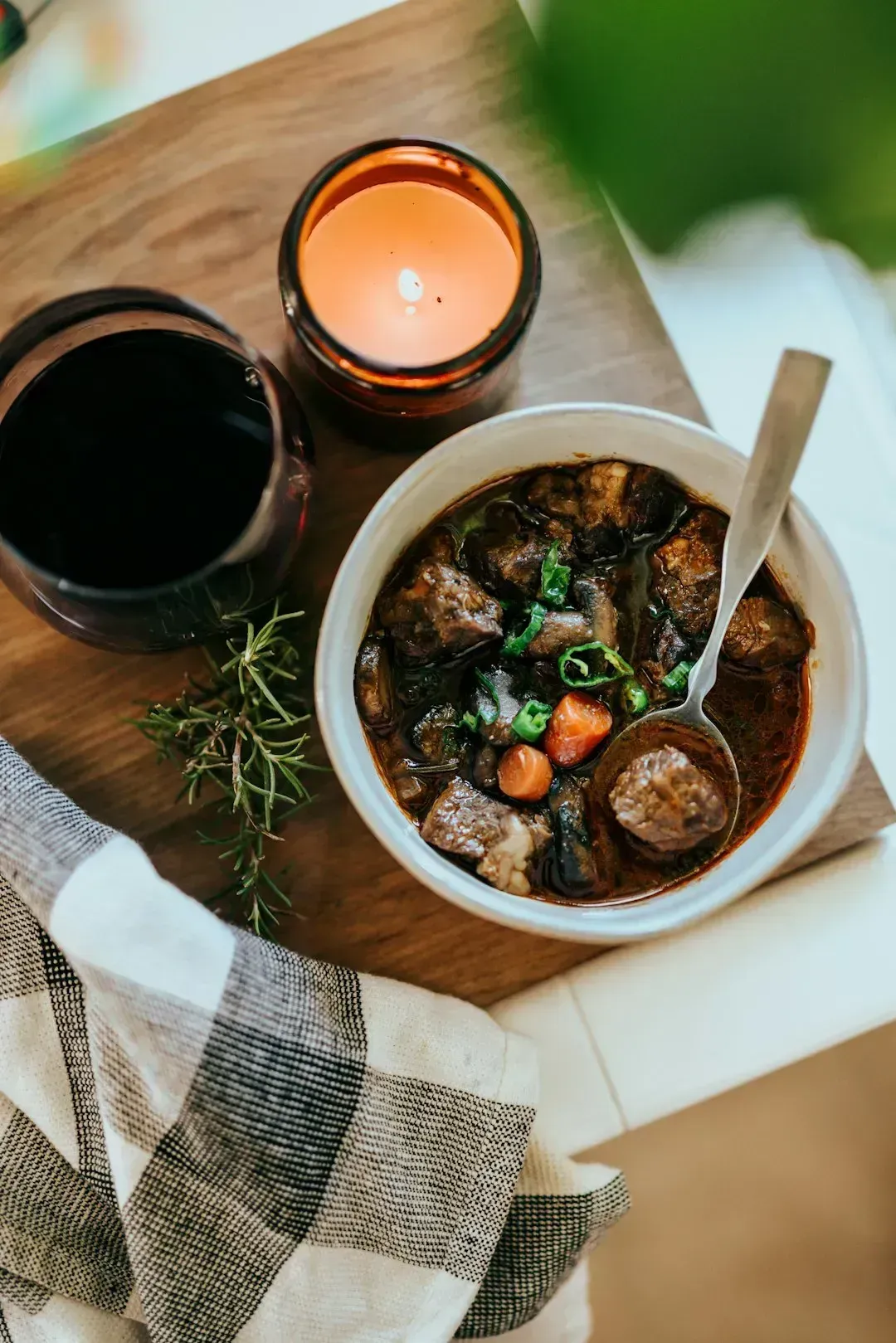
Booyah is a thick stew of chicken, beef, and vegetables that simmers for hours, often in giant kettles. It’s strongly tied to the Green Bay area of Wisconsin and to parts of Minnesota, where it feeds crowds at church picnics and fundraisers. The exact recipe varies by family and by town.
The spelling itself is debated, and even the dish’s origin story has several competing versions. What’s consistent is the scale, since cooks often prepare it in batches large enough for hundreds of people. It’s less a recipe than a community event built around a pot.
Wild Rice Soup and Minnesota’s State Grain
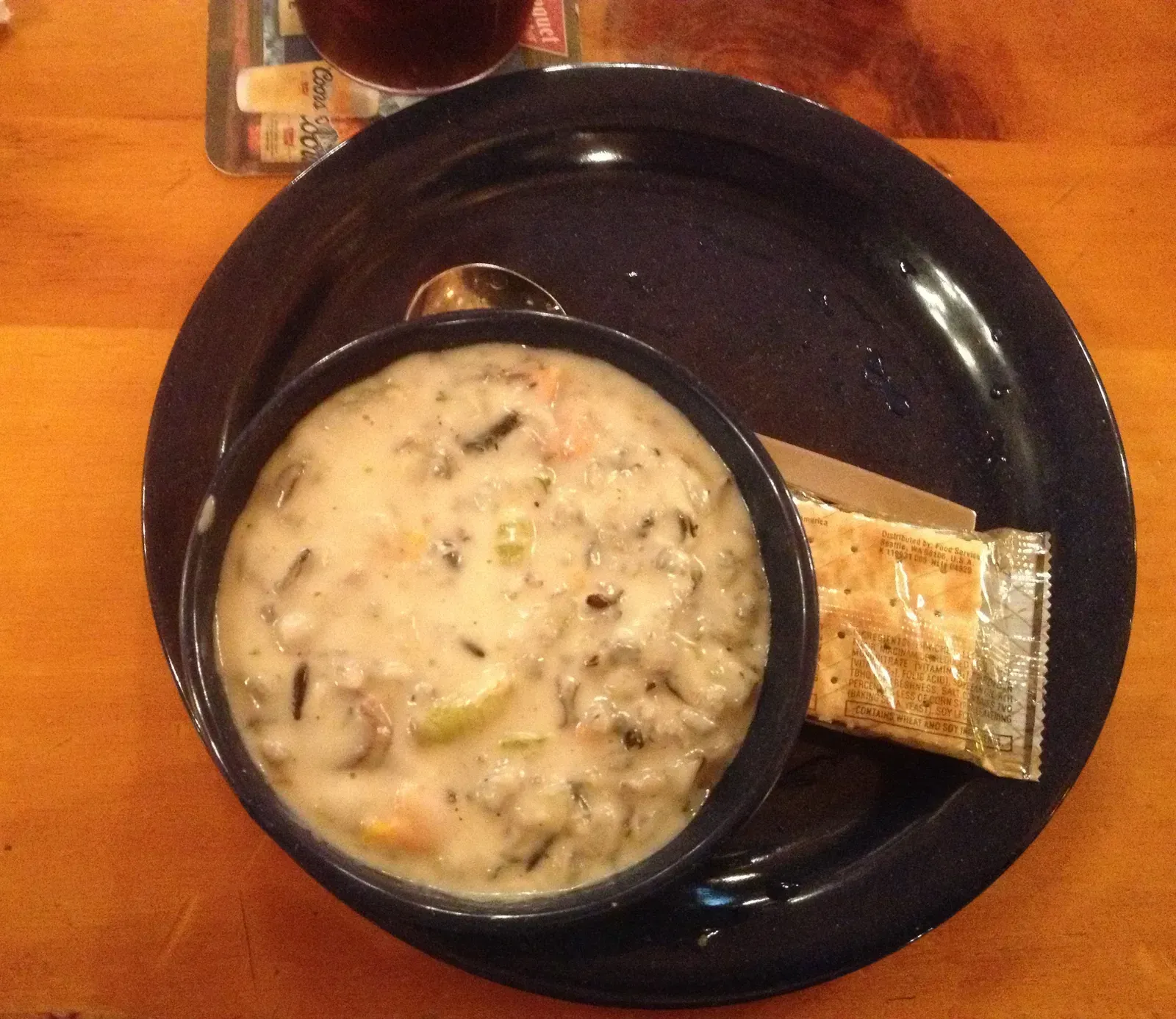
Wild rice isn’t actually rice. It’s the seed of an aquatic grass, and Minnesota named it the official state grain in 1977. The Ojibwe, who call it manoomin, have harvested it for generations, and it holds deep cultural importance in the region.
Wild rice soup is the comfort food version, usually creamy and made with chicken, carrots, celery, and sometimes ham. The grain has a nutty flavor and a chewy texture that surprises people expecting something like white rice. On a cold day in Minnesota, it’s a common choice at diners and family tables alike.

Leave a Reply