
Romance has always followed the technology and manners of its time. Some courtship habits that once felt permanent now read like museum pieces.
Looking back at them says a lot about how people met, wooed, and committed across the twentieth century and into the early internet years. Here are seven that have largely slipped out of everyday life.
Formal Calling Cards and Parlor Visits
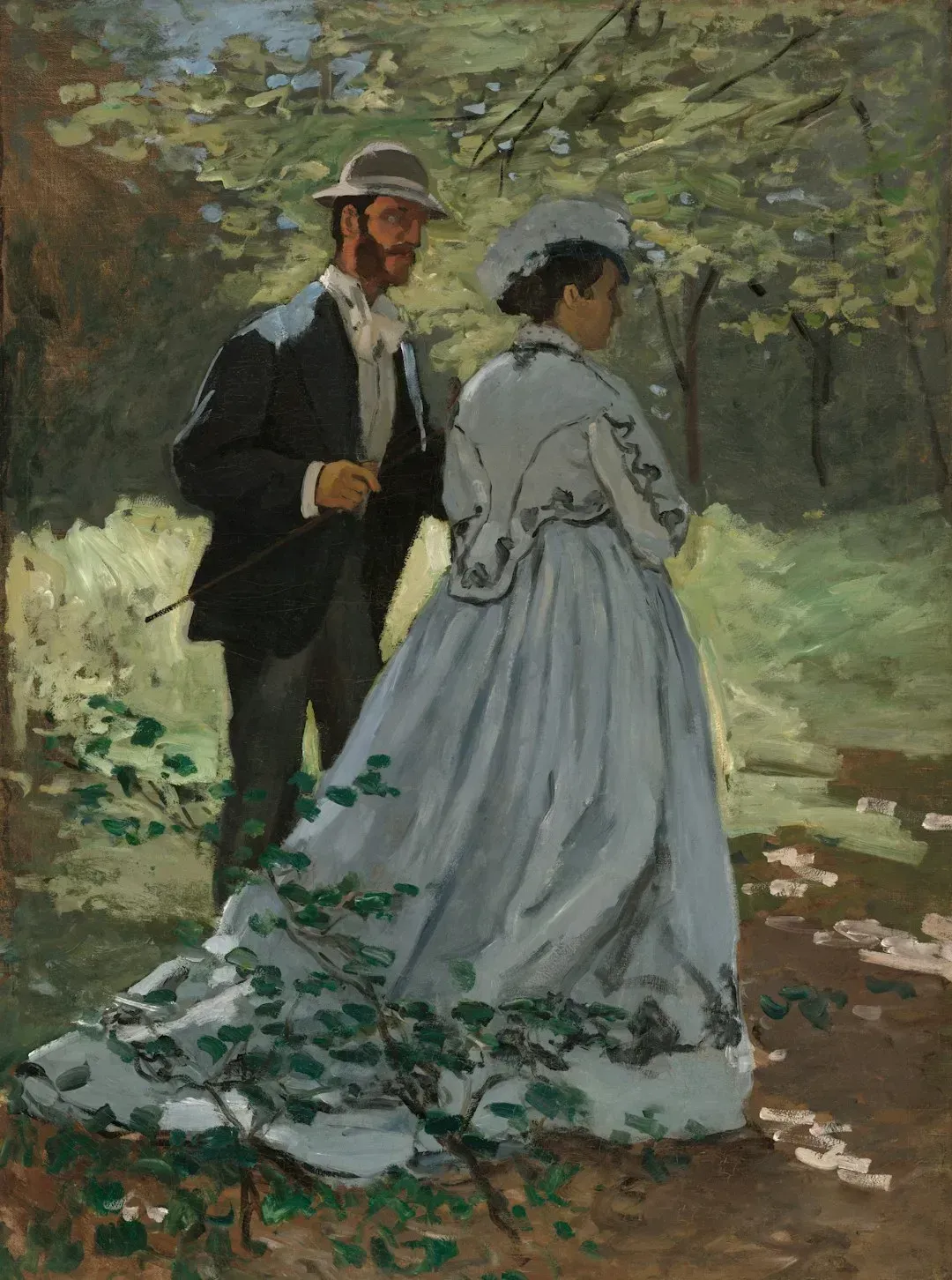
In the Victorian era and into the early 1900s, courtship often meant a formal visit at the woman’s family home. A suitor would leave a calling card, and the family would decide whether he was welcome. The visit usually took place in the parlor under the watch of relatives.
Historians point to the rise of the automobile and the movie theater in the 1920s as the turning point. Dating moved out of the home and into public spaces, which gave young couples far more privacy. The parlor visit became a quaint memory within a generation or two.
Chaperoned Dates

For much of the early twentieth century, a chaperone, often an older relative, tagged along to make sure things stayed proper. The practice was meant to protect reputations, especially those of young women. A couple might sit through an entire evening with a third person listening in.
By the mid 1900s, changing social norms and greater personal freedom made chaperones feel outdated. Cars, dance halls, and drive-in theaters gave couples room to slip away. Today a chaperone on a first date would strike most people as odd.
Going Steady and Exchanging Class Rings
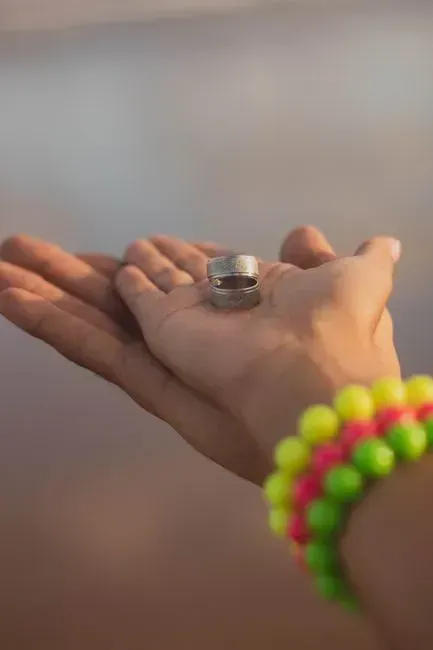
In the 1950s, going steady was a major milestone for American teenagers. It signaled exclusivity, and couples often swapped symbols such as class rings, letterman jackets, or ID bracelets. Wearing someone’s ring told the whole school that the relationship was official.
The phrase hasn’t vanished entirely, but the ritual has. Modern teens and young adults tend to describe relationships through social media statuses, or through looser terms that avoid strict labels. The jewelry swap has mostly been left behind.
Asking for a Father’s Permission to Date

Not long ago, a young man was expected to seek approval from a woman’s father before taking her out. The custom reflected older ideas about family authority and a daughter’s reputation. It was a nervous, sometimes awkward ritual that many people remember from older films.
A version of this survives in marriage proposals, where some couples still ask for parental blessing. For ordinary dating, though, it has disappeared. Adults now make those decisions themselves, and parents are usually informed rather than consulted.
Lonely Hearts Personal Ads
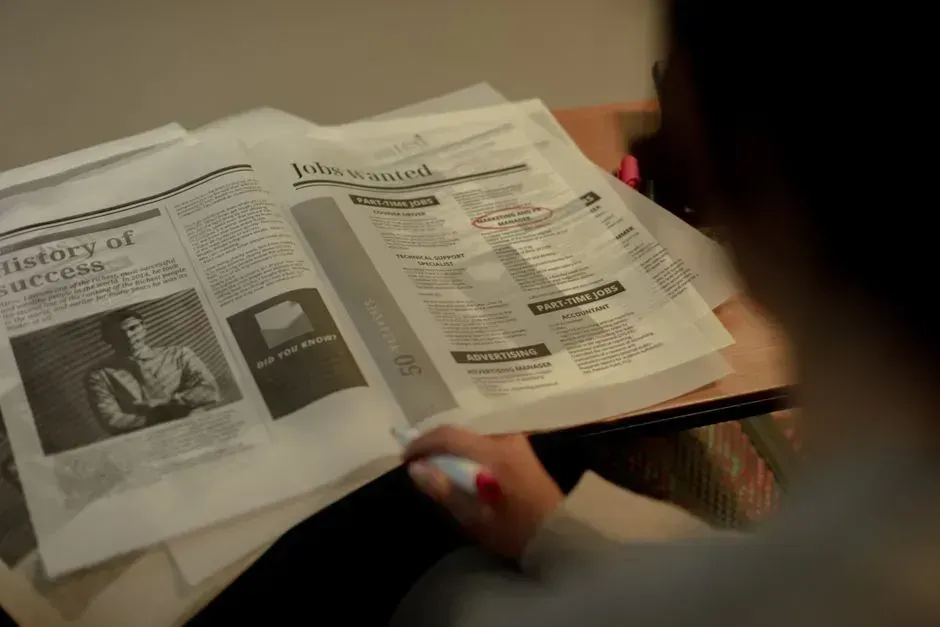
Newspapers and magazines once carried personal ads, packed with abbreviations and tight word limits. People paid by the line to describe themselves and what they wanted. Replies often came by mail or through a voicemail box.
Online dating gradually pushed print ads aside from the late 1990s onward. Apps now handle matching with photos, filters, and instant messaging. The classified column as a place to find love is now a rarity.
Video Dating Services
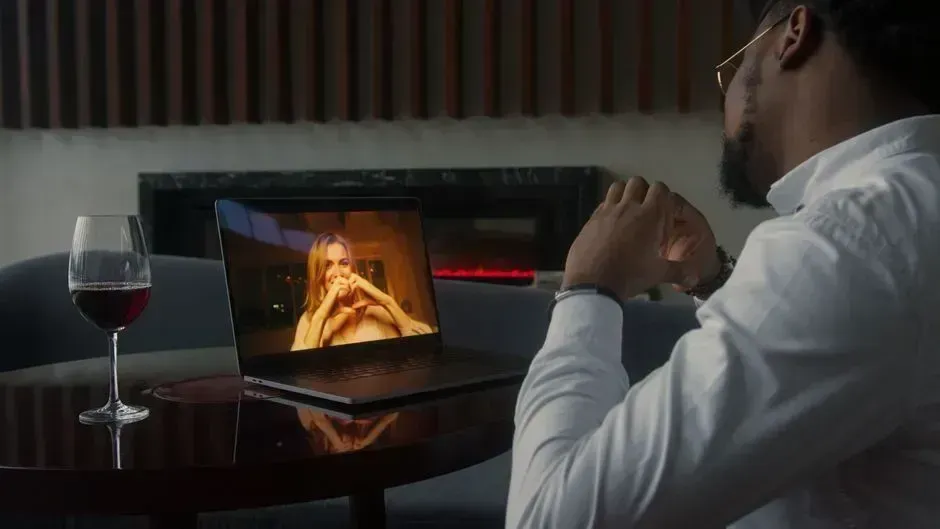
In the 1980s and 1990s, video dating companies let clients record short tapes introducing themselves. Members then watched other people’s tapes in an office or borrowed them to review at home. It was an early attempt to give daters more than words on a page.
The format faded as home internet and webcams became common. Profile photos, voice notes, and video calls made taped introductions unnecessary. What was once a novel service now seems slow and clumsy.
Early Chat Room Romance

Before dedicated apps, many people met through AOL style chat rooms and instant messenger in the 1990s and early 2000s. Conversations began with the famous question about age, sex, and location. Relationships grew through text, often long before anyone saw a photo.
Those spaces have mostly given way to swipe based apps and social platforms. Pew Research Center has reported that roughly three in ten U.S. adults have used a dating site or app, which shows how thoroughly the app model replaced anonymous chat rooms. The old screen names and away messages now belong to internet nostalgia.




Leave a Reply