
Grocery bills have climbed steadily over the past few years, and the pressure isn’t letting up. According to the USDA, the costs for food at home were about three percent higher in April 2025 than in the same month of 2024, with grocery prices expected to continue rising further through the year. With that kind of persistent inflation, it matters more than ever to know which items genuinely justify a higher price tag and which ones simply don’t.
The truth is, some of the biggest price gaps in the grocery store have nothing to do with quality. They’re driven by marketing budgets, fancy packaging, and the convenience factor that retailers know many shoppers will pay for without thinking twice. Here are seven items where the premium price is rarely worth it.
1. Bottled Water

Of all the overpriced items sitting on grocery store shelves, bottled water might be the most striking. According to a report from Harvard University, bottled water is about three thousand percent more expensive per gallon than tap water, and research also debunks the common assumption that bottled water is cleaner or healthier, noting that it “generally is no cleaner, or safer, or healthier than tap water.” That’s a remarkable amount of money to spend on a product that flows freely from your kitchen faucet.
Most bottled water actually comes from municipal water supplies, meaning consumers pay premium prices for regular filtered water. A reusable bottle and a home water filter will pay for themselves within weeks of dropping the bottled water habit. There are also environmental costs worth considering, since the production of plastic bottles carries its own ecological footprint that tap water simply doesn’t.
2. Pre-Cut Produce
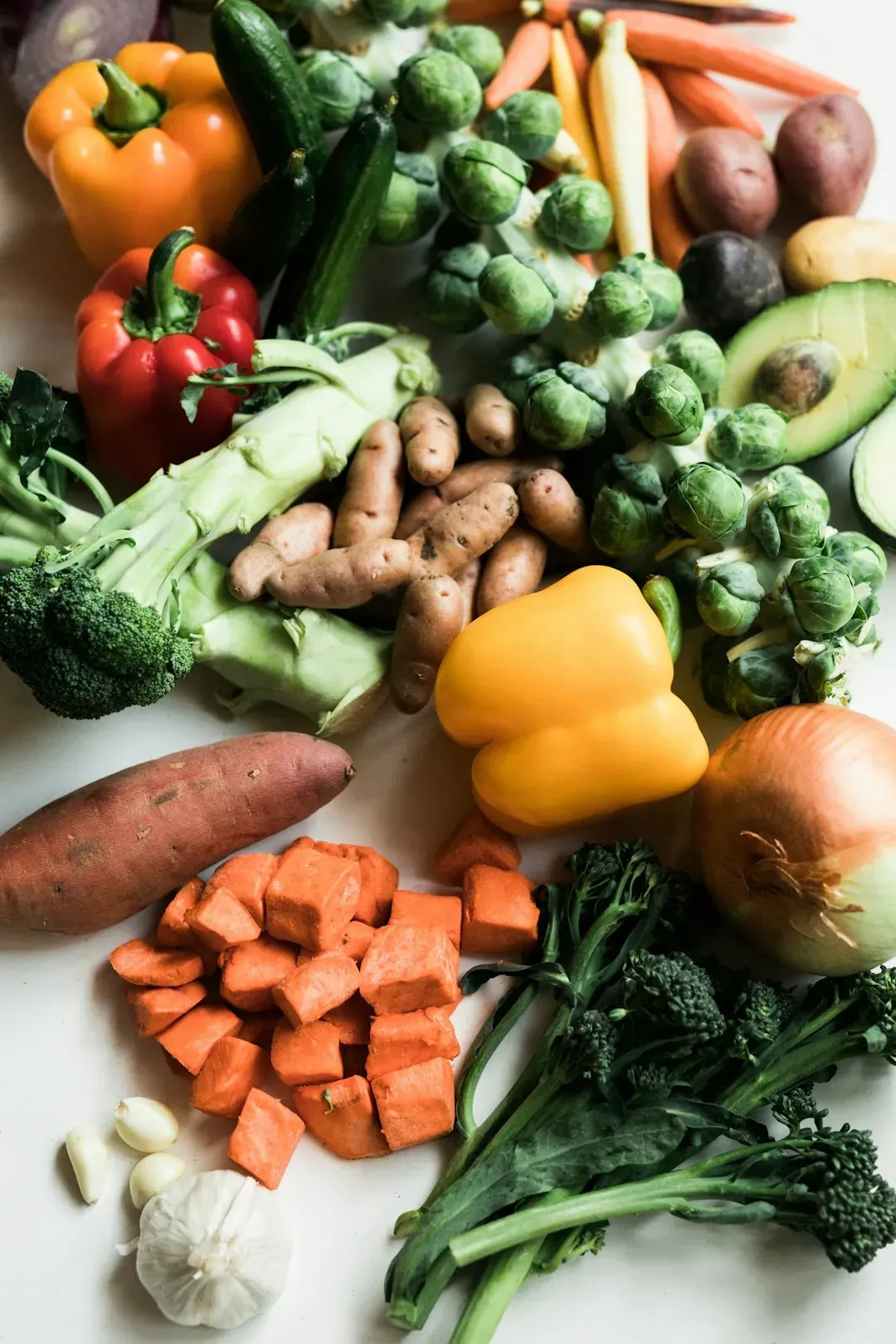
Pre-washed, pre-sliced fruits and vegetables are one of the great convenience traps of the modern grocery store. These time-savers come with an average forty percent markup, according to Finale Inventory. In some cases, particularly with marinated or pre-diced meat, the markup climbs even higher, with prepared meat that has already been chopped or marinated carrying a sixty percent average markup.
The convenience of pre-cut items comes with a much shorter shelf life due to increased exposure to air and bacteria, and these items often sit in plastic containers for days, losing nutrients and freshness. Whole produce, cut at home during a bit of weekend meal prep, almost always delivers more value for significantly less money. It takes a little planning, but the savings add up quickly over the course of a month.
3. Name-Brand Breakfast Cereal
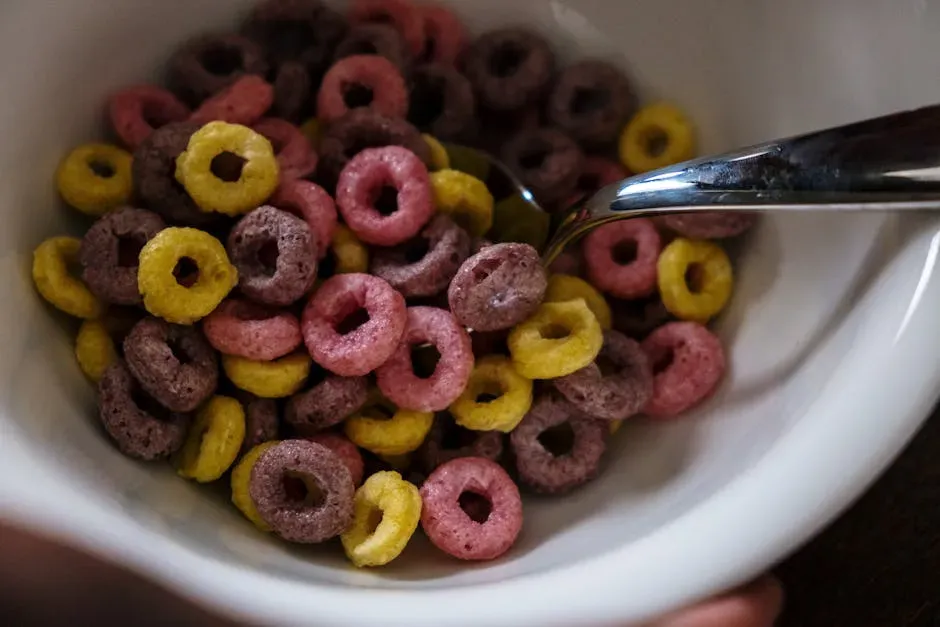
The cereal aisle is one of the most aggressively marketed sections in any grocery store, and that marketing comes at a cost that gets passed directly to shoppers. Research from the American Journal of Agricultural Economics found that Kellogg’s Corn Flakes had an average retail markup of nearly forty-four percent, and this holds true for most name-brand cereals, with consumers largely paying for packaging design and advertising rather than the actual contents.
Comparing ingredients side-by-side between a name-brand cereal and a similar generic version often reveals nearly identical ingredients. Choosing a store-brand version of Cheerios-style cereal, for example, can save shoppers nearly half the price at major retailers including Walmart, Kroger, and Target. A consumer survey in 2025 found that over seven out of ten shoppers could not tell the difference between store-brand and name-brand cereals. That’s a hard statistic to ignore at the checkout line.
4. Grocery Store Spices
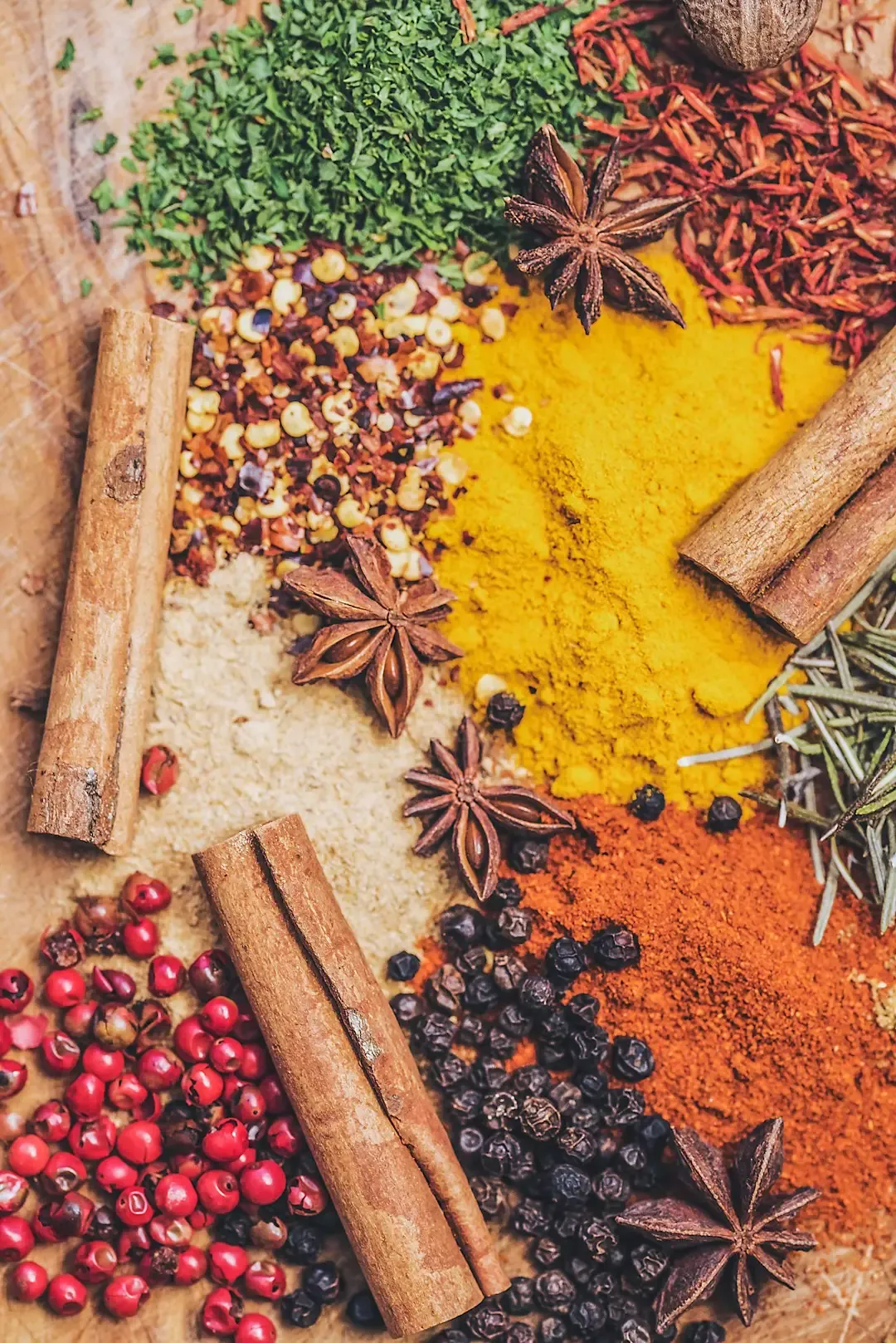
Spices sold at mainstream grocery stores, especially under popular name-brand labels, are among the most quietly overpriced items in the building. Basic spices can have markups of up to one hundred percent when sold under popular brand names, and the markup becomes even higher for pre-mixed spice blends and specialty seasonings. The small glass jars and tidy packaging look appealing, but the value inside rarely justifies the sticker price.
Buying spices from bulk bins or international grocery stores offers significant savings for the same quality. Specialty spice shops, where freshness is a priority, and local natural or international markets, where you can buy in bulk and get exactly the amount you need, can save you serious money. The quality at these alternatives is often better, not just cheaper, since high turnover tends to mean fresher product.
5. Name-Brand Salad Dressing
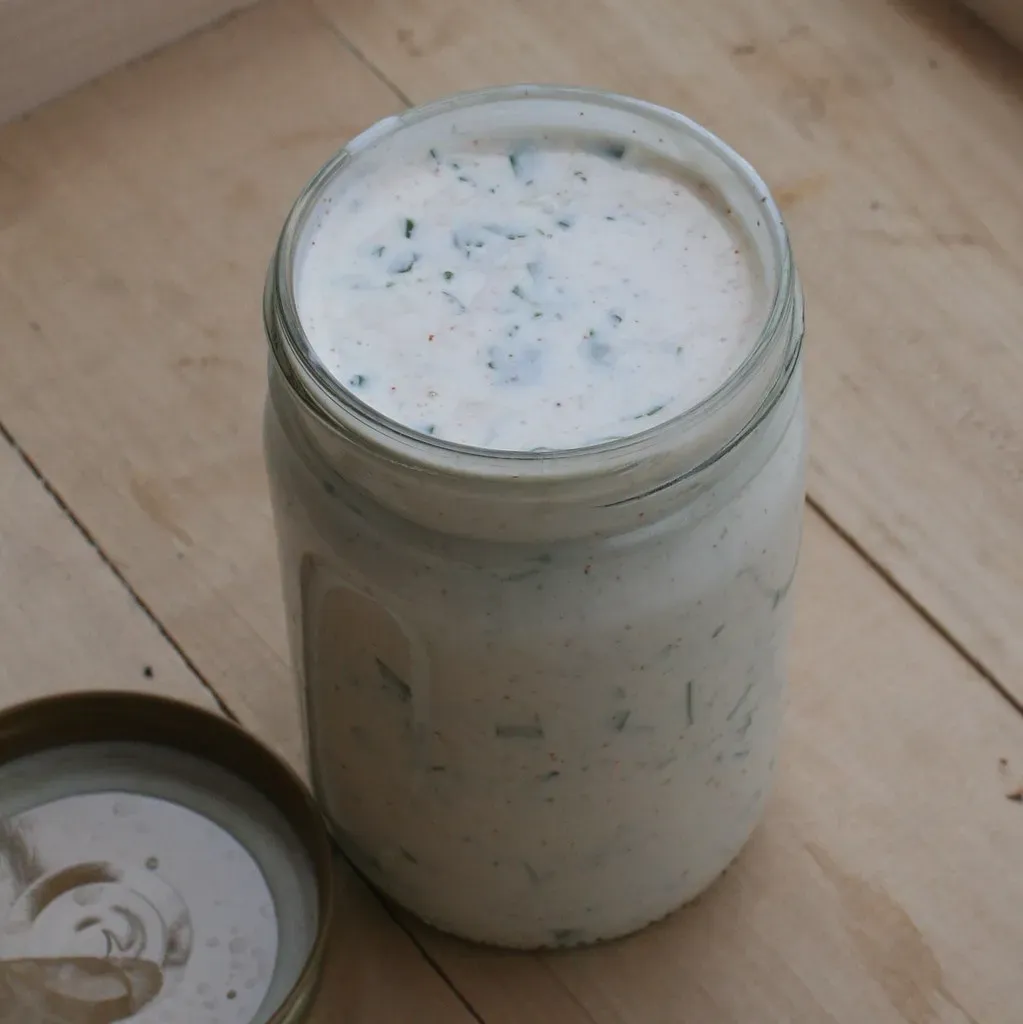
Bottled salad dressings carry surprisingly large price gaps between name-brand and store-brand versions. Ranch dressing, for example, is approximately almost sixty percent cheaper when purchasing the store-brand version at major retailers like Walmart, Kroger, and Target, compared to name-brand options. For a condiment that is essentially an emulsified mix of oil, vinegar, and seasoning, that gap is hard to justify.
One key reason name-brand items are more expensive is because it costs money to market those products to the public, and consumers end up paying for that advertising. Homemade dressings made with pantry staples like olive oil, lemon juice, and a few dried herbs cost a fraction of any bottled version and often taste considerably fresher. For those who prefer the convenience of a bottle, the store-brand alternative does the same job at a much lower cost.
6. Packaged In-Store Baked Goods

Pre-cut produce, fresh-baked in-store goods, organics, spices, and bottled water are historically among the most marked-up items in the grocery store, and they are largely all convenience items where that convenience comes at a price. In-store bakery goods sit particularly high on that list. The visual appeal of a freshly glazed pastry or artisan loaf near the entrance of the store is no accident. It’s a deliberate placement strategy, and the pricing reflects it.
Instead of buying ready-made baked goods, making them at home from scratch or using a boxed mix can save a significant amount of money while still producing delicious results. For bread specifically, packaged bread may carry a markup as low as twenty-nine percent at standard grocery stores, while the in-store artisan and freshly baked options typically sit at considerably higher margins. The aroma is convincing, but the price rarely is.
7. Premium Organic Produce at Mainstream Grocery Chains
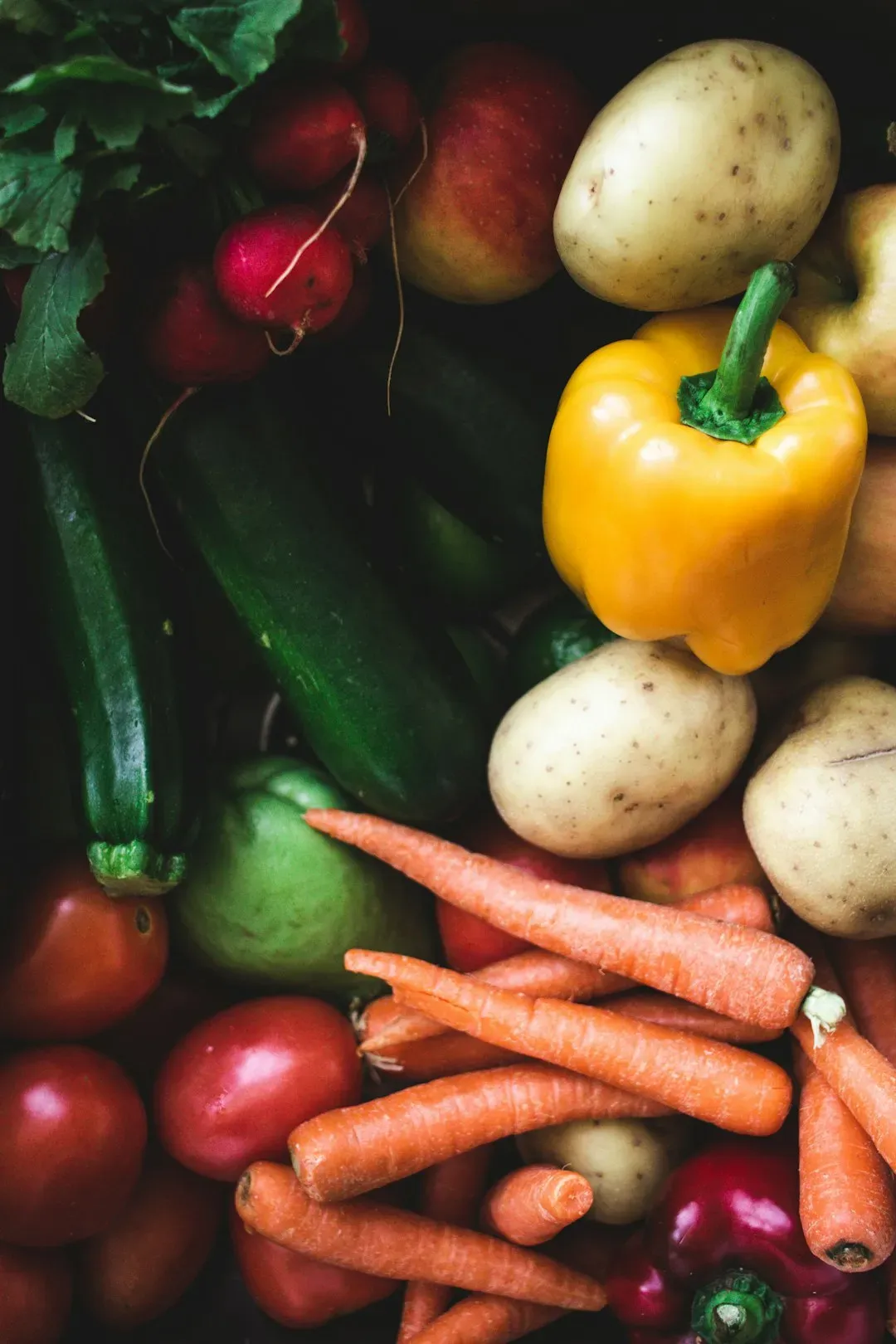
Organic food has genuine value for many shoppers, but where you buy it matters as much as whether you buy it. Generally, organic produce is marked up thirty to fifty percent compared to its non-organic counterparts, largely because organic farmers do not receive the same government subsidies that conventional factory farmers receive. At premium grocery chains, that gap can stretch even further, sometimes reaching double the conventional price for identical produce categories.
If buying organic is a priority, shopping at farmers’ markets can help avoid the steep markup since prices tend to be lower there and purchases support local growers at the same time. Additionally, for shoppers concerned about pesticides, certain fruits and vegetables like onions, pineapples, sweet corn, asparagus, bananas, and kiwi are grown with little insecticide even in conventional farming, making the organic premium less critical for those specific items. Knowing which items earn the organic label and which ones don’t need it is one of the most practical ways to trim a grocery bill without compromising on what matters.
None of these items require dramatic lifestyle changes to swap out. The savings, though, are real. U.S. consumers saved about thirty-five billion dollars in 2025 alone by choosing store brands over national brands in their regular grocery shopping. Paying a premium is sometimes worth it, but for these seven categories, the evidence consistently points the other way. A little label-reading and a bit of meal prep go a long way.




Leave a Reply