
Gambling has sat beside sport, music, and cinema for generations, and it deserves a plain discussion rather than a moral panic. For adults who set limits, a small bet on a football match or a few spins after dinner is paid entertainment, much like buying a cinema ticket that may return nothing. People comparing top casino sites in the region may check online casino Azerbaijan for a high jackpot casino with clear game lists, license details, and payment notes. That context matters. Readers curious about foreign gambling rules sometimes read casino international reviews to compare high payout rates with withdrawal caps, tax notes, and support language. The healthy version is boring in the best way: budget first, play second, stop when the spend reaches the planned number. No drama needed.
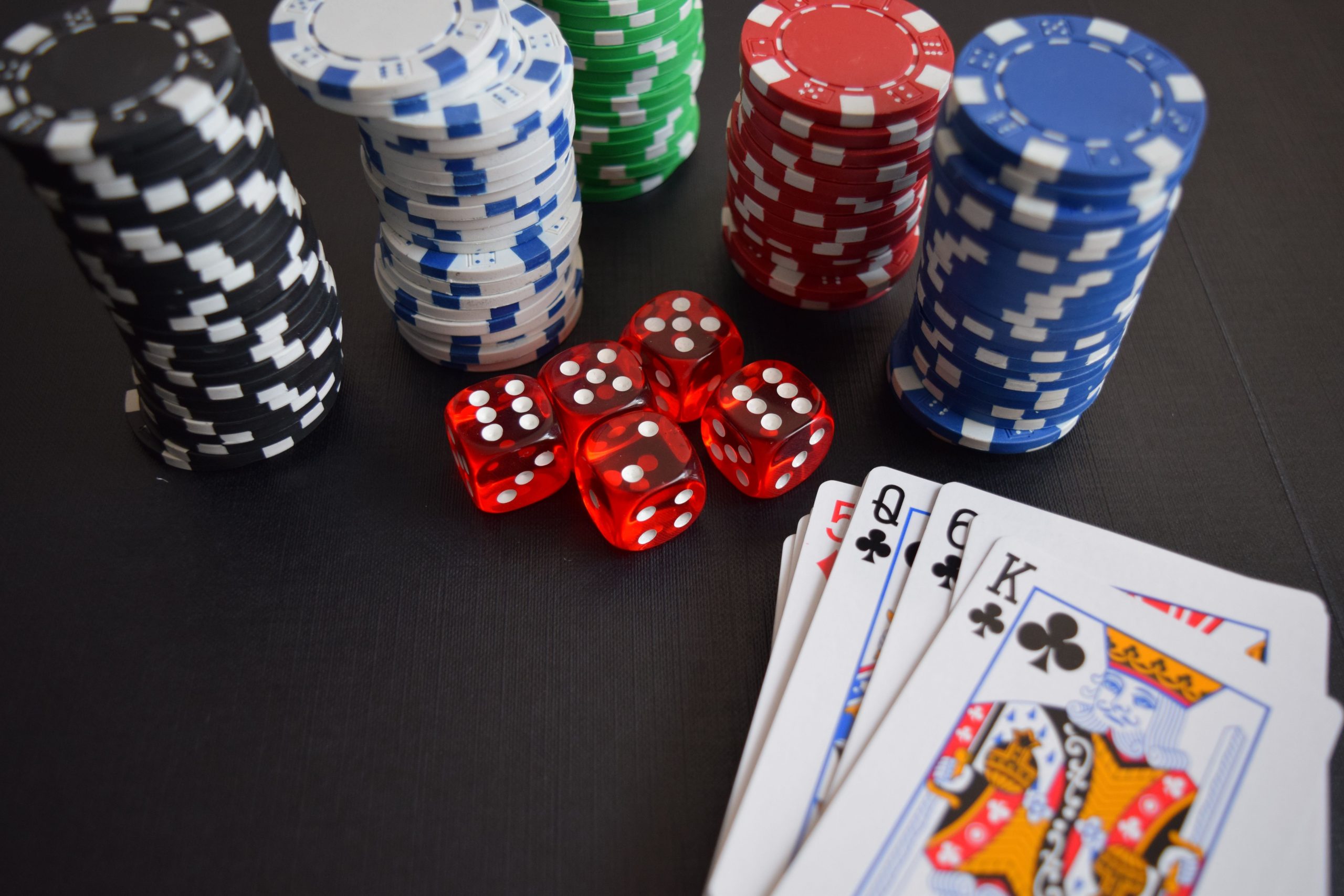
A Normal Hobby With Real Limits
A good leisure activity leaves a person rested, not cornered. Gambling passes that test only when the player treats the stake as the full price of the night. A £20 poker game with friends, a raffle at a club, or a Saturday accumulator can sit inside normal social life. It gets ugly when rent money enters the room.
The line is clear.
Acceptable gambling needs age checks, sober choices, and a hard finish. Nobody should chase losses at 1 a.m. because a red card ruined a bet. Casinos, betting shops, and apps also carry responsibility. They should show odds in plain numbers, block underage users, and make self-exclusion easy to find.
A useful comparison is the pub. One beer with dinner is ordinary. Ten beers before work signals trouble. The product is not the whole story; the pattern is.
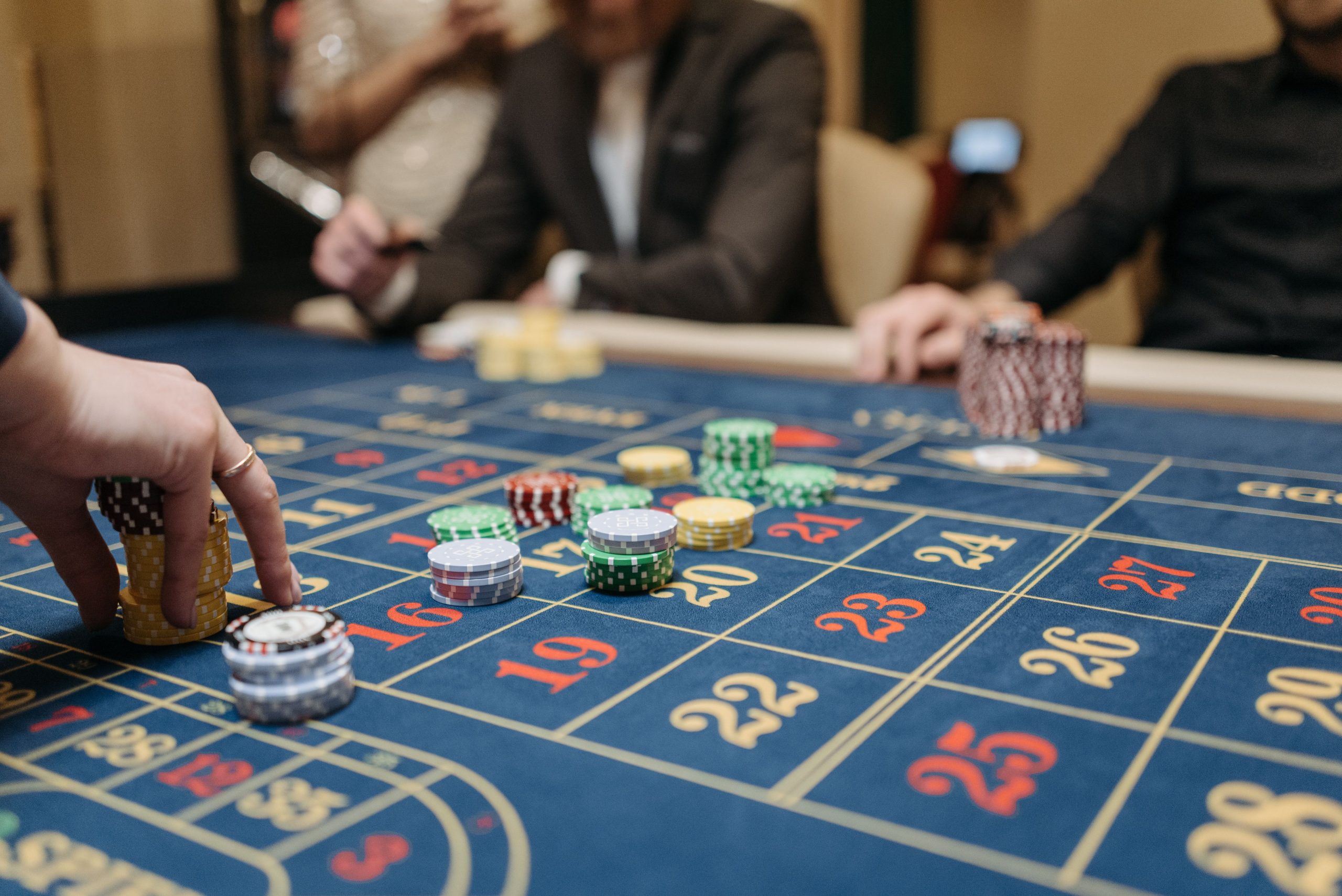
Money Rules Keep the Fun Small
The cleanest rule is simple: the stake comes from spare cash. Not groceries. Not the gas bill. Spare cash.
Some players use a separate wallet, prepaid card, or bank pot named “entertainment.” That tiny barrier works because it turns a vague promise into a number. If the pot holds £30, the session ends at £30, even after a near miss on the last spin.
Wins need rules too.
A person who wins £80 and then keeps playing until it disappears has bought a longer evening, not profit. A practical habit is to withdraw half of any win over the starting stake. The rest can remain for play, if the person still feels calm.
Time limits matter as much as money limits. An hour feels different from a whole night staring at a screen. A kitchen timer sounds childish. It works.
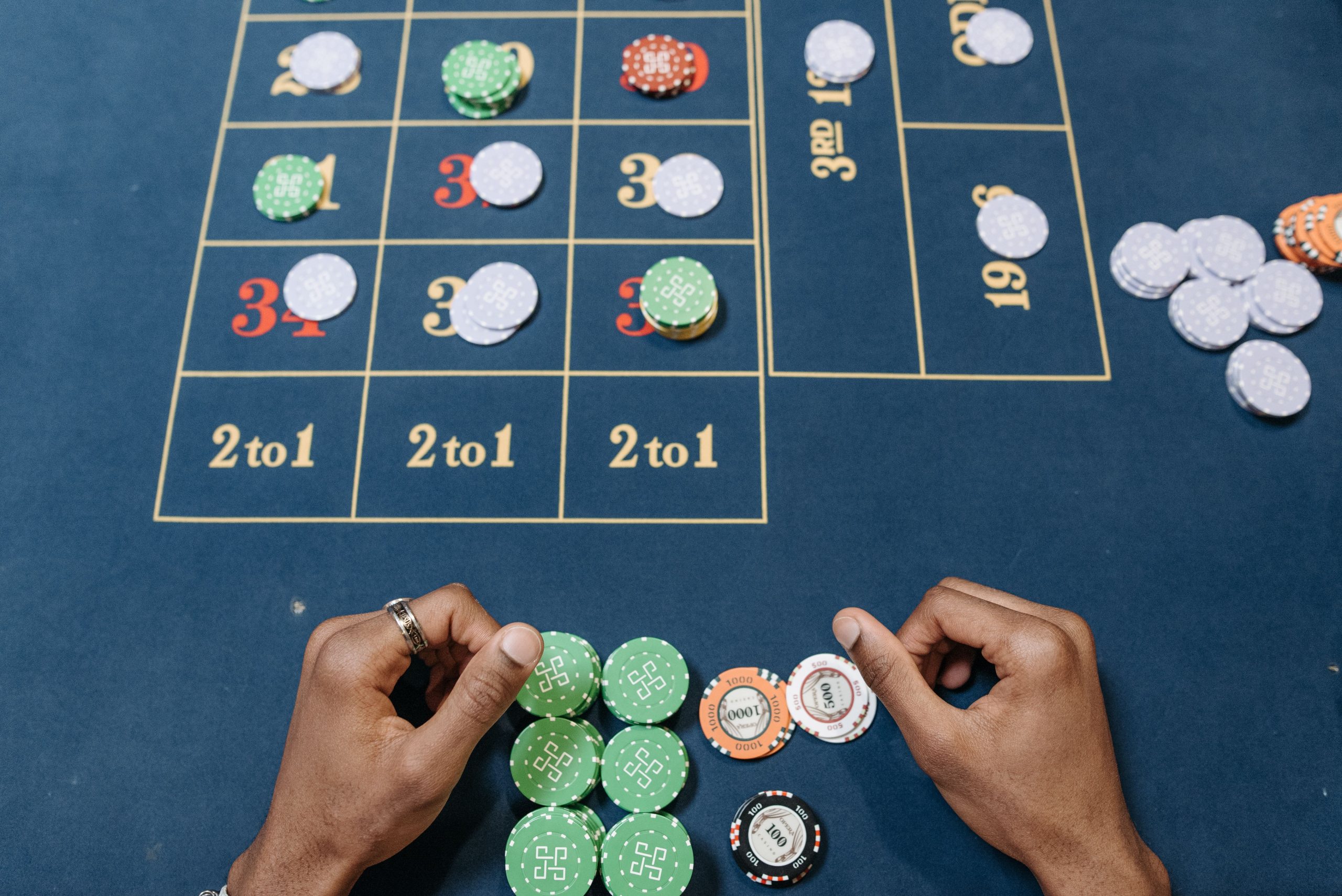
Social Play Beats Secret Play
Gambling looks different in public. Friends notice mood, pace, and spending in ways an app never will. A weekly poker table with £5 buy-ins, snacks, and jokes has a rhythm that protects people. The money is part of the game, not the center of the room.
Secrecy changes the smell of it.
If someone hides bank statements, lies about time online, or borrows after a loss, leisure has left the building. Families do not need to spy, but they do need plain words. “How much is the limit tonight?” is a fair question, not an accusation.
Venues can help by treating breaks as normal. Bright clocks, visible cashier desks, and staff trained to spot distress make a difference. So does water. It sounds small, yet a person who pauses for water also pauses to think.
The best games still leave space for breakfast plans, work alarms, and a decent mood the next morning.
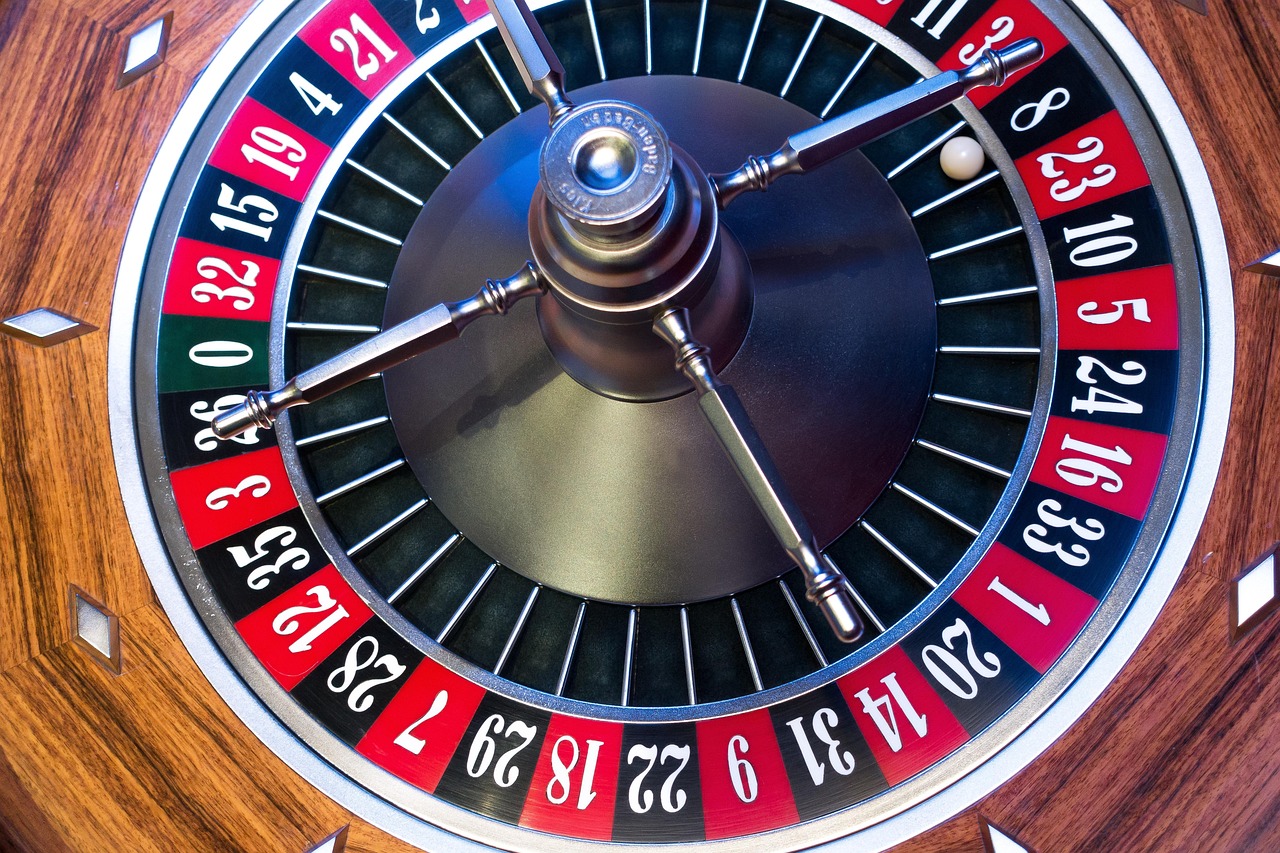
Advertising Should Stay Honest
The industry loses trust when it sells fantasy as if it were a paycheck. A poster showing champagne, watches, and instant rich-life imagery is tacky. Worse, it nudges people toward the wrong reason to play.
Good advertising shows the cost.
A betting ad should mention odds, age limits, and risk tools in the same visual field as the offer. Tiny grey text at the bottom of a phone screen is a joke. Regulators in the United Kingdom already push “safer gambling” messages during sports broadcasts, but placement still matters. A warning after ten minutes of hype lands late.
Influencers need tighter rules as well. If a streamer receives bonus funds, viewers should see that fact before the first wager. No one should mistake a paid performance for a normal night on the sofa.
Clear ads will not kill gambling. They will make it less fake.
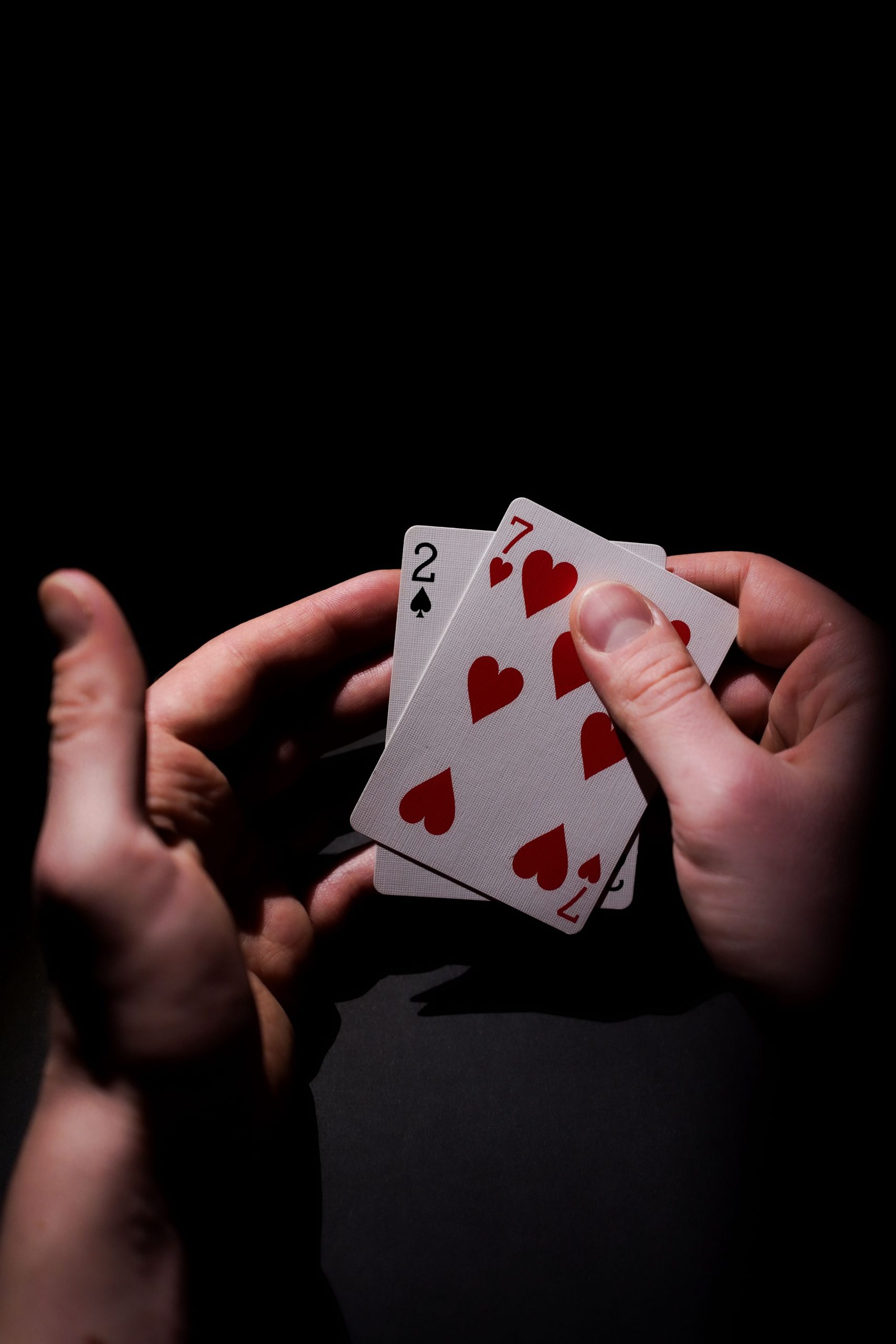
A Simple Test Before the Next Bet
Before a person places another bet, one quick test helps. Could the same amount be spent on a meal, a match ticket, or a film without regret? If yes, the bet sits in the leisure category. If no, the person should close the app.
Another test is mood.
Anger, boredom, and panic are poor dealers. Calm players make cleaner choices, and they accept a loss as the price of the activity. They do not need one more spin to fix the evening.
This is where gambling earns its acceptable place. It belongs beside adult hobbies that carry risk, cost money, and need manners. Skiing has injuries. Drinking has hangovers. Gambling has losses.
The next sensible step is plain: set the number before the fun starts, tell one person, and keep the receipt. A note in the phone works better than a brave promise made later at midnight. If that feels too strict, the stake is probably too high.




Leave a Reply