
Most of us have stared at a half-eaten pot of something on a Tuesday night and wondered if it will survive the freezer. Some foods come out the other side tasting nearly as good as the first night. Others turn watery, grainy, or just sad.
Dietitians tend to favor the same handful of dishes for batch cooking, and the reasons are mostly practical: moisture, structure, and how the food behaves when it’s heated again. Here are seven leftovers that hold up well, along with a few safety notes worth keeping in mind.
Brothy Soups
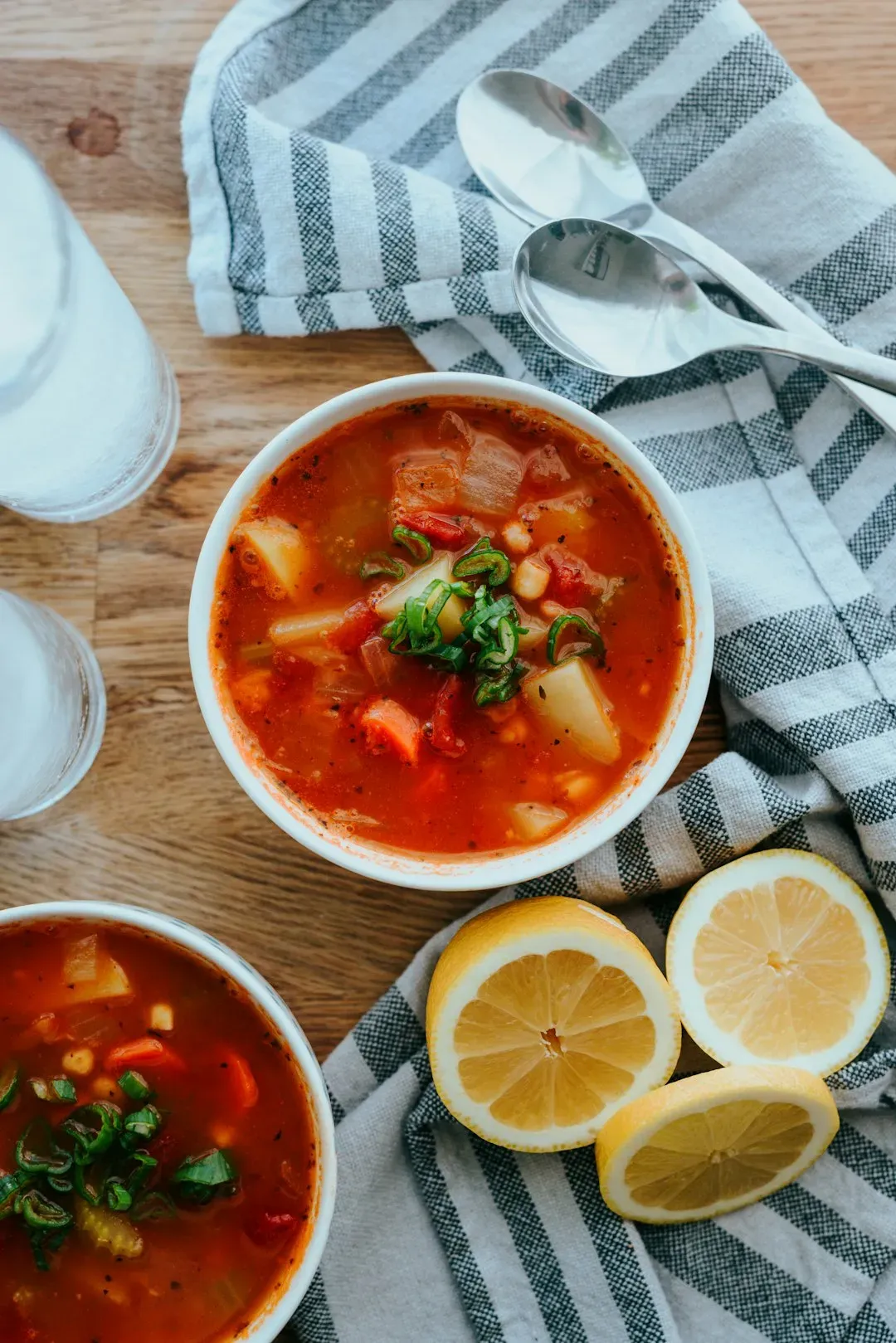
Soup is the classic freezer leftover, and for good reason. Freezing leftovers saves time because you can reheat them on days you don’t feel like cooking, and portioning them into individual servings makes reheating easier. A single serving thaws faster than a giant block of soup ever will.
Cream based soups can be a little fussier, though they’re not off limits. One roundup notes that a cream base holds up through reheating if you heat it gently. For safety, the USDA says frozen leftovers can be reheated without thawing, and soups and sauces should come to a rolling boil.
Chili and Hearty Stews
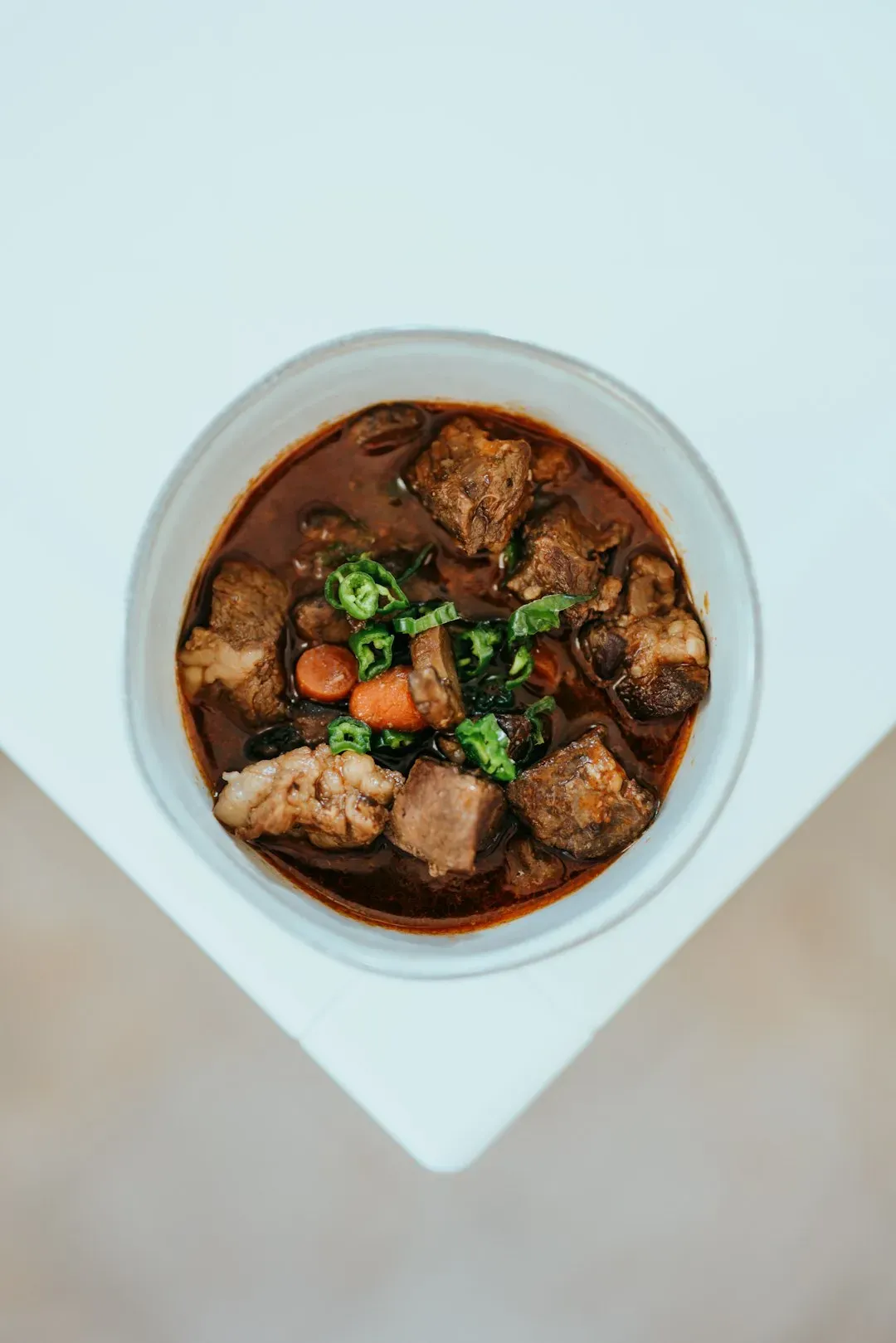
Chili and stew are about as forgiving as leftovers get. Stews, chilis, curries, and slow cooked meats tend to freeze best because the liquid shields proteins from freezer burn and keeps them moist during reheating. That built in moisture is the whole trick.
Texture matters too. Beans that hold their shape are what separate a good freezer soup from one that turns to mush. If you’re adding soft vegetables like zucchini, consider stirring them in fresh when you reheat.
Cooked Beans and Lentils
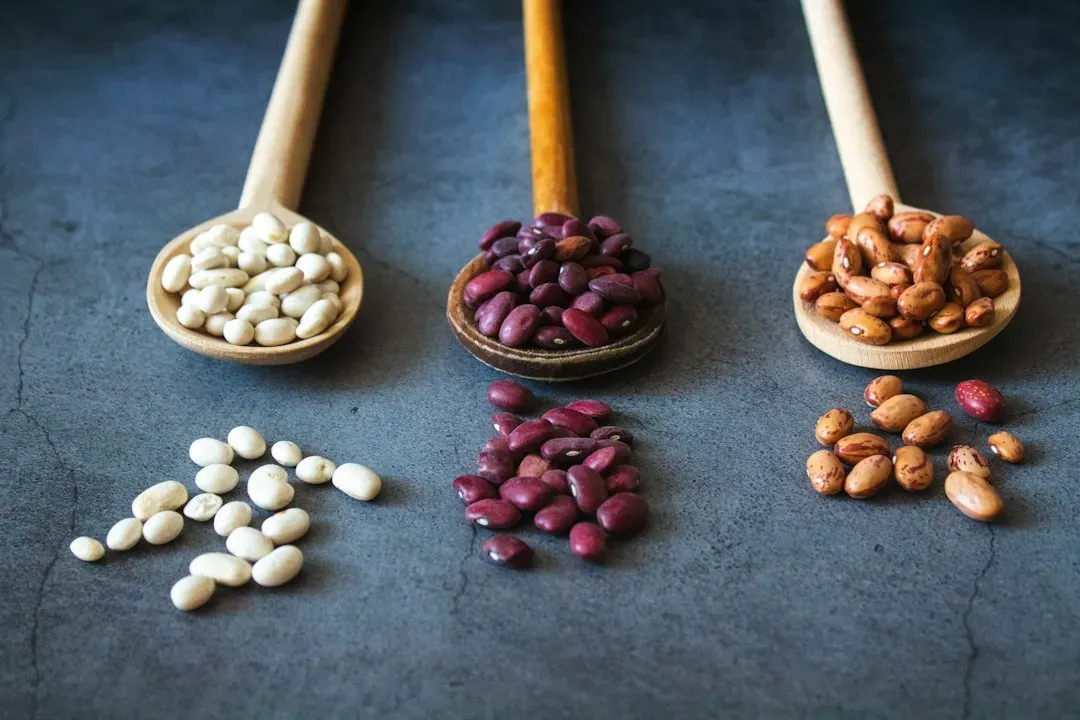
Beans and lentils are cheap, filling, and quietly excellent in the freezer. One healthy freezer meal guide says legumes freeze flawlessly. A big pot cooked on Sunday can turn into several quick lunches.
Freeze them in portions you’ll actually use. Older advice from a newspaper recipe feature suggests thawing the beans and adding a bit more water if they get too thick before microwaving. Lentil soup works the same way, and freezing it in individual portions makes for an easy healthy lunch.
Bolognese and Tomato Based Sauces
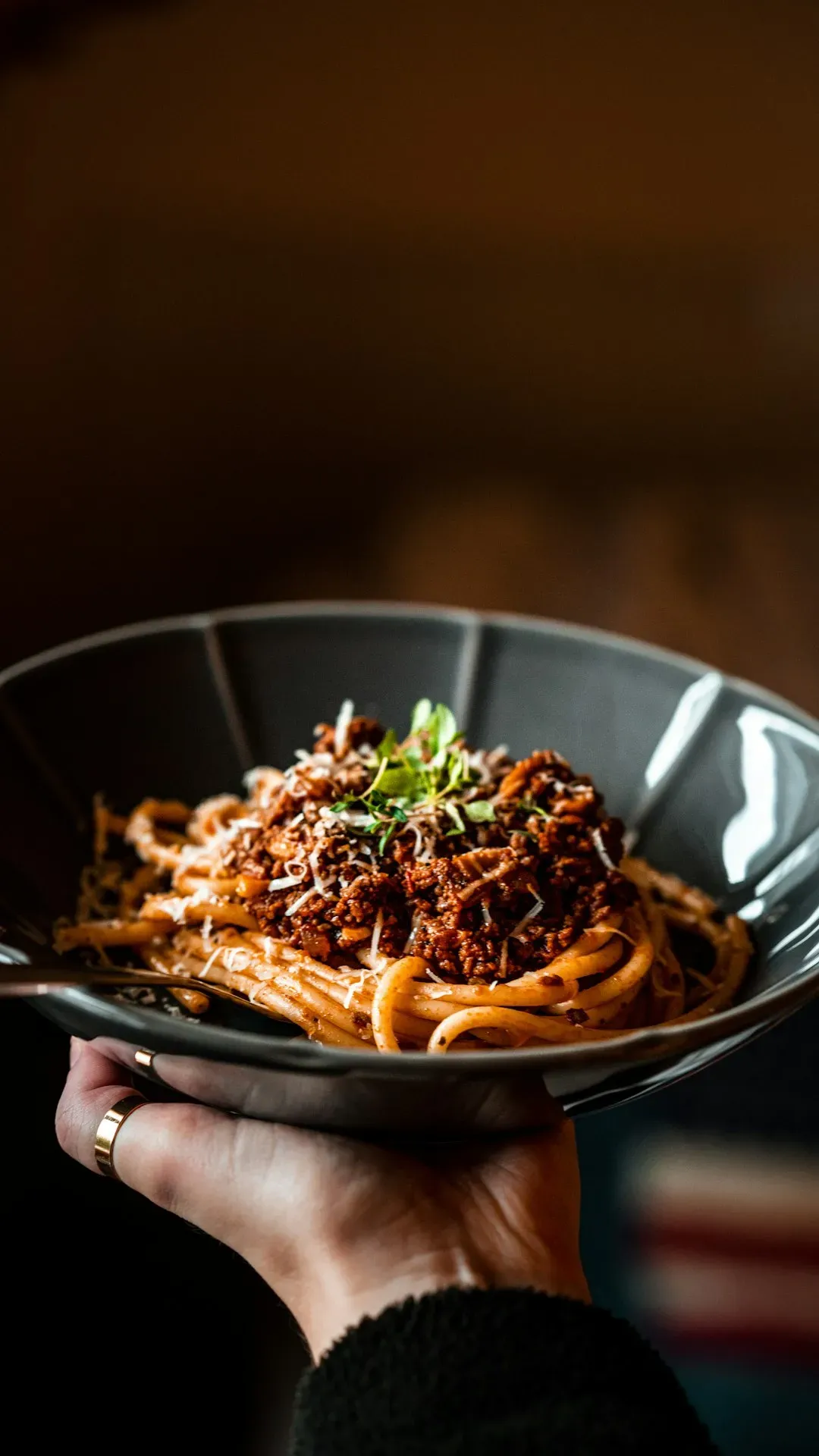
A slow simmered meat sauce is one of the most dependable things to stash away. The natural acidity of tomatoes and the moisture in lean beef mince help protect the texture. Many cooks double a batch just so there’s always some on hand.
Freeze the sauce on its own and cook fresh pasta when you’re ready to eat. That avoids the overly soft noodles you sometimes get from freezing the two together. Reheat on the stove until it’s steaming throughout, and keep in mind that leftovers should be reheated to 165°F.
Curries With Chickpeas or Chicken
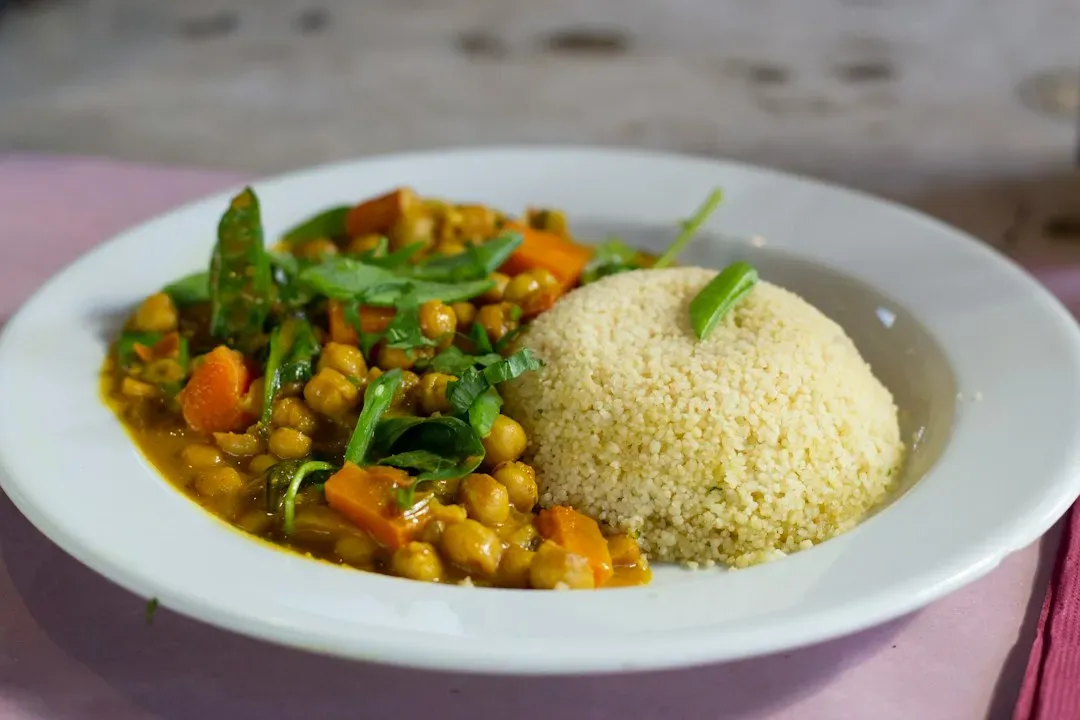
Curry freezes beautifully because the sauce does most of the protective work. Butter chicken, for example, can be frozen with its sauce, then thawed, reheated, and served over rice or vegetables. The flavors often settle in nicely after a stint in the freezer.
Some finishing touches are better saved for later. One chickpea curry recipe recommends adding the spinach and lime when you reheat, and says it keeps for up to three months. A squeeze of citrus or a handful of fresh herbs wakes the dish back up.
Lasagna and Baked Pasta
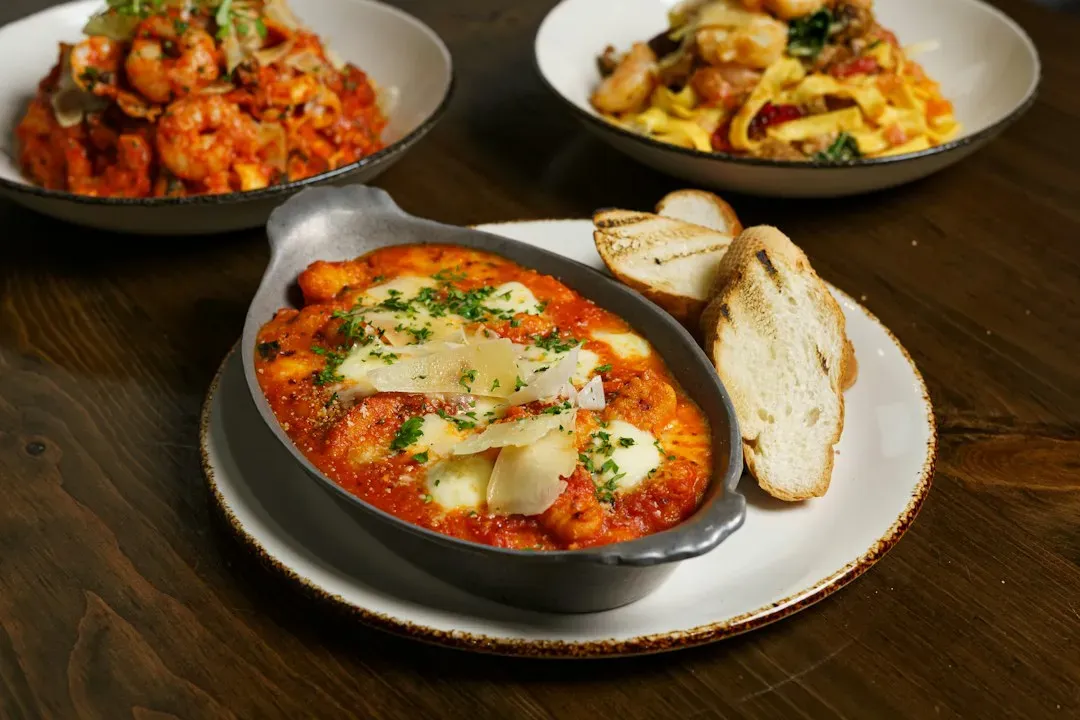
Baked pasta dishes are made for portioning. One vegetarian lasagna recipe suggests freezing it fully baked in portions and reheating it covered at a moderate oven temperature so it doesn’t dry out. Cutting squares before freezing means you can pull out just one serving.
Cheese is the variable. For the best texture, one freezer guide advises freezing without the cheese and adding fresh cheese after reheating. Stuffed shells follow similar logic, and a dietitian’s blog says they freeze well for about three months.
Egg Casseroles and Quiche
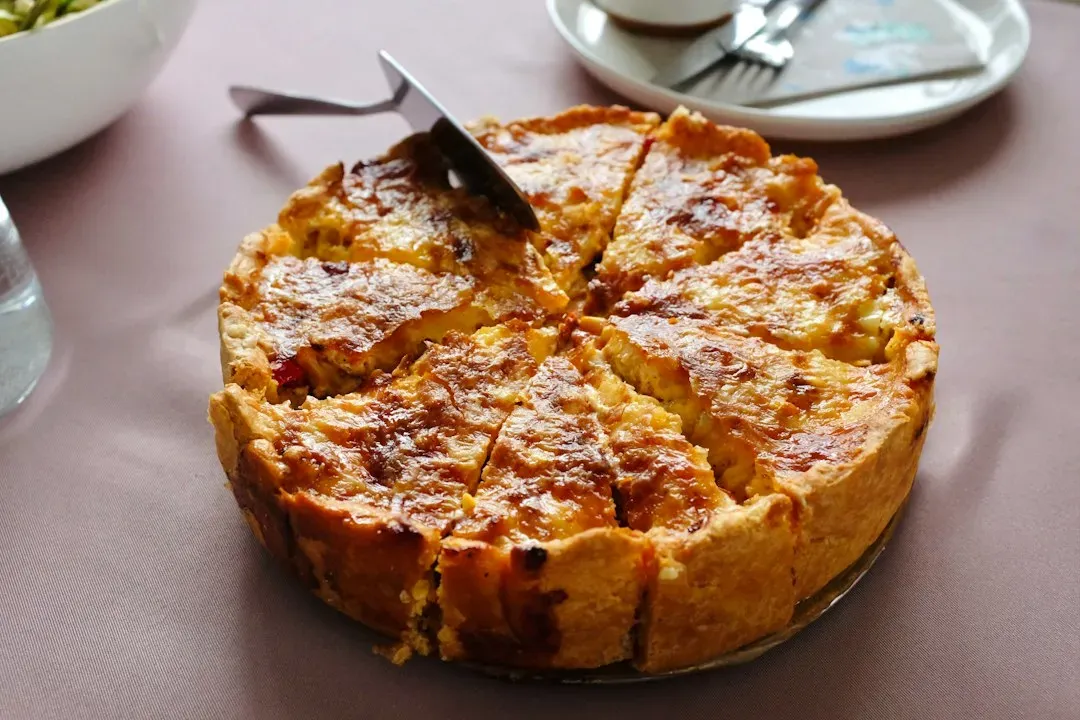
Eggs sound like a risky freezer candidate, yet baked egg dishes do better than you’d expect. A dietitian’s broccoli cheddar quiche is said to freeze well in individual slices for about two to three months. Cooled slices stored in glass containers make a simple grab and go breakfast.
Plain egg casseroles loaded with vegetables work the same way. The same dietitian describes a veggie and cheese egg casserole as reheating exceptionally well and easy to batch prepare. Whatever you freeze, the USDA says leftovers can be frozen for three to four months, so label the date on each container.

Leave a Reply