
Most parents and caregivers say things in the heat of the moment that they’d gladly take back. A tired evening, a repeated misbehavior, a moment of genuine frustration – and out comes a phrase that felt automatic but landed differently than intended. Even with the best intentions, parents and caregivers can sometimes use phrases that, while seemingly harmless, can be psychologically damaging to young minds.
The words we use as parents or caregivers carry immense power. They shape how children perceive themselves, handle emotions, and interact with the world around them. The seven phrases below are genuinely common. Some have been passed down across generations. None of them come from cruelty. Yet research keeps pointing to the same conclusion: good intentions don’t neutralize a harmful message.
1. “Stop Crying”
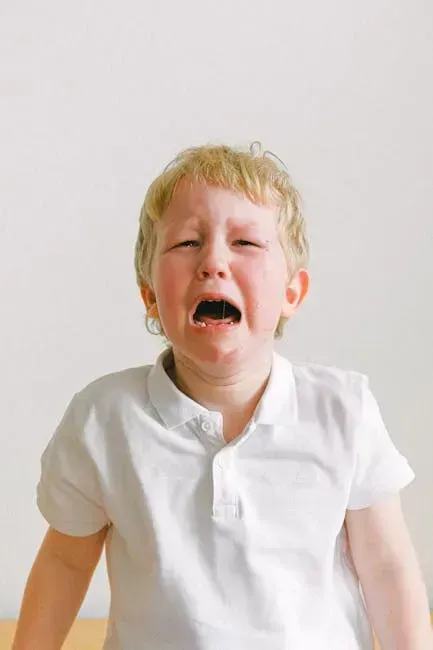
One phrase that often slips out is telling a child to stop crying immediately. Emotions are real to children, no matter how small the trigger seems to an adult. Dismissing tears sends the message that their feelings are wrong or inconvenient. What’s more, this kind of command rarely works on a practical level anyway. Telling someone in distress to simply cease that distress tends to intensify it.
Rejecting crying teaches the child that certain emotions aren’t valid. It may also lead to children being unable to name their emotions. Kids who repeatedly hear phrases like this aren’t given the opportunity to develop language around emotions or understand what they’re feeling. Research shows kids who feel safe expressing emotions learn to manage them better later in life, leading to stronger relationships and school success.
2. “You’re So Lazy”
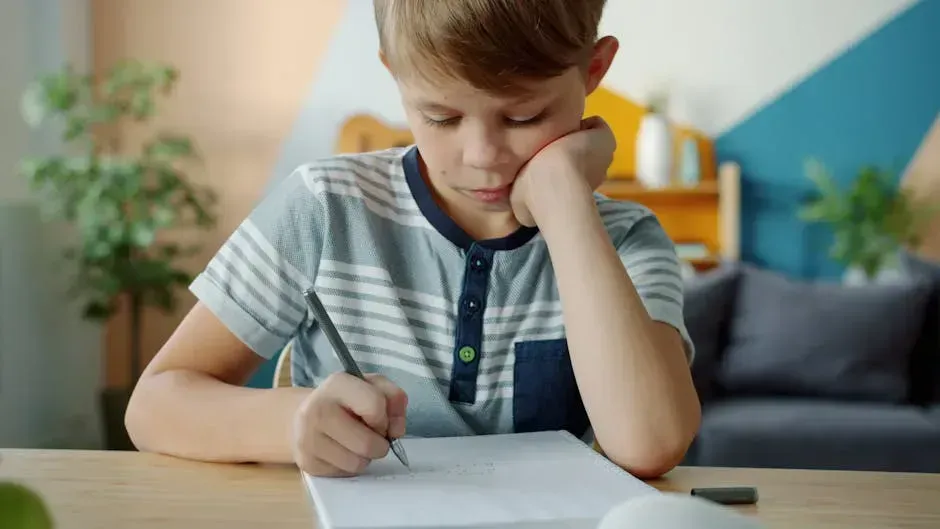
Labeling a child as “lazy” can have long-term repercussions on how they view themselves. Kids often internalize such labels and may even fulfill those negative expectations, believing they can’t change how others see them. It’s worth remembering that a child dawdling over homework isn’t necessarily unmotivated. Their brain is still developing, and what looks like laziness to an adult often has a different explanation entirely.
When you call a child lazy, you also run the risk of a child internalizing the label. To draw upon an analogy from education, think about what’s known as the Pygmalion effect: positive expectations lead to better performance. Research has shown this is a potent idea in both the classroom and workplace. Conversely, negative expectations lead to worse performance. So calling a child “lazy” isn’t the motivation you might think it is.
3. “Why Can’t You Be More Like Your Brother/Sister?”

We might say these things in an effort to motivate our child to make different choices, but it doesn’t matter what our intentions are. What matters is our impact – how our words make our children feel. Whenever we draw comparisons between siblings, we are fueling sibling rivalry as well as low self-esteem within our child. The sibling being held up as the example isn’t safe from harm either.
The child you are saying is the “better” one now feels immense pressure to measure up to your standards, or risk being dropped in status. This is an unhealthy place for both children. Children are unique, each with their strengths, weaknesses, and pace of development. Comparison-based motivation almost always backfires, regardless of how gently it’s phrased.
4. “Because I Said So”

Kids learn best when they understand why a rule exists. “Because I said so” shuts down curiosity instead of encouraging understanding. Offering a reason like “Here’s why this is important…” helps them develop their own sense of responsibility. The phrase feels efficient in a stressful moment, but that efficiency comes at a cost to the child’s developing sense of reasoning.
Care.com notes it “takes all control away from your kids.” You don’t always have time to explain your reasoning, but you should try to give your kids a better context of why you’re asking them to do or not do something. Even a brief, honest explanation signals that the child’s mind is worth engaging. That small gesture adds up over time in ways that matter for their confidence and cooperation.
5. “You’re Too Sensitive”

Telling a child they’re being “too sensitive” can be damaging. It invalidates their emotions and can lead to suppression of feelings, which could have serious implications in their future emotional development. The phrase tends to come from a well-meaning place, often an attempt to toughen a child up or help them shake something off. The effect, though, is the opposite of toughening.
Being told they are “too sensitive” can make kids feel ashamed of their emotions and question their worth. Sensitivity is a natural and valuable trait that should be nurtured, not criticized. Dismissing emotions discourages self-expression and can make children feel invalidated. Children who are consistently told their emotional responses are excessive learn to distrust their own inner experience, which is a difficult pattern to undo later in life.
6. “You Make Me So Angry”

In psychology, this phrase – an attempt to make someone else responsible for your feelings – is known as “blame shifting.” Rather than owning your feelings and modeling that for your children, you’re putting the locus of control on the child and making them responsible for you. Not only is that unfair, it’s too much for a child to handle. A child who hears this regularly can develop a deep and misplaced sense of guilt around the emotional states of the adults in their life.
Certain common phrases could “inadvertently shame” a child and cause lasting damage to their self-esteem. Research shows that children who experience frequent shame are at higher risk of anxiety and depression, and may grow up with self-worth problems. The fix is simple in principle: owning the feeling with an “I” statement rather than placing it on the child. It models emotional responsibility and keeps the relationship intact.
7. “Good Job!” (Said for Everything)
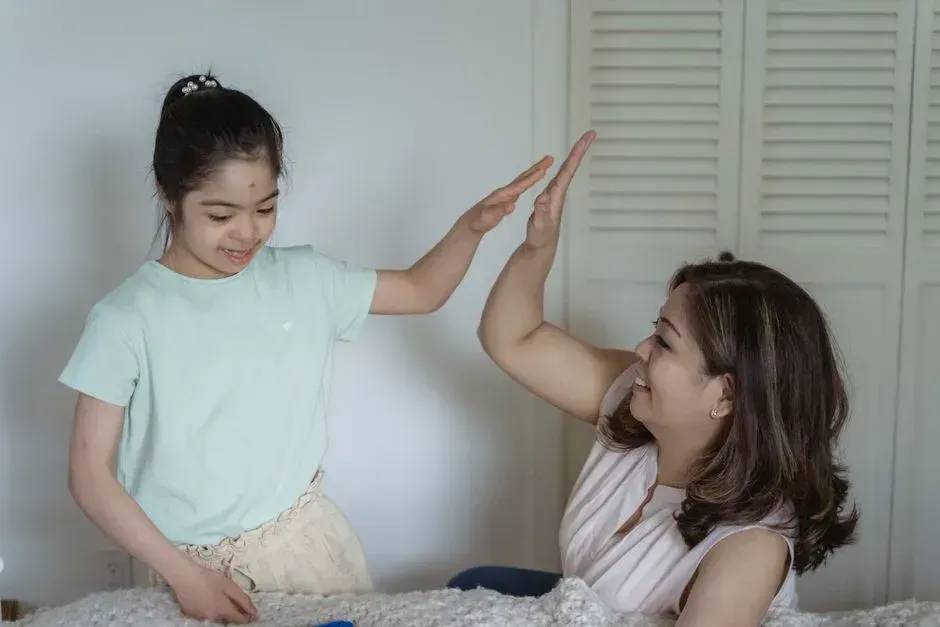
What could possibly be wrong with a simple phrase like “Good job!”? The trouble, according to a host of psychologists, is that using this sort of general encouragement for every little thing dilutes its meaning and, over time, can actually work against a child’s motivation to learn and grow. Praise that’s untethered to specific effort or action teaches a child that the outcome matters, not the process.
Instead of just saying “good job,” helping kids understand what exactly they did so well allows them to replicate it in the future. Parenting expert Sharon Silver says, “Kids have no idea how to repeat their success unless parents include details about the path the child took to create the success.” Saying that kind of vague thing to children can actually work against their striving to learn. Learning is a series of trials and tribulations. Specific praise, tied to effort rather than result, builds children who are resilient when things get hard.
Words spoken carelessly in everyday moments carry more weight than most adults realize. The ways in which we speak to our kids become their inner voice. If we tell them that they are critical things, they will believe us. Recognizing these phrases isn’t about guilt. It’s about understanding that small, consistent shifts in language can genuinely change how a child sees themselves and the world around them.




Leave a Reply