
Ask someone who grew up in the 1960s or 1970s where the family ate on a special night, and you’ll often hear a name that’s no longer on any highway sign. Some of those places vanished completely. Others shrank to a handful of locations or lived on under new owners.
The seven chains below were part of everyday American life during those decades. Each one left something behind, whether a menu item, a building style, or a business idea that later companies borrowed.
Howard Johnson’s
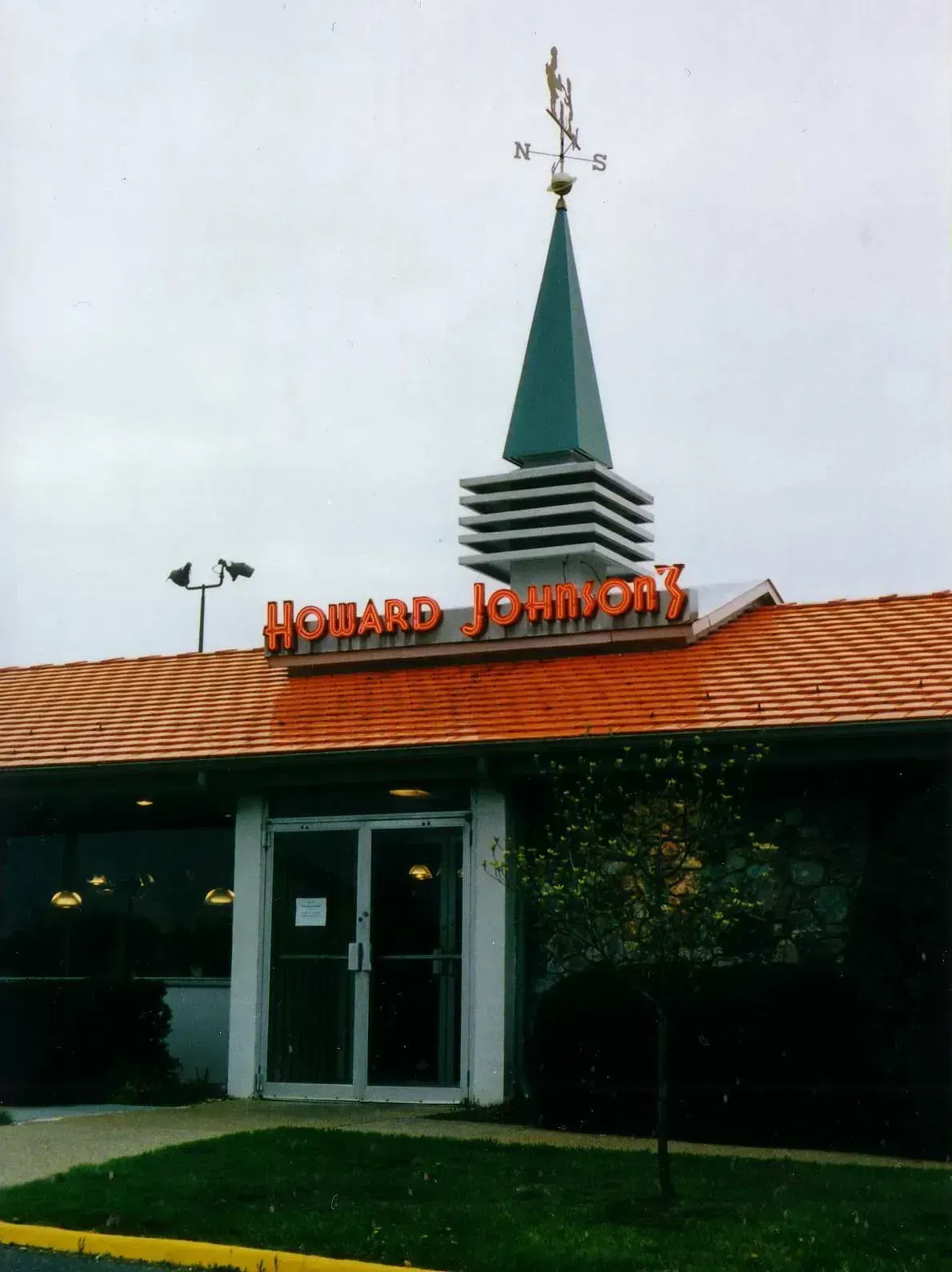
Howard Johnson’s began in 1925 and grew into one of the biggest restaurant brands in the country by the 1960s. Its bright orange roofs and cupola-topped buildings stood along highways and turnpikes. Families knew it for fried clams, hot dogs, and ice cream sold in 28 flavors.
The chain slid after the 1970s as fast food and changing ownership pulled customers away. Most locations closed in the decades that followed. In recent years only a tiny number of restaurants were left, and the company’s lodging brand outlived the dining rooms.
Burger Chef
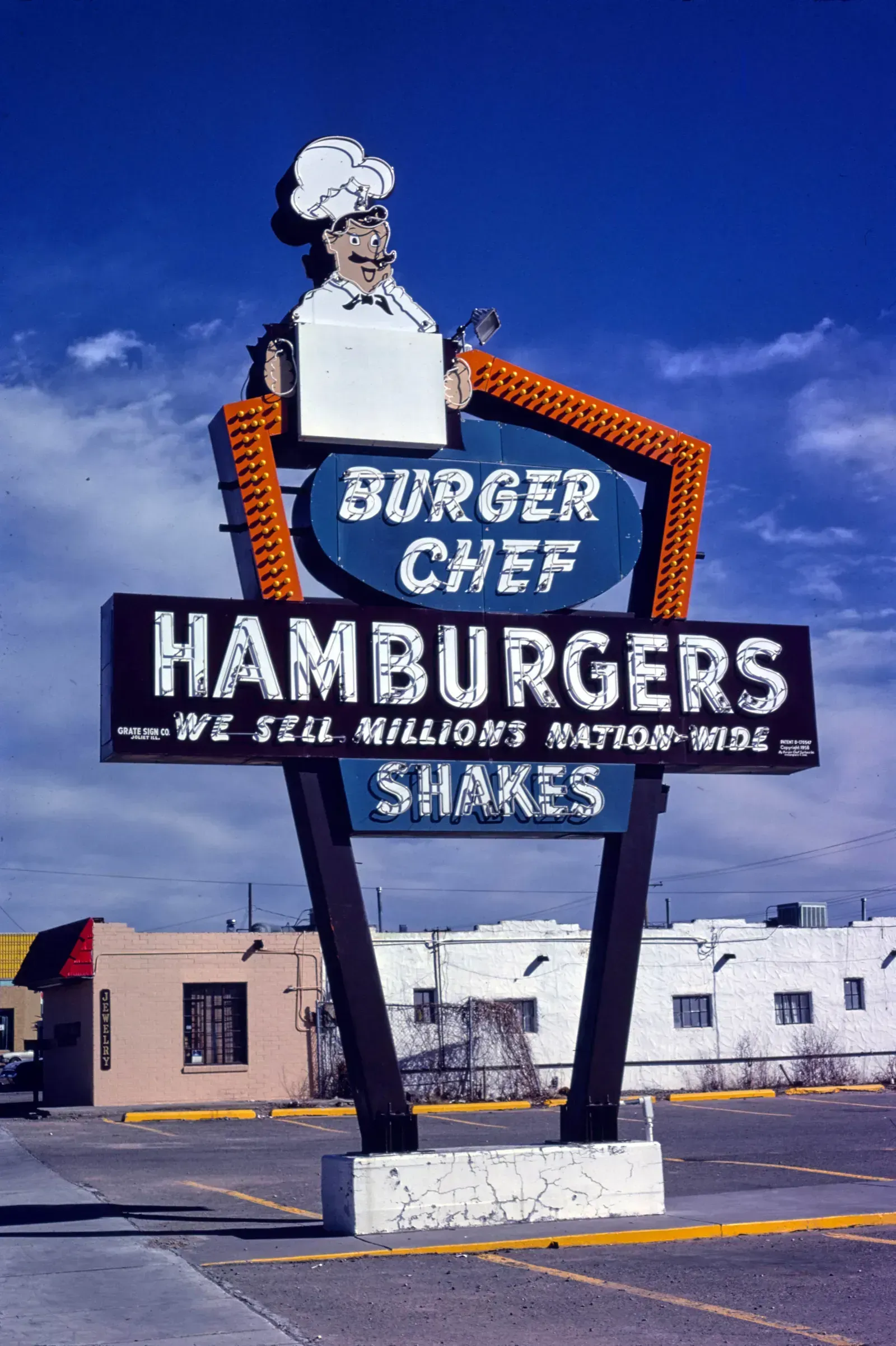
Burger Chef opened its first restaurant in Indianapolis in 1954 and expanded rapidly through franchising. By the 1970s it ranked among the largest hamburger chains in America, trailing only McDonald’s. Its Big Shef sandwich was a signature item.
The chain also introduced the Funmeal in the early 1970s, a kids’ meal with a toy and activities that many people see as a forerunner of the Happy Meal. Hardee’s bought Burger Chef in 1982 and converted most of the restaurants to its own name. The brand disappeared from the landscape soon after.
Bob’s Big Boy
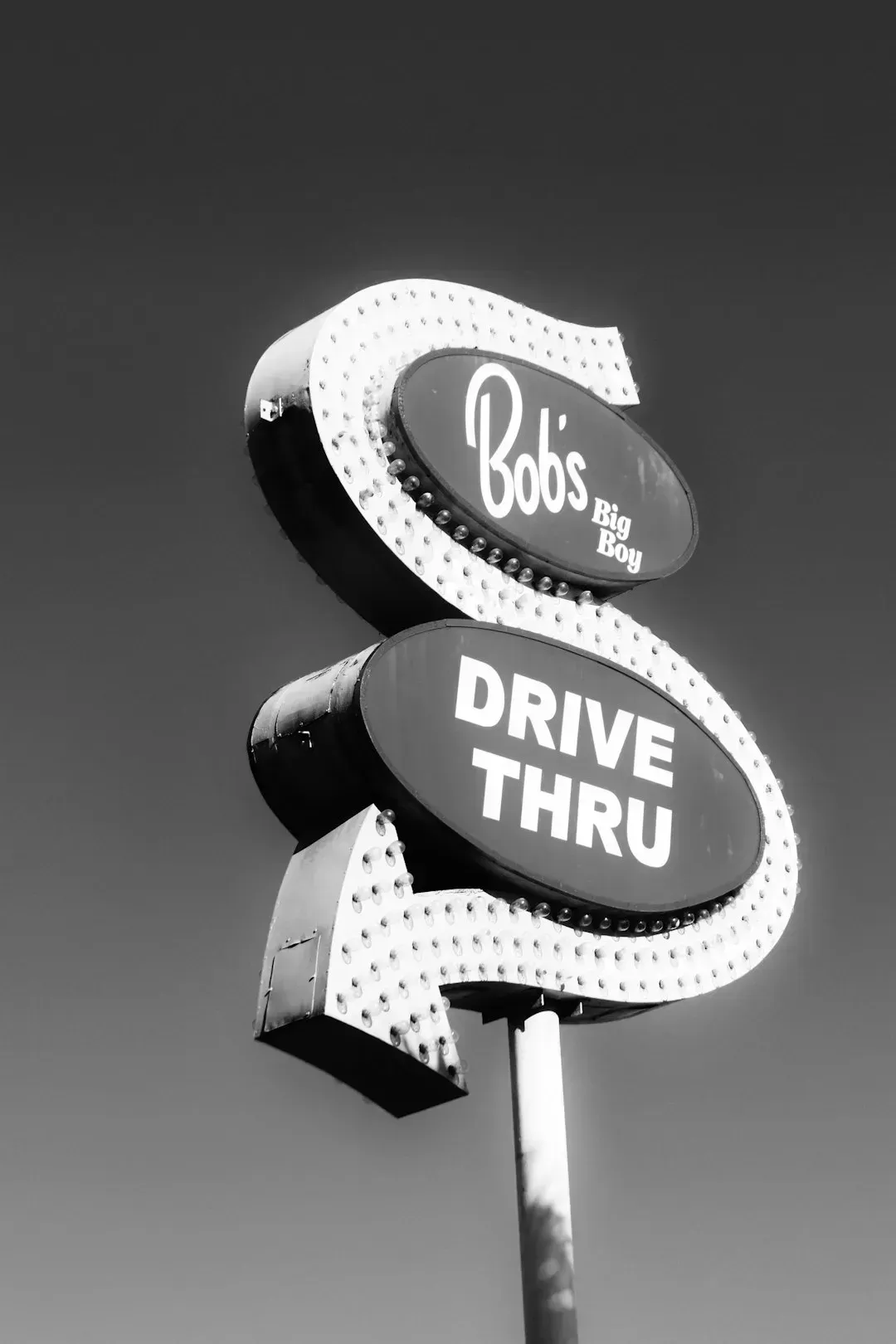
Bob Wian started the Big Boy story in Glendale, California, in 1936. The double decker hamburger became the star, and the smiling boy in checkered overalls became one of the most recognizable mascots in American dining. By the 1960s and 1970s, Big Boy restaurants were a regular stop for families, with carhops and diner style counters.
The brand split into regional operators, which is why people in different parts of the country remember different versions. Frisch’s Big Boy kept the name alive in Ohio and nearby states for many years. A few Big Boy restaurants still operate today, mostly as nostalgic holdouts.
Horn & Hardart Automat
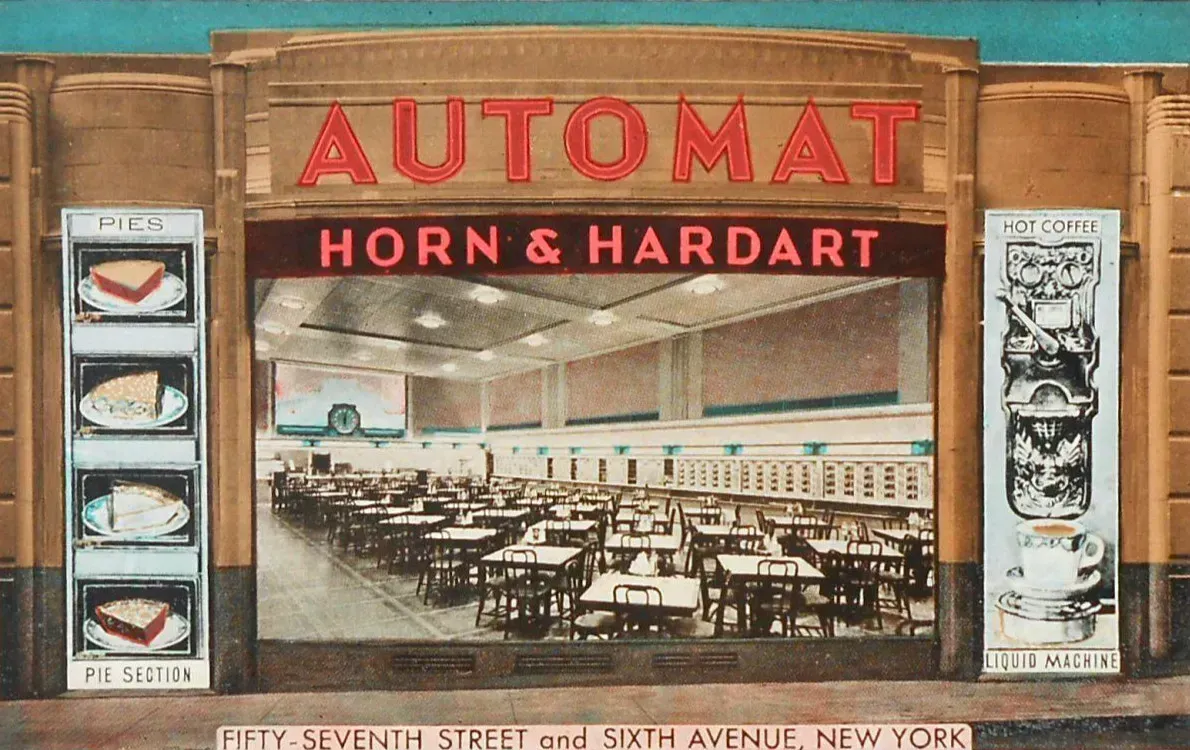
The Automat let diners put coins into a slot, open a small glass door, and pull out a hot meal or slice of pie. Horn & Hardart opened its first Automat in Philadelphia in 1902 and brought the concept to New York in 1912. Though its peak came earlier, plenty of people in the 1960s and 1970s still remember eating macaroni and cheese or coffee from the brass dispensers.
Rising costs and the spread of fast food hurt the business, and Horn & Hardart eventually converted many locations to Burger King franchises. The last New York Automat closed in 1991. The concept still fascinates people as an early example of self service dining.
Shakey’s Pizza
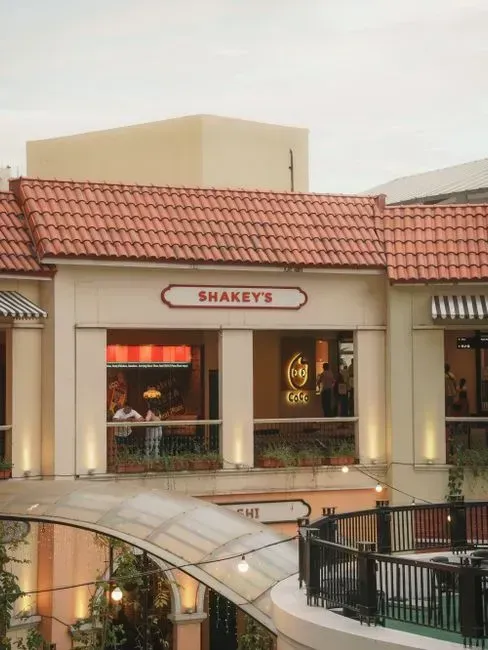
Shakey’s opened in Sacramento in 1954, founded by Sherwood “Shakey” Johnson and Ed Plummer. It became known for beer, a player piano, and sing along banjo music in big, casual parlors. In 1967 it began franchising, and it is widely credited as the first pizza chain to do so.
During the 1960s and 1970s the brand spread across the country, introducing many Americans to pizza as a family night out. Unlike several others on this list, Shakey’s never fully disappeared. It still operates restaurants, particularly in California and in parts of Asia, where it remains popular.
Sambo’s
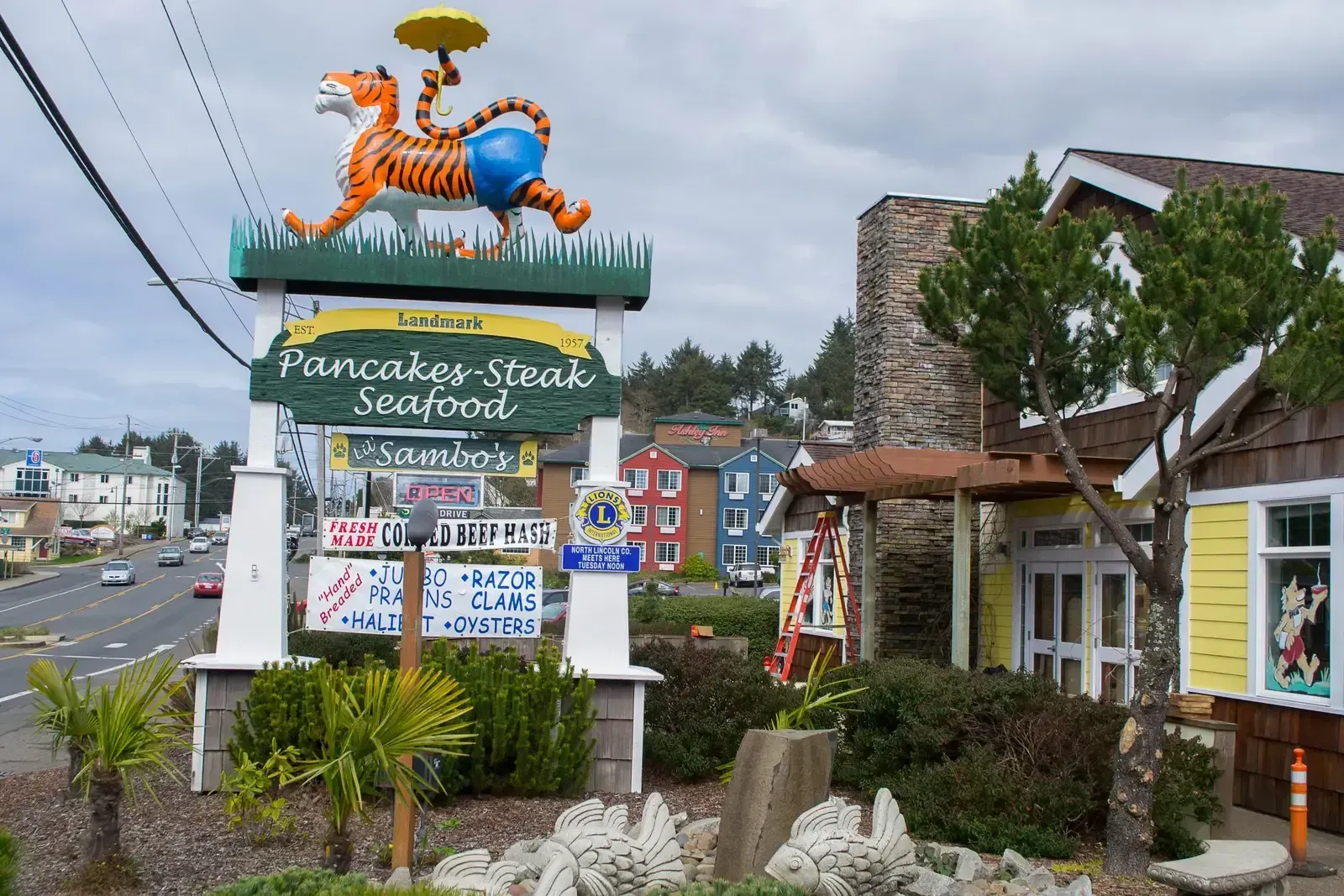
Sambo’s started in Santa Barbara, California, in 1957, created by Sam Battistone and Newell Bohnett. The name came from combining their first names, and it grew into a national pancake and coffee shop chain with hundreds of locations by the 1970s. Its breakfast menu and long hours made it a common stop for travelers and local regulars.
The name and the restaurants’ storybook decor drew sustained criticism for echoing a racist children’s book. Many locations were renamed in the late 1970s, and the company went bankrupt in the early 1980s. Sambo’s is remembered today mainly as a business and cultural cautionary tale.
Arthur Treacher’s Fish & Chips
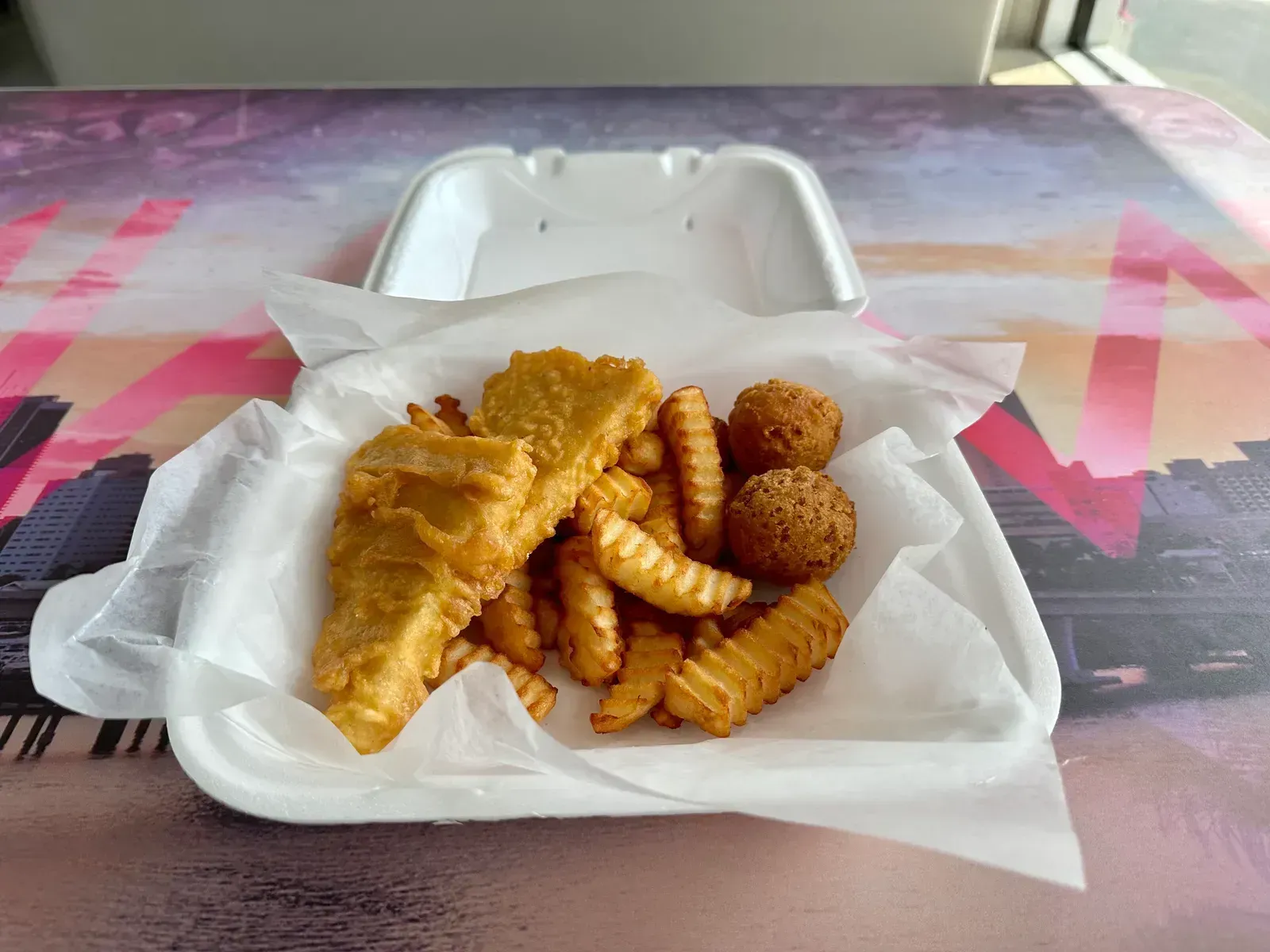
Arthur Treacher’s opened in 1969 in Columbus, Ohio, and was named for the British actor who lent his image to the brand. John Y. Brown Jr., the businessman who had bought Kentucky Fried Chicken, was among its backers. The menu centered on battered fish and thick cut fries, served in a fast food setting.
The chain expanded quickly in the early 1970s, then contracted sharply as competition and financial problems set in. The company went through multiple ownership changes over the years. A small number of Arthur Treacher’s restaurants continue to operate in a few states.


Leave a Reply