
1. Checkout lines suddenly slowed down
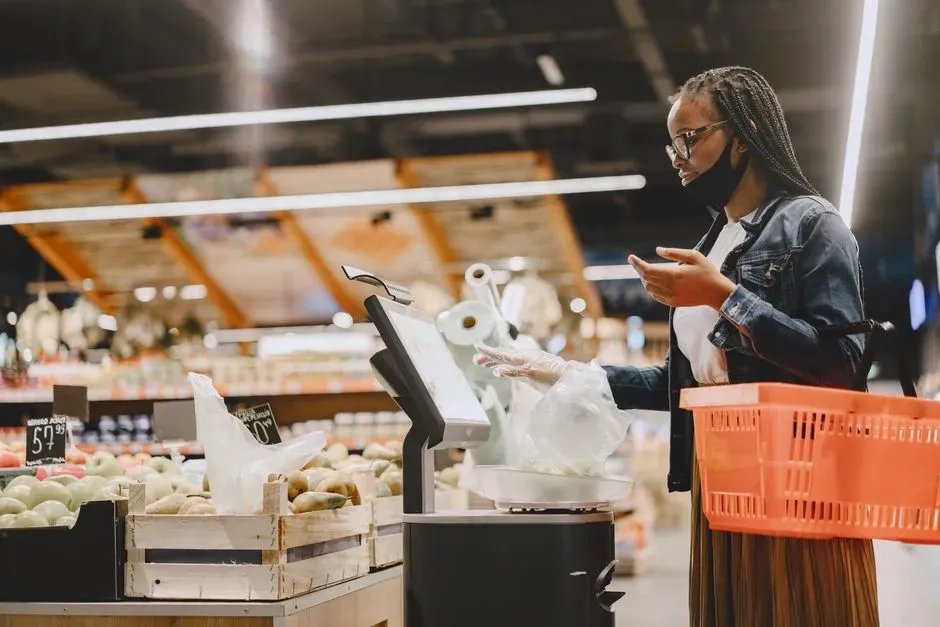
The first thing most shoppers noticed was that checkout took longer. Cashiers had to ask whether customers wanted a bag, ring up the fee separately, and sometimes explain the policy to people encountering it for the first time. In places like Colorado, where the statewide ten cent fee applied to both paper and plastic bags before the outright plastic ban took effect, stores had to charge customers a fee of at least 10 cents per bag between January 1, 2023, and January 1, 2024, applying to both recycled paper bags and single use plastic bags.
That extra step, small as it sounds, added friction to a process that used to be automatic. Shoppers fumbled for reusable totes they had forgotten in the car, or decided at the register to skip a bag entirely and juggle groceries by hand. Multiply that by every transaction at every register, and lines genuinely moved slower during the first months after a fee rolled out.
2. People started keeping a stash of reusable bags everywhere
Once the free bag disappeared, the calculus changed fast. Shoppers began stuffing folded totes into glove compartments, backpacks, and purses so they would never get caught paying for something they used to get automatically. Washington State’s Department of Ecology has leaned into this shift directly, recommending that people store reusable bags in their cars, backpacks, purses, and other handy places where they can be easily retrieved when needed.
The behavioral data backs up how quickly this habit spread. In Chicago, reusable bag use jumped from 13 percent to 33 percent after the fees were implemented, an increase of 20 percentage points. San Jose saw an even more dramatic swing, where the use of reusable bags increased from four percent before implementation to about 62 percent afterward.
3. Fewer people took a bag at all
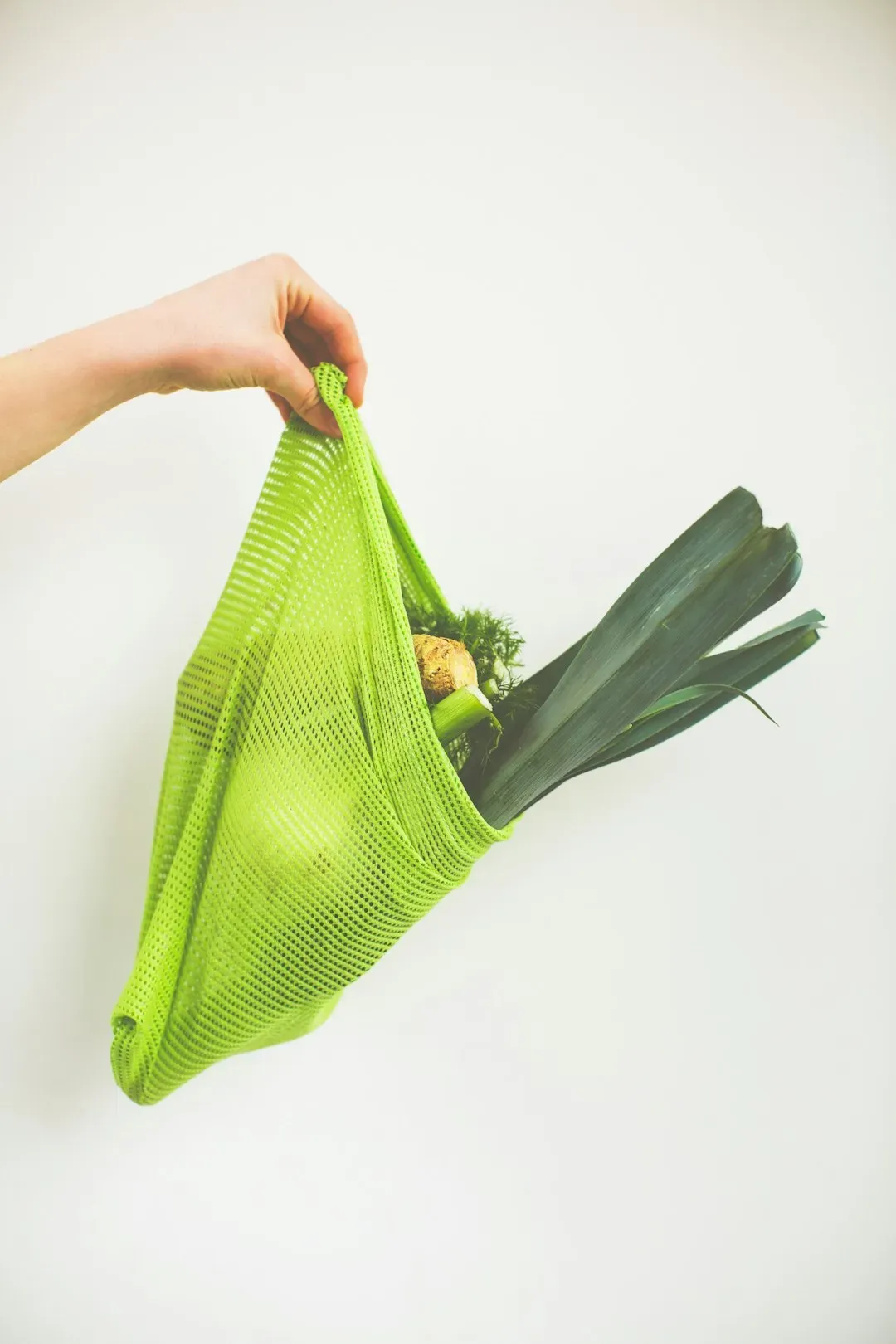
Charging even a nickel or a dime turned out to be enough to make some shoppers skip bags entirely, especially for small purchases. In Chicago, the percentage of customers choosing not to use any bag at all in stores after fees were implemented increased from just under 8 percent to 21.5 percent. That is a meaningful chunk of shoppers who simply decided a bag was not worth ten cents.
Similar patterns showed up elsewhere. Ballotpedia’s review of bag tax research found an overall increase of 211.4 percent in reusable bag use, a 40.8 percent decrease in paper bag use, and a 259.8 percent increase in customers using no bags. Carrying a few loose items out to the car became a normal sight in a way it rarely was before.
4. Trash bag sales quietly spiked
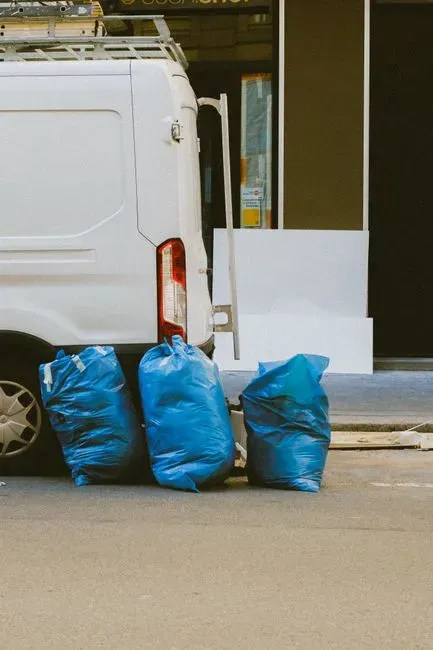
This one caught a lot of people off guard, including some policymakers. Free grocery bags had long doubled as makeshift trash liners for small bins, so once they disappeared, households needed a substitute. Researchers tracking retail scanner data found a 55-101% increase in sales of 4-gallon garbage bags and a 54-129% increase in sales of 8-gallon garbage bags in the selected counties after bans and fees took effect.
Notably, sales of larger 13-gallon bags barely moved, which supports the idea that shoppers were replacing a very specific, small-scale use case rather than changing how they handled trash overall. Researchers found this “adds heft to the results, since these larger bags wouldn’t be a very good substitute for small plastic grocery bags.” The unintended consequence became a small but real talking point in the plastic reduction debate.
5. Paper bag use briefly exploded before settling down
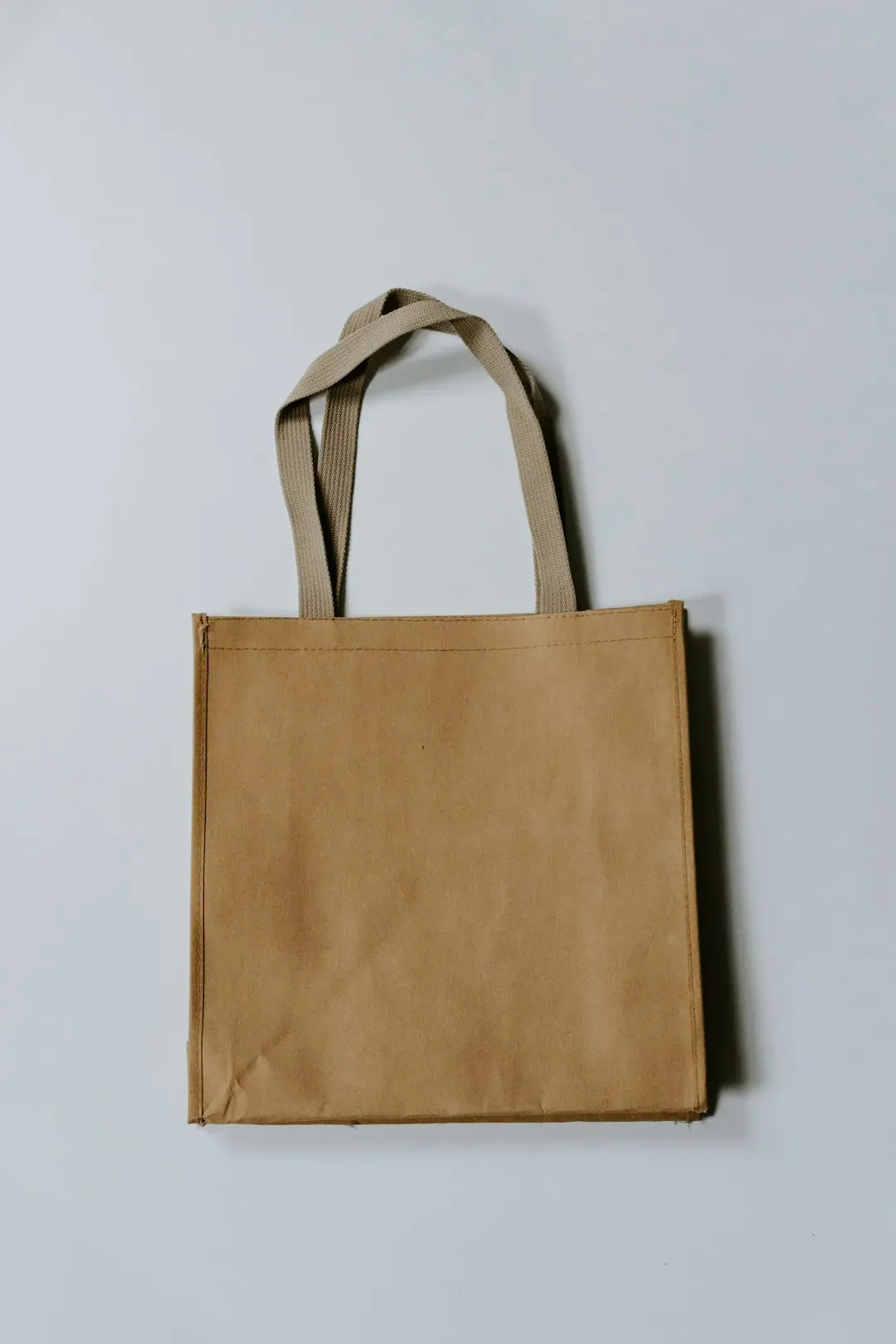
In places that banned plastic outright but did not immediately charge for paper, shoppers flocked to the free alternative. In Portland, paper bag use shot up by nearly 500% after the city enacted a ban, before the state layered in its own fee on paper alternatives. Philadelphia saw a comparable pattern, where the proportion of supermarket shoppers using at least one paper bag tripled after a plastic-bag ban took effect without a fee for paper.
That spike usually did not last. Once cities and states caught up with fees on paper bags too, the surge cooled off, and reusable bag adoption climbed instead. It was a reminder that closing one loophole often just shifts behavior to the next cheapest option, at least for a while.
6. Low-income shoppers and small stores felt the pinch differently

Bag fees were never felt evenly across every neighborhood. Advocacy groups reviewing Philadelphia’s policy noted that many small stores, including those serving low-income and Black and Brown neighborhoods, still use plastic bags because paper bags cost more than twice as much. That cost difference shaped which businesses could realistically switch materials without raising prices elsewhere.
To soften the impact on households already stretched thin, most jurisdictions built in exemptions. Colorado’s law specifies that recipients of federal or state food assistance, such as EBT, SNAP, or WIC, do not have to pay the bag fee, and Washington applies the same carve-out, noting customers using food benefits, such as WIC, TANF, SNAP or EBT, are not subject to bag fees.
7. The money went somewhere new, and stores kept most of it
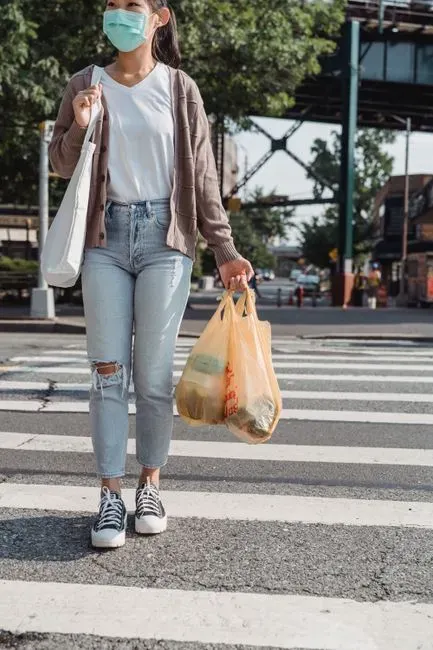
One overlooked change was where the dime or nickel actually landed. In many programs, retailers pocket the fee to offset the higher cost of compliant bags rather than sending it to a government fund. Washington’s law treats the charge as ordinary revenue, stating bag fees are treated as taxable retail sales, and the fee goes to the business.
Some local ordinances split it differently. Boulder, Colorado, has run a longer-standing model where stores charge customers 10 cents per single-use plastic bag, and under the ordinance, stores can keep four cents of the fee to help pay for the cost of complying with the law, with the remaining six cents given back to the city. That revenue split turned a seemingly small checkout charge into a modest but steady funding source for municipal recycling and cleanup programs.
These seven shifts add up to a bigger story about how a tiny price signal, just a few cents at checkout, rippled through daily habits, retail logistics, and even trash bag aisles in ways almost nobody anticipated when the first fees rolled out.


Leave a Reply