
Most parents don’t set out to say the wrong thing. It usually happens on a hard day, when patience is thin and the words come out faster than the thought behind them. The trouble is, children absorb language differently than adults do. Words land differently on kids. They absorb tone, timing, and the tiny signals behind the sentence. A quick comment can stick because kids use your voice to build their inner voice.
Words have a deep impact on children, shaping their self-perception and place in the world. Even with the best intentions, parents and caregivers can sometimes use phrases that, while seemingly harmless, can be psychologically damaging to young minds. Childhood experiences significantly influence a person’s self-esteem, emotional well-being, and overall mental health. The seven phrases below aren’t reserved for bad parents. They’re common, familiar, and worth paying attention to.
1. “You Always Do This” (or “You Never Listen”)

Words like “always” and “never” feel final. They turn a single mistake into an identity. A kid who hears this enough may stop trying, because why risk confirming the label? The irony is that these sweeping statements aren’t even accurate, and on some level, children sense that contradiction.
Children have their patterns, but saying your kid “always” or “never” does something simply isn’t true. Using broad statements is a red flag that you’ve stopped being curious about what’s happening in this particular moment with your child. A better approach is to name the specific behavior that bothered you, not cast judgment on their entire character.
2. “Why Can’t You Be More Like Your Brother/Sister?”

We might say these things in an effort to motivate our child to make different choices, but it doesn’t matter what our intentions are. What matters is our impact and how our words make our children feel. Whenever we draw comparisons between siblings, we are fueling sibling rivalry as well as low self-esteem within our child.
Not only this, but the child you are saying is the “better” one now feels immense pressure to measure up to your standards, or risk being dropped in status. Both children lose in this scenario. One feels inadequate, the other feels burdened. Comparison is rarely the motivator parents hope it will be.
3. “Stop Crying” (or “Calm Down”)

Both of these phrases lack empathy and teach children to deny or repress their feelings, which is bad for long-term emotional development and well-being. Telling a child to stop feeling something doesn’t teach them to manage their emotions. It teaches them to hide those emotions from you.
Imagine how easily that can happen when you are a child and your emotional control is far less developed. Telling your children to stop crying is telling them that the way they process their emotions isn’t okay. Over time, children who are consistently shut down emotionally may stop coming to parents when they’re genuinely struggling. It can make them less likely to want to come to tell you how they are feeling in the future if they are struggling with something.
4. “You’re So Lazy” (or Any Character Label)
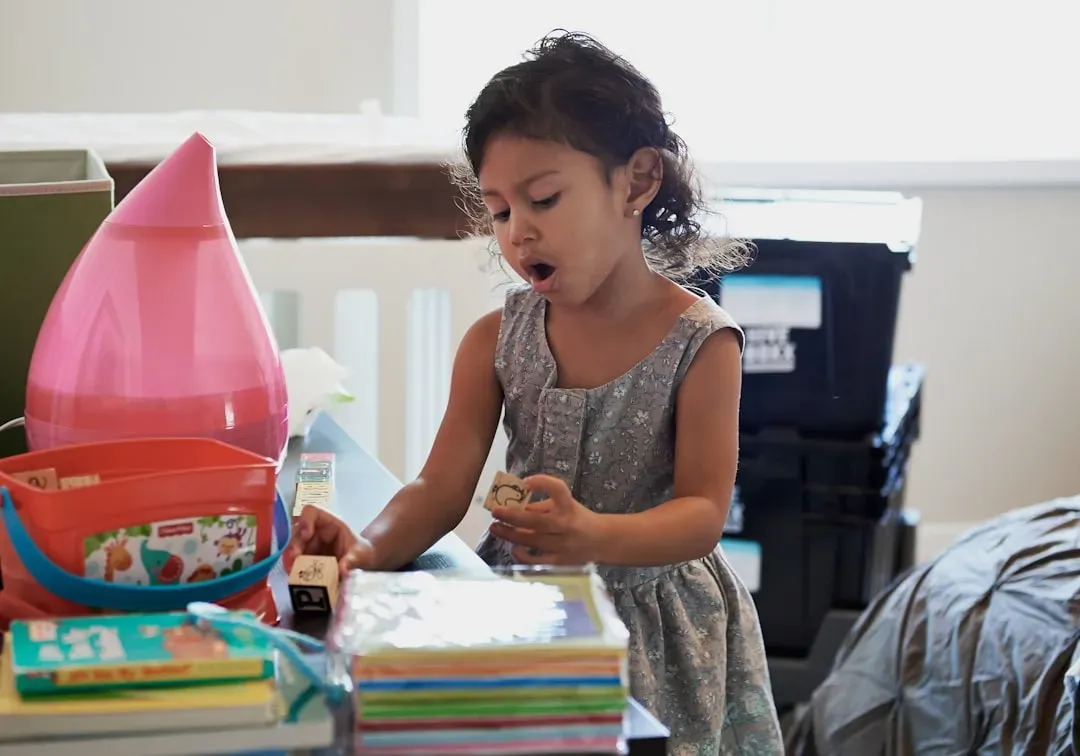
When you call a child lazy, you run the risk of a child internalizing the label. To draw upon an analogy from education, think about what’s known as the Pygmalion effect: positive expectations lead to better performance. Research has shown this is a potent idea in both the classroom and workplace. Conversely, negative expectations lead to worse performance. So calling a child “lazy” isn’t the motivation you might think it is.
Oftentimes, if kids are dawdling or procrastinating, it’s not out of laziness but, rather, because they lack the know-how to get something done. Labels also carry a persistence that single pieces of feedback don’t. Labels have the potential to become self-fulfilling. If children hear from parents that they’re a certain way, they might come to accept that as true, even if it doesn’t feel true to them.
5. “You Make Me So Mad” (or “You’re Ruining My Day”)

This line hands your emotions to your child like a heavy backpack. Kids can start to believe they control your mood. That can create anxiety, people-pleasing, or secretiveness. Children aren’t equipped to manage an adult’s emotional world on top of their own developing feelings.
This language makes it seem like your feelings are about the child, rather than a specific, changeable behavior. A statement like “You make me mad” can make a child feel shame because the “you” suggests they are the problem. There’s a meaningful difference between saying “I feel really frustrated right now” and blaming the child’s very existence for your emotional state. Children are not responsible for calming adults down. It’s a parent’s job to be the calm and mature person in the relationship.
6. “Because I Said So”
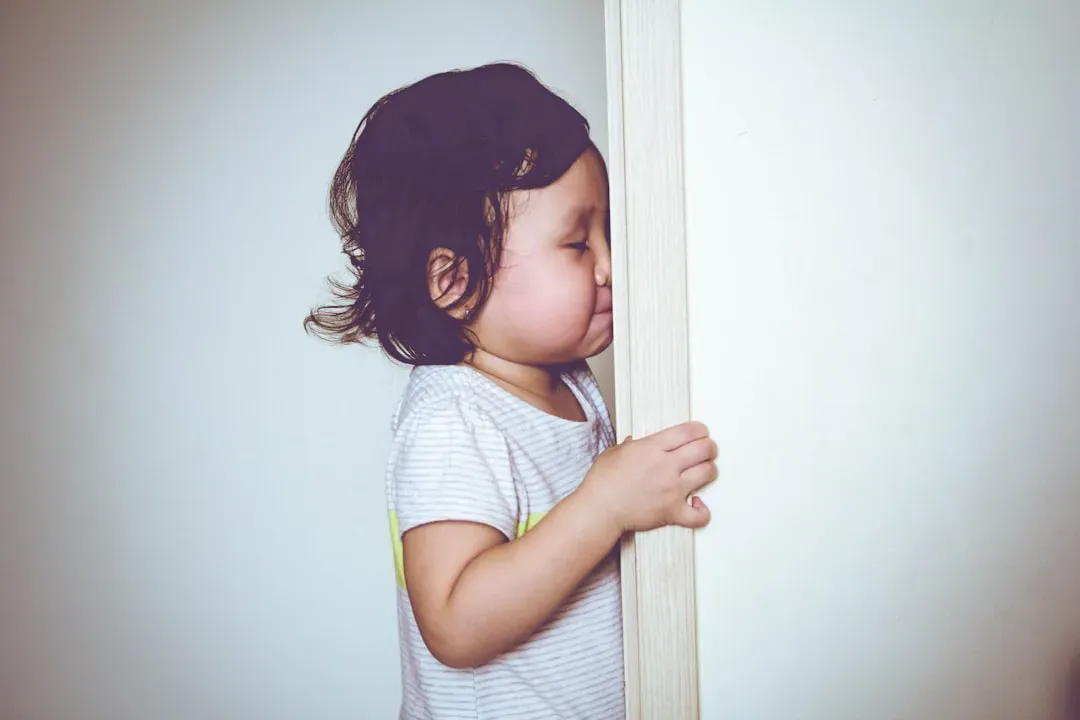
This phrase can land as “Questions are unsafe here.” Kids learn reasoning by hearing reasoning. A short explanation builds trust and cooperation. It also shows your child that rules have a purpose, which makes them easier to follow later. Refusing to explain doesn’t just frustrate children. It closes a door to genuine understanding.
It’s important to validate a child’s feelings and offer an age-appropriate explanation of why we are making the decisions we are making. If your child continues to press after you’ve explained, however, set a boundary and tell them the topic is closed. That combination, brief explanation followed by a calm, firm limit, works far better than shutting the conversation down entirely. Saying this to your child not only shuts down communication, but it also teaches blind obedience.
7. “I Sacrificed Everything for You”

Reminding children that you sacrifice a lot for them makes you the king or queen of guilt trips, and can make your children feel like they owe you something for being a parent. When you guilt-trip, you’re affecting your child’s mental health. One study found that kids who had parents who used guilt-tripping tactics or rejection were more likely to have low self-esteem and depression.
Children didn’t ask to be here. They didn’t ask you to have them. Sacrifice is simply part of the job. There’s a quiet cruelty in making a child carry the weight of a parent’s choices. Expressing gratitude for what parenting has given you, rather than cataloguing what it cost you, creates a fundamentally different emotional atmosphere in a home.
Language in parenting isn’t about being perfect. Every parent slips. What matters more is the pattern, the everyday default, the voice a child hears when they close their eyes. A well-known longitudinal study in harsh verbal discipline found links with increases in teens’ depressive symptoms and conduct problems. The takeaway for everyday parents is simple: steady language matters, especially during conflict. Small adjustments in how we speak can change not just behavior in the moment, but the kind of inner voice a child carries for the rest of their life.




Leave a Reply