
1. They stay seated until their group is actually called
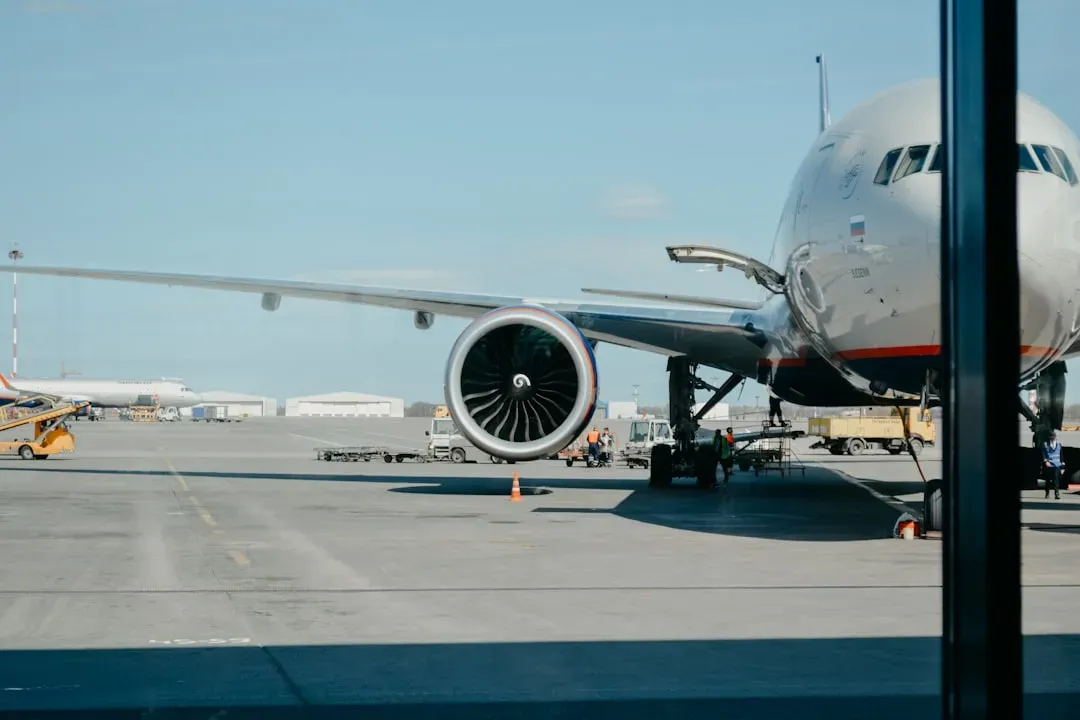
Seasoned travelers rarely rush the gate the moment boarding begins. They know that early boarding groups are usually reserved for families, active military, and premium cabin passengers, so standing near the door too soon just creates a bottleneck. Airlines like Delta and United have leaned further into structured boarding in 2025, using five to nine numbered groups depending on the aircraft, which makes jumping the line more obvious than ever.
Instead, experienced flyers watch the display screen or listen for their specific number or letter. They understand that boarding earlier doesn’t get the plane to its destination any faster, it just means more time standing in a jet bridge. Staying seated until called is a small habit, but it signals someone who has done this enough times to know patience pays off.
2. They keep boarding passes and IDs already in hand
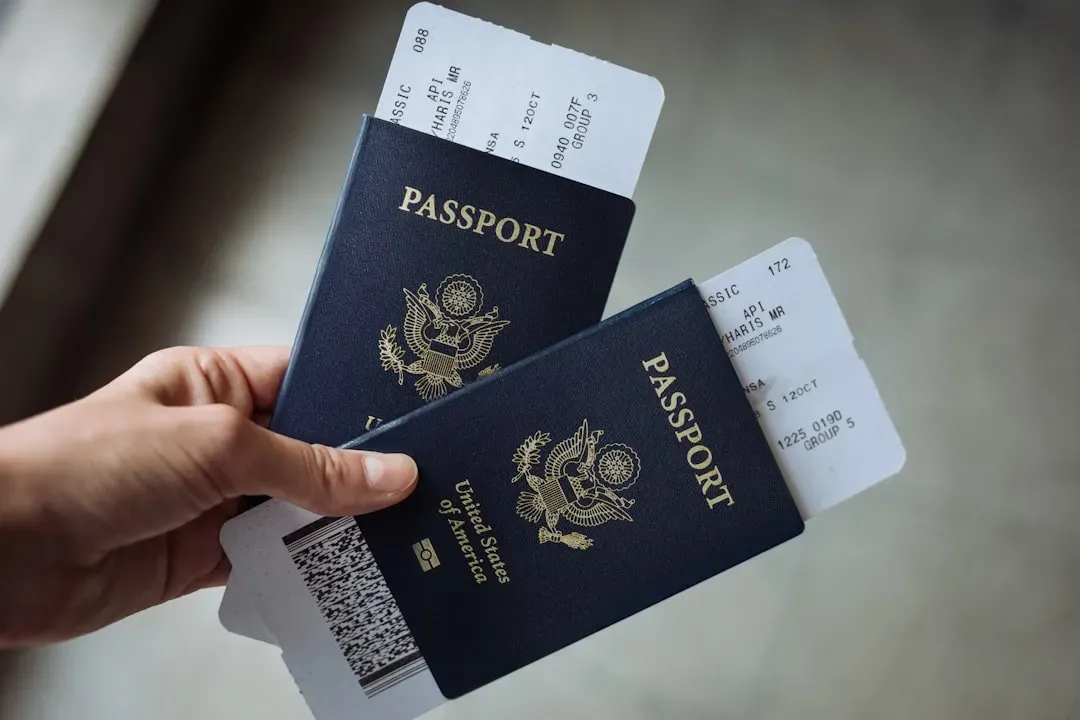
Fumbling through a bag or phone case at the gate is a dead giveaway of a rare flyer. People who travel often already have their boarding pass pulled up or printed, and their ID sitting on top of it, before they’re even in line. This isn’t about looking prepared for show, it’s about not holding up the scanning process for everyone behind them.
Many airlines have also shifted toward facial recognition and digital ID verification at several U.S. airports, which speeds things up further for travelers who’ve enrolled in programs like TSA PreCheck or Clear. Frequent flyers tend to know exactly which document format their airline needs, whether that’s a mobile pass, a physical printout, or a passport for international routes. That small bit of readiness keeps the line moving instead of stalling it.
3. They pack a single bag that actually fits the sizer
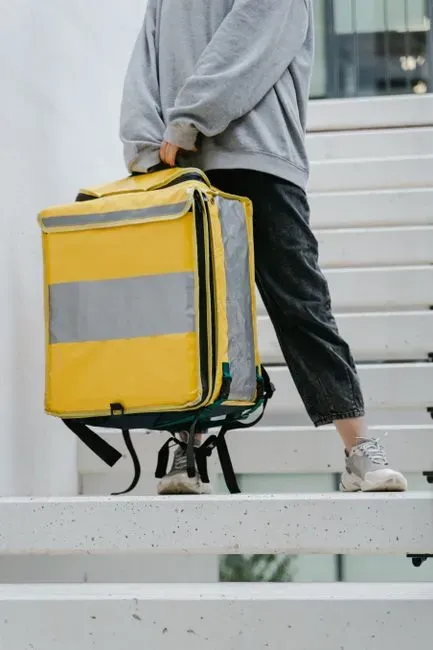
Frequent flyers rarely test their luck with oversized carry-ons. They know that many U.S. airlines, including American and Southwest, have tightened enforcement on carry-on sizers in recent years, partly because overhead bin space is consistently overbooked on full flights. A bag that doesn’t fit means a rushed gate check, and that’s a hassle nobody wants after already going through security.
Experienced travelers also tend to pack one larger bag and one smaller item, rather than pushing the limit with two bulky pieces. They’ve learned that a bag that glides easily into the sizer saves time and avoids the awkward moment of repacking in front of a line of strangers. It’s less about rules for the sake of rules and more about knowing what actually works in practice.
4. They board with their jacket and layers already off
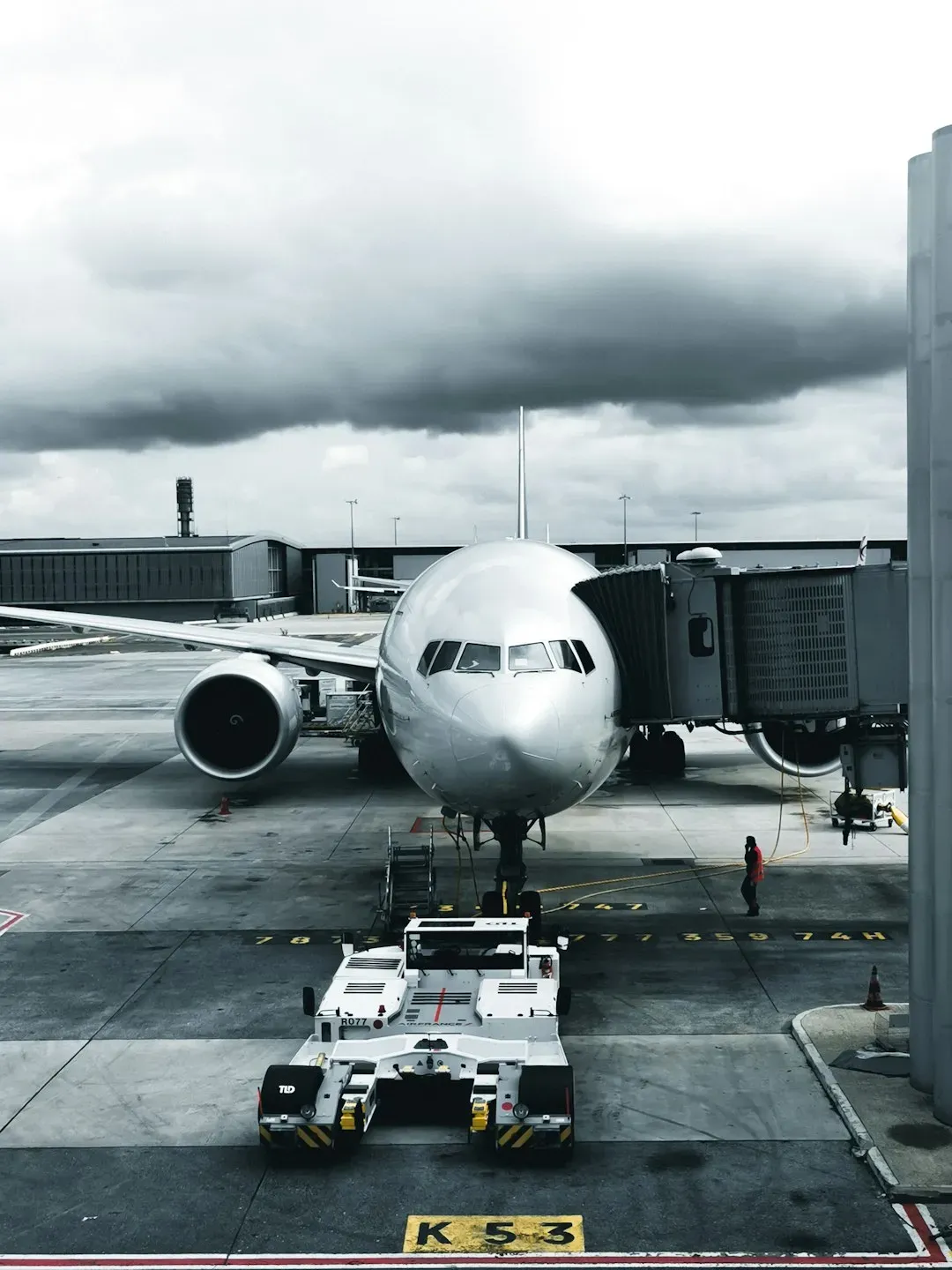
Anyone who flies often knows that removing a jacket, scarf, or bulky sweater before stepping onto the plane saves precious seconds once inside the aisle. Cabin space is tight, and the last thing anyone wants is to be untangling from a coat while blocking the row behind them. Regular travelers usually drape the jacket over their bag or carry it folded, ready to stow the second they sit down.
This habit becomes more noticeable on shorter regional jets, where aisle space is even narrower than on standard mainline aircraft. Frequent flyers have simply learned through repetition that undressing in the aisle, however minor it seems, adds friction to an already slow boarding process. It’s a tiny adjustment, but it adds up across a plane with over a hundred passengers.
5. They know exactly where their seat is without checking twice
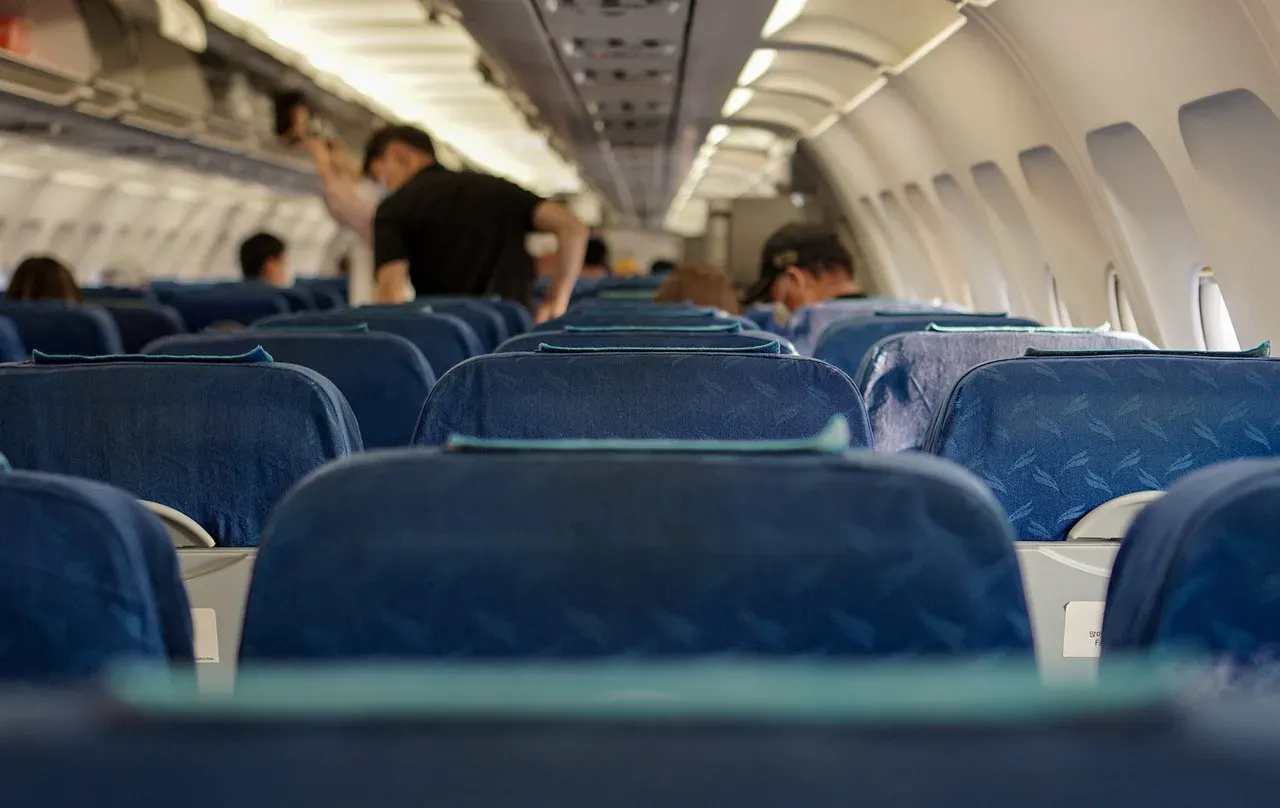
There’s a particular kind of hesitation that gives away an infrequent flyer, the moment of glancing at the boarding pass, then at the overhead numbers, then back at the boarding pass again. Experienced travelers usually memorize their row and seat letter before even reaching the aircraft door. It sounds like a small thing, but multiplied across dozens of passengers, hesitation at each row is one of the biggest contributors to slow boarding.
Frequent flyers also tend to know their airline’s specific seating layout, since configurations vary between aircraft types even within the same airline. Someone who flies a particular route often can walk straight to their row without needing to count seats from the front. That familiarity comes only from repetition, not from any special trick.
6. They stow their bag efficiently and sit down fast
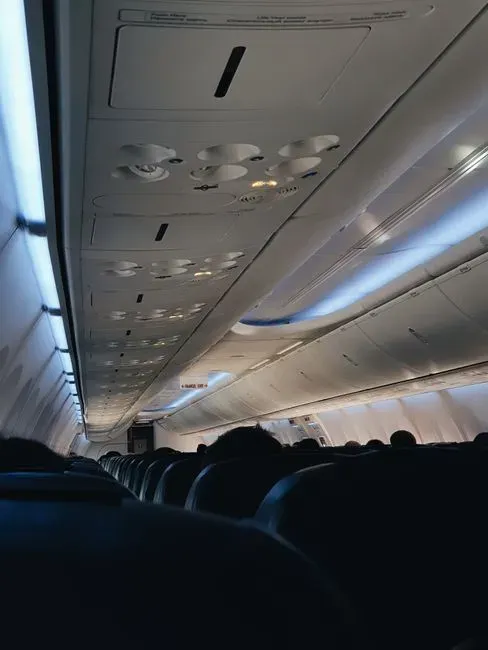
Loading a bag into the overhead bin might seem simple, but there’s a clear difference between someone who’s done it a thousand times and someone doing it for the first time. Frequent flyers usually turn their suitcase wheels-first, slide it in smoothly, and close the bin without needing multiple attempts. They also tend to keep their personal item, like a laptop bag or purse, already positioned under the seat mentally planned before they even sit down.
This efficiency isn’t about being show-offs, it’s simply the result of doing the same motion dozens of times a year. Airlines have publicly noted that slow overhead bin loading is one of the top causes of extended boarding times industry-wide. Experienced travelers, whether they realize it or not, are helping keep that number down every time they board smoothly.
7. They don’t block the aisle sorting through their bag mid-boarding
One of the clearest signs of flying inexperience is standing in the aisle rifling through a backpack while an entire line of passengers waits behind. Frequent flyers organize their essentials, chargers, headphones, snacks, a book, before boarding even starts, usually in an easily accessible outer pocket. That way, once they’re at their seat, there’s no need to dig through the main compartment while blocking traffic.
This habit becomes especially noticeable on full flights, where even a thirty second delay per passenger can add several minutes to total boarding time. Seasoned travelers have essentially pre-sorted their bag the way a commuter organizes their pockets before rushing through a turnstile. It’s a small logistical habit, but it’s one of the fastest tells of someone who travels often.
8. They settle in quietly without much fuss
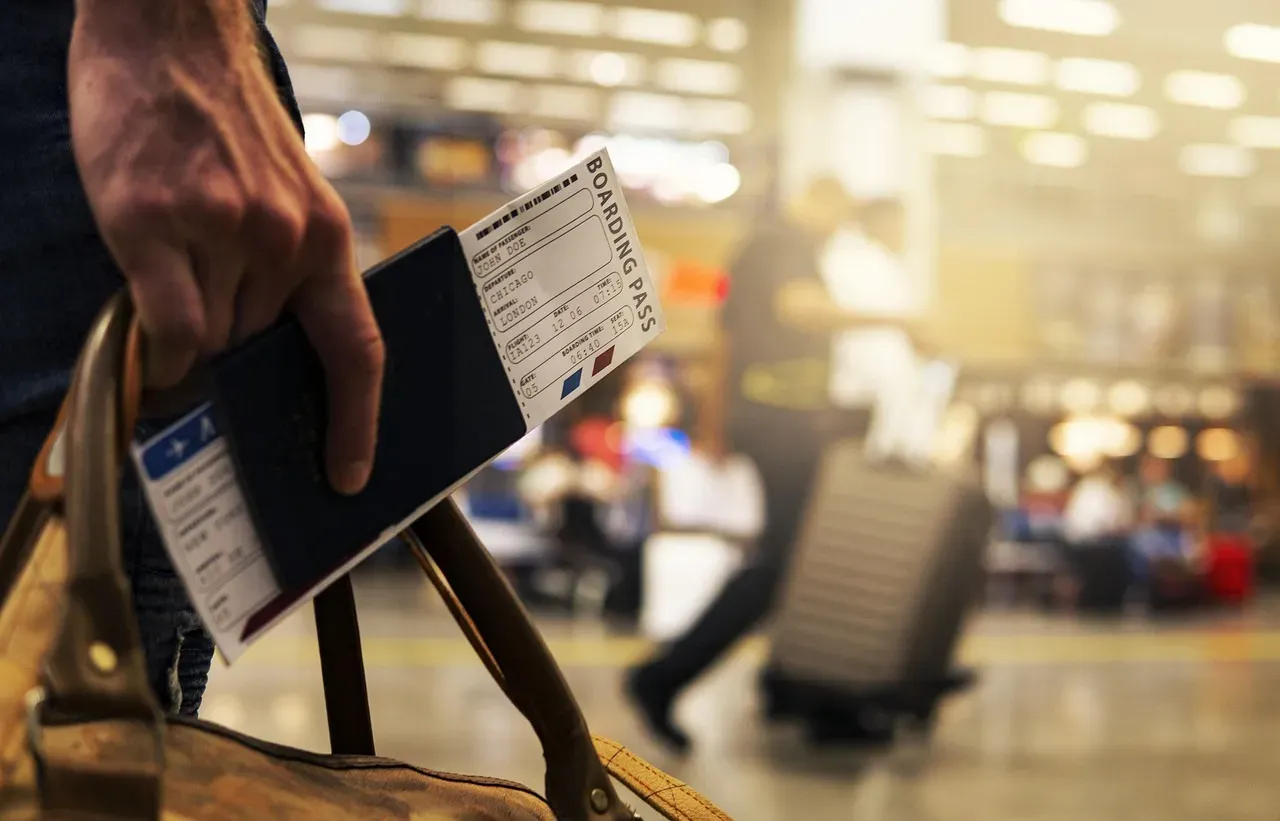
The final tell is almost behavioral rather than physical. Experienced flyers tend to sit down, buckle their seatbelt, and settle into their own space without needing extra time to adjust or rearrange. They’ve learned that boarding is a shared, tightly timed process, and lingering in the aisle to chat, rearrange belongings, or take photos slows down everyone behind them.
This calm efficiency often extends to how they interact with flight attendants and neighboring passengers, usually with a brief nod or short exchange rather than prolonged conversation during the boarding rush. It’s not about being unfriendly, it’s about recognizing that boarding time is limited and shared. That quiet efficiency, more than anything else, is usually the clearest sign of someone who has boarded more flights than they can count.

Leave a Reply