
Two people can share a language and still misread each other on a first date. British and American dating habits overlap in many ways, yet the small differences can leave newcomers guessing about what a message, a drink, or a goodbye really means.
Most of these customs aren’t rules. They’re habits shaped by humor, restraint, and a culture that tends to avoid making a fuss. Here are eight that regularly trip up Americans.
Meeting for a Drink Instead of a Proper Dinner

In Britain, a first date is often just a drink at a pub or bar. Dinner is usually saved for later, once there’s some sign the two of you get along. It keeps things low pressure and easy to end if the chemistry isn’t there.
Americans used to dinner dates can read this as a lack of effort. It’s usually the opposite, since a short drink is seen as a sensible way to test the waters without committing an evening.
Splitting the Bill Without Much Drama
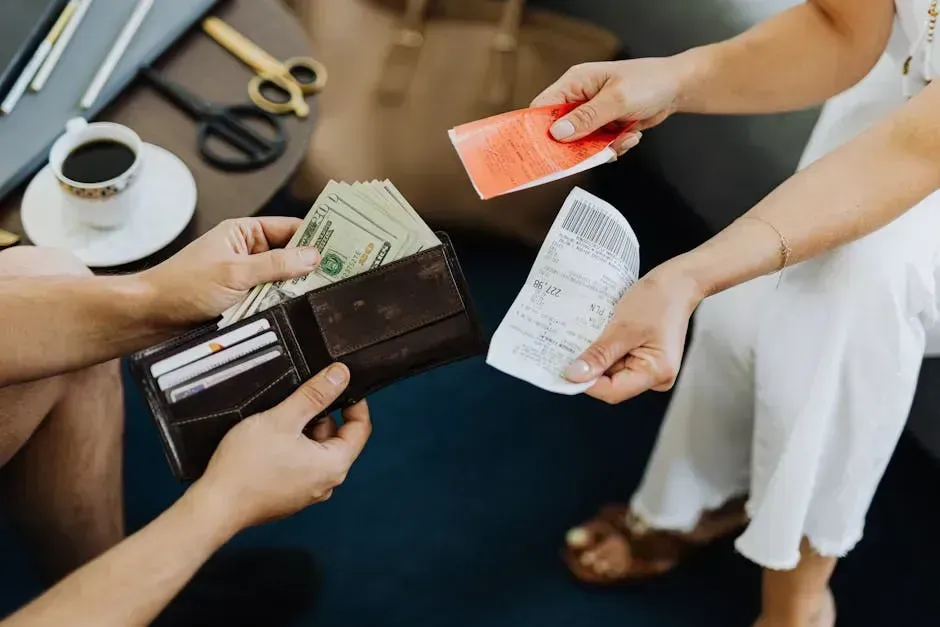
Splitting costs is common in the UK, especially on early dates. Many people see it as fair and friendly, not as a sign of disinterest. Offering to pay your share is generally seen as polite.
Americans may expect the person who asked to cover everything. A British date might simply buy a round of drinks, then expect the other person to get the next one, which keeps the exchange feeling even.
Buying Rounds at the Pub

Round buying is a social ritual in British pubs. One person pays for everyone’s drinks, then the next person takes a turn. On a date, it works as a quiet way of showing you’re willing to share the effort.
Americans often run a tab or pay for their own drink each time. If you skip your turn in a British setting, it can look a bit careless, even if you didn’t mean it that way.
Understatement and Dry Humor
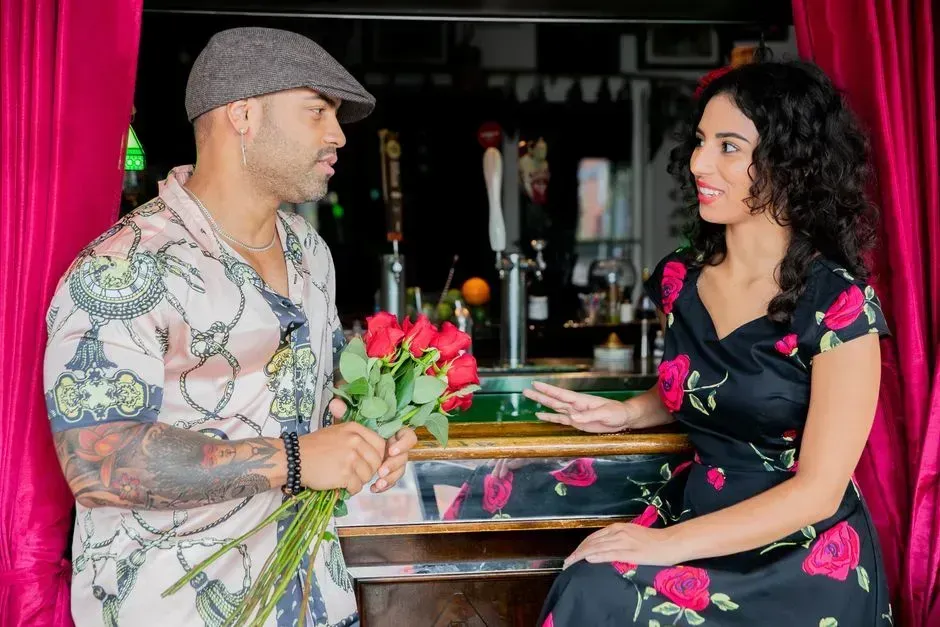
British people often say less than they mean. A phrase like “not bad” can be real praise, and “quite nice” may be a good sign. Teasing is also a common way to show affection.
For Americans, who tend to be more openly enthusiastic, this can be hard to read. A date who mocks you gently may actually be warming to you, while a very polite one might not be as keen as they sound.
Calling It Dating Versus Seeing Someone

In Britain, people often say they’re “seeing” someone or “talking” to someone rather than using the word dating. The phrasing is looser, and relationships can drift into place without a formal conversation.
Americans are more used to a clear stage between casual dating and exclusivity. In the UK, it may take a while before anyone says the words boyfriend or girlfriend, and you might have to ask directly.
Being Indirect About Interest

Directness can feel awkward in British dating. Instead of saying they’re interested, someone might suggest another drink, text a joke the next day, or hint at a plan for later in the week.
Americans may want a clear signal. If you’re unsure where you stand, a light, friendly question usually works better than a blunt one, and it fits the local tone.
The Pub Date and the “Cheeky” Vocabulary

British dating slang can be puzzling. Words like “cheeky” for a quick drink, “snog” for a kiss, or “fancy” for being attracted to someone are everyday terms, and they carry a playful tone that doesn’t always translate.
An invitation for a cheeky pint isn’t a big commitment. It’s an easygoing offer, and treating it like a formal proposal would miss the mood entirely.
Keeping the Goodbye Understated
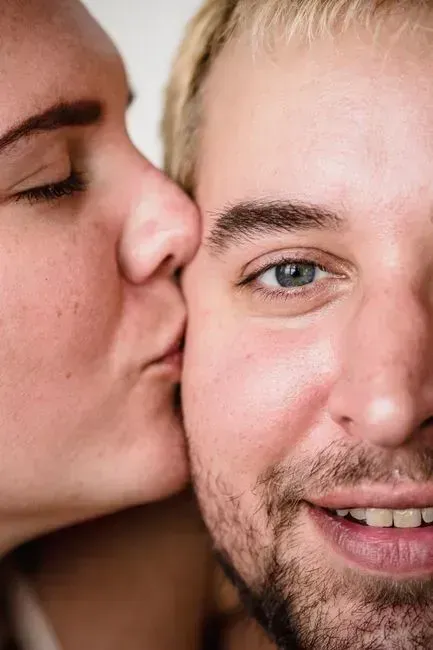
Date endings in Britain can be low key. A quick hug or kiss on the cheek, followed by a message later saying you got home safely, is typical. Grand gestures at the door are less usual.
Americans may expect a clearer verdict on the spot. In the UK, interest is often shown in the follow up, so a friendly text the next day usually says more than anything said on the pavement.

Leave a Reply