
Japan has a reputation for patient hosts and forgiving shopkeepers, and most visitors will find that reputation holds up. Staff rarely scold a confused traveler, which can make it easy to miss that something went wrong.
Visitor numbers have stayed at record levels in recent years, and local concern about crowding and manners has grown with them. Many of the habits below come from ordinary instincts at home. In Japan they can land very differently.
Leaving a Tip

In much of the world, tipping is a polite way to say thanks. In Japan it generally isn’t part of the culture, and service charges are usually built into the price at restaurants, hotels and taxis. Leaving cash on the table can cause confusion rather than gratitude.
Staff often feel obliged to chase you down the street to return the money. If you want to show appreciation, a sincere thank you works well. At traditional inns, a small gift or a note is sometimes handled through a specific custom, but ordinary diners don’t need to worry about it.
Wearing Shoes Where They Don’t Belong
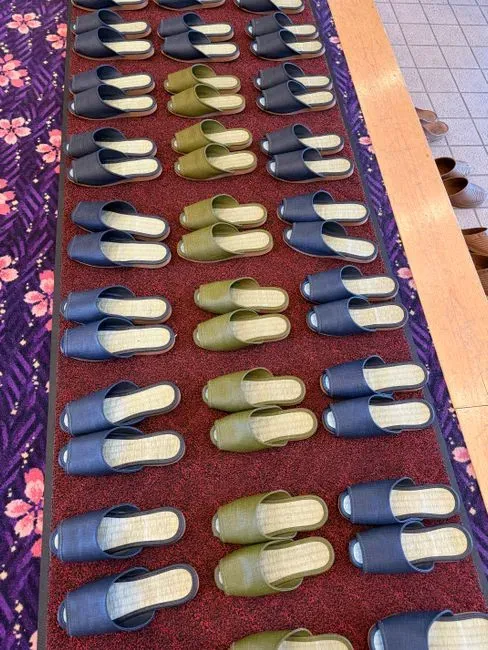
Homes, many traditional restaurants, ryokan inns, temples and some clinics and schools ask you to take your shoes off. The entryway, called the genkan, marks the line between outside and inside. Stepping past it with street shoes on is seen as bringing dirt into a clean space.
Look for a raised floor, a shoe rack or a row of slippers, since those are the usual clues. Slippers are often meant only for hallways, so you remove them before stepping onto tatami mats. Wearing clean socks without holes makes the whole routine easier.
Eating and Drinking While Walking
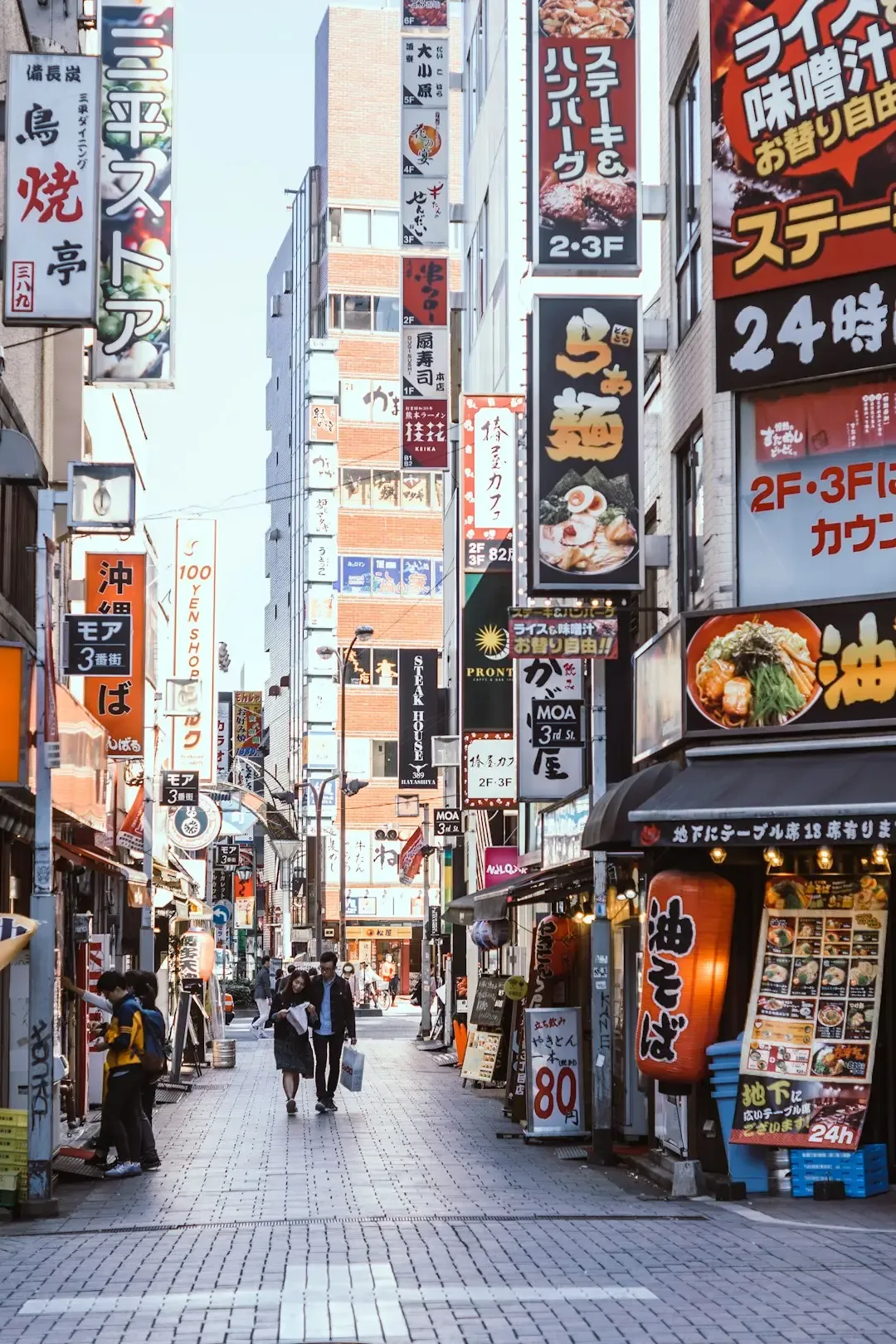
Walking while eating is widely regarded as bad manners in Japan. People usually finish a snack at the stall or nearby, and many food markets post signs asking visitors to stay put while they eat. The concern is practical as well as cultural, since crowded lanes and spilled sauce don’t mix.
Some tourist areas in Kyoto and other popular cities have put up multilingual notices about this. Drinks from vending machines are usually consumed beside the machine, which often has a recycling bin. Still, rules vary by place, so follow local signs and watch what others do.
Talking Loudly or Taking Calls on Trains
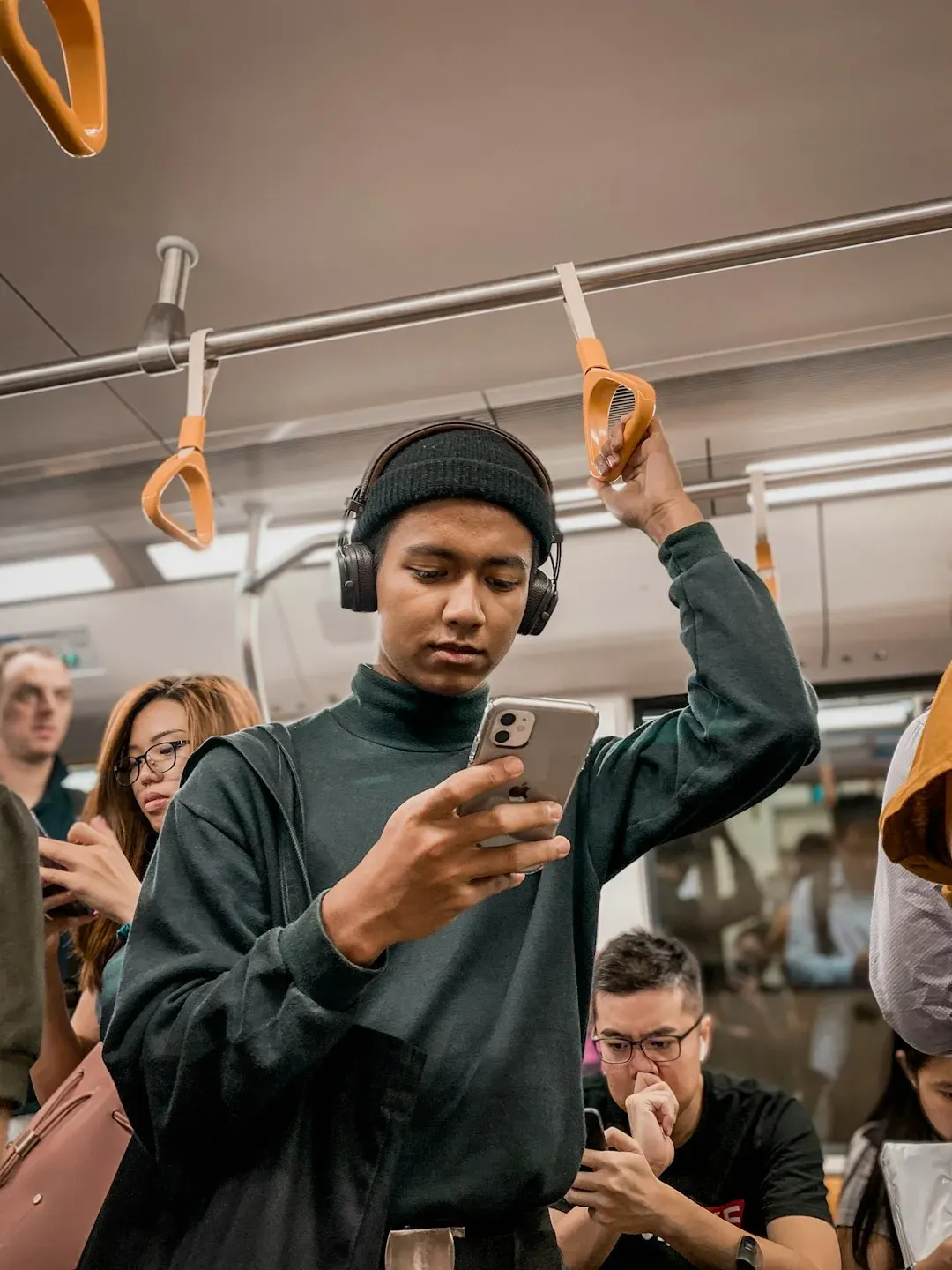
Public transport in Japan is quiet by design. Train announcements regularly ask passengers to set phones to silent mode and to avoid calls, and most riders keep conversation to a low murmur. A loud group chat or a speakerphone call stands out immediately.
Priority seats are another sore spot. They’re meant for older people, pregnant passengers and those with injuries or disabilities, and some riders also ask others to turn off phones near them. If the car is crowded, keep your backpack in front of you or on the rack so you don’t take up extra space.
Misusing Chopsticks
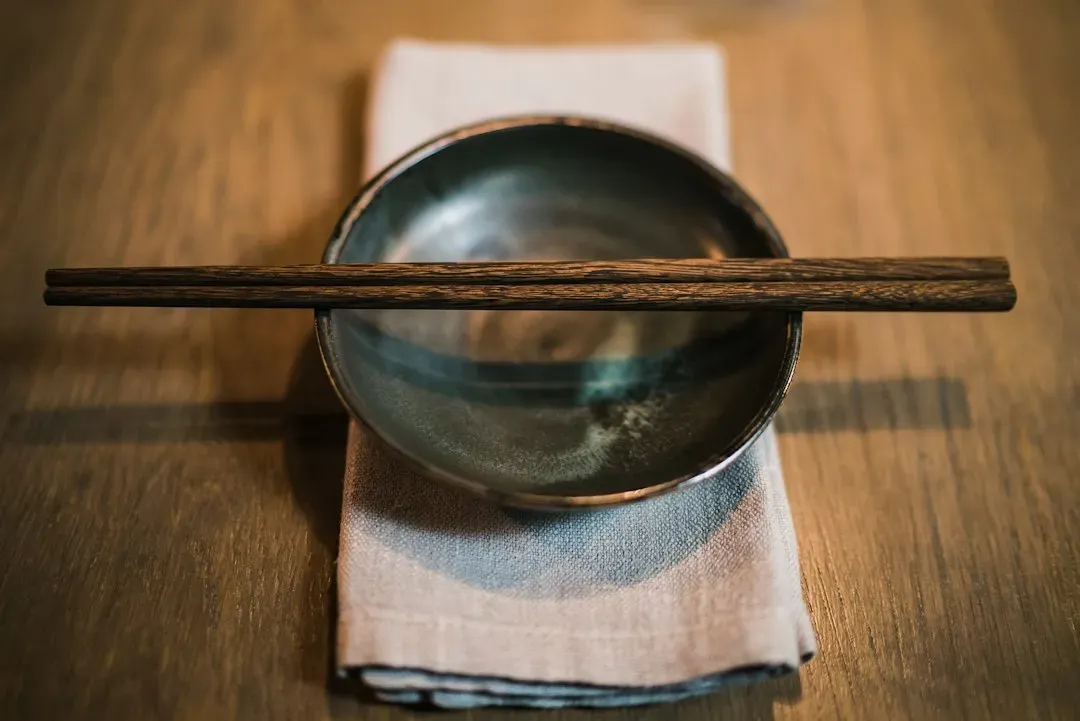
Chopsticks come with a few firm rules. Sticking them upright in a bowl of rice looks like an offering made at a funeral, so it’s strongly avoided. Passing food directly from one pair of chopsticks to another echoes a funeral rite in which bones are handled, which is why people use a plate instead.
Other habits are considered unrefined, such as pointing with chopsticks, spearing food or rubbing disposable pairs together. When you pause, rest them on the holder or across the bowl. If you’re unsure, asking for a fork is better than guessing, and nobody will think less of you for it.
Ignoring Onsen and Bath Etiquette

Public baths and hot springs follow a clear order. You wash thoroughly at the seated washing stations first, then enter the shared bath clean. Skipping that step is one of the more serious slips a visitor can make, because the bath water is shared by everyone.
Small towels stay out of the water, and long hair is usually tied up. Swimsuits are normally not allowed in traditional baths, which are separated by gender in most places. Tattoo policies differ from one facility to the next, so it’s wise to check the rules before you go.
Littering and Hunting for Trash Cans
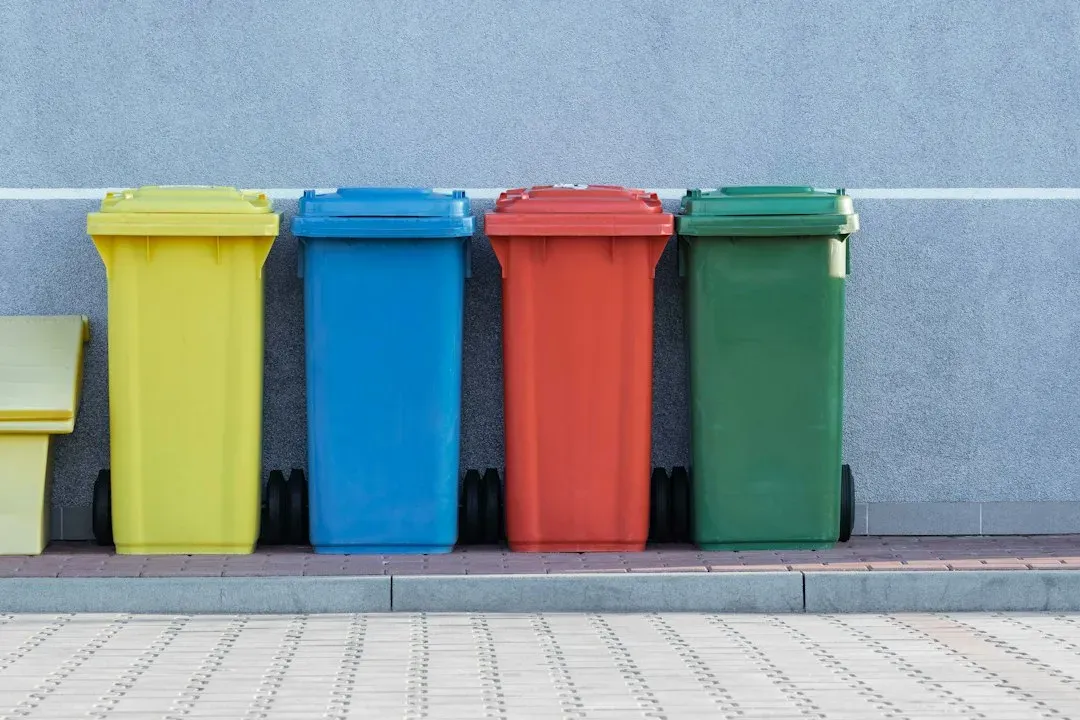
Japan is known for clean streets, yet public trash cans can be surprisingly hard to find. Many were removed from public spaces years ago, and the expectation is that you take your garbage with you. Dropping wrappers on the ground or leaving them on a ledge is seen as inconsiderate.
Convenience stores and vending machine areas often have bins for the products they sell, and sorting by type is common. Carrying a small bag for your own rubbish makes sightseeing days simpler. Households and businesses separate burnable waste, plastics and recyclables, so mixing things up can cause real trouble for locals.
Photographing People and Private Spaces
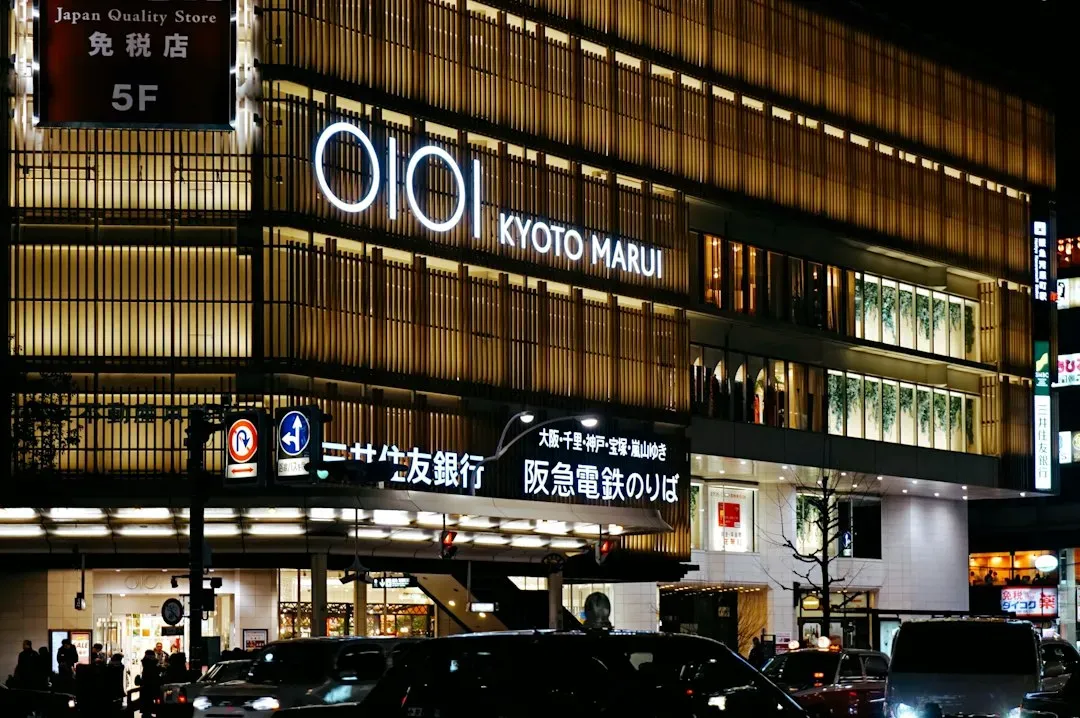
Taking photos without asking can cross a line, especially in older neighborhoods. In Kyoto’s Gion district, residents and local associations have complained about visitors chasing geisha and maiko for pictures, and signs now warn against photography in some private alleys. People who live and work there describe the pressure as intrusive.
The same caution applies in temples, shrines and shops, where photography is sometimes restricted indoors. Look for signs with a camera crossed out, and ask before photographing individuals or their children. A quick bow and a request in simple English or Japanese usually goes a long way.




Leave a Reply