
Drive through the south central part of North Dakota and you’ll find church basements, small town cafes and family kitchens still cooking from the same playbook. According to the Germans from Russia Heritage Collection, the Germans from Russia were the largest immigrant group in North Dakota. The highest concentration settled in Emmons, McIntosh and Logan counties, starting in the 1880s.
The story behind the food starts with a second move. After universal military service arrived in Russia in 1874, a new migration began and the Germans left for the United States. By 1910, approximately 60,000 Germans from Russia had settled in what is now North Dakota. They carried recipes with them, and these eight dishes are among the ones that stuck.
Knoephla Soup
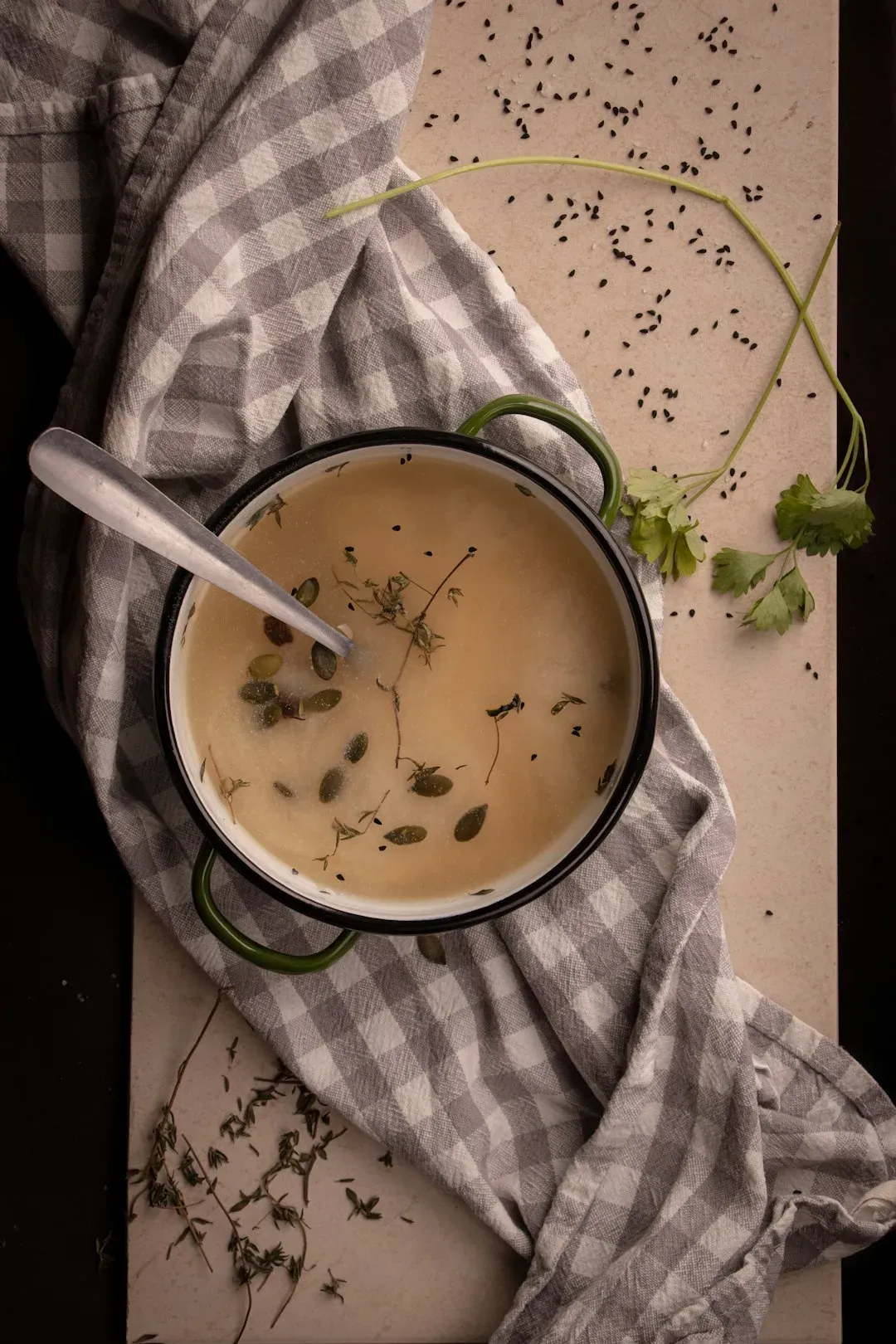
Knoephla is probably the dish most Dakotans would name first. The word is related to the modern German word “knopfle,” meaning “little button.” The dough forms dumplings that go into a creamy potato soup.
Versions vary from kitchen to kitchen. The North Dakotan iteration typically contains just potatoes and dumplings. Other recipes add chicken and vegetables, which is why you’ll hear people argue gently over what counts as the real thing.
Kuchen
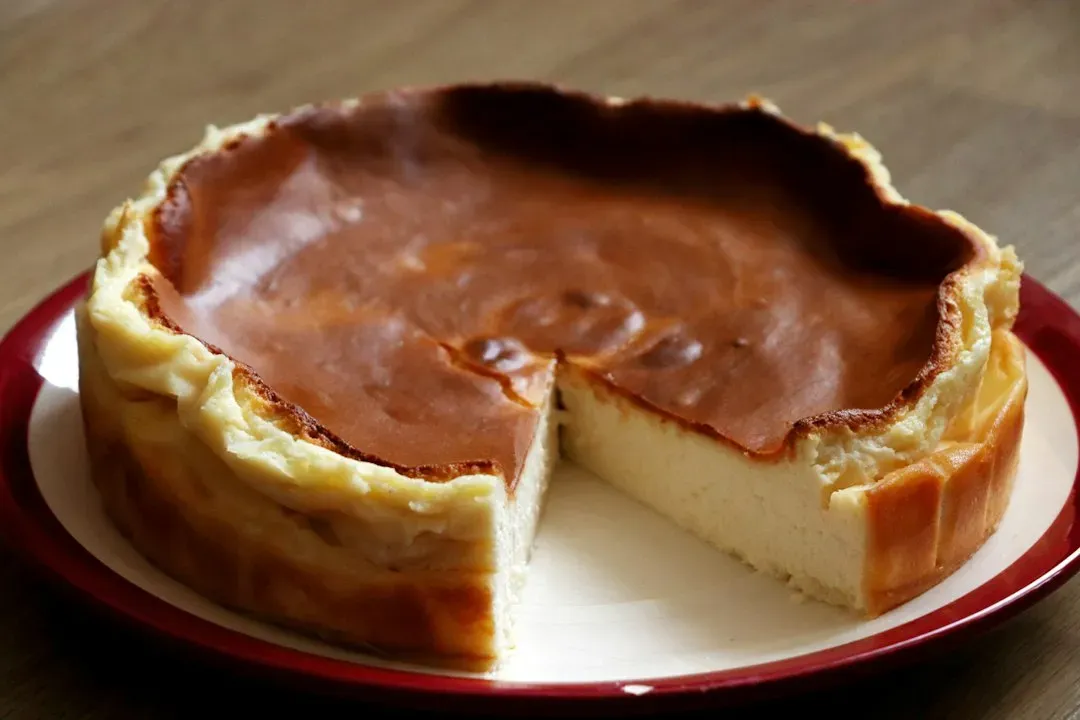
Kuchen is a German word that simply points to cake, though in Dakota kitchens it means something specific. It’s a dessert with a cookie crust and custard filling, often topped with fruit. Cooks use berries, dates, apples, rhubarb or peaches.
The dish has official status in one of the two states. This variation is the official South Dakota State Dessert, and it’s prominent in other Upper Midwest states with many descendants of German Russian emigrants. Serving it with coffee also carries on an old custom, since the practice of coffee and cake traveled through the Germans from Russia, primarily the women of the group.
Fleischkuekle
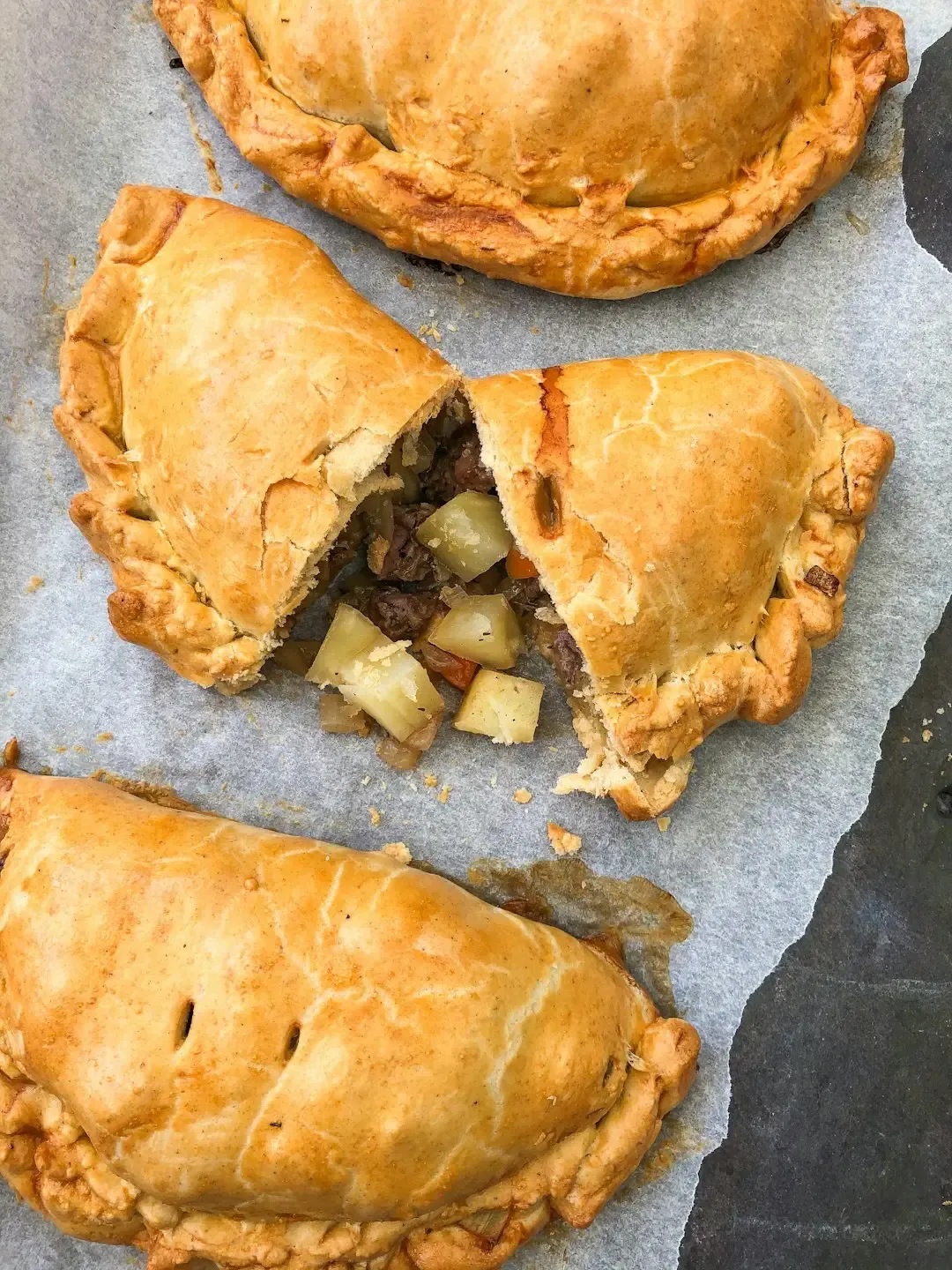
Fleischkuekle is a meat hand pie, and the spelling changes depending on who’s writing it. It typically has ground beef and onions as a filling, and it’s a traditional Black Sea and Crimea German recipe that became part of North Dakota cuisine through immigration. The pastry is usually fried until blistered and golden.
Some food writers link it to a Crimean Tatar pie. It’s described as descended from, or related to, the cheburek, and was introduced to the Great Plains by ethnic Germans who emigrated from Russia in the 19th century. It later went commercial, as a company began mass producing the pastry in 1987 for sale across North Dakota, Minnesota and Montana.
Halupsi (Cabbage Rolls)
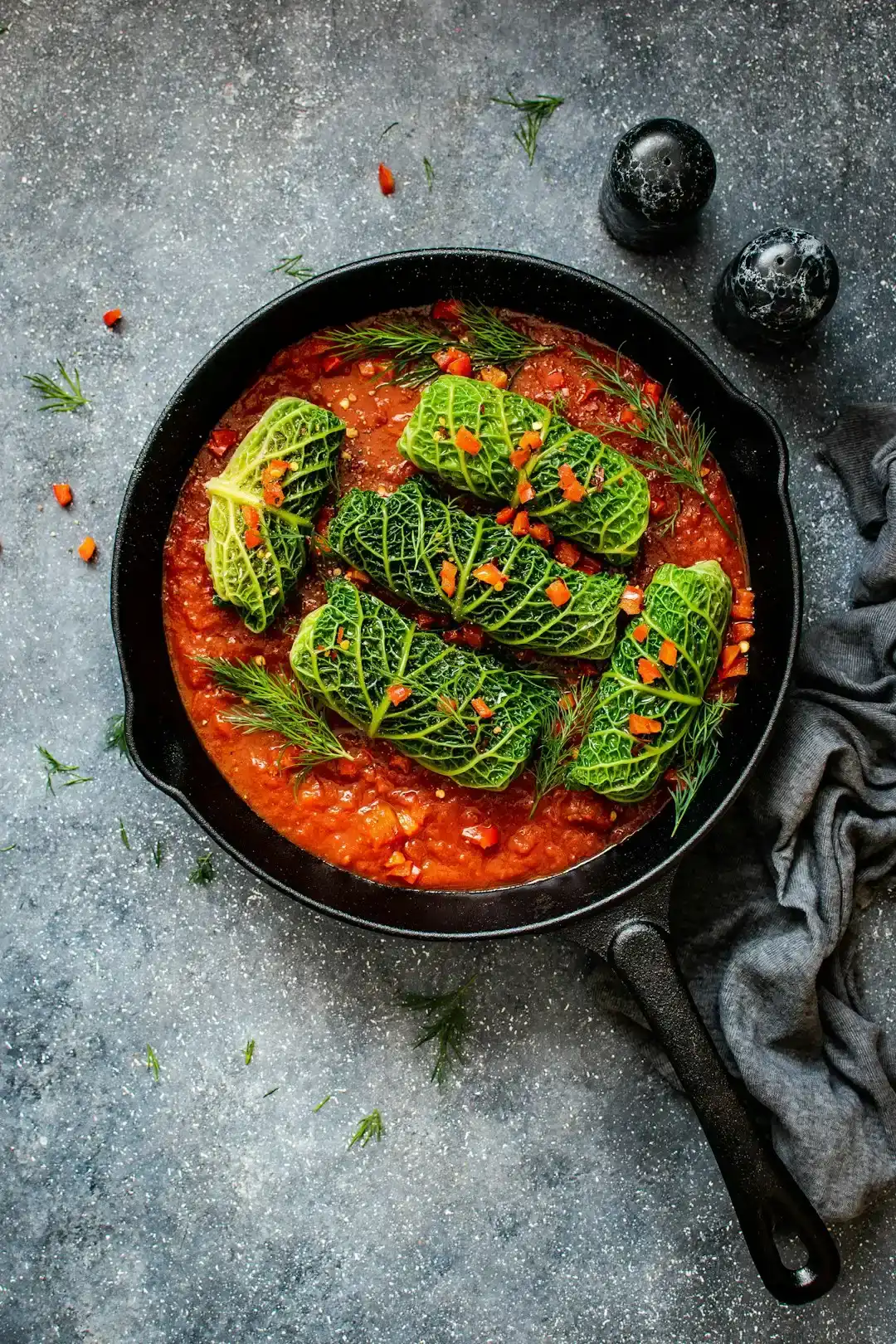
Halupsi, sometimes spelled halupsy, are cabbage leaves wrapped around a filling and baked. The name shows up regularly in German Russian recipe collections, including a regional recipe index that lists both halupsi and a “lazy” version.
The lazy version skips the rolling. Cooks layer the same ingredients in a pan instead, which saves time on a busy day. Both versions suit a cold prairie evening and tend to feed a crowd.
Strudel
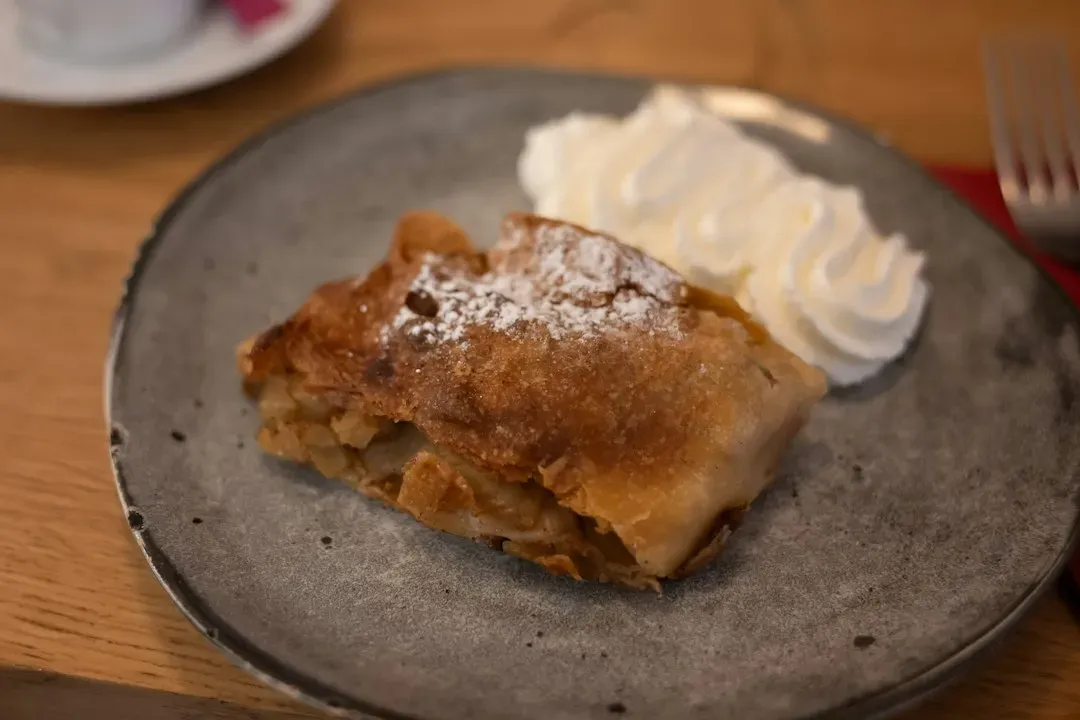
Strudel turns up again and again in German Russian cooking. Prairie Public’s documentary on the subject lists strudels, sauerkraut, borscht, pickled beets and knoephla soup among the traditions. It’s a reminder that these cooks didn’t limit dessert to one pastry.
Fillings depend on what’s available. A regional recipe index includes both homemade strudels and a sauerkraut strudel, which shows how sweet and savory versions sit side by side. Fruit strudel suits the harvest season, while the sauerkraut version works as a hearty meal.
Borscht
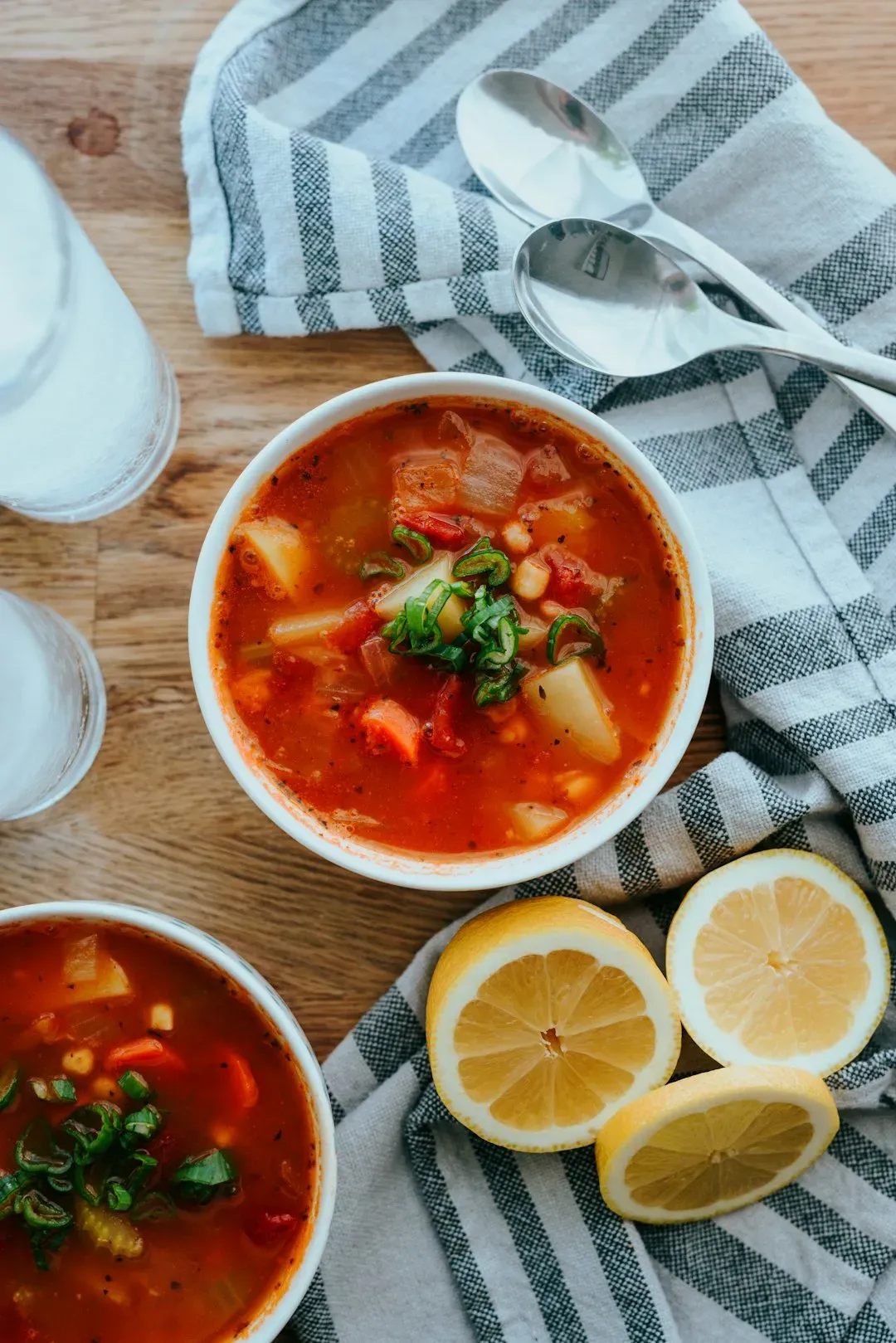
Borscht links this cuisine back to the Russian Empire, where the settlers lived for generations before heading west. It appears in the same list of traditional foods that includes fleischkuechla, stirrum and kuchen. Recipes differ across families, so the soup you’d get in one home may not match the next.
Cabbage and root vegetables are typical building blocks. These were practical ingredients that stored well through long prairie winters. That kind of thrift runs through most of the dishes here.
Stirrum
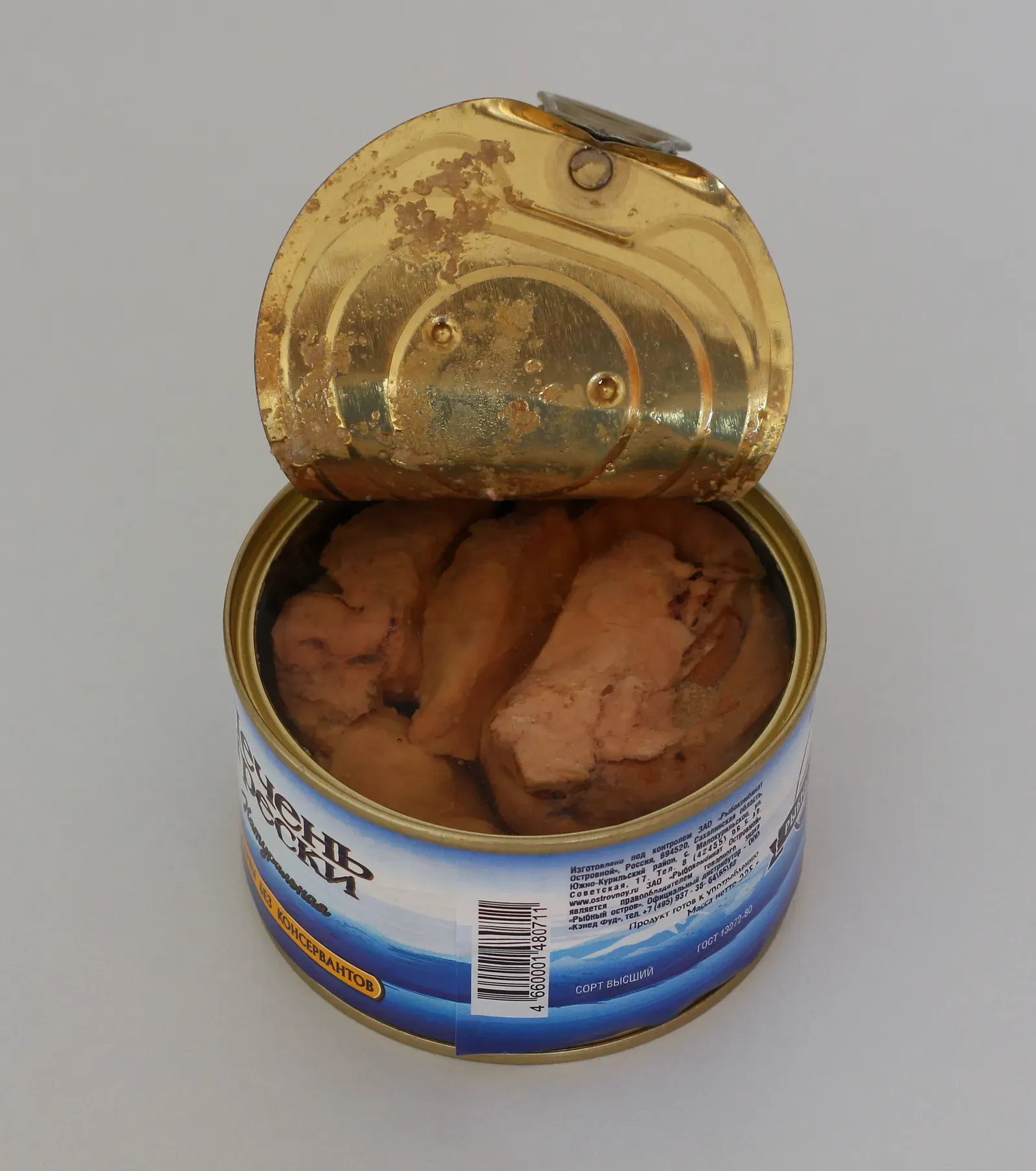
Stirrum is less famous than knoephla, but it belongs to the same family of recipes. It’s named alongside strudels, sauerkraut and kuchen in Prairie Public’s description of foods from the Emmons, McIntosh and Logan county kitchens. The documentary was built from visits to home cooks rather than restaurants.
That detail matters because many of these recipes were passed along by hand. The Germans from Russia Heritage Collection holds one of the largest collections of Germans from Russia cookbooks, along with handwritten recipe cards and notebooks. Dishes like stirrum survive largely thanks to those family records.
Pickled Beets and Other Pickles
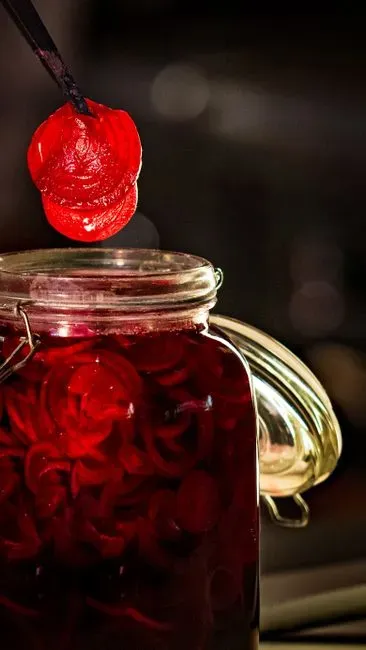
Preserving was a necessity before it was a trend. Germans have a rich history of pickling vegetables and other foods, including cucumbers and beets. Jars of pickled beets still show up on church supper tables across the Dakotas.
Pickles also pair well with the heavier dishes on this list. A sharp, tangy side cuts through fried pastry or creamy soup. It’s a small, practical piece of the cuisine that came over with the settlers.

Leave a Reply