
Open any major dating app today and the basic layout feels familiar: a stack of photos, a few prompts, a thumb moving left or right. That design has barely moved since the early 2010s. The companies behind it are now openly rethinking it.
Based on what Tinder, Bumble and Hinge have rolled out or tested in 2025 and 2026, several features look ready for real change. Some of these shifts are already underway, while others are early experiments that may or may not stick.
Swiping Giving Way to Curated Matches
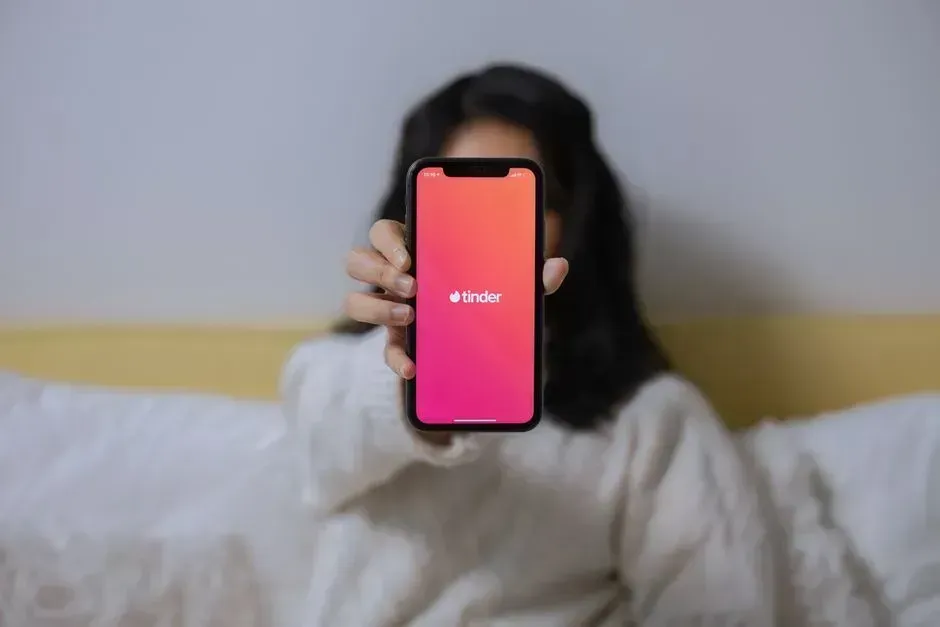
Tinder’s newest bet is a feature called Chemistry, which is built on Sparks and uses Q&A prompts, with an optional camera roll scan to infer lifestyle details. One market report describes it as launching in the US and Canada in March 2026. The idea is to match you on who you seem to be, not on how fast you can flick through faces.
Bumble is exploring something similar from another angle. It has added AI photo feedback tools and is testing a no swipe model in select markets. If those tests work, the classic swipe could become one option among several rather than the default.
AI Coaching for Profiles and First Messages

Writing a good profile is hard, and apps know it. Hinge’s recent additions include Convo Starters, which suggest opening messages, and Prompt Feedback, which critiques your prompts. Expect this kind of assistance to become standard rather than a premium extra.
One analysis notes that message tips and photo scoring are converging across all three big apps, so they’re unlikely to set any one app apart for long. The bigger question is trust. Coaching that makes people sound polished could also make profiles feel interchangeable, and users may push back on that.
Personal AI Assistants Inside the App

Bumble has gone furthest here with Bee, an assistant that anchors the company’s AI push. Reports put its rollout as a pilot in March 2026. Rather than only suggesting a line, an assistant like this aims to get to know you and guide choices over time.
Another report says Bumble is rebuilding its entire platform as a cloud native, AI first system, launching around mid 2026. That kind of rebuild suggests assistants won’t be bolted on. They may sit at the center of how matches are found and conversations begin.
Video Moving Earlier in the Process

Photos only tell you so much. Tinder has launched video speed dating, using three minute chats with photo verification. It’s a short, structured way to find out whether someone’s energy matches their profile.
Within five years, brief video intros may become a normal step between matching and messaging. The appeal is practical: fewer dead end chats and less time spent on people who aren’t who they appear to be. Whether users embrace camera time as a first step remains an open question.
Stronger Verification and Safety Tools

Verification is already common, though methods differ. Tinder compares a series of selfies in set poses against profile photos using AI. Hinge offers selfie verification plus video verification.
Pressure is likely to grow as deepfakes and chatbot scams spread. One 2026 trends report lists AI disrupting dating through deepfakes, chatbot scams and AI assisted prompts among the year’s biggest shifts. Expect verification to become more thorough, and possibly mandatory on more platforms.
Fewer Matches, Slower Pacing
Swipe fatigue has pushed apps toward quality over quantity. One report, drawing on annual company data, says Bumble’s annual report shows a clear majority of users now prefer fewer but higher quality matches. Treat that as a directional signal, since it comes from a secondary summary.
Features that slow things down are showing up, too. Hinge’s Most Compatible is a daily AI selected match based on your behavior, which is a good example of limiting choice on purpose. Over the next few years, capped daily picks and expiring conversations could become far more common.
Activity Based and Real World Meetups
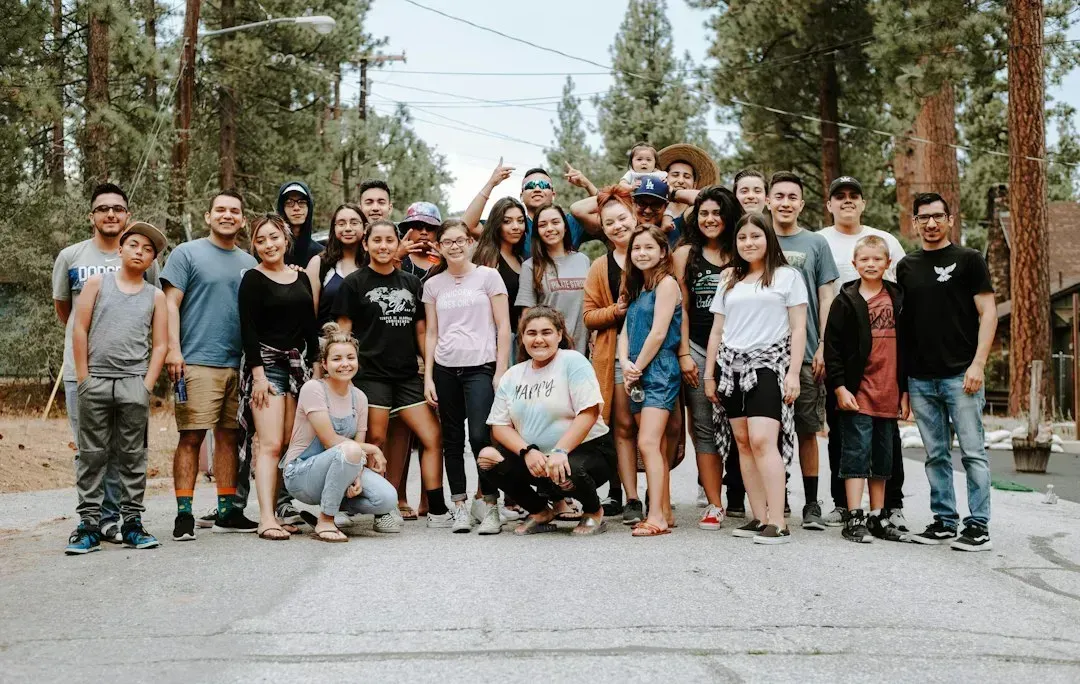
Some of the same trend research points to activity based socializing replacing traditional matching as one of five major shifts in 2026. In practice, that means apps nudging people toward shared events, group outings or interest based meetups instead of endless chat. It’s a response to the sense that the screen has become the whole relationship.
This is one of the less proven areas, and plans are still taking shape. Still, if apps want to be judged on dates rather than matches, building features around real world plans is a logical direction.
Clearer Reporting on What the AI Actually Does

As AI takes over more of the matching, people will want evidence it works. Hinge has reported that its new discovery algorithm boosted matches and contact exchanges by 15% since March 2025. One analyst points out that this lift is measured against Hinge’s own previous algorithm, not against Tinder or Bumble.
That caveat matters. A comparison of the big three notes that Hinge publishes real numbers, while Tinder and Bumble mostly don’t. As regulators and users ask harder questions, clearer disclosure of how matching works and what results it delivers seems likely to become part of the product.





Leave a Reply