
Most people have made the mistake at least once – hauling a piece of old furniture to the curb, only to wonder years later if it was worth something. That feeling has a real basis. Many people unknowingly own valuable furniture that could significantly impact their financial planning or insurance coverage. The gap between what something looks like and what it’s actually worth can be surprisingly wide.
While design trends may come and go, antiques are always a chic investment that can actually grow in value over time. Antiques often appreciate due to their increasing rarity, historical significance, and craftsmanship, making them a potential hedge against inflation. Before you clear out the attic or schedule a donation pickup, it’s worth knowing which pieces antique experts consistently flag as keepers.
Chippendale Mahogany Chairs
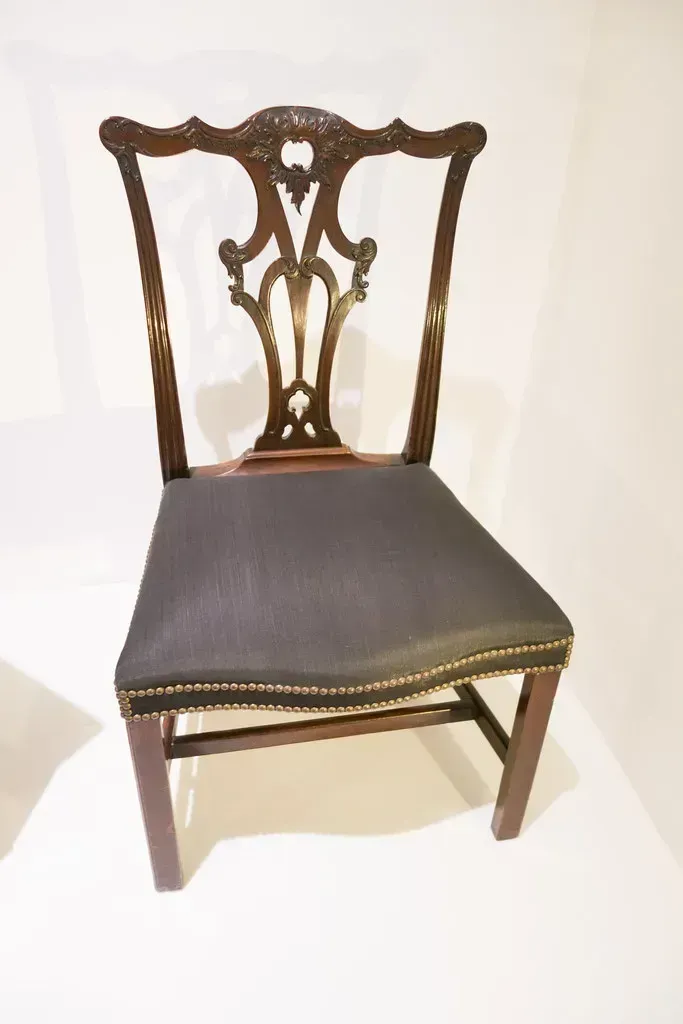
Originating in the 18th century, Chippendale pieces are known for their intricate carvings, fine woods, and timeless designs. Many collectors and antique lovers seek out Chippendale furniture for its historical value and stunning craftsmanship. The chairs, in particular, have a presence that most modern reproductions simply can’t replicate.
Dining chairs from the Chippendale era are distinguished by their finely carved details and sturdy construction. Most feature elegant cabriole legs and delicately carved backs with intricate patterns that reflect the designer’s attention to detail. The finest examples, especially those with original upholstery and well-maintained carvings, can exceed $12,000 per chair in the market. If you have a set of them, the value multiplies considerably.
The Antique Secretary Desk
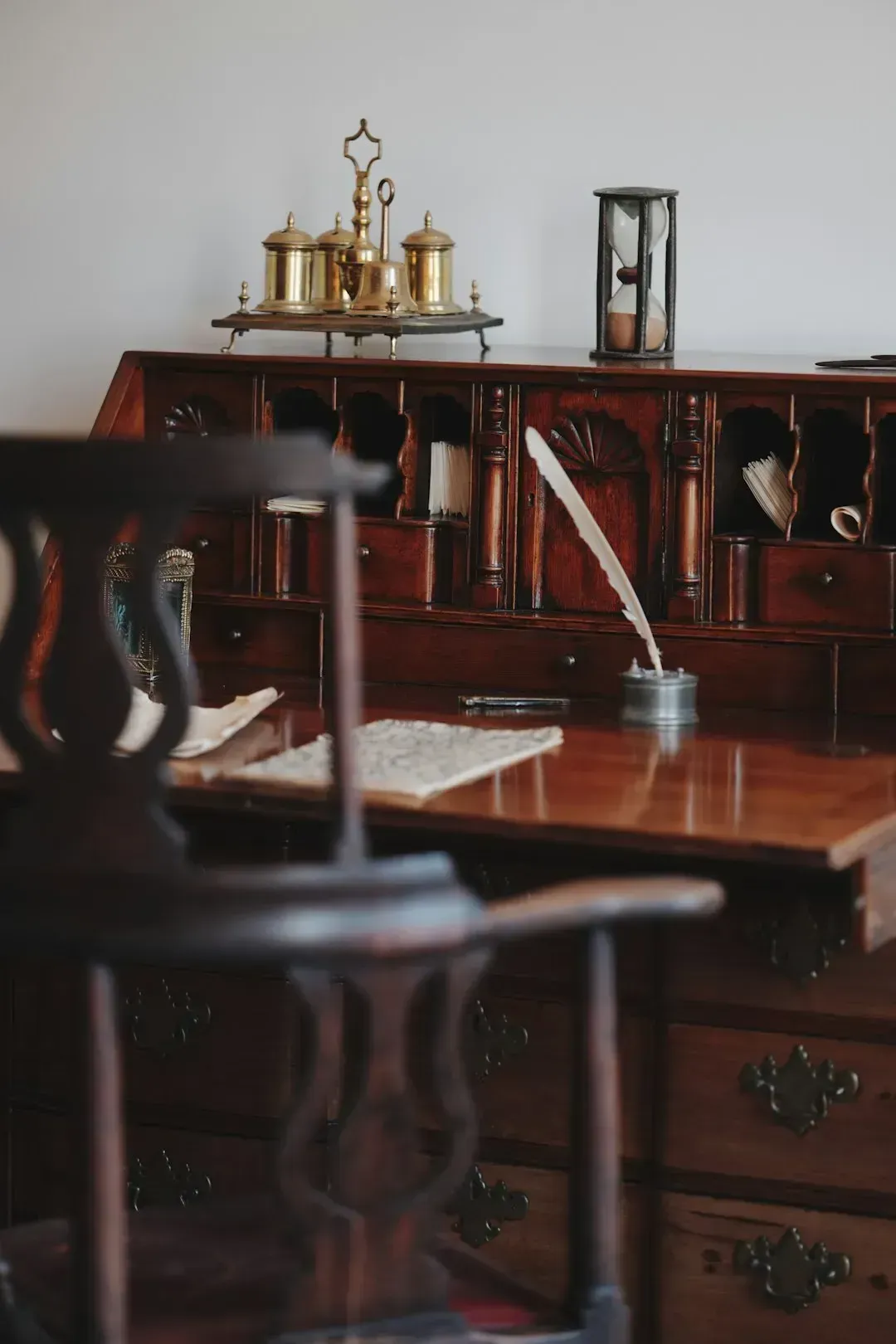
For centuries, the secretary desk has served as a symbol of refinement, intellect, and personal organization. Blending practical storage with aesthetic grace, these desks evolved significantly between the 18th and 19th centuries. From the opulent curves of Baroque craftsmanship to the understated elegance of Biedermeier design, antique secretary desks reflect the cultural, political, and artistic movements of their time.
The Chippendale mahogany secretary combines both style and functionality, offering a writing surface that can be concealed when not in use. These secretaries are known for their distinctive slant-front design, allowing the top to open up into a large workspace. They also include numerous small drawers and compartments for organizing documents and writing materials. The detailing of the wood, including the finely crafted legs and carved front, makes these pieces incredibly sought after by collectors. The estimated value for a Chippendale mahogany secretary typically ranges from $5,000 to $12,000, and rare examples with exceptional inlay or provenance can bring upwards of $20,000.
The Roll-Top Desk
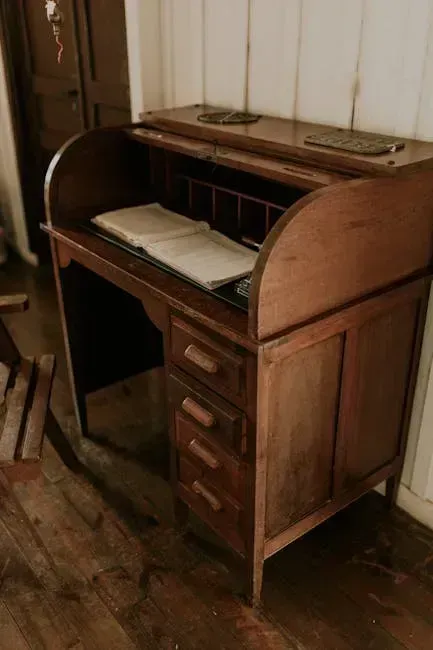
The antique roll-top desk is a favorite item amongst collectors of all ages. With its sturdy good looks and multiple nooks and crannies for organizing things, the roll-top is a classic piece of furniture. One of the first U.S. patents for a roll-top desk was given to Abner Cutler in 1881. That long history gives these desks real collector credibility.
A roll-top desk can be worth anywhere between $3,000 to $6,000, depending on the condition, materials used, and time of manufacturing. Roll-top desks are considered timeless collectibles and are very popular on the antique furniture market. To tell if a roll-top desk is an antique, look closely at the materials. Real antiques feature hardwoods like cherry, mahogany, and black walnut. If you detect the use of engineered woods, the desk is a reproduction. Also, early pieces show off irregular dovetail joints – joints that appear perfectly uniform indicate a more recent mass-produced piece.
Victorian Mahogany Dining Sets
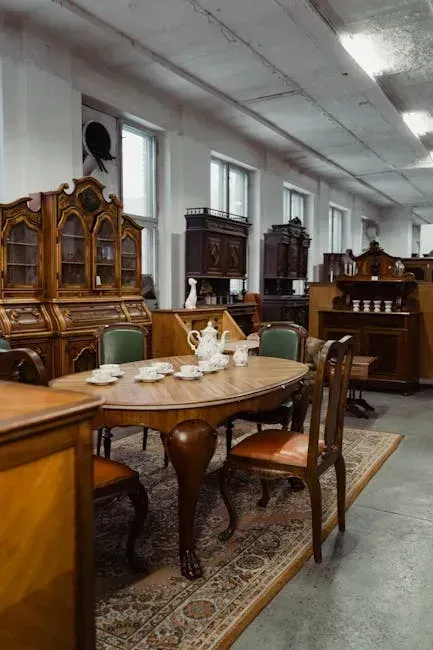
The Victorian period is characterized by its distinctive and ornate style. During this time, heavy, richly decorated pieces emerged, often crafted from dark woods. The living spaces of Victorian homes were typically cluttered yet beautifully curated, featuring intricate details and a variety of textures. The dining sets that survived from this era are among the most recognizable pieces in antique circles.
Victorian antique furniture identification focuses on highly sought-after pieces including mahogany dining sets, where complete sets command premium prices. Victorian furniture features heavy, ornate carvings and dark woods like mahogany and walnut. The value of antique furniture stems from a combination of craftsmanship, materials, and historical significance. Handcrafted pieces from the 18th and 19th centuries typically command higher prices because they represent superior woodworking techniques rarely seen today. Quality indicators include dovetail joints, hand-carved details, and the use of solid hardwoods like mahogany, walnut, or cherry.
Mid-Century Modern Chairs and Credenzas
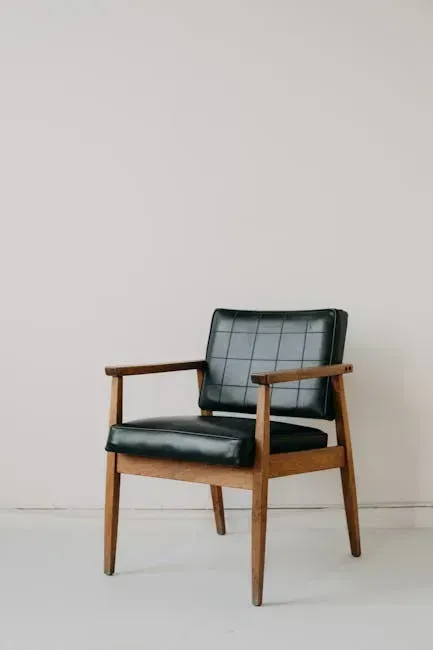
Mid-century modern furniture remains a top choice for homeowners and collectors due to its timeless appeal and functional design. Originating from the 1950s to 1970s, these pieces emphasize clean lines, natural materials, and minimalism – qualities that resonate strongly with today’s interior design trends. Iconic examples include Eames lounge chairs, Noguchi coffee tables, and vintage teak credenzas.
This category has seen explosive growth: Eames chairs and tables see designer labels dramatically increase their value, Scandinavian teak furniture commands respect for its clean lines and quality craftsmanship, and mid-century pieces have increased 300 to 500 percent in value over the last decade. In recent years, there has been a resurgence in the popularity of mid-century modern furniture, and pieces from designers like Eames, Arne Jacobsen, and George Nelson have experienced a remarkable increase in value due to growing interest among younger collectors.
Antique Four-Poster Beds
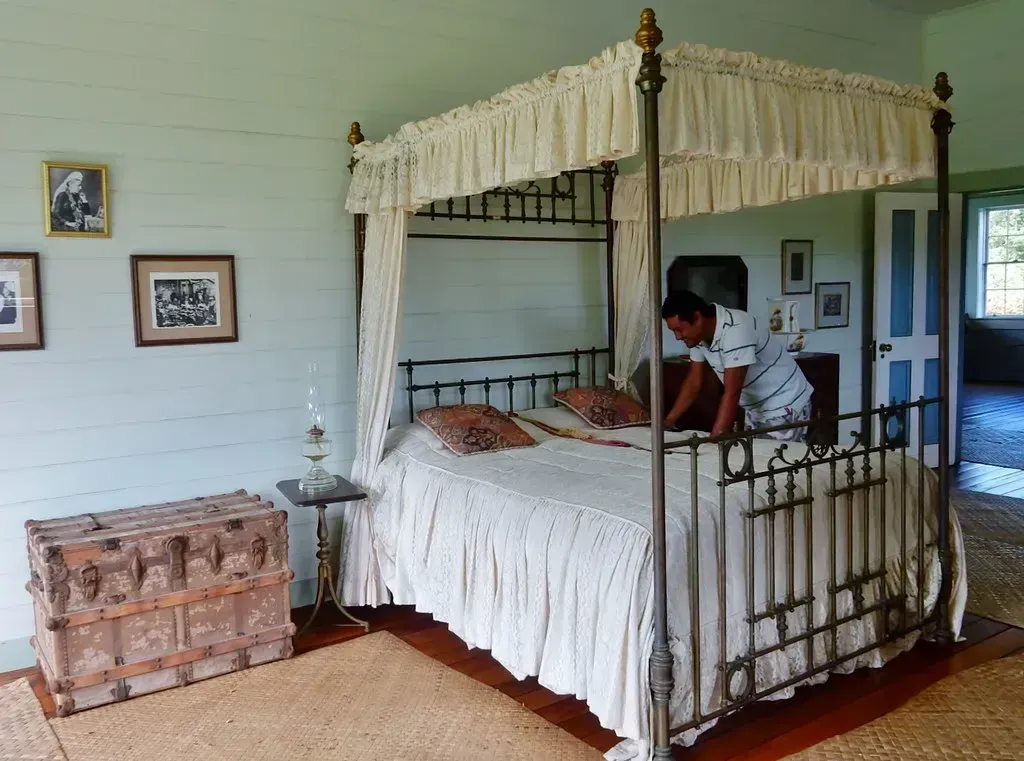
Got an old four-poster bed in the family? Those ornate antique frames, especially ones made from mahogany or walnut, command serious attention from buyers. These beds tend to sit in storage or spare rooms for decades, which is exactly where their value quietly grows, unnoticed.
The maker’s reputation plays a crucial role in antique furniture value. Pieces by renowned furniture makers like Thomas Chippendale, George Hepplewhite, or American craftsmen such as Duncan Phyfe can be worth tens of thousands of dollars. Even lesser-known regional makers can add significant value if they’re documented and respected in collector circles. A four-poster bed with a traceable maker’s mark is a particularly strong find – the combination of size, craftsmanship, and rarity makes it a standout at auction.
Windsor Chairs
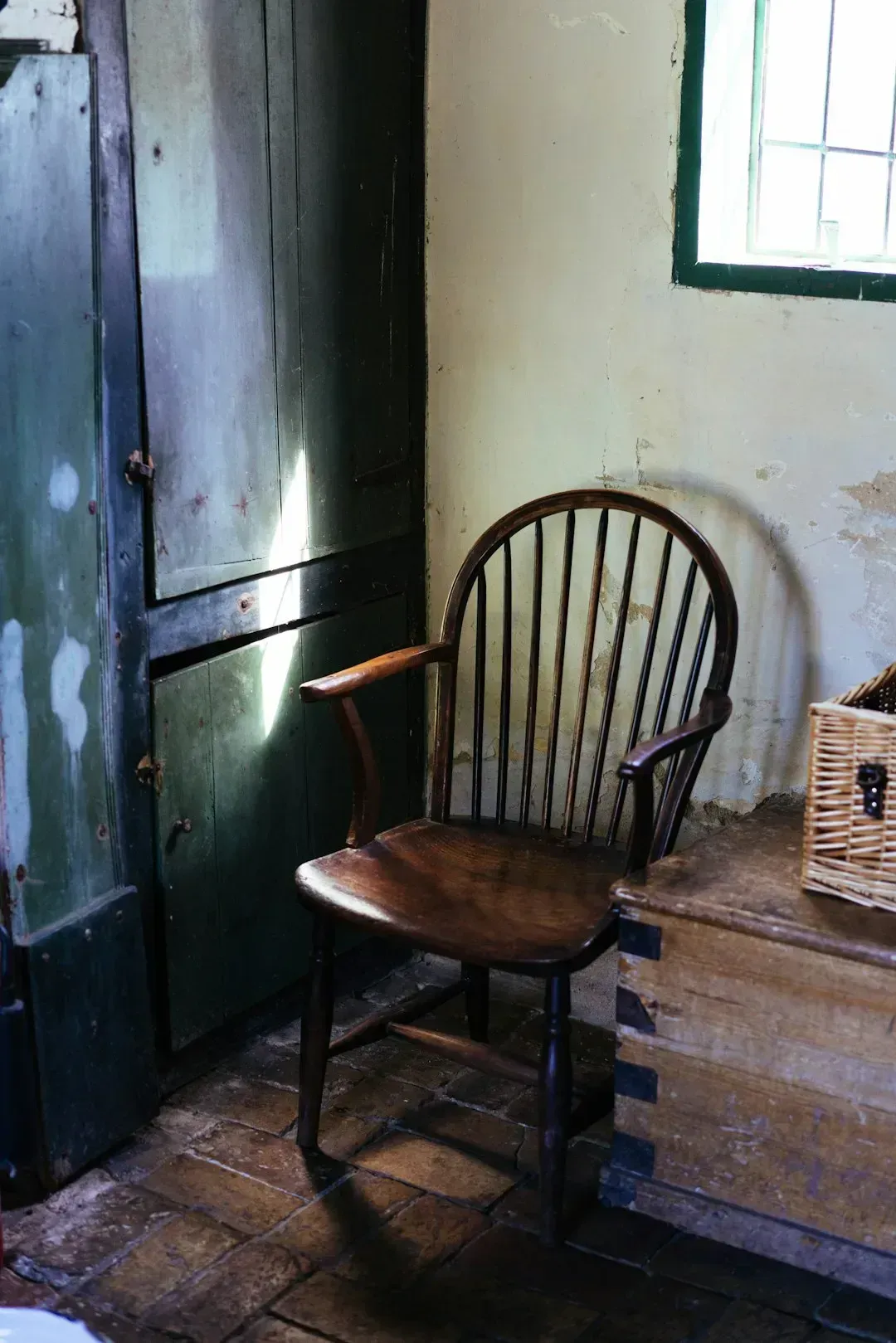
Windsor chairs originated in the English town of Windsor around 1710. The style quickly made its way across the pond, landing in the Colonies around 1730, where the style was adopted into American design. Over the next century, furniture makers headquartered primarily in Philadelphia modified the style to accommodate changing consumer tastes. That long lineage is precisely what makes them collectible.
The Windsor chair is essentially a splay-legged stool with a saddle seat and a radiant spindle backrest. At the time of its inception, the Windsor chair was unique in that its back was a separate piece from the seat and legs. Rather than being carved from a continuous piece of wood, Windsor chairs feature spindles and legs that are round-tenoned, pushed into drilled holes. Historically, no glue or nails were used in their assembly – the greenwood would dry and expand to form permanent bonds. That kind of joinery is nearly impossible to replicate affordably today, and collectors know it.
Biedermeier Furniture
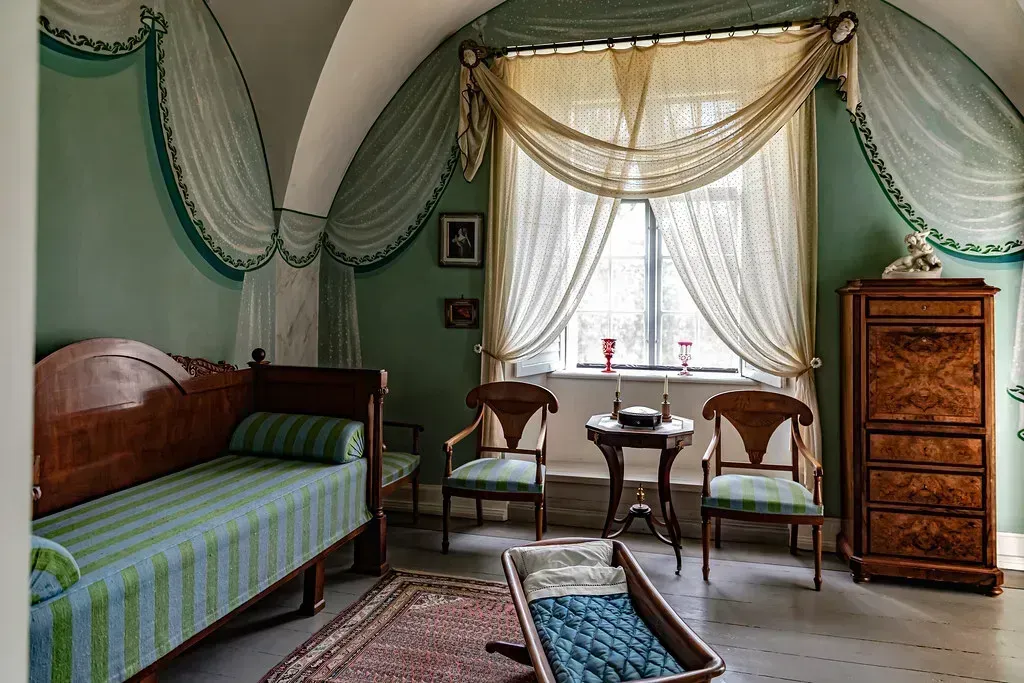
Impeccable woodworking skills take center stage with 19th-century Biedermeier furnishings, which are having a resurgence according to Chairish. The style, which emerged primarily in German-speaking Europe in the early 1800s, blends neoclassical order with a certain domestic warmth that feels surprisingly current. Experts recommend investing in quality Georgian and Gustavian pieces among others, noting that timeless construction and style make them durable investments.
Rarity drives much of antique furniture’s value, but it’s not just about age. Some pieces were rare when they were made due to expensive materials or limited production runs. Others became rare due to historical events, changing tastes, or simple attrition over time. Biedermeier fits squarely into this category – it was never mass-produced in the same volume as Victorian furniture, which means genuine period pieces are genuinely hard to find. If one has been sitting in your home, don’t underestimate what it might be worth to the right buyer.
The through-line across all eight of these pieces is the same: quality of construction, scarcity, and an aesthetic that resists being dated. It’s essential to differentiate between normal wear and damage that could lower a piece’s value. Light scratches, faded upholstery, or a slight patina on the wood can actually add to the character and value of antique furniture. Before making any decision about an old piece, it’s wise to get an accurate appraisal from a qualified professional. What looks like clutter might be the most valuable thing in the room.




Leave a Reply