
Every generation inherits a set of cultural scripts, some useful, some quietly destructive. For Gen Z, those scripts are written at algorithmic speed, shaped by platforms designed to reward novelty over nuance. What goes viral on a Tuesday can become a lifestyle identity by Friday, and that compressed timeline leaves very little room for critical thinking about what’s actually healthy, financially sound, or psychologically sustainable.
From spending habits to health advice to how this generation navigates the workday, several trends that look harmless or even aspirational on the surface carry real risks that researchers, physicians, and financial experts are now flagging loudly. Here are seven of them worth thinking twice about.
Chronic Doomscrolling as a Daily Coping Mechanism

It starts innocuously enough: a few minutes of scrolling before bed, or a quick check of the news during lunch. For a significant share of Gen Z, though, it never really stops. Separate 2024 survey data puts the share of Gen Z that doomscrolls regularly at roughly half, compared to 46% of Millennials and 31% of U.S. adults overall. That gap is meaningful, and it’s not just a quirk of a digitally native generation choosing to stay informed.
Doomscrolling is the compulsive habit of scrolling through negative news and social feeds, driven by algorithmic design and negativity bias. Research from Harmony Healthcare IT found that more than half of Gen Zers with anxiety admit to excessive social media use or doomscrolling while trying to cope. The problem is that it doesn’t help. The consequences of this behavior pattern are not abstract. Research links chronic doomscrolling to poor life satisfaction, elevated stress, disrupted sleep, and worsened anxiety during crisis periods.
Treating Social Media as a Primary Health Authority
TikTok’s health content is abundant, often visually compelling, and increasingly trusted by a generation that is skeptical of traditional institutions. That combination is proving genuinely problematic. Social media platforms like TikTok are among the top sources of health information for a majority of Gen Z. Despite being aware of the dangers of health misinformation spreading online, one-third of Gen Z say they do not make any effort to verify the health information they encounter on TikTok.
The quality of that content is also measurably unreliable. Around 44% of the videos analyzed by University of Chicago researchers contained non-factual information. Videos from nonmedical influencers, content creators with over 10,000 followers who did not self-identify as medical professionals, accounted for almost half of all videos and were more likely to contain misinformation. A third of Gen Z report they have let a content creator with no medical training influence a personal health decision. Gen Z are also twice as likely as older adults to let people without formal medical credentials influence their health decisions.
Following Viral “Hormone Hacks” Without Medical Guidance

One of the more specific and quietly dangerous offshoots of social media health culture is the trend of self-prescribed hormone interventions. This trend involves people self-prescribing supplements to “balance” hormones like estrogen, testosterone, or cortisol, often based on incomplete online quizzes. Doctors warn that self-treating with herbal blends or hormone precursors can cause serious endocrine disruption, fertility issues, and liver strain. True hormone imbalances should be diagnosed by blood work and treated under medical supervision.
From DIY gut detoxes and “hormone balancing” smoothies to raw liver cleanses and supplement megadosing, the platform’s quick-hit format makes it easy for unverified and unqualified advice to go viral before anyone can fact-check it. The appeal of “taking control of your biology” is entirely understandable, especially for a generation that feels underserved by healthcare systems. The risk is that oversimplified solutions to genuinely complex physiology can do more harm than doing nothing at all.
Relying on Buy Now, Pay Later for Everyday Purchases

BNPL services feel frictionless, and that’s exactly the problem. For a generation that struggles with financial literacy, including a love for “doom spending” their way through inflation stressors, experts warn that getting into a habit of using payment plans can be a mask for a dangerous game of overspending. One study found that shoppers tend to spend roughly a fifth more when BNPL is offered, meaning the format itself nudges people toward larger purchases than they’d otherwise make.
Buy-now-pay-later has accounted for a growing share of all transactions and has become another Gen Z paradox. According to LendingTree, nearly two thirds have tried it at least once, and BNPL loans surpassed credit card use during peak holiday periods. Beneath the convenience, though, lies risk. More than 40% have made a late payment, up seven points from a year earlier. Experts note that BNPL users can accumulate debt without it impacting their credit score, making overspending easier to ignore.
Performative Quiet Quitting as a Long-Term Career Strategy
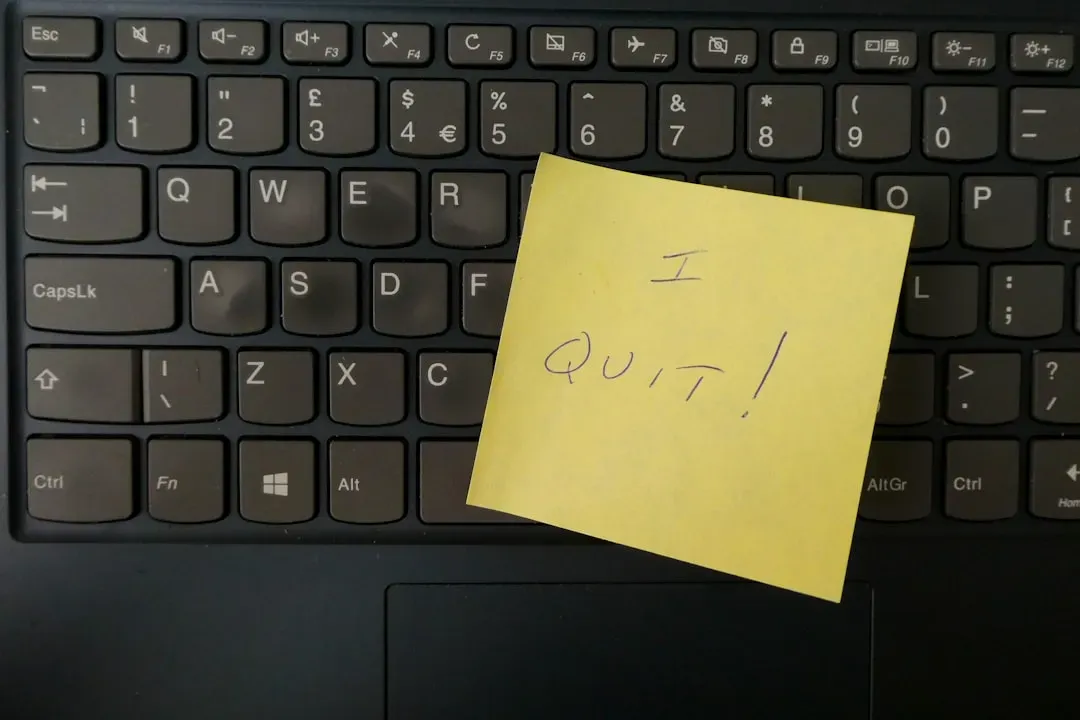
The quiet quitting movement struck a nerve because it named something real: burnout, undervaluation, and the sense that working harder doesn’t reliably lead to better outcomes. What began as a reasonable boundary-setting philosophy, though, has in some corners calcified into a blanket disengagement from professional growth. Gen Z popularized an “antiwork” ethos that defied traditional career ambition. Gallup polling indicates roughly six in ten Gen Z employees admit to doing the “bare minimum” at their jobs, abandoning hustle culture.
The practical consequences are starting to surface. Some experts argue Gen Z’s relaxed attitude has sometimes gone too far. A study by staffing firm Robert Half found that the vast majority of managers rate Gen Z employees as having weaker work ethics than Boomers or Gen X. There are also signs that Gen Z’s apathy toward work may be detrimental to their career trajectories. Internal corporate research reveals Gen Z employees receive average performance scores notably lower than Millennials did at the same career stage. Protecting your mental health and simply coasting are not the same thing, and conflating them can quietly foreclose opportunities.
Using Extreme Screen Time as a Form of Social Connection
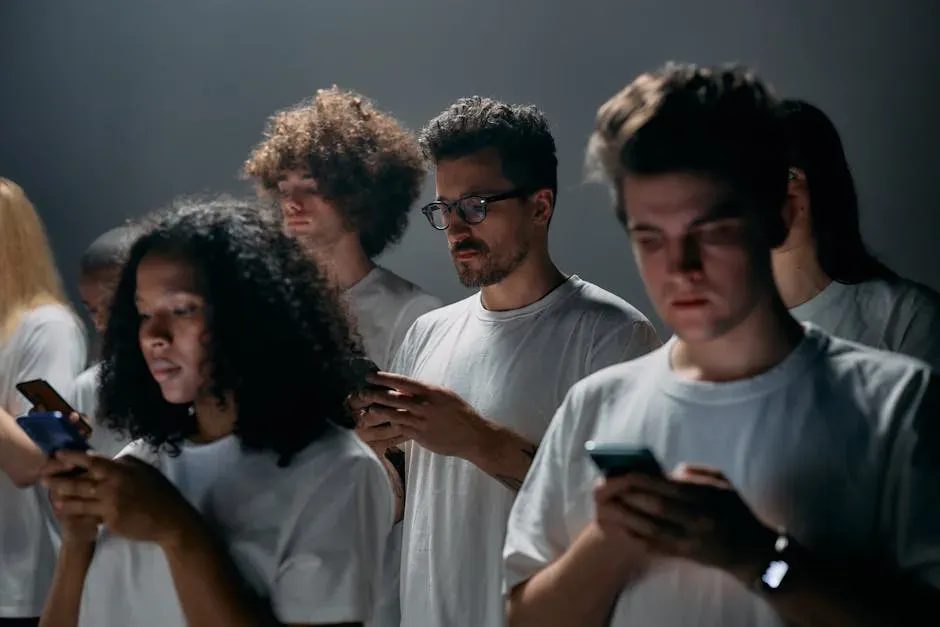
According to Harmony Healthcare IT’s December 2024 survey of 1,001 Americans, Gen Z logs an average of 6 hours and 27 minutes on their phones alone, the highest of any generation. That number doesn’t include laptops, tablets, TVs, or gaming consoles. Health experts recommend no more than two hours of recreational screen time per day. Gen Z is doing more than three times that on their phone alone.
Perhaps more troubling is what the research says about the emotional payoff. Gen Z is also experiencing what researchers have started calling “digital loneliness,” a paradox in which heavy online connectivity intensifies rather than relieves feelings of social isolation. Deloitte’s Global 2025 Gen Z and Millennial Survey, which polled over 23,000 respondents across 44 countries, found that 40% of Gen Z report feeling stressed or anxious most or all of the time. Fully 47% of Gen Z rate their mental well-being as fair or poor. The screens offer stimulation, but not the kind of connection that actually stabilizes mental health.
Following Extreme Social Media Diet Trends Without Professional Input
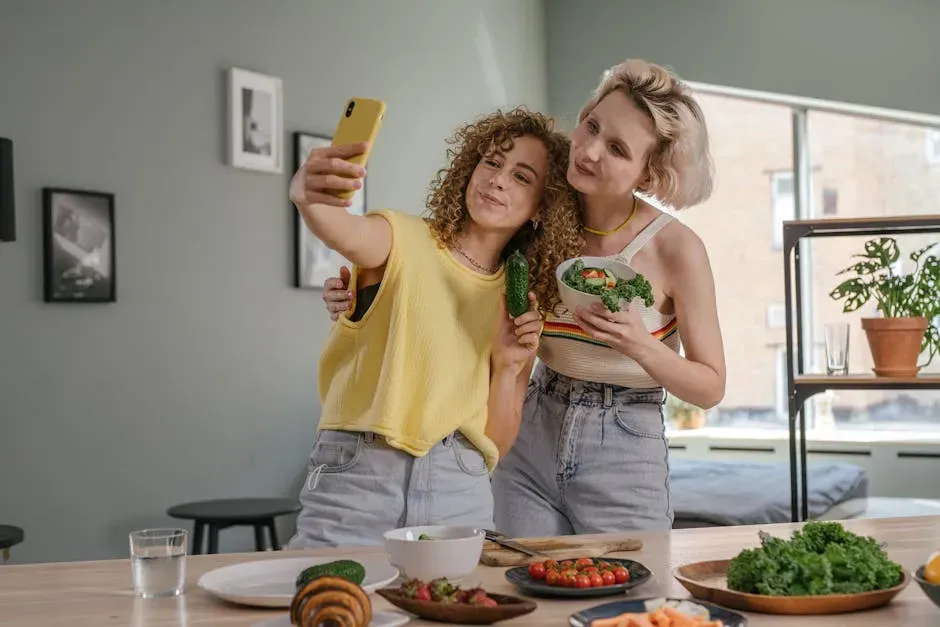
Gen Z’s relationship with food is already unusually complicated. More than half of Gen Z say they are trying to lose weight, which is higher than previous generations at their age. Two thirds of Gen Zers followed a specific dietary pattern or diet in 2024, compared to only about half of Gen Xers and roughly four in ten Boomers in the same year. That level of dietary engagement isn’t inherently worrying, but the source of the guidance often is.
Platforms like Instagram, TikTok and YouTube are flooded with content related to food trends, recipes and dieting tips, and young individuals are constantly exposed to a myriad of food options and nutritional information. However, this exposure to curated representations of food can also contribute to unrealistic standards and unhealthy relationships with food among Gen Z. Trends like the all-meat carnivore diet are a clear example of how far things can tip. Influencers tout clear skin and thin figures from eliminating plant foods, but there is no credible science backing up those claims. There are significant long-term risks. It’s impossible to get all of the nutrients your body needs from animal products alone.




Leave a Reply