
Some of the most enduring words we carry into adulthood were never meant to be speeches. They were offhand comments at the kitchen table, quiet reassurances after a bad day, or firm reminders delivered with complete certainty. A surprising number of adults can trace specific beliefs, habits, or reflexes straight back to things a grandparent once said.
One survey found that the average adult retains 22 bits of advice from their grandparents – a figure that feels entirely believable once you start mentally cataloguing the phrases that still surface, unbidden, decades later. Grandparents often have the opportunity to share their knowledge, wisdom, and family traditions, and such early experiences strengthen a grandchild’s self-esteem while reinforcing beliefs, norms, and values. The eight sayings below are the ones that researchers and surveys consistently find adults remember most vividly.
1. “Hard Work Always Pays Off”

Few phrases travel as far across time as a grandparent’s conviction that effort matters. Studies on child development show that consistent, positive language from trusted adults can boost a child’s confidence, resilience, and sense of belonging well into adulthood. When that message comes without grades or report cards attached, it tends to land differently than when it comes from a teacher or a parent mid-argument.
The lessons learned from grandparent-grandchild relationships in childhood, especially those related to moral development, persist into early adulthood. The emphasis on work ethic is one of the most frequently cited takeaways adults recall from their grandparents. It carries the particular authority of someone who lived through genuine hardship and came out the other side with something to show for it.
2. “I’m Proud of You, No Matter What”
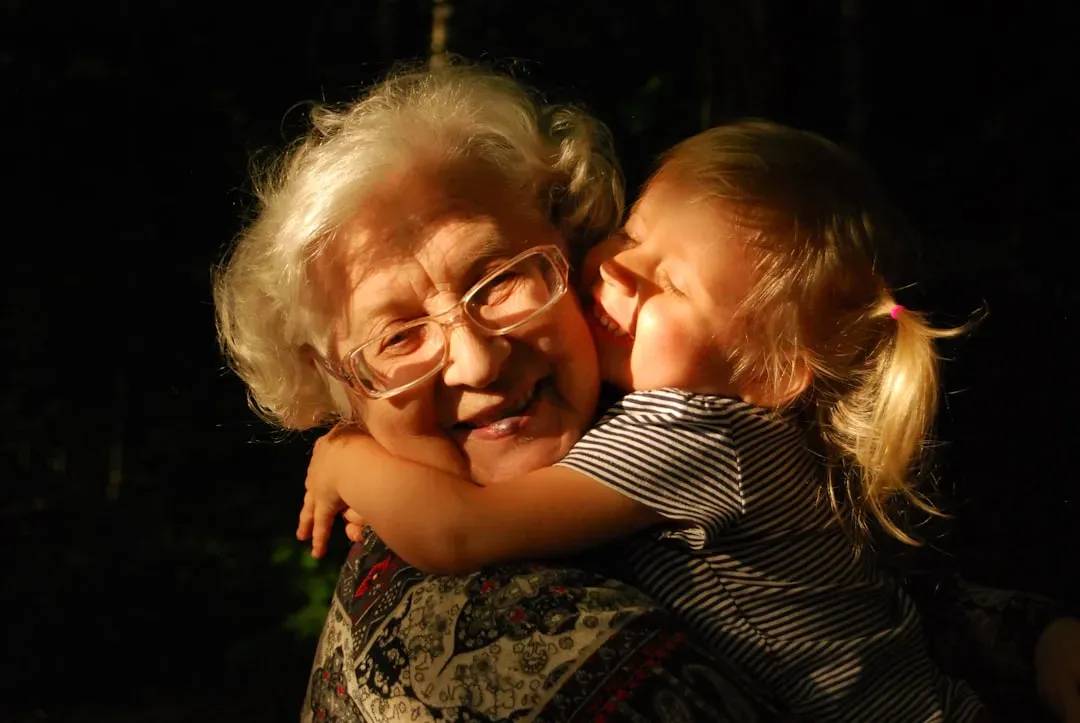
Grandchildren need to hear that their grandparents are proud of them, no matter what – they need to feel loved and supported unconditionally. This kind of phrase does something specific: it separates the child’s worth from their performance, which is psychologically different from standard praise. A warm relationship with a grandparent provides emotional stability and a strong sense of identity, positively influencing a child’s socialization, emotional development, and core values.
Achievements matter, but character matters more – and when grandparents reinforce that a grandchild’s worth isn’t tied to a report card or trophy shelf, it creates something lasting. That message, repeated across casual moments rather than formal ones, tends to root itself deeply. Adults who heard it regularly are more likely, researchers note, to extend that same unconditional acceptance to themselves during difficult periods.
3. “This Too Shall Pass”

The timeless reassurance of “this too shall pass” carries a profound message of hope – often whispered by grandparents, this phrase provides comfort during difficult times, suggesting that no matter how bleak a situation may seem, it won’t last forever. There is a reason this particular phrase gets passed down generation after generation. It requires no explanation, no action, and no promise of a fix. It just reframes time itself.
Findings from recent research highlight the importance of supportive grandparent relationships for grandchildren, pointing to the possibility that support during developmental periods is especially protective of emotional wellbeing in emerging adulthood. Teaching a child that distress is temporary rather than permanent is one of the quieter gifts in the grandparent toolkit. The phrase tends to surface in adults’ memories at the exact moments they need it most.
4. “Always Treat Others the Way You Want to Be Treated”
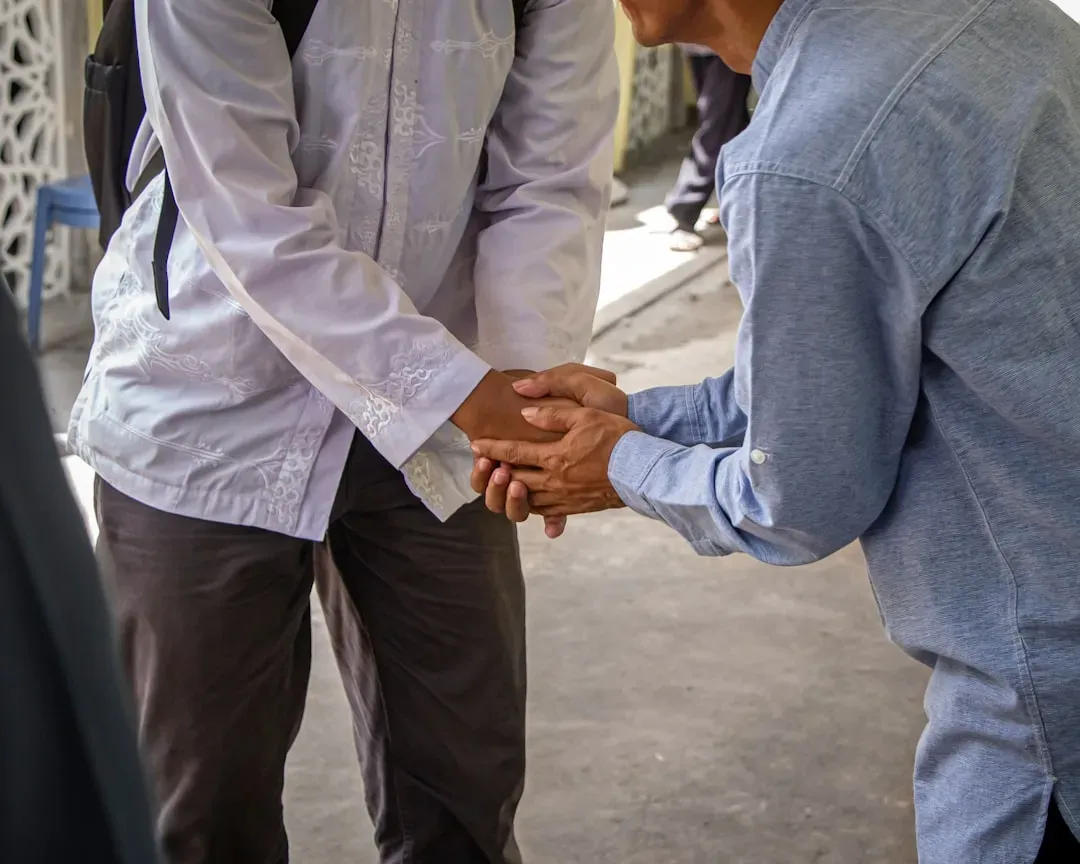
Sayings like “always treat others as you would like to be treated” teach respect and empathy, and these messages spark discussions and thoughts on right behavior. Coming from a grandparent, the Golden Rule carries a specific kind of weight. It doesn’t feel like a classroom rule. It feels like practical wisdom from someone who has watched what happens when people ignore it.
Grandparents share family traditions, stories, and wisdom that deepen a child’s connection to their heritage, and in many families they reinforce the values parents are trying to instill, sometimes even more effectively because their influence feels less authoritative and more enduring. Empathy framed as a way of living rather than a rule to follow is what makes this saying sticky. Adults who heard it repeated in genuine, quiet moments tend to revisit it when relationships get complicated.
5. “Family Comes First”
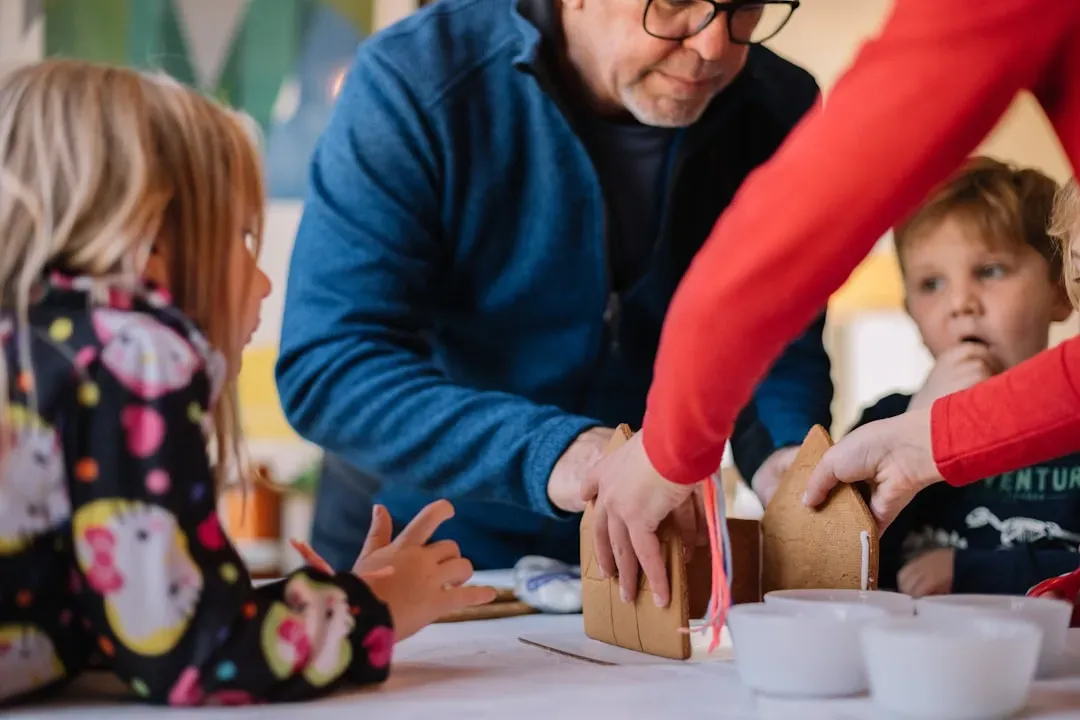
Many Americans say their grandparents have taught them things, including about family history, cultural traditions, skills or hobbies, and religion or spirituality. Woven through nearly all of those lessons is an underlying message about loyalty and belonging. “Family comes first” is rarely delivered as a lecture. It is more often demonstrated and then occasionally made explicit with a simple phrase that the child carries forward.
Grandparents transmit familial cultural values, fostering grandchildren’s cultural identity and family unity. That transmission is rarely formal. It happens in the texture of daily life – who shows up, who gets called, who gets defended – and the phrase that names it becomes a kind of anchor. These sayings connect grandchildren to their roots and cultural traditions, creating a lasting legacy that gives a sense of belonging and identity.
6. “Save Something for a Rainy Day”

Frugality might sound like a dry topic, but framed through a grandparent’s specific history, it becomes a form of storytelling. The idea that hardship is not hypothetical but cyclical is a perspective that younger generations rarely receive from any other source. The AARP survey revealed that grandparents share wisdom and guidance across a wide range of topics including health and finances, providing a moral compass as well as emotional and social support.
Financial caution passed down from grandparents tends to stick not because it is taught systematically, but because it arrives with lived context. Telling personal stories is one of the most powerful ways to pass on wisdom and values, as grandchildren will not only cherish hearing about life experiences and challenges, but will also carry those lessons with them throughout their lives. When “save for a rainy day” comes attached to a real memory of scarcity, it carries more practical weight than almost any financial literacy course.
7. “You Can Always Come to Me”

Grandparents are often seen as “stress buffers,” family “watchdogs,” “roots,” “arbitrators,” and “supporters,” and research suggests that children find unique acceptance in their relationships with grandparents, which benefits them emotionally and mentally. The promise of unconditional access is distinct from what parents can realistically offer, given that parents hold authority. A grandparent who says “you can always come to me” is offering something genuinely different: a listening ear without immediate consequences.
Participants who reported having had at least one relationship with a grandparent while growing up reported significantly higher emotional wellbeing, and receiving greater social support from grandparents during childhood was associated with better emotional wellbeing in emerging adulthood. That open-door message, when it’s genuine rather than performative, acts as a long-term emotional resource. Research from Boston College found that emotionally close grandparent-grandchild relationships are linked to fewer symptoms of depression in both generations.
8. “Remember Where You Come From”

This kind of message “can give children a sense of identity and belonging,” and when grandparents tell stories about their own lives or teach cultural values, they give grandchildren an understanding of where they came from, which strengthens family bonds and supports healthy development. The phrase works because it is both grounding and aspirational at the same time. It does not ask the child to stay put. It asks them to carry something with them.
At least half of adults are able to recall memories of spending holidays with their grandparents, learning about family history from them, or being exposed to cultural traditions by them. That shared history forms the raw material behind this particular saying. Participants in research studies cited lessons learned from their grandparents as significant building blocks in their current perspectives on life. “Remember where you come from” is perhaps the most durable of all, because it keeps pointing back to something real.
What makes these eight sayings so persistent is not that they were delivered with great ceremony, but precisely the opposite. These simple phrases grandparents casually drop during ordinary moments plant seeds of wisdom that often don’t bloom until decades later, shaping their grandchildren in ways they’ll only understand as adults themselves. The words outlive the moment, and in many cases, they outlive the person who said them.




Leave a Reply