
Picture a weekday afternoon in 1962. School’s out, a screen door slaps shut, and somewhere in the house a parent is already calling out a task. For many children of that era, helping at home was simply part of the day, much like brushing teeth.
That doesn’t mean every kid was cheerful about it, and memory tends to polish the past. Still, chores were widely treated as a normal duty rather than a negotiation. Here are eight that filled many childhoods back then.
Setting and Clearing the Table

Family dinner was a fixed event in many homes, and kids were often assigned the table before anyone sat down. Forks went on the left, knives on the right, and napkins were folded properly. It was a small job, but it taught order.
Afterward, plates had to be carried to the kitchen. Nobody left until the table was clear, and kids who tried to slip away usually got called back. The rule was simple, so there wasn’t much to argue about.
Drying the Dishes
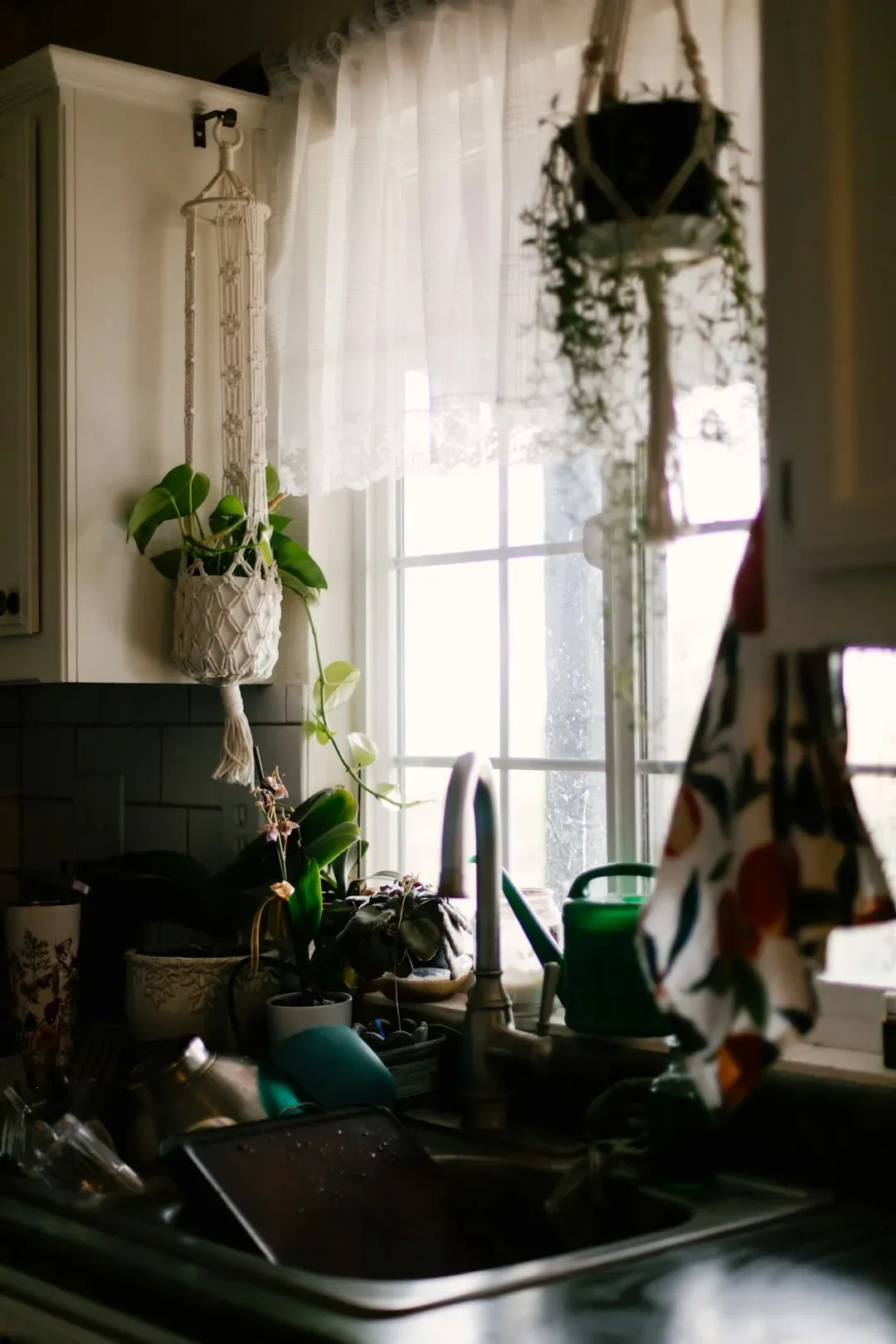
Dishwashers existed in the 1960s, but they were far from standard. Many households still washed everything by hand, so children were often put on drying duty beside a parent or sibling. A damp dish towel was practically part of the kitchen’s furniture.
The job came with a side benefit, since conversation tended to happen at the sink. Kids learned which glasses were fragile and which pots needed extra scrubbing. Breakage was a risk, which made careful hands a quiet skill.
Taking Out the Trash

Garbage went into metal cans, and hauling them to the curb was a classic job for older kids. Many families also burned some household waste in backyard incinerators, an accepted practice in that era before many places restricted it. Children were often told to keep an eye on the fire or to carry out the paper scraps.
It wasn’t glamorous, especially in winter. Yet the task was predictable, and it usually fell on the same child week after week. That consistency made it harder to dispute.
Mowing the Lawn
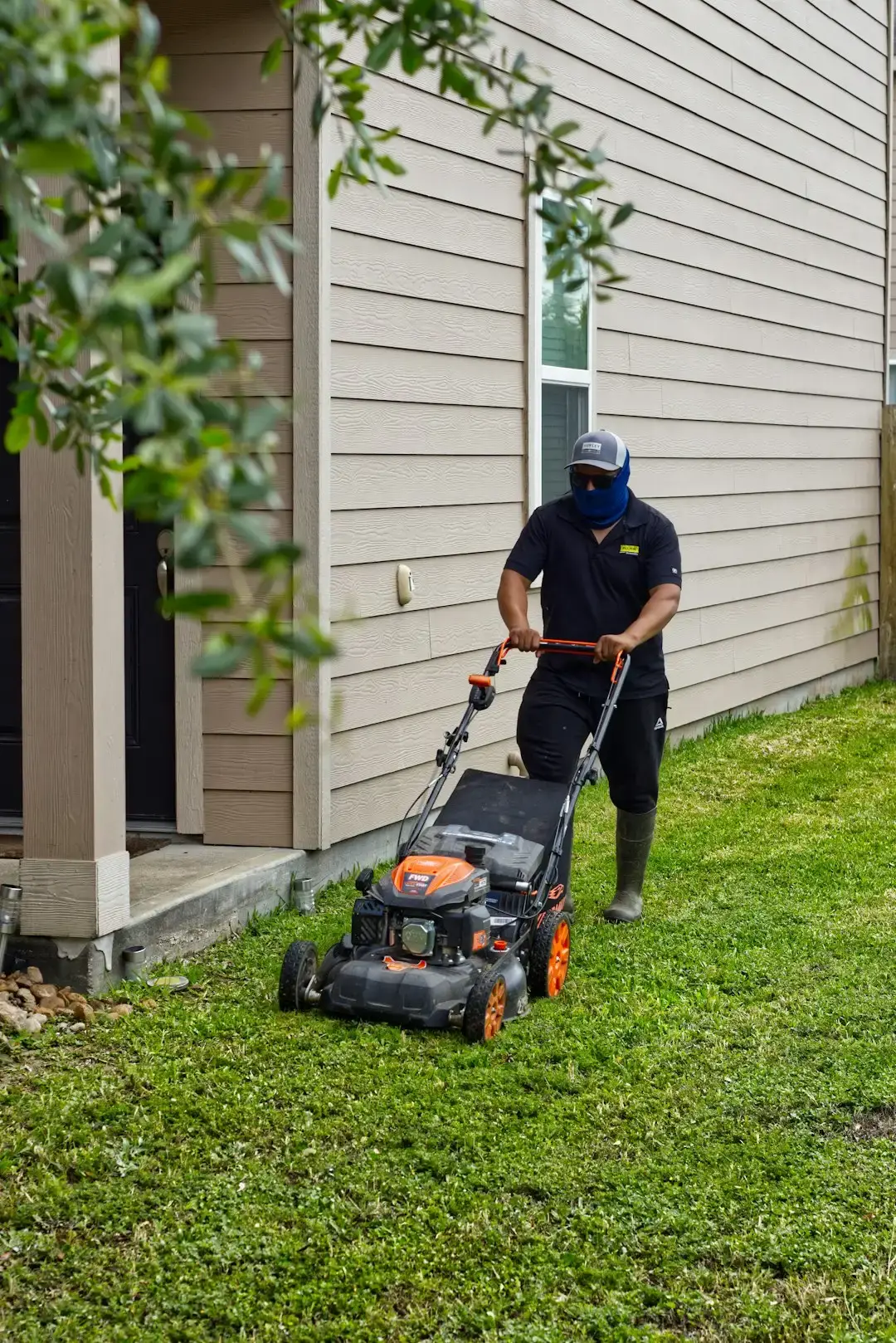
In the growing postwar suburbs, a tidy lawn mattered, and the job often fell to a son once he was big enough to push the mower. Early power mowers were noisy and had fewer safety features than modern ones, so parents usually trained kids first. Some families used old reel mowers that relied entirely on muscle.
Saturday morning was a common time for it. Finishing the yard often meant freedom for the rest of the day. For many kids, that was motivation enough.
Making Beds and Tidying Bedrooms

Making the bed before leaving the room was a basic expectation. Sheets were tucked with hospital corners in plenty of houses, and some parents inspected the results. Clothes went in drawers or on hangers rather than on the floor.
Children generally shared rooms more often than they do today, which made tidiness a group effort. A messy corner was hard to hide. Parents saw clean rooms as a sign of good upbringing, so the standard stayed firm.
Helping With Laundry and Hanging Clothes
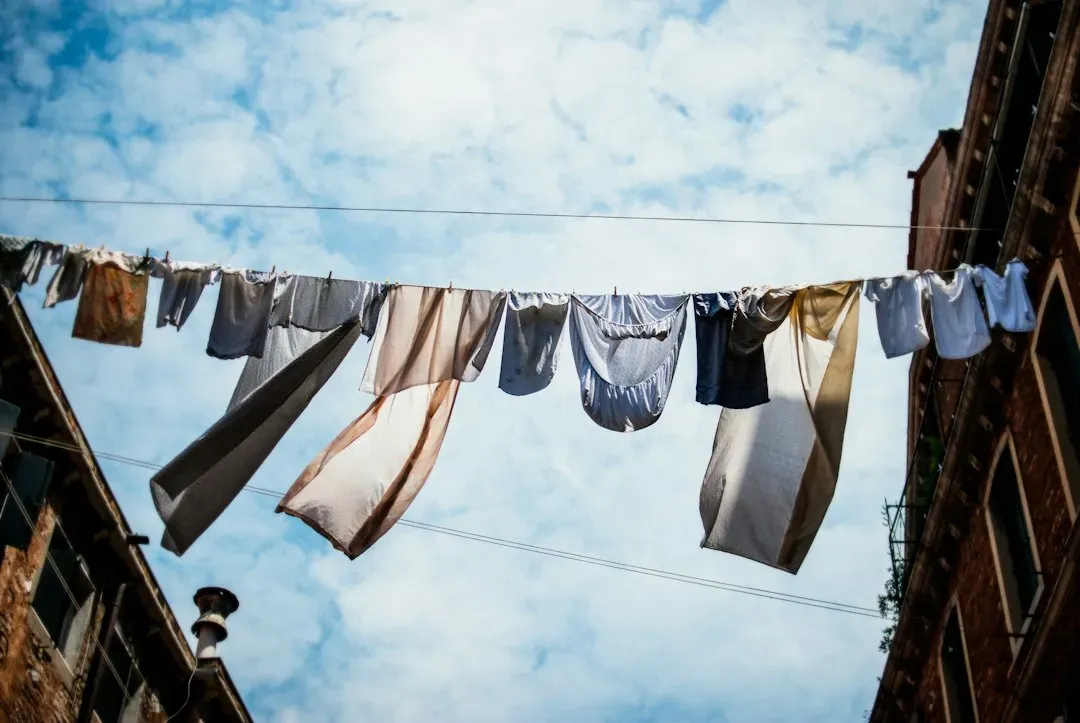
Washing machines were common by the 1960s, but many families still dried clothes on a line outdoors. Kids were often sent to carry baskets, pin up shirts, and bring them back in before rain. Folding and sorting socks was another routine job.
Clothespins and wicker baskets became familiar tools to children. The work was repetitive, but it was also visible, since a full line meant progress. Little hands were useful for small items like handkerchiefs and pillowcases.
Dusting and Sweeping

Housework was largely done by hand, and children were drafted for lighter cleaning. Dusting furniture, sweeping the porch, and pushing a carpet sweeper or vacuum around the living room were typical tasks. Many girls were pushed toward these more than boys, reflecting the gender expectations of the time.
Those expectations were uneven and have since shifted a great deal. Still, the principle that everyone in the house should keep it clean was widely shared. Saturday cleaning sessions were often a whole family effort.
Running Errands and Helping in the Garden
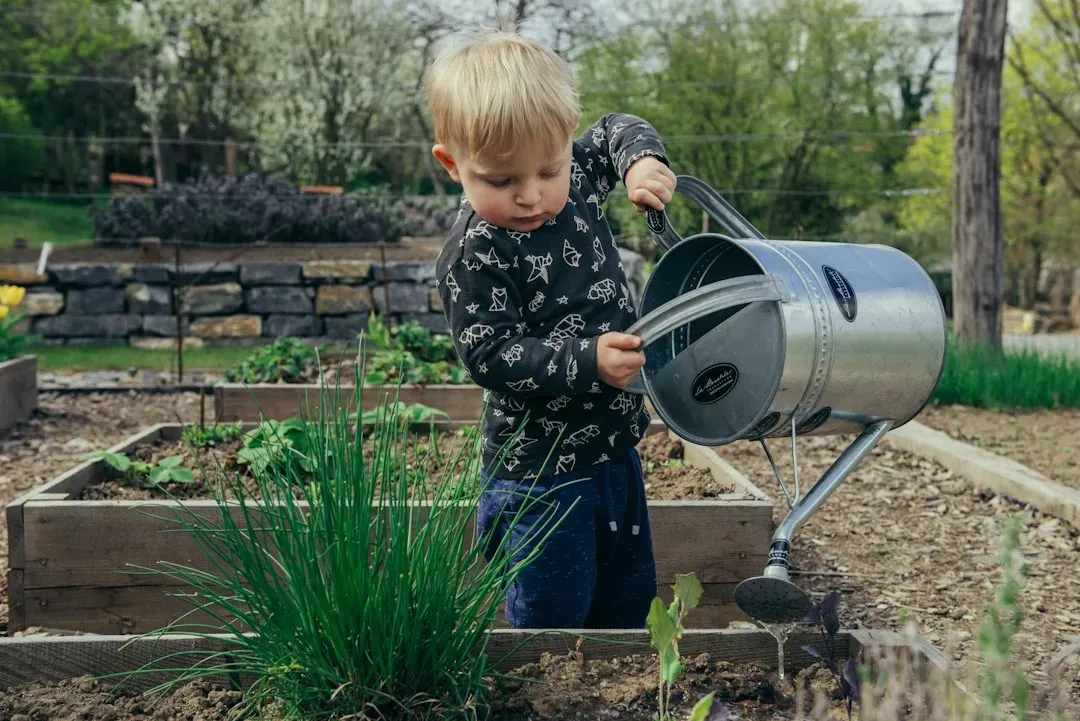
Kids regularly walked or biked to a nearby shop for a loaf of bread or a quart of milk, something parents were more comfortable with then in many neighborhoods. They also pulled weeds, picked vegetables, and watered the garden, particularly in homes with a backyard plot. These jobs mixed usefulness with fresh air.
Errands gave children a measure of independence that’s rarer now. Gardening taught patience, since results took weeks. Both tasks were just part of being a member of the household.

Leave a Reply