
Every restaurant has a rhythm, and closing time has its own quiet choreography. Long after the last table has ordered dessert, the kitchen shifts into a different gear, one built on habit, muscle memory, and a handful of unspoken rules passed down from cook to cook. Most guests never see this part of the night, but it shapes whether tomorrow’s service starts smooth or scrambling.
These closing rituals rarely make it into a menu description or a hiring ad, yet they define what separates a well-run kitchen from a chaotic one. Here are eight things line cooks quietly do once the dining room empties out and the real work of shutting down begins.
1. The final walk-through of the walk-in cooler
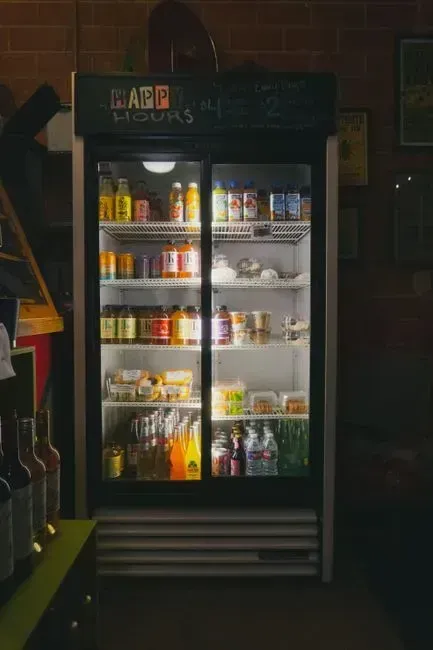
Before anyone clocks out, someone has to open that heavy cooler door one last time and actually look, not just glance. Cooks check dates on prepped items, make sure nothing is sitting uncovered, and shuffle things so older product sits in front where it will get used first. It sounds mundane, but this single habit prevents a huge share of food waste and cross-contamination issues that health inspectors flag most often.
Temperature logs usually get filled out here too, since most local health codes require documented proof that cold storage stayed within safe ranges throughout service. A cook who skips this step isn’t just being lazy, they’re creating a problem for whoever opens the next morning. Seasoned line cooks treat this walk-through almost like a bedtime check, because a warm cooler discovered at 6 a.m. can wreck an entire day’s prep list.
2. Scraping and seasoning the flat-top or grill
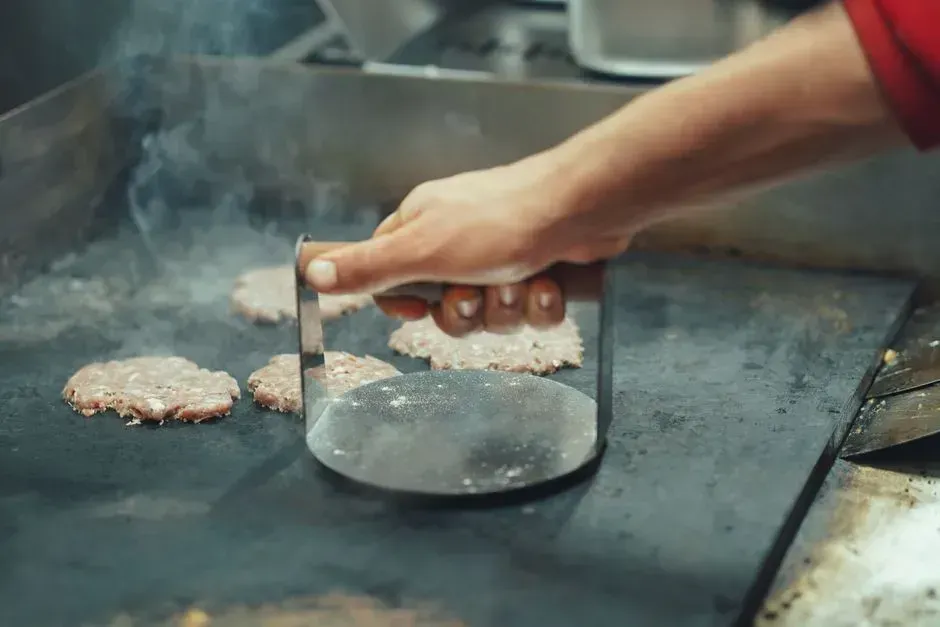
The flat-top takes a beating during a busy dinner rush, and letting it sit dirty overnight is one of the fastest ways to ruin a cooking surface. Cooks scrape off carbon buildup while the metal is still warm, since cold grease and burnt bits are far harder to remove once everything cools down. Many kitchens finish with a light coat of oil to keep the surface seasoned, the same logic used with cast iron pans at home.
This isn’t just about cleanliness, it’s about performance. A poorly maintained flat-top heats unevenly and can scorch food the next day, throwing off cook times for the entire line. Cooks who take pride in their station tend to treat this step as non-negotiable, even when they are exhausted and just want to go home.
3. Breaking down and sanitizing the line stations
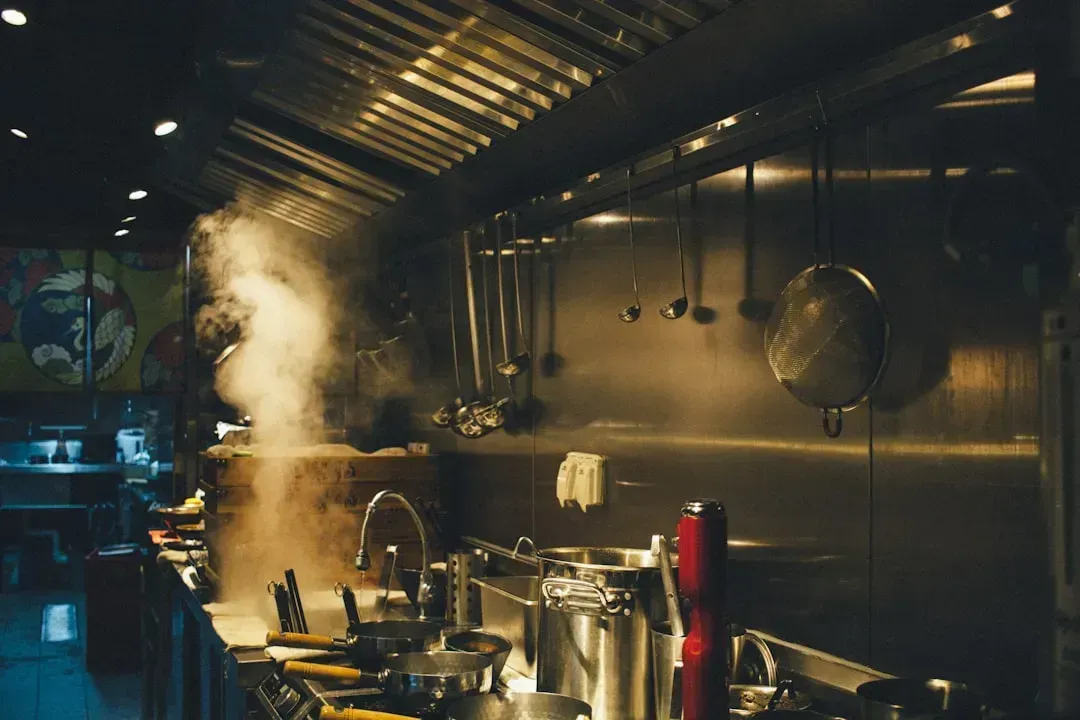
Every station on the line, from the sauté area to the fryer station, gets fully broken down at close. Pans get scrubbed, cutting boards get color-coded and sanitized, and any standing water in sinks gets drained so nothing sits stagnant overnight. This is one of the most heavily regulated parts of restaurant operations, since the FDA Food Code outlines specific sanitizing concentrations and contact times that commercial kitchens are expected to follow.
Cooks usually rotate through sanitizer buckets multiple times during breakdown because bleach or quat solutions lose effectiveness once they get dirty or diluted. It’s tedious, repetitive work, but it’s also the reason a kitchen can pass a surprise health inspection without scrambling. The best cooks do this thoroughly even at 1 a.m., because cutting corners here creates risk that isn’t worth the ten minutes saved.
4. Eating whatever didn’t sell as family meal
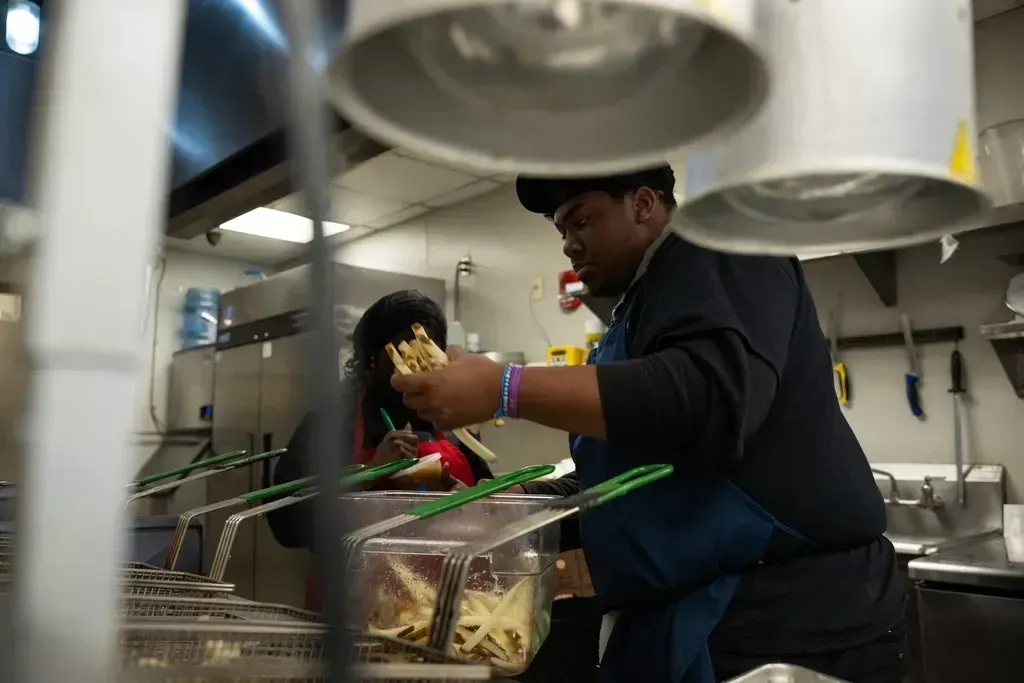
Family meal is one of the oldest traditions in professional kitchens, and it often happens right at closing rather than before service. Cooks will take proteins or sides that didn’t move that night, things too small to save or too close to their shelf life, and turn them into a quick meal shared among the crew. It’s practical as much as it is social, since it reduces waste while giving exhausted staff something to eat before they head home.
This tradition varies wildly by restaurant, with some places treating it as a genuine culinary moment and others keeping it as fast and simple as possible. Either way, it tends to be one of the few relaxed moments of the entire shift. Standing around a hot line eating cold rice or extra rotisserie chicken has become something of a universal experience among restaurant workers.
5. Restocking mise en place for the next shift
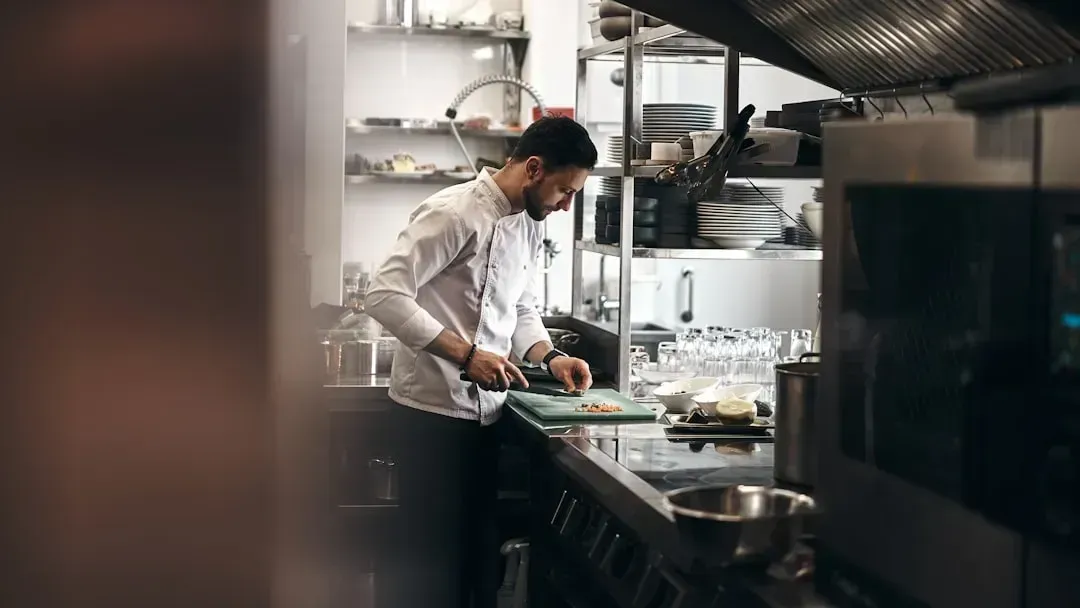
Nobody wants to walk into an empty station the next day, so part of closing involves restocking basic mise en place even after a long night. This might mean portioning proteins, refilling squeeze bottles, or prepping small batches of sauces that take time to come together. Skipping this step doesn’t save time, it just shifts the burden onto whoever opens in the morning.
Good kitchens treat this handoff seriously because a slow start during morning prep can snowball into a stressful dinner rush later. Cooks who have worked both opening and closing shifts understand this trade-off intimately, since they’ve felt the pain of walking into an unprepped station themselves. It’s less about generosity and more about basic kitchen math, since time saved tonight often gets paid back tenfold tomorrow.
6. Writing or updating the pass-down notes
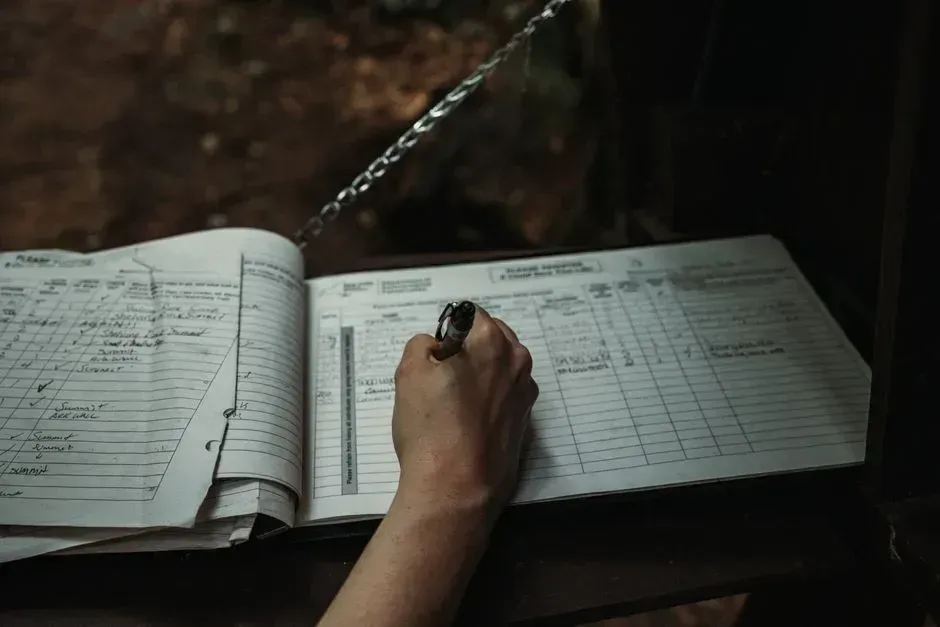
Many restaurants keep a physical or digital log where closing cooks leave notes for the next shift, covering things like low stock items, equipment issues, or special requests from regulars. This pass-down system has become more common as kitchens rely on tighter staffing and can’t count on the same crew working every day. A missing pass-down note about a broken fryer or an allergy-sensitive VIP reservation can create real problems fast.
Some kitchens use simple whiteboards, while others have shifted to shared apps or group chats for this exact purpose, reflecting how restaurant operations have modernized over the past few years. Either way, the goal stays the same, keeping information moving even when the people involved never actually cross paths. It’s a small habit, but it prevents a surprising number of avoidable mistakes.
7. Taste-testing leftover specials before they get tossed
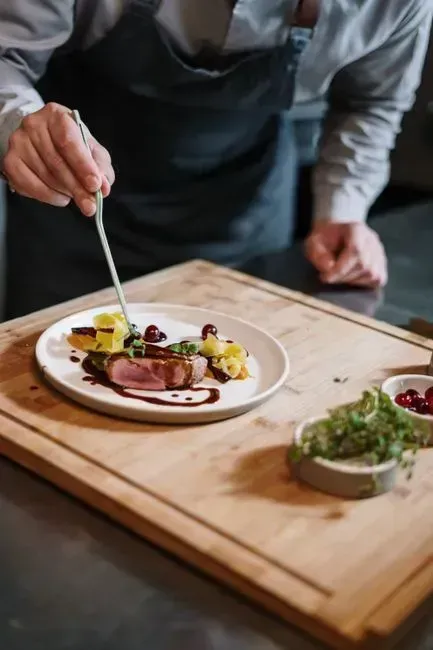
Chefs often use the final minutes of service to sample whatever special or new dish didn’t sell as expected, treating it as a low-stakes moment for honest feedback. Since the dining room is empty, there’s no pressure and no customer watching, which makes it easier to admit when a dish just didn’t work. This kind of casual quality control happens far more often than most diners would guess.
It’s also where a lot of menu tweaks originate, since cooks will talk through what needs more acid, salt, or better plating before the item runs again. These conversations tend to be blunt and quick, shaped by exhaustion rather than formality. Still, this closing-time critique often ends up shaping decisions that guests will taste weeks later without ever knowing why.
8. The last trash run and final sweep
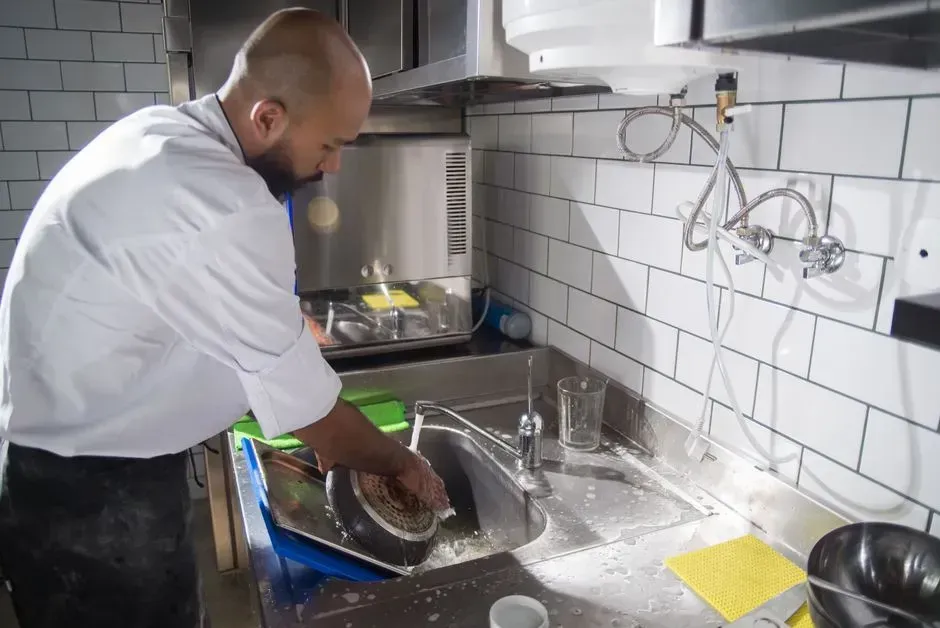
The very last task before anyone leaves is almost always some combination of taking out trash, sweeping the kitchen floor, and doing a final mop. Grease buildup on kitchen floors is one of the leading causes of workplace injuries in restaurants, according to occupational safety data tracked by organizations like OSHA, which makes this step more important than it might seem. A slick floor left overnight isn’t just unpleasant, it’s a liability.
This final sweep also doubles as a visual check, since cooks often spot forgotten pans, unplugged equipment, or open containers during this last pass. It’s rarely glamorous work, and it usually happens well after most other departments have already gone home. Still, it’s the task that quite literally closes out the night, marking the true end of the shift rather than just the kitchen’s official closing time.
Taken together, these habits reveal a side of restaurant work that rarely gets attention outside the industry itself. None of these tasks show up on a menu or a receipt, yet they shape food safety, consistency, and the overall health of a kitchen night after night. The closing shift may be quieter than dinner rush, but it carries its own weight, one that keeps the entire operation running long after the last guest has gone home.




Leave a Reply