
Most people learn to do laundry by watching someone else do it. A parent tosses everything in together, sets it to hot, and moves on. That method gets handed down like a family recipe, and years later you’re wondering why your favorite sweater fits a child and your black jeans look perpetually gray. The damage is quiet, cumulative, and almost entirely avoidable.
The frustrating part is that these aren’t exotic mistakes. They’re ordinary habits that seem harmless in isolation but compound over dozens of wash cycles. Understanding what’s actually happening to your clothes during each load makes the fixes obvious rather than restrictive.
1. Overloading the Washing Machine
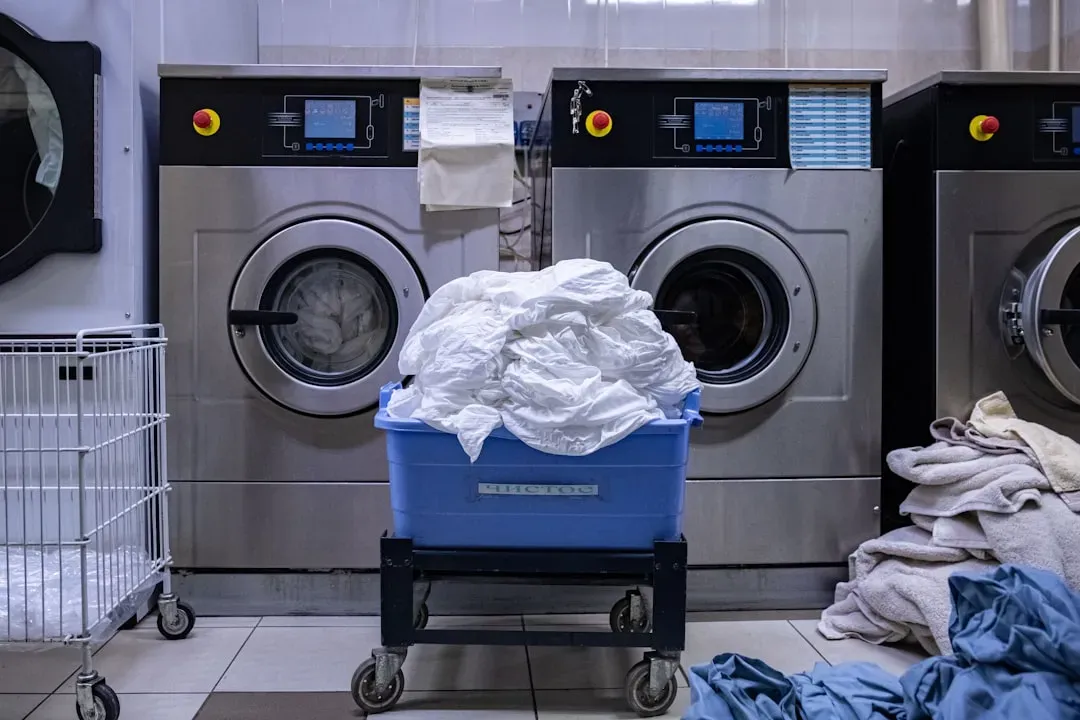
Stuffing too many items into the drum prevents water and detergent from circulating effectively, and the resulting friction causes fabrics to rub against each other aggressively, leading to pilling or tearing. It’s tempting to cram in one more shirt to save time, but the wash itself becomes essentially useless at that point.
Overloading means your clothes can’t move freely, which leads to uneven washing, extra wrinkles, and even damage to seams and fibres. Filling the drum about three-quarters full gives clothes enough space to tumble and actually get clean, rather than just getting agitated.
2. Using Too Much Detergent
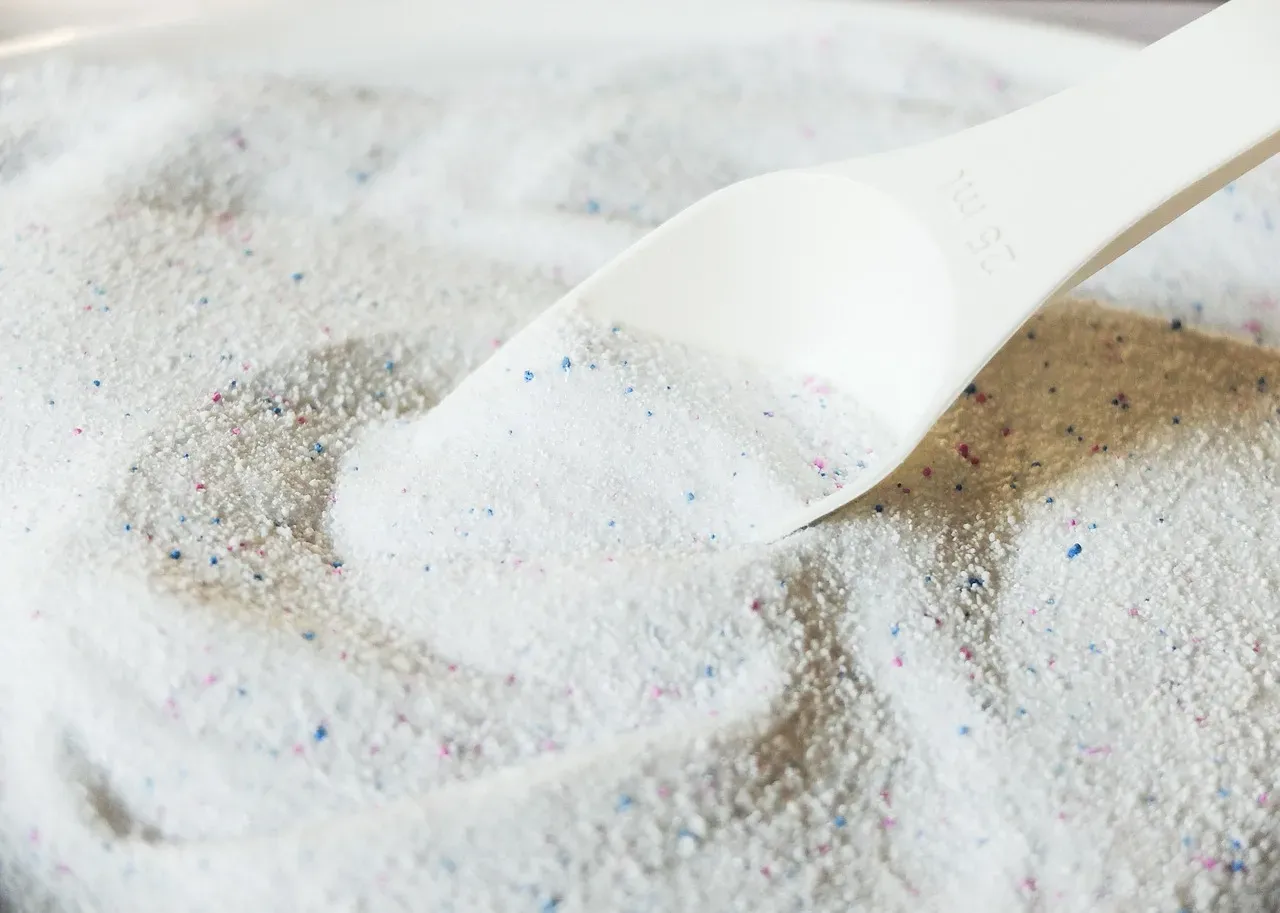
More detergent doesn’t mean cleaner clothes. In fact, excess soap can leave residue in fabrics, making clothes stiff, dull, and more prone to attracting dirt. Most people eyeball the amount rather than measuring, and that habit quietly degrades every garment over time.
Excessive soap creates a surplus of suds that traps dirt back onto your clothing rather than rinsing it away. Over time, detergent buildup in the machine can also lead to costly repairs or even shorten the lifespan of your washer. Less really is more with detergent, and the measurement lines on the cap actually exist for a reason.
3. Ignoring Care Labels
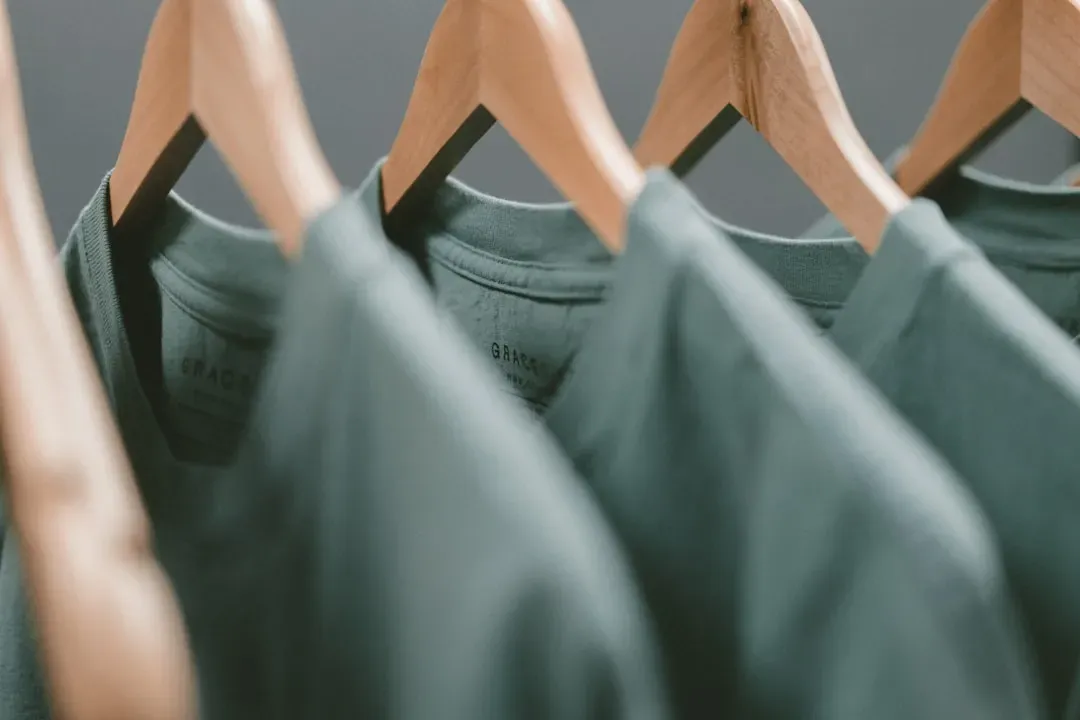
Care labels are there to guide you, yet many people ignore them, leading to accidental damage like shrinkage, fading, or fabric deterioration. Delicate fabrics like wool, silk, or cashmere require special handling, and ignoring their washing instructions can ruin them in a single cycle. One wrong cycle and the damage is done.
Washing a wool sweater in hot water can cause it to shrink several sizes, while using a high spin cycle on silk can break down the fibers and leave permanent wrinkles. Care labels may not be interesting to read, but following them helps avoid costly mistakes and makes clothes last longer. A thirty-second check before each load is genuinely worth the effort.
4. Washing Everything in Hot Water
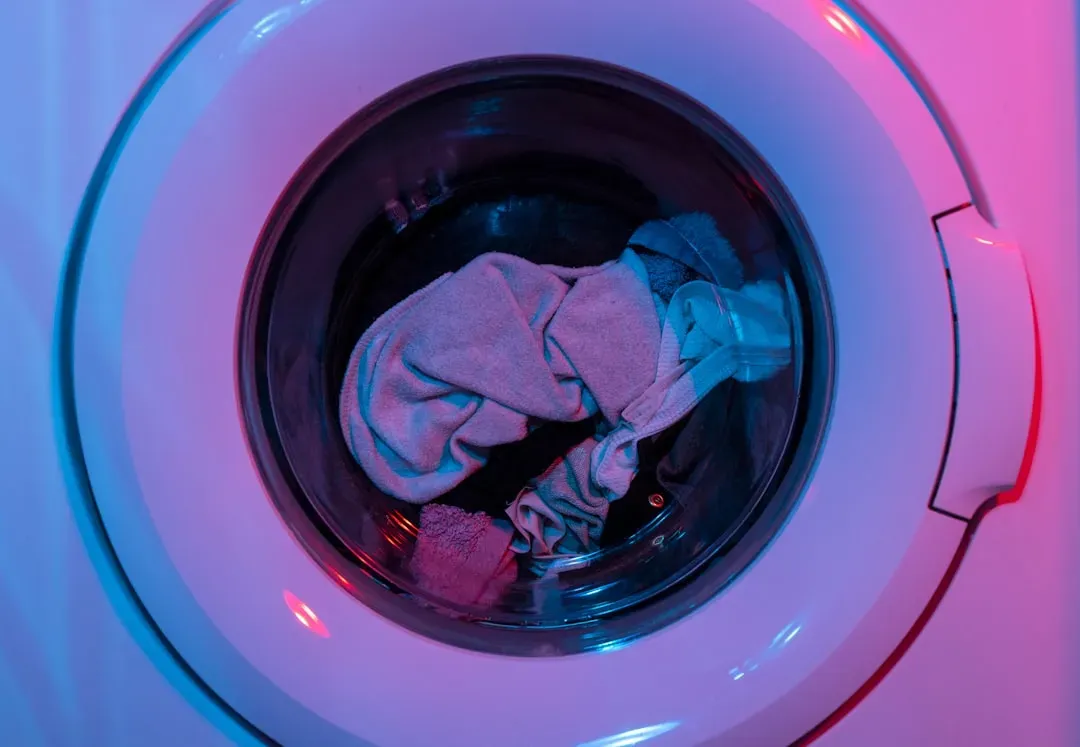
Hot water can be effective for deep cleaning, but it isn’t suitable for every fabric. Many fabrics, especially delicate ones, break down faster in hot water, which can lead to shrinking, color fading, and fabric weakening. The assumption that hotter means cleaner is one of the most persistent myths in domestic life.
Short fibers are dislodged from woven and knit fabric structures by the mechanical action of laundering, and these dislodged fibers may form lint, fuzz, or pills visible on the surface of fabrics. Repeated laundering, especially with bleach-containing laundry products, can remove dye and impart a faded, worn-out appearance. Cold water handles most everyday loads just fine and extends the life of your wardrobe considerably.
5. Not Sorting Clothes Properly
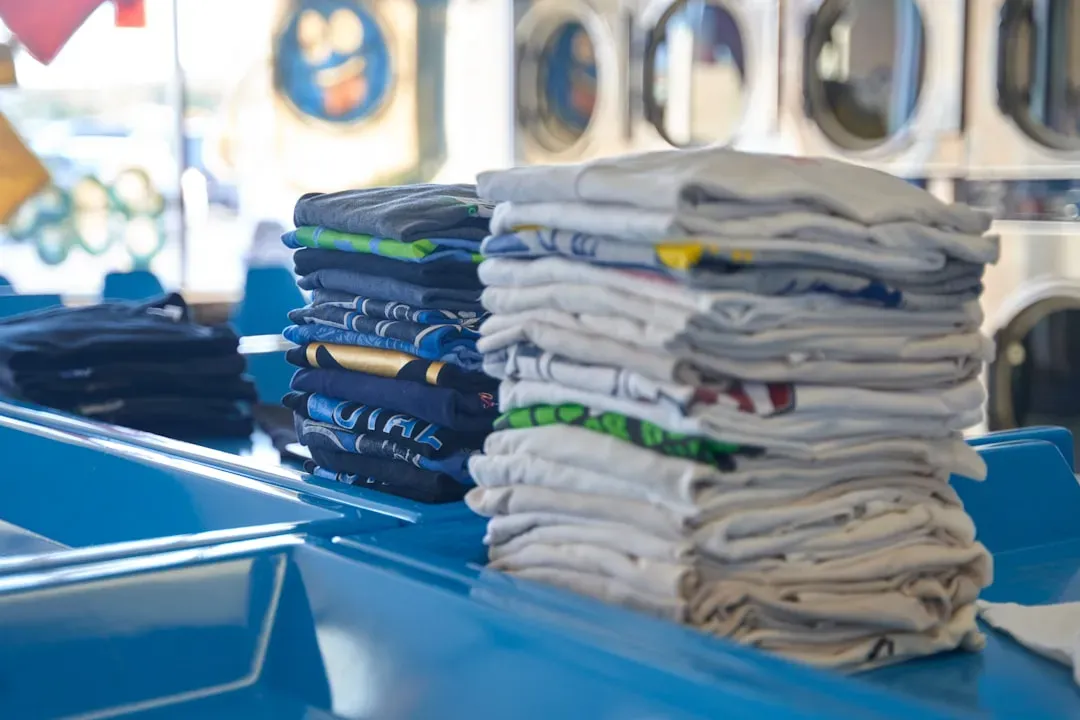
Not sorting clothes properly is a common laundry mistake that can cause bleeding colors and fabric damage. Washing items like dark jeans with lighter fabrics can cause dye to transfer, resulting in stains that are hard to remove. A single red garment washed with whites is the classic disaster, but the slower, subtler version happens every time heavy and delicate items share a drum.
Dark clothes may bleed onto light clothes, making them look dull or gray, and heavy items such as jeans and towels rub against soft materials, leading to pilling and wear. Sorting by both color and fabric weight takes an extra minute but preserves the integrity of everything in your wardrobe for much longer.
6. Overusing Fabric Softener
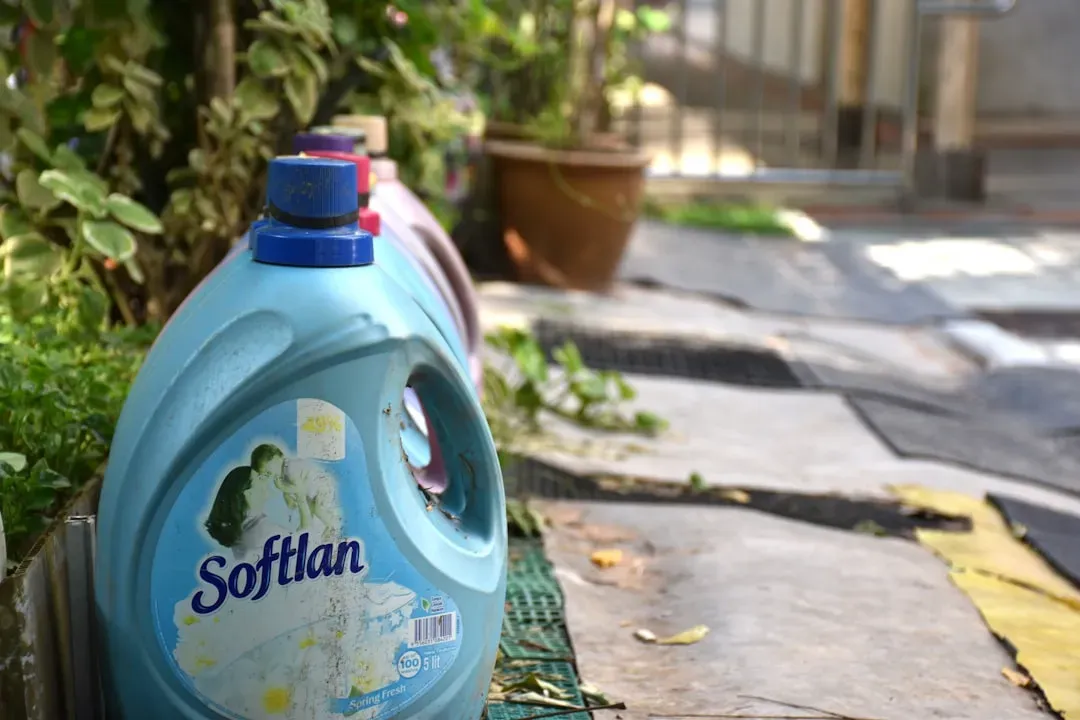
Fabric softener essentially applies a thin, waxy coating to your laundry which must be water-resistant to survive the washing process. This waterproof coating initially makes your clothes softer but lessens their ability to absorb water and detergent over time, meaning your clothes won’t hold up as well in the wash and will likely begin locking in bad odors.
Adding softener to every load creates a waxy coating on fabrics that reduces their absorbency over time, and this is particularly detrimental to towels and athletic wear designed to wick moisture away from the body. The chemical buildup can also trap bad odors inside the fibers rather than removing them. Ironically, using it every wash makes your clothes smell worse, not better, over time.
7. Leaving Wet Clothes in the Washer Too Long

Clothes shouldn’t be left in the wash for more than eight to twelve hours. After this time, moisture combined with warm, enclosed conditions inside the machine creates an ideal environment for bacteria, mold, and mildew to grow. It’s one of those habits that feels minor in the moment but compounds into a persistent problem.
Black or gray spots appearing on fabric surfaces indicate mildew growth after twenty-four hours of dampness, while yellow discoloration commonly appears on light-colored fabrics due to bacterial growth, creating permanent stains that resist normal washing. Rough patches can appear where mildew has damaged fabric fibers, turning previously soft materials into something altogether different.
8. Washing Clothes With Open Zippers and Loose Fastenings
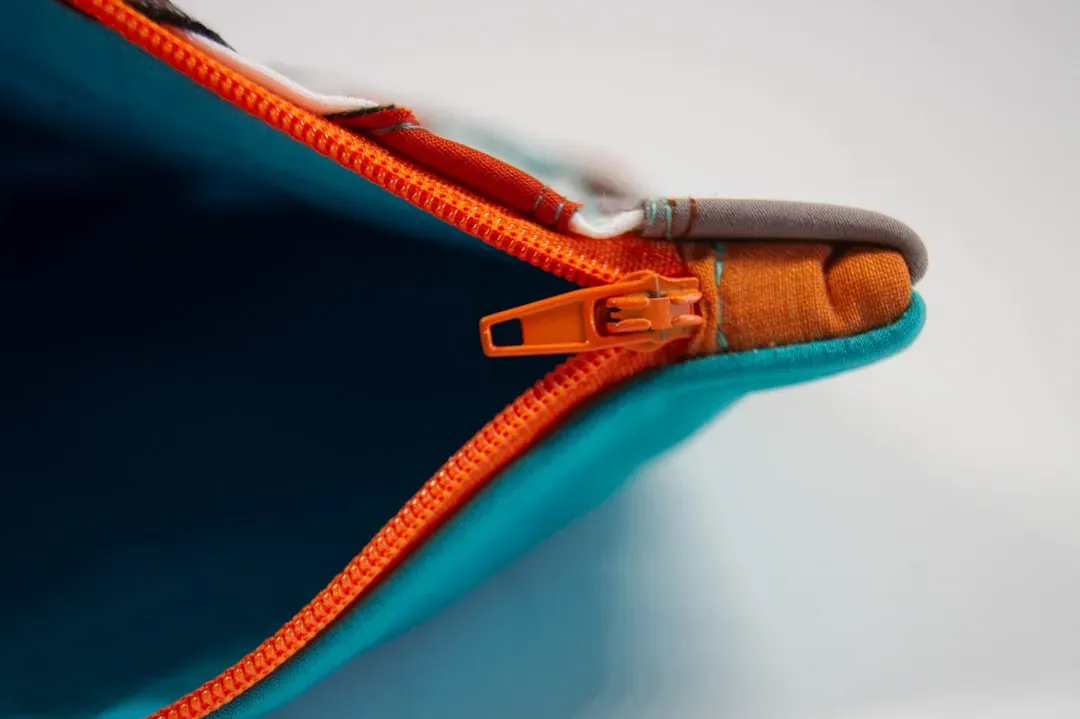
Open zippers act like tiny saws that snag delicate fabrics and scratch the interior of the washing machine door, and the metal teeth can easily tear holes in lighter items during the agitation process. Most people never make the connection between a mysterious snag and the jeans they tossed in with the zipper wide open.
Open zippers are likely to catch on fabric and cause tears, and loose buttons hit the drum and weaken stitching. Closing every zipper and fastening every button before clothes go into the hamper takes seconds and prevents the kind of gradual mechanical damage that slowly makes an entire wardrobe look worn out far ahead of schedule.
Fabric doesn’t deteriorate overnight. It happens wash by wash, load by load, through habits that feel entirely normal because they’ve always been done that way. Small corrections to routine, applied consistently, are what separate clothes that last years from clothes that quietly fall apart within months of purchase.



Leave a Reply