
Most of us glance at a passport the way we glance at a library card. It’s in the drawer, it works, and we assume it will keep working. Then a booking is made, a nonrefundable fare is paid, and a small detail on page one turns into a problem at the check in desk.
The checks below take a few minutes at a kitchen table. Doing them before you pay can save money, stress, and sometimes the whole trip.
Your Expiry Date
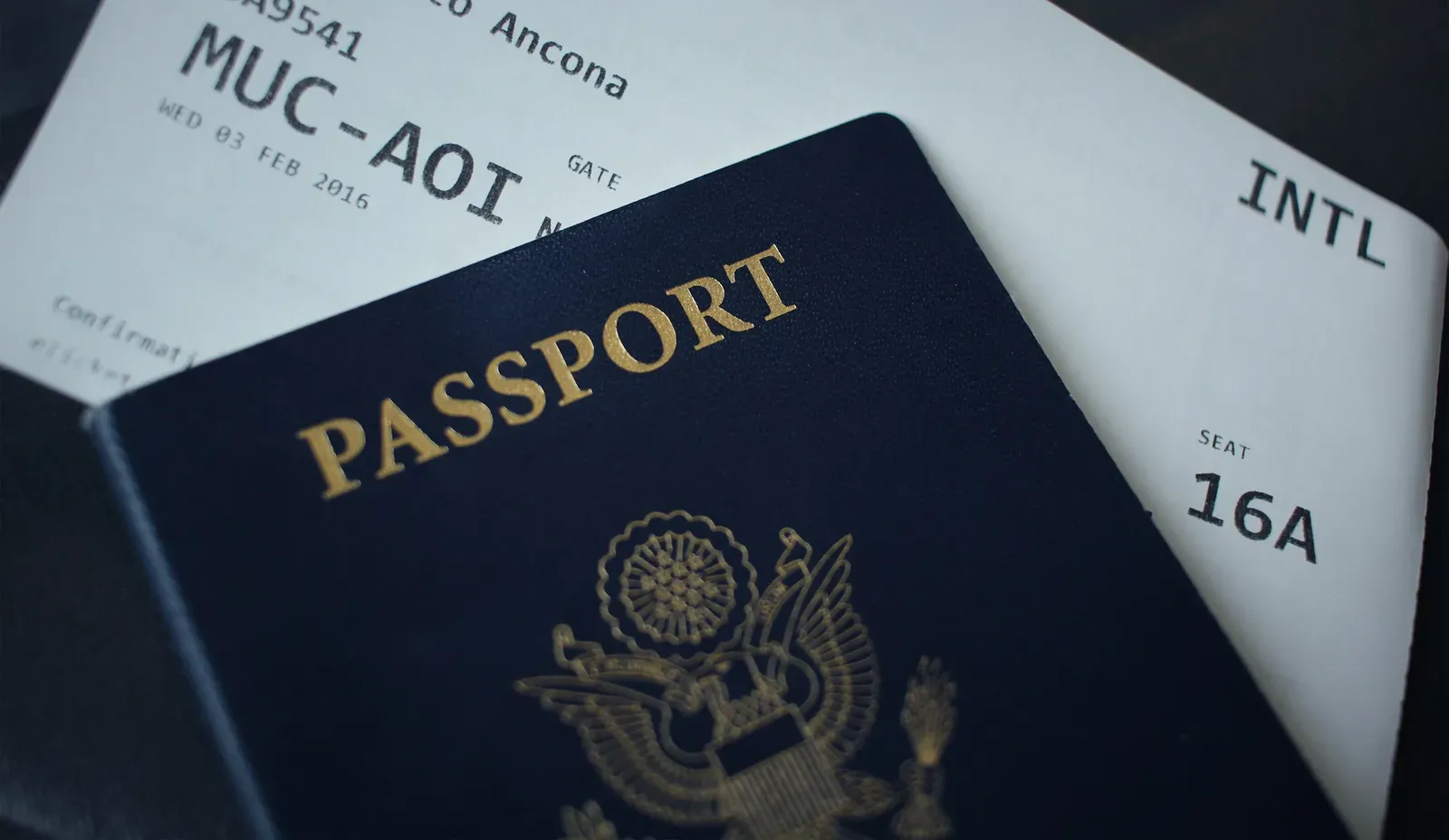
Start with the date printed on the data page. Many countries want a passport to stay valid for a set period after you arrive or leave, so a passport that is technically still valid today may not be enough. For the Schengen area, one travel resource advises that the passport should be valid for at least three months beyond your planned departure from Europe.
Other destinations ask for six months, and airlines can refuse boarding if you don’t meet the rule. Rules differ by country and by nationality, so check the official government entry page for your exact destination. Count from the day you plan to leave, not the day you book.
Blank Visa Pages
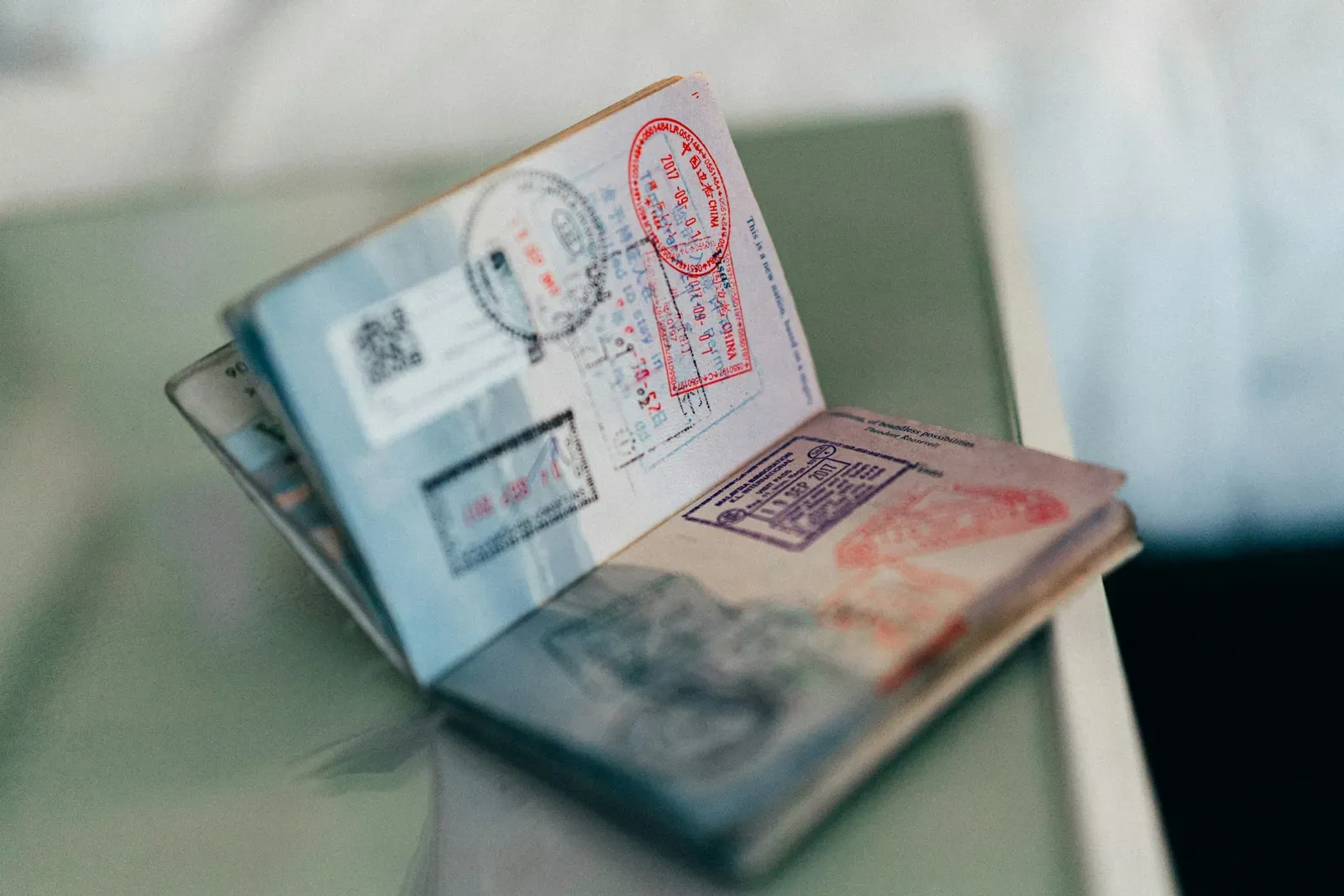
Some countries expect one or more fully blank pages for entry stamps or visas. Pages with only a faint stamp, or the endorsement pages at the back, often don’t count. A passport that looks half empty can still fail this test.
If you travel a lot, flip through the whole booklet before you book. Where a destination states a page requirement, you’ll find it on that country’s official entry guidance. Renewing early is easier than arguing at a counter.
Name and Details That Match Your Ticket
The name on your booking has to match the name in your passport’s data page, letter for letter. Airlines generally build tickets from what you type, so a nickname, a missing middle name, or a swapped surname can cause trouble. Fixing a ticket after issue may cost a fee, or force a rebooking.
Date of birth and gender marker deserve the same attention. Copy them straight from the passport rather than from memory or an old booking profile. It’s a dull step, but it’s one of the cheapest to get right.
The Issue Date and the Ten Year Limit

Expiry isn’t the only date that matters. Some destinations, including the Schengen area, look at when the passport was issued. The common requirement is that it was issued within the previous ten years, which matters for older adult passports that were renewed with leftover validity.
This catches people out because adult passports in some countries are valid for ten years, and a few carried extra months over from a previous document. Check both the issue date and the expiry date on the data page. If the issue date is close to ten years old, treat the passport as nearly expired for European travel.
Biometric Chip and Border Systems

Look for the small chip symbol on the front cover. It means your passport is a biometric one, which many countries now expect. Border authorities increasingly rely on that chip and on facial or fingerprint data.
Europe’s Entry/Exit System is a good example. One timeline of the rollout reports that it became fully operational at all external border crossings on April 10, 2026. Queues at some airports were long that summer, so a damaged chip or an unreadable passport could slow you further.
Physical Condition of the Booklet
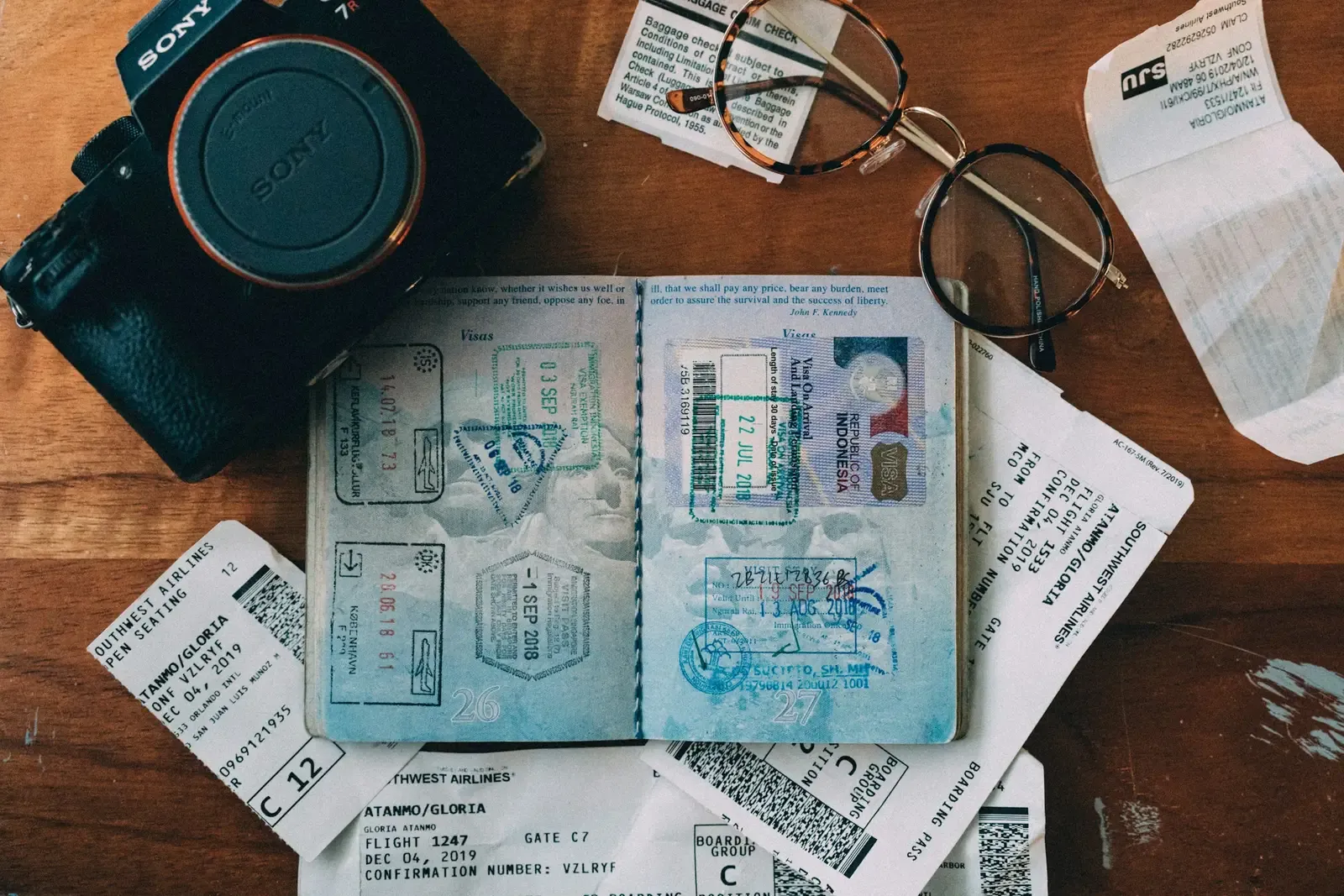
Water stains, torn corners, a peeling laminate, or a cover that’s coming loose can all make officials question a passport. Border staff can decline a document they think has been altered or damaged. Wear that seems minor to you may not seem minor to them.
Check the photo page in particular. Scratches, bubbling, or marks over the picture are the usual sticking points. If anything looks doubtful, ask your passport agency whether replacement is wise before you travel.
Travel Authorisations Tied to the Passport Number
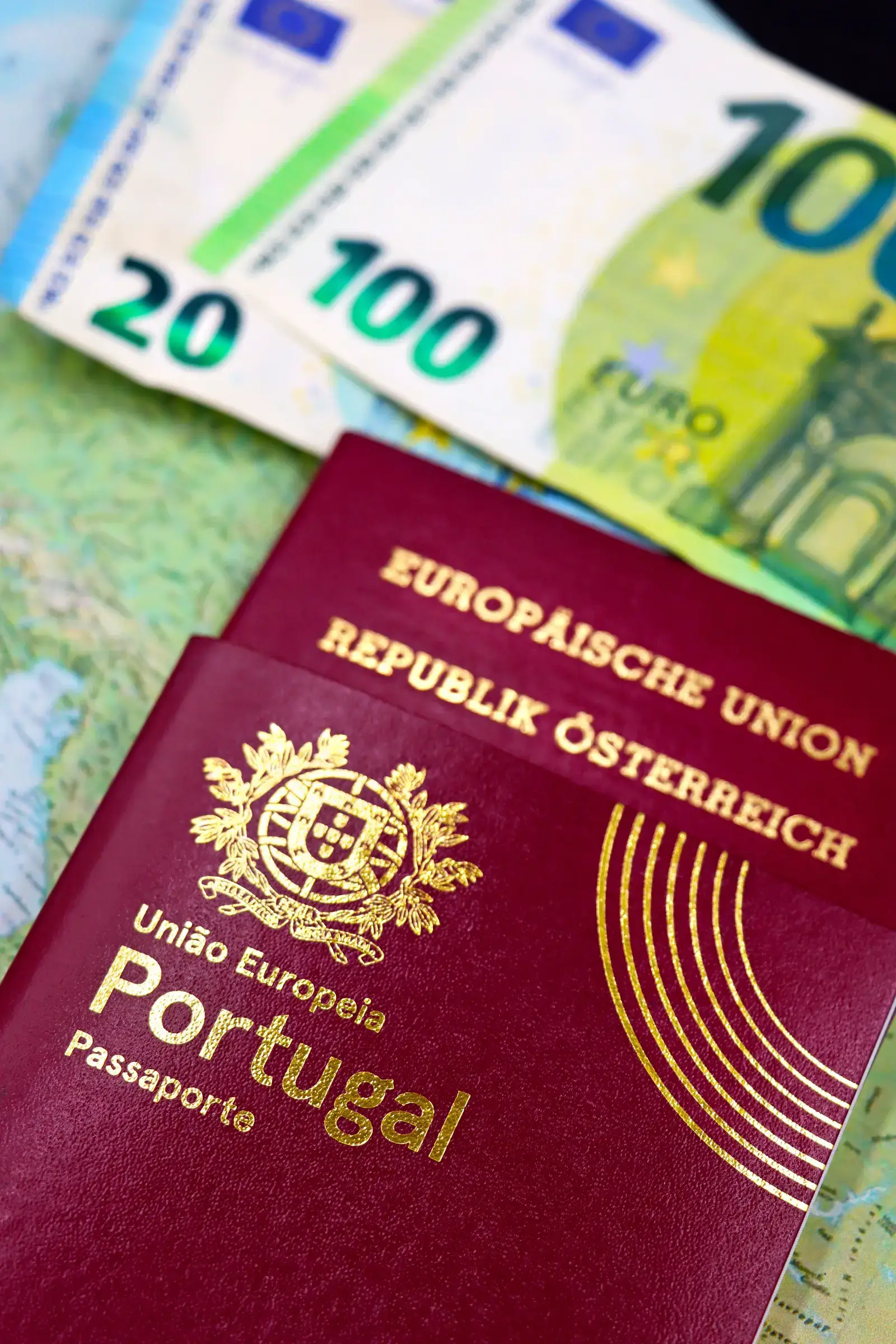
Electronic permits such as the US ESTA, the UK ETA, and Canada’s eTA attach to a specific passport. The EU’s planned ETIAS works the same way, and one travel guide notes that a new passport means a new application. If you renew after getting an authorisation, it may no longer apply.
ETIAS is not live yet. Reporting from mid July 2026 says the earlier target of the last quarter of 2026 was removed from the official EU page, and that the EU will announce a date several months ahead. Use only official europa.eu sites when it does open, since the official fee is stated on those pages and lookalike sites may charge more.
How Long Renewal Really Takes
The last check is about time, not the document. Renewal windows are often longer than people expect, especially before summer and holidays. One travel guide puts routine US passport processing at roughly six to eight weeks, and advises renewing now if your passport expires within the next eighteen months.
Processing times change, so look at your own passport agency’s current estimate before you book. Expedited services exist in many countries, though they cost extra and aren’t guaranteed. Booking only after your passport is in hand removes most of the risk.





Leave a Reply