
Professional cooks spend their days inside kitchens, so they know how a menu item gets from walk-in cooler to plate. When they eat out, their choices can look a little odd. Some skip a dish because they’ve seen how it’s made. Others skip it because they can make it better at home, or because the price doesn’t match the effort.
Chef opinions vary, and none of this is a universal rule. Plenty of chefs say a humble dish can be great when it’s done well. Still, the same items come up again and again in interviews published in recent years, and the reasons are worth knowing.
Soup of the Day
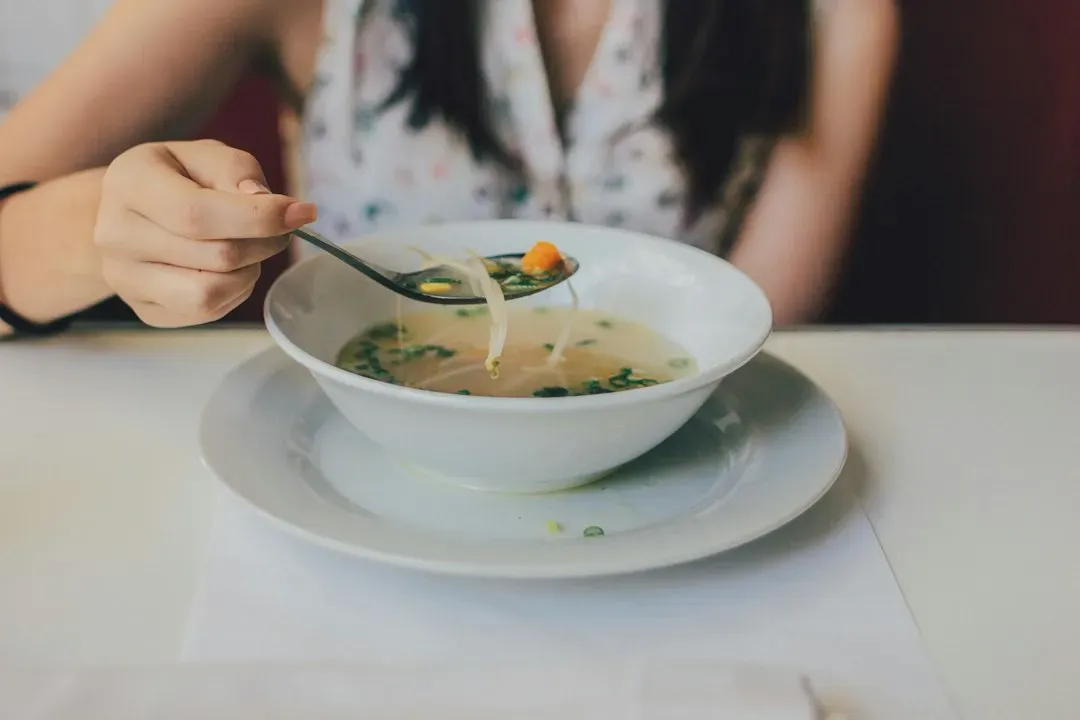
One Mississippi head chef said the soup du jour is the one thing he won’t order, and he questions whether it was really made that day and how long it has sat in the steam well. He also wonders whether the prep cook cooled it down properly. Food safety is the heart of the worry.
Gordon Ramsay is also reported to avoid soup of the day, for similar reasons. One red flag is when the specials were roast chicken and vegetables, and the soup suddenly turns out to be chicken vegetable. That can suggest the kitchen is using up older ingredients. If the soup looks like leftovers in disguise, it probably is.
The House Salad
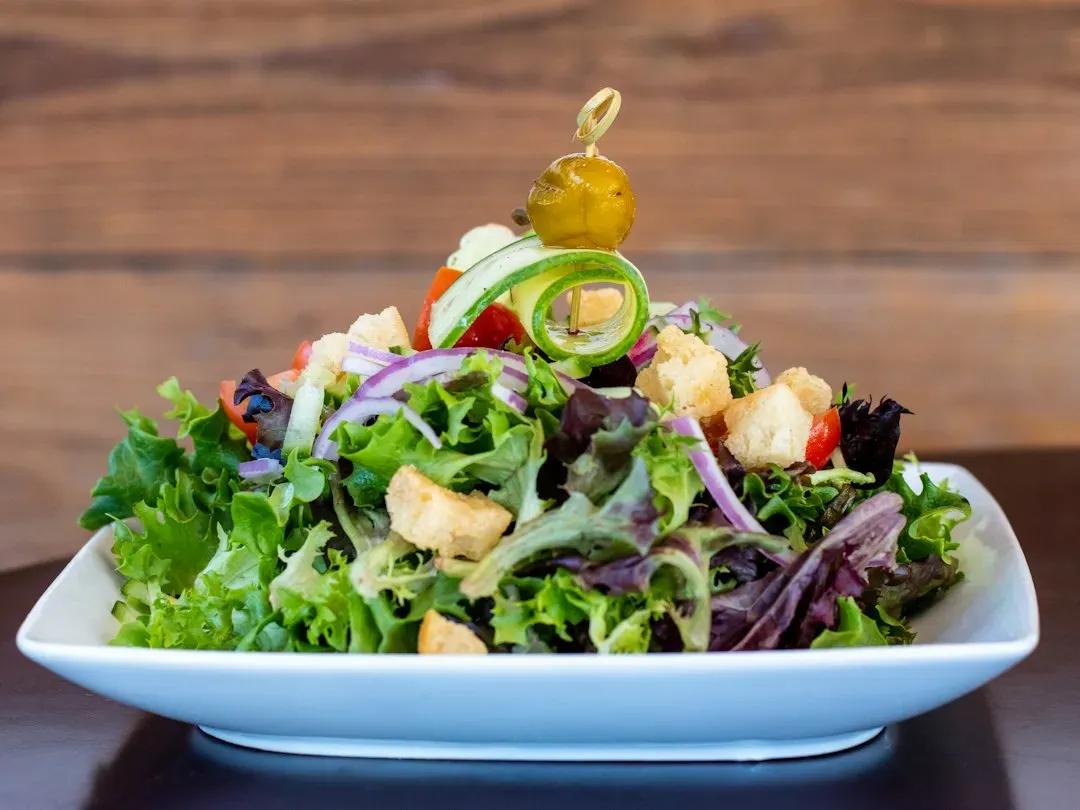
A salad sounds like the safest thing on the menu. Chef Suhum Jang, co-owner of Hortus NYC, says he personally avoids house salads and tends to steer clear of restaurant salads overall. His objection is about what ends up in the bowl.
He says he has seen restaurants repurpose leftover scraps from other dishes as salad ingredients. Greens are cheap and easy to dress up, so a salad can quietly absorb whatever the kitchen needs to use. A more specific, seasonal salad, built around a particular ingredient, tells you more about the kitchen’s care.
Risotto
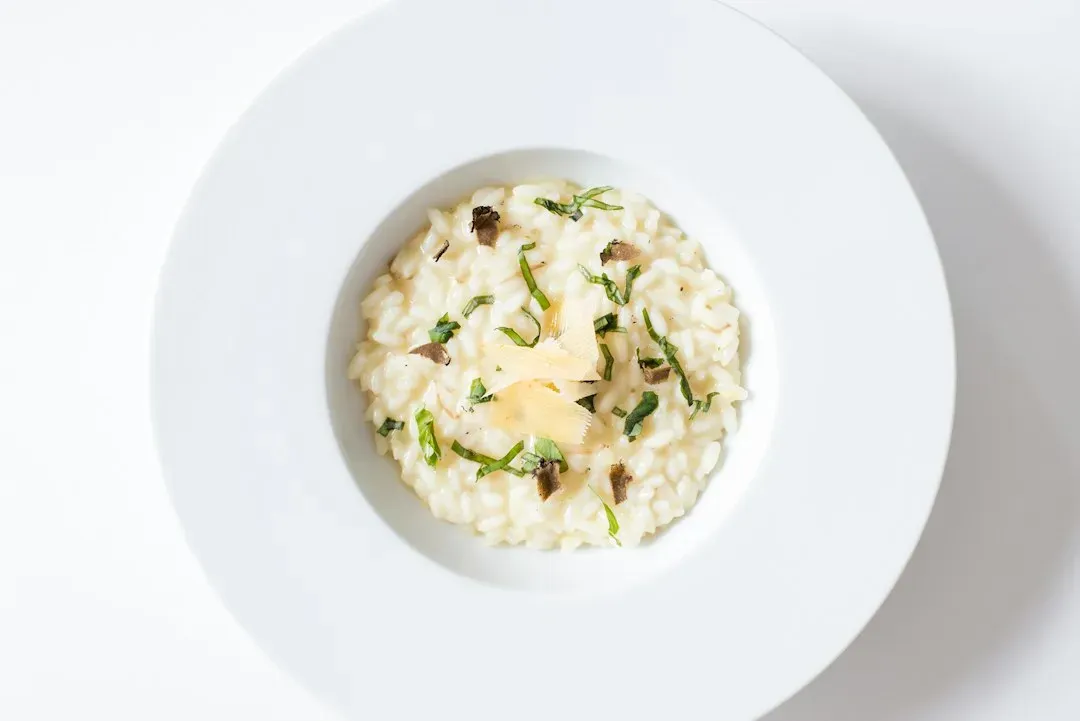
Risotto is meant to be cooked to order, stirred patiently until the rice turns creamy. Chicago chef Brian Motyka calls it the number one main dish he never orders. His reasoning is about shortcuts.
He says risottos are often pre-cooked, reheated, finished with cream, and then overcooked past the al dente texture you want. In his view, it’s best when the rice is cooked to order and finished with butter and Parmesan. If a server tells you the rice is made fresh for each plate, that changes the math.
Cheap or Over-Sauced Steak
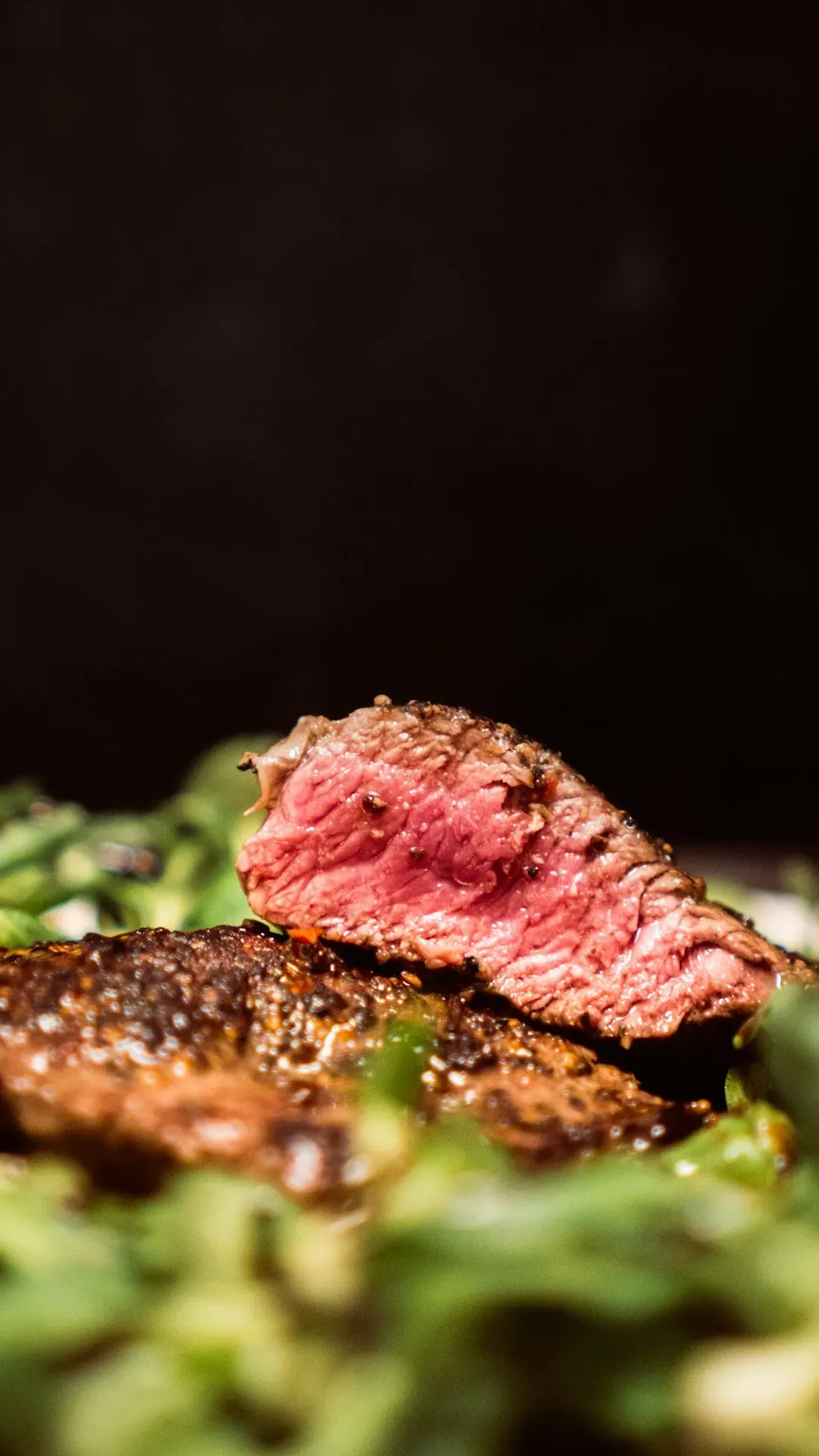
Steak is one of the few dishes chefs care about too much to gamble on. Advice from chefs includes skipping well done steaks, choosing a restaurant’s signature cuts, and avoiding cuts that are curiously cheap or over-sauced. A bargain price usually means something.
Fort Worth chef Grant Morgan notes that a cheap steak is most often a lower USDA grade of meat, even though some restaurants have buying power that offsets part of the cost. Other chefs see ordering a premium ribeye and having it cooked to oblivion as missing the point of buying quality beef. If you’re paying for a good cut, let it taste like one.
Anything Built Around Truffle
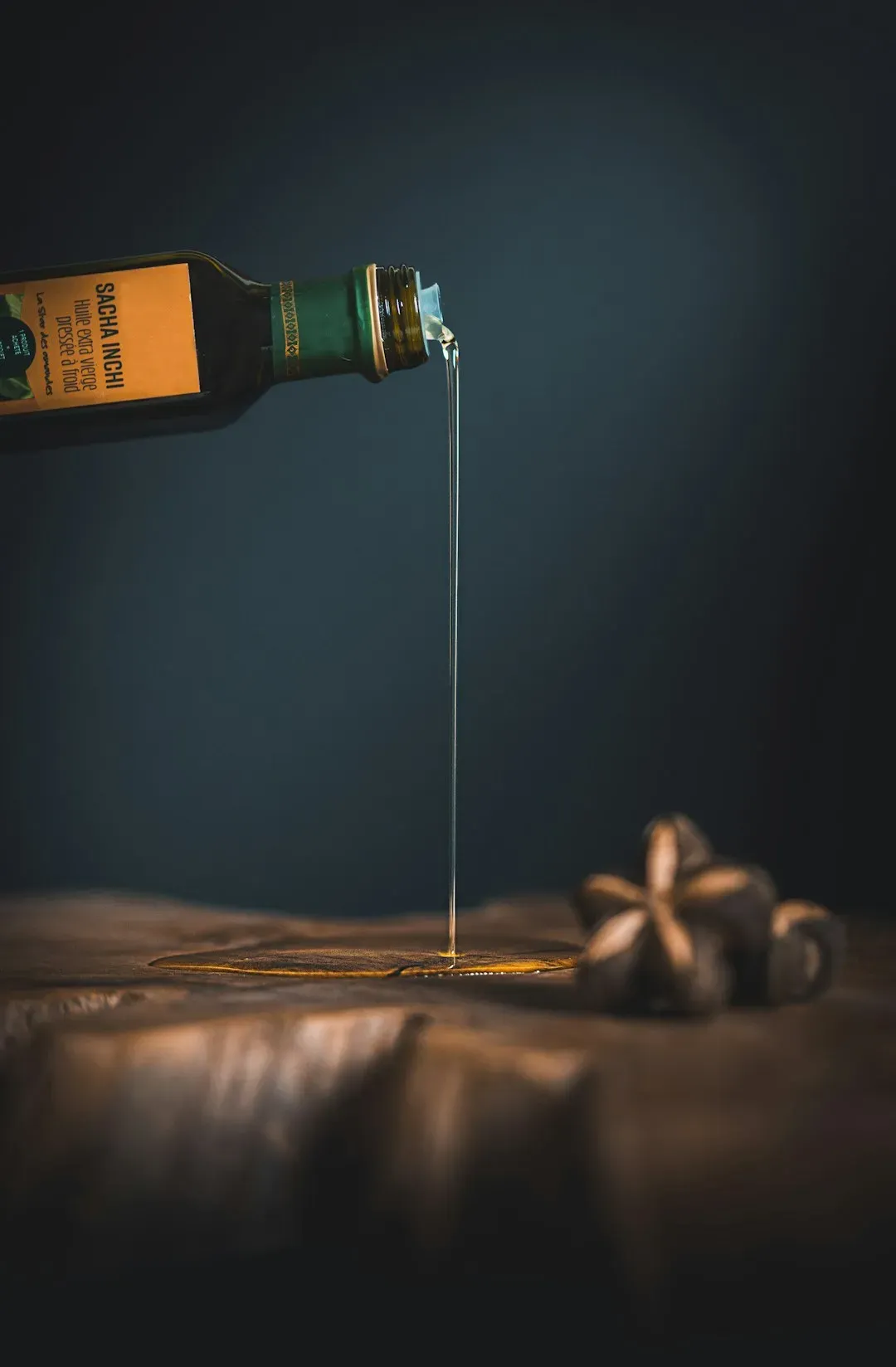
The word “truffle” on a menu can raise the price quickly. Most truffle oils actually contain no truffles at all. That’s a surprise to many diners.
Denver pastry chef Saura Kline advises against ordering anything with truffle in the name, since outside high end fine dining it usually means truffle oil, which is rarely made with real truffles and is often used heavily. Fragrant ingredients like truffle oil, bacon, and cream can be easy ways for restaurants to mask flavors and cut corners. A strong aroma isn’t proof of a quality ingredient.
Macaroni and Cheese
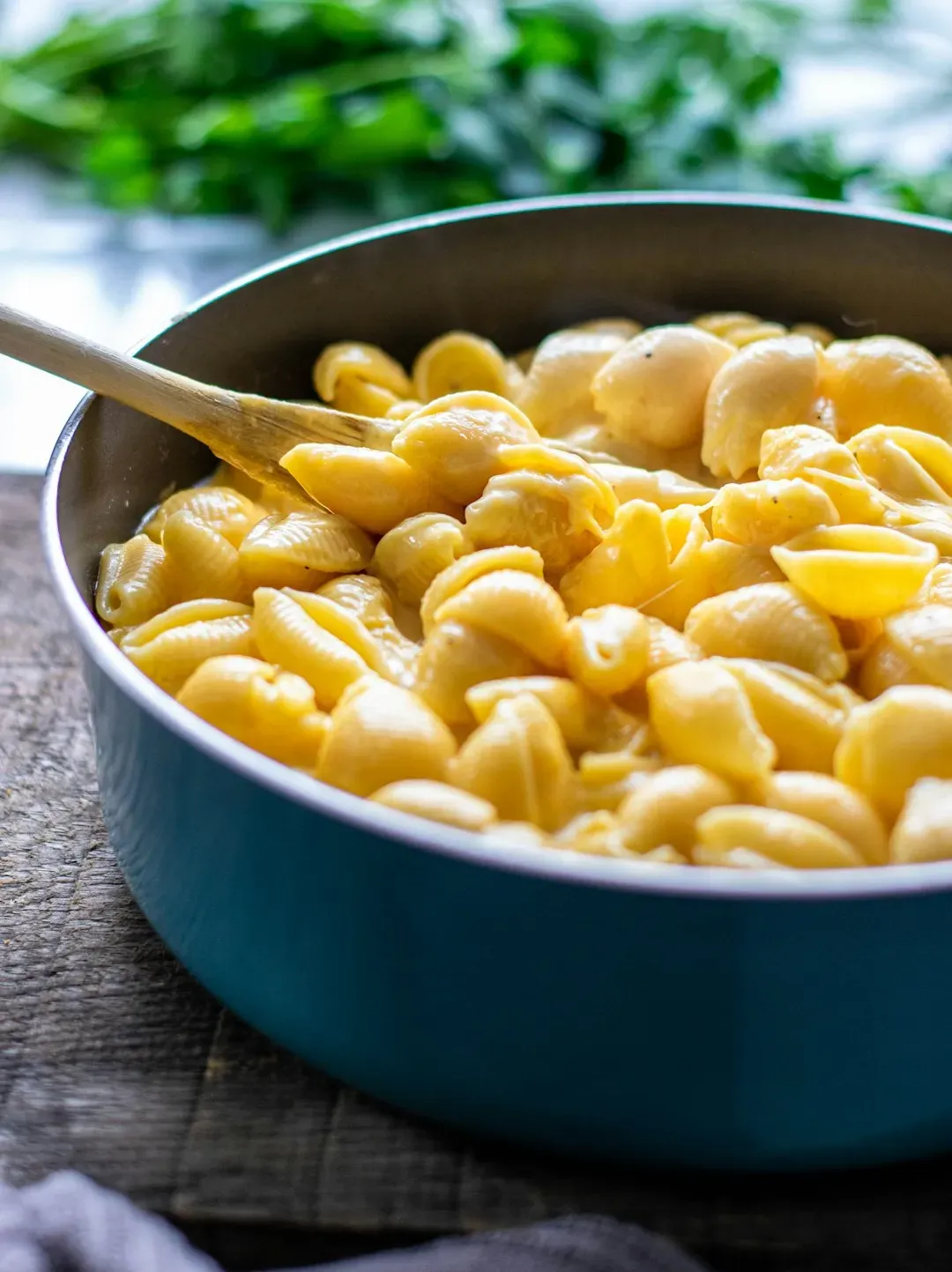
Mac and cheese is comfort food, and restaurants know it. One chef quoted in a 2026 roundup says he never orders it because it’s almost always overpriced, and the recipe usually relies on shortcuts like premade cheese sauce. Familiarity does a lot of the selling.
He describes it as a very high profit, low effort item. That doesn’t mean a good version can’t exist. It just means that if you wouldn’t pay that much for a boxed version at home, you may want to look at what else is on the menu.
Plain Chicken Breast
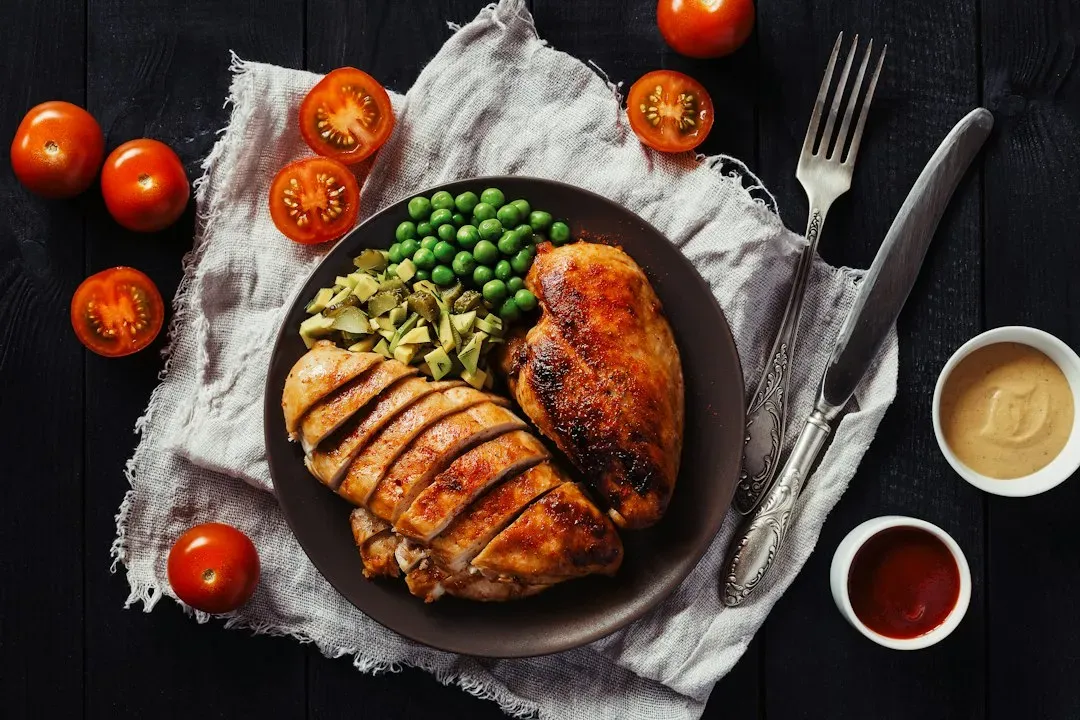
Chicken is the default safe pick on many menus, which is exactly why some chefs pass on it. One executive chef says the standard grilled or seared chicken breast entrée is a menu minefield because the preparation is so basic. There’s little room for the kitchen to hide.
He adds that a well executed chicken dish is fine, but when dining out he looks for something more unique or something he wouldn’t make at home. Another chef in West Hollywood says he avoids it because it tends to be overcooked at most restaurants. The complaint is rarely about chicken itself.
Monday Specials
Timing matters when you’re reading a specials board. One New York chef says he never orders specials on Mondays because they are often leftovers from the weekend. It’s a simple rule of thumb rather than a guarantee.
The logic matches the soup of the day concern. Kitchens waste less when they work leftover product into a special, and diners rarely know what went in. If you do want a special, asking when it was prepared is a reasonable question.

Leave a Reply