
Most of us have stared into the fridge at a container of something and wondered how long it’s been there. Saving leftovers is thrifty and sensible, but only up to a point. Bacteria that cause illness don’t always change how food looks or smells.
Guidance from agencies like the U.S. Department of Agriculture and the Centers for Disease Control and Prevention gives clear rules for when leftovers stop being safe. These eight signs are the ones that matter most.
It Sat Out for More Than Two Hours
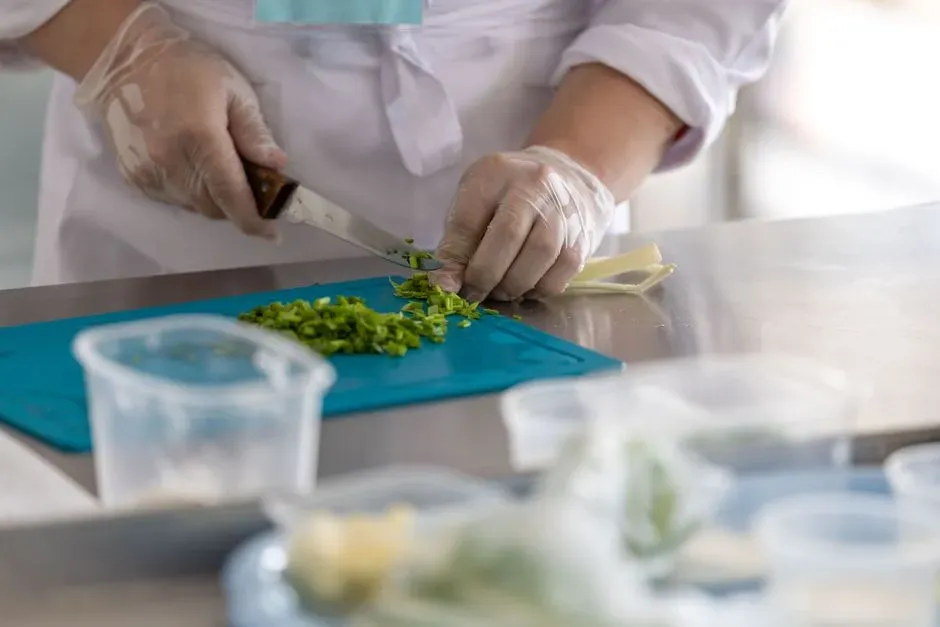
The USDA says perishable food shouldn’t stay at room temperature for more than two hours. When the air temperature is above 90 degrees Fahrenheit, as at a summer picnic, that window shrinks to one hour. Between 40 and 140 degrees, bacteria multiply quickly, which is why this range is called the danger zone.
Reheating doesn’t reliably fix the problem. Some bacteria produce toxins that survive heat, so a dish can still make you sick after it’s piping hot. If you can’t say for sure how long dinner sat on the counter, it belongs in the trash.
It’s Been in the Fridge Longer Than Four Days
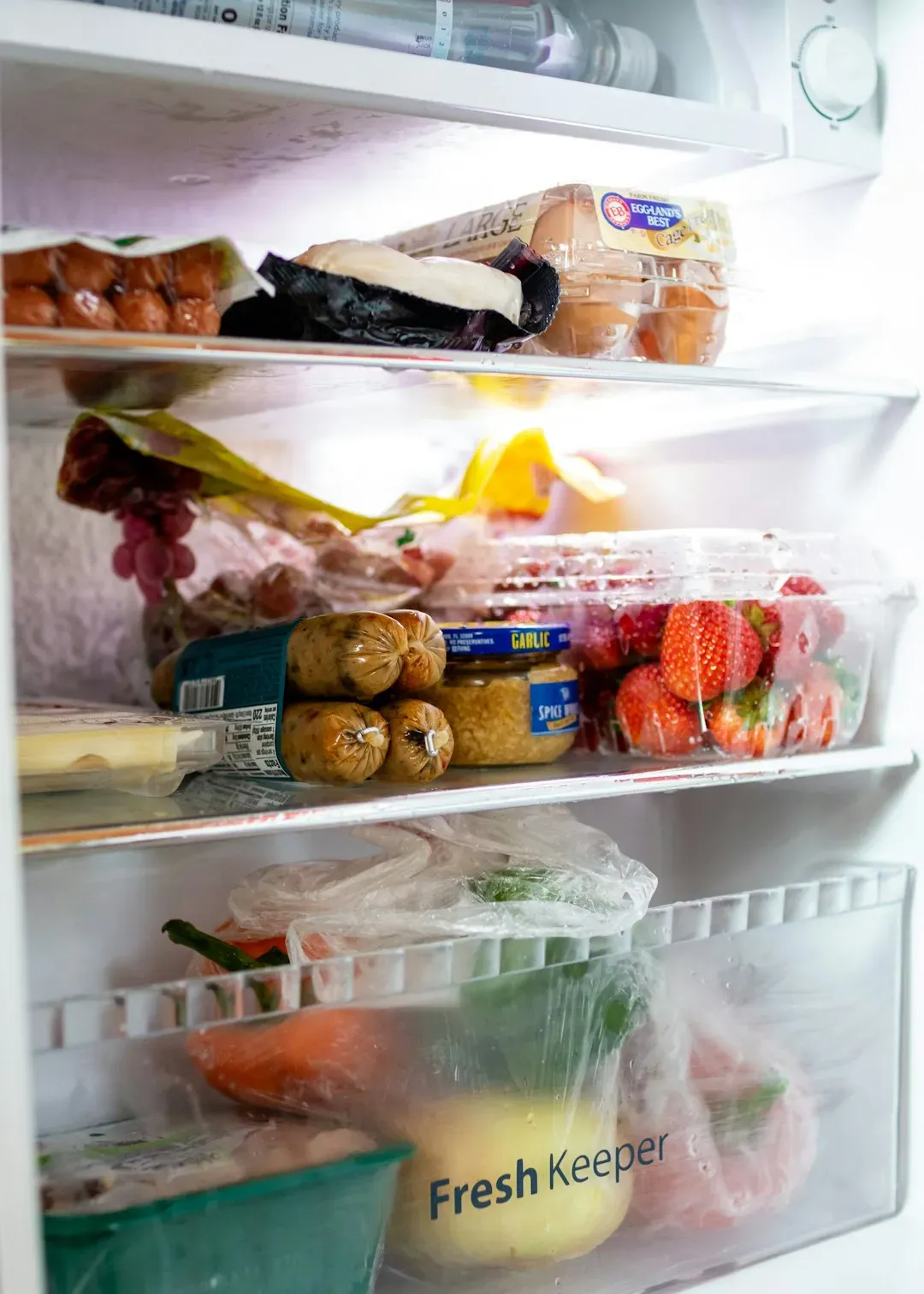
Cooked leftovers are generally safe in the refrigerator for three to four days, according to USDA guidance. After that, the risk of illness climbs even if the food looks fine. A container made on Sunday is usually at the end of its useful life by Thursday.
Labeling helps. A piece of tape with the date takes five seconds and removes the guesswork. If you want to keep food longer, freeze it within that window. Frozen food stays safe indefinitely, though quality slowly declines.
It Smells Off, Feels Slimy, or Shows Mold
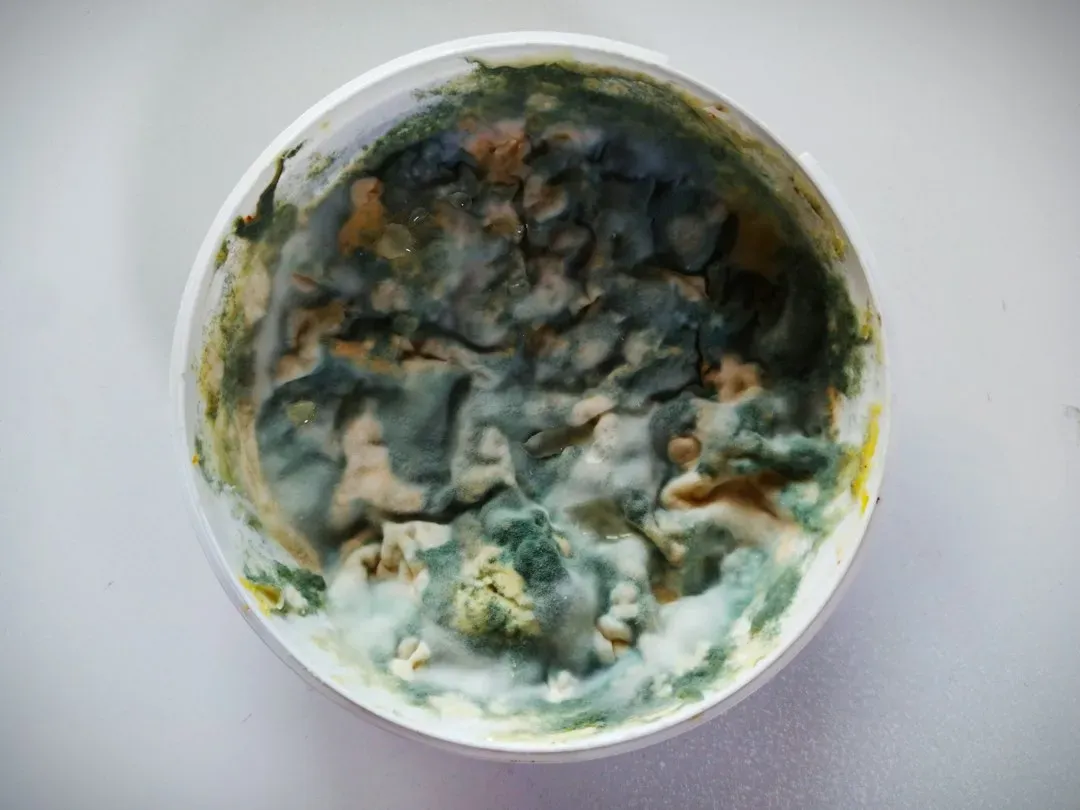
Some signs of spoilage are obvious. A sour odor, a slick film on meat, or fuzzy mold are all good reasons to throw something out. Spoilage organisms cause these changes, and they tell you the food has been around too long or was stored badly.
Mold on soft foods like cooked casseroles, soups, and sauces can spread invisibly below the surface, so scraping it off isn’t enough. Keep in mind that the reverse isn’t reliable. Food that smells fine can still carry harmful bacteria, so a clean nose test doesn’t make old leftovers safe.
It’s Cooked Rice or Pasta That Waited Too Long
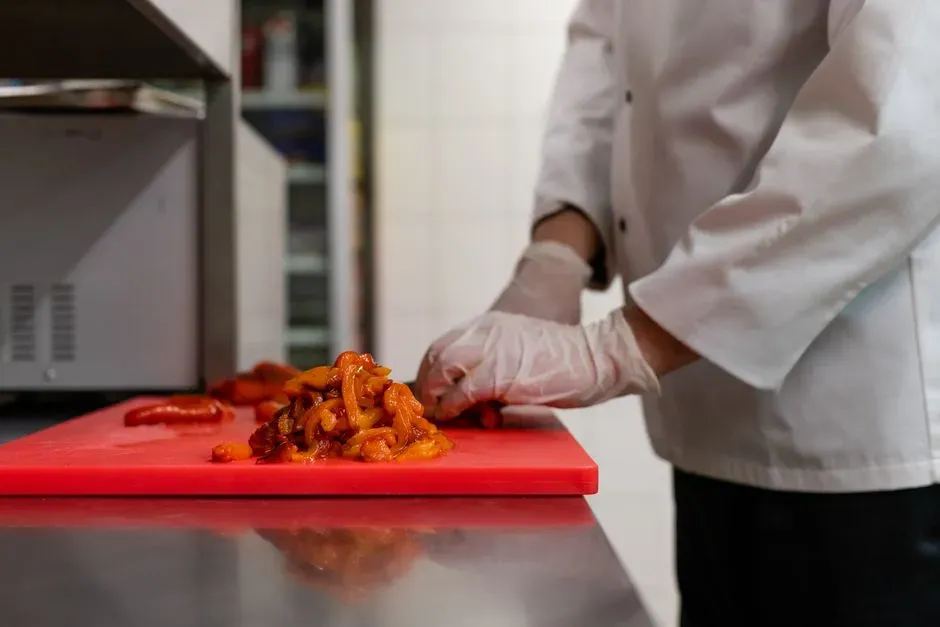
Cooked rice has a particular reputation among food safety specialists. Spores of Bacillus cereus can survive cooking, and if the rice sits warm, they grow and produce a toxin. That toxin isn’t destroyed by reheating, which is why this is sometimes called fried rice syndrome.
The fix is speed. Cool rice and pasta quickly, ideally within an hour or two, and refrigerate them in shallow containers. If a pot of rice stayed on the stove overnight, throw it out rather than trying to rescue it in the microwave.
The Fridge Wasn’t Cold Enough or the Power Went Out
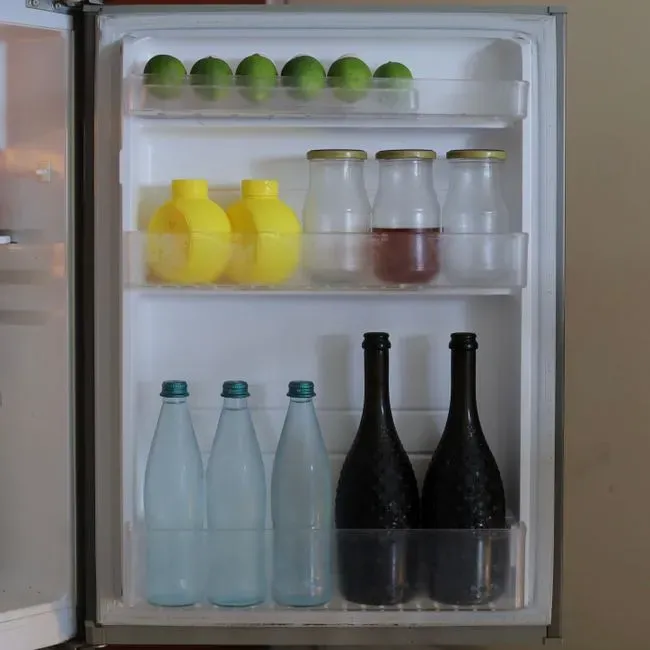
Your refrigerator should hold at 40 degrees Fahrenheit or below, and your freezer at zero. An appliance that runs warm quietly shortens the safe life of everything inside. An inexpensive fridge thermometer is the easiest way to check.
After an outage, the USDA says a closed refrigerator keeps food safe for about four hours. Past that point, perishable items like cooked meat, cut fruit, and cooked leftovers should be discarded. Opening the door repeatedly during an outage shortens that time.
It Has Been Reheated More Than Once
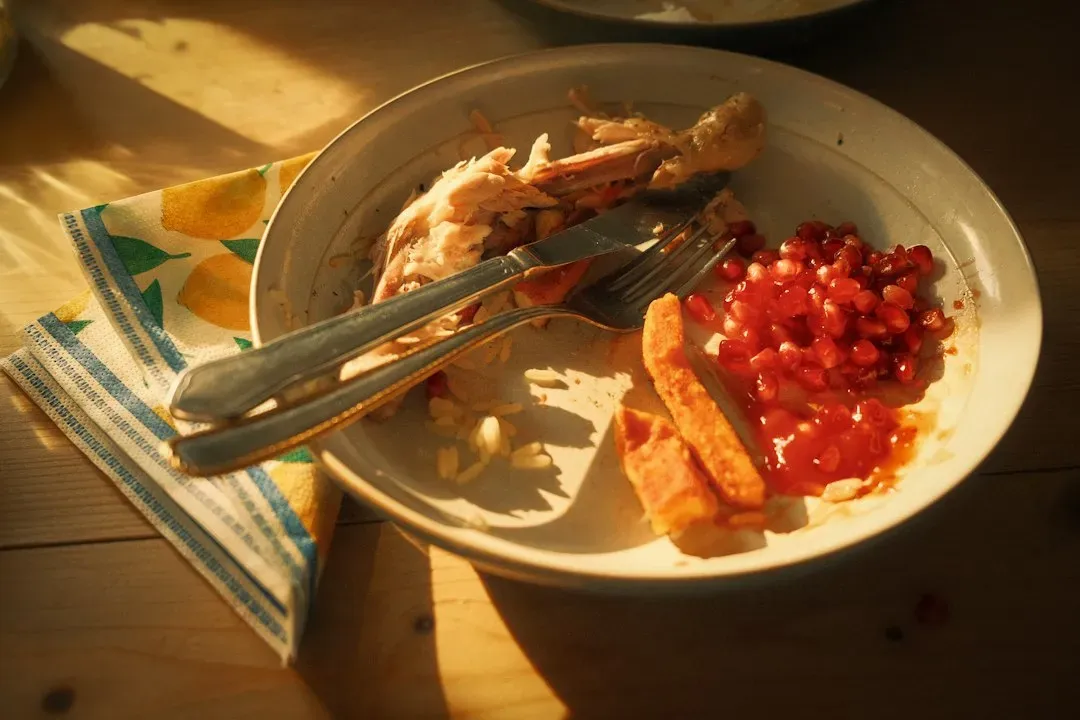
Every time food cools and warms again, it spends time in the danger zone. Reheating a dish several times gives bacteria repeated chances to grow, particularly if portions sit out between rounds. Quality drops too, with dry meat and mushy vegetables as the usual result.
The safer habit is to reheat only what you plan to eat. Leftovers should reach an internal temperature of 165 degrees Fahrenheit, checked with a food thermometer. Once a portion has been reheated and left sitting, don’t put it back in the fridge for another round.
It’s a High Risk Food Meant for a Vulnerable Eater
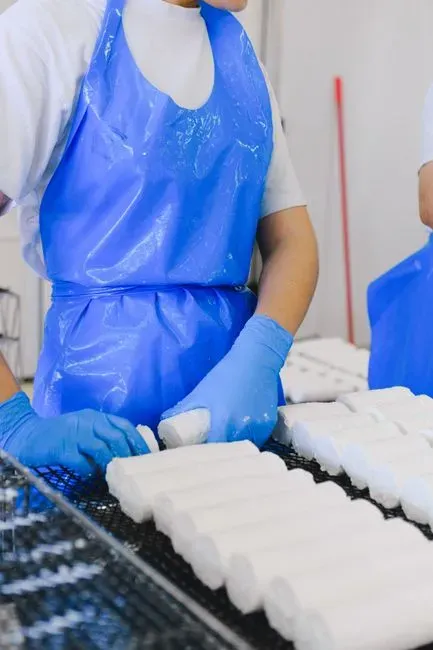
Listeria is unusual because it can grow at refrigerator temperatures. Ready to eat foods like deli salads, soft cheeses, and cooked meats can hold it, and the CDC identifies pregnant people, adults aged 65 and older, and people with weakened immune systems as being at higher risk of serious illness. For these groups, the usual four day rule should be treated as a firm limit, not a rough guide.
If a household includes a newborn, an older relative, or someone undergoing treatment that suppresses immunity, be stricter. Throw out older leftovers rather than gambling on a reheat. Food that would only upset one person’s stomach can be a real danger to another.
You Can’t Remember When It Was Made or What Touched It
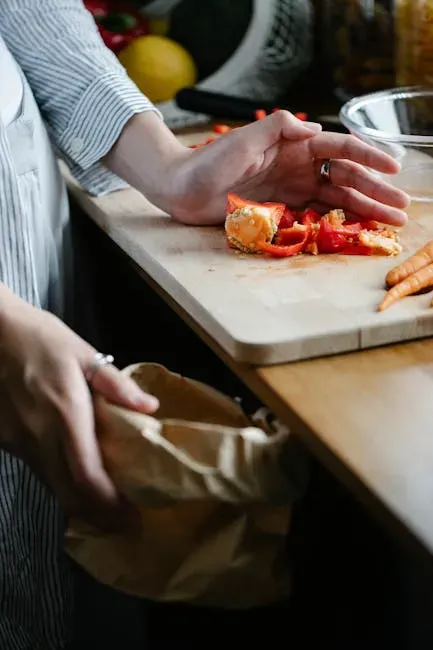
An unlabeled container at the back of the shelf is a common culprit. Without a date, there’s no way to know whether it falls inside the safe window. The same goes for potluck dishes, buffet plates, and takeout that sat in a warm car for the drive home.
Cross contamination is the other hidden risk. Cooked food that touched raw meat juices, or that was scooped with a used utensil, can pick up bacteria that cooking had already eliminated. When the history of a dish is unknown, food safety guidance points toward discarding it.

Leave a Reply