
Spend enough time around couples who have shared decades together and you’ll notice something. They don’t avoid conflict exactly, but they’ve quietly sorted their disagreements into two piles: the ones worth raising, and the ones that simply aren’t. This isn’t passive resignation. It’s something more deliberate, a kind of unspoken treaty built from years of knowing each other well enough to see when a fight would cost more than it could ever return.
Research conducted by the Gottman Institute indicates that roughly seven in ten problems couples argue about are perpetual or unsolvable. That’s a striking figure, and long-married couples seem to have absorbed this reality without needing to read a study about it. Over time, they develop an almost instinctive sense of which issues to engage with and which to let pass. Here are eight things many of them quietly agree to stop fighting about.
1. Each Other’s Deep-Seated Personality Differences
Perpetual problems in a marriage are unique to each couple, rooted in their core differences and shaped by personality or lifestyle requirements. If one partner is strongly extroverted and enjoys socializing while the other prefers quiet evenings at home, these differences can repeatedly generate friction. Early in a relationship, that friction often leads to arguments. Years in, most thriving couples have stopped expecting the other person to fundamentally change.
Accepting that some differences may never be fully resolved relieves the pressure to change a partner or “win” the argument. Instead, couples can learn to honor each other’s contrasting views and needs, finding creative compromises and focusing on the deep respect and affection that transcend their differences. The introvert and the social butterfly don’t disappear from the relationship. They just stop going to war over each other’s wiring.
2. How the Other Person Manages Personal Stress

Everyone handles stress differently. Some people get quiet and withdraw. Others need to talk through every detail out loud. After many years together, most long-married couples have learned that trying to force their partner into their own stress response style is a losing battle. They’ve seen it fail enough times to stop trying.
It is the way couples talk about perpetual problems that distinguishes between happy and distressed couples. Happy couples learn to cope with these ongoing differences rather than letting them infect the relationship. Accepting a partner’s stress style, even when it’s frustrating, tends to be one of the first quiet surrenders long-married couples make, and often one of the most useful.
3. Past Mistakes That Have Already Been Settled

Revisiting old, resolved conflicts is one of the fastest ways to erode goodwill in a marriage. Long-married couples tend to develop a quiet rule about this: once something has been genuinely worked through, it stays worked through. It doesn’t get pulled back out during new arguments as ammunition.
Data drawn from interviews with couples married forty or more years, across twenty-four countries, found that major threats to marriage included infidelity, chronic mental illness, and in-law issues. The primary coping mechanisms those couples shared were effective communication, drawing closer, persevering together, and prioritizing the relationship. Prioritizing the relationship means choosing not to weaponize history. Couples who last understand that some chapters need to stay closed.
4. Minor Household Habits and Quirks

The toothpaste cap. The direction the toilet paper roll faces. The way dishes are stacked. These small domestic irritants can feel enormous in the early years of sharing a home, but they tend to lose their power over time. Most long-married couples have quietly renegotiated their thresholds for what actually warrants a conversation.
Longer-married couples reported fewer serious issues and argued less overall, which is consistent with previous research suggesting that older partners, aware of time passing together, prioritize their marriage and decide some issues simply aren’t worth fighting over. A misplaced coffee mug stops being a statement about respect and starts being just a misplaced mug. That shift in perception takes time, but it’s a reliable feature of durable marriages.
5. Differences in Religious or Spiritual Outlook

Among the issues couples tend to rank as most serious, intimacy, finances, and household responsibilities come up repeatedly. Jealousy, religion, and extended family, meanwhile, fall on the least serious end of the spectrum for many long-term happy couples. That placement of religion near the bottom may seem surprising at first. For many long-married couples, though, spiritual differences have simply become part of the landscape rather than a contested border.
When couples have genuinely different beliefs and have stayed together for decades anyway, those differences have already been absorbed into the fabric of the relationship. Fighting about them would feel, to many, like fighting about the weather. The pattern researchers observed was that couples focused on the issues with clearer solutions, while avoiding the more contentious ones they were less likely to agree on. Spiritual identity is rarely something one partner can argue the other into changing.
6. Who Was “Right” in an Old Argument

There’s a particular kind of argument that serves no purpose other than to establish who was correct about something that no longer matters. Long-married couples, almost universally, have learned to let these go. The desire to be vindicated about a disagreement from five years ago competes directly with the desire to feel at peace in the marriage.
When it came to arguing, couples generally avoided focusing on the most complex and least resolvable problems, strategically focusing instead on things that could be addressed. Focusing on the perpetual, more difficult-to-solve problems can undermine partners’ confidence in the relationship. Relitigating old verdicts is one of the least productive things a couple can do. At some point, long-married partners simply decide the score doesn’t matter.
7. The Other Person’s Relationship With Their Family
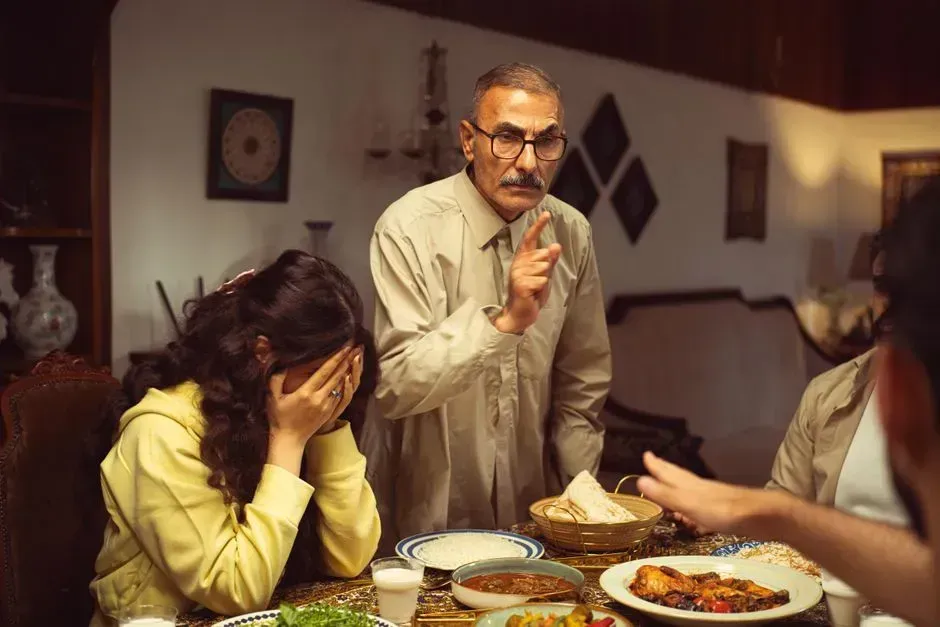
In-laws and extended family dynamics are among the most emotionally charged recurring stressors in long marriages. Major threats to long-term marriages include death or severe illness of a child, infidelity, chronic mental illness, and in-law issues. Yet couples who stay together tend to reach a quiet equilibrium here. They stop trying to reshape how their partner relates to parents, siblings, or extended family.
This doesn’t mean they stop communicating about it entirely. It means they’ve accepted that their partner’s family relationships carry their own weight and history, one that predates the marriage and can’t simply be argued away. Perpetual problems arise when two individuals have fundamental differences in how they approach life, including differences in family loyalties, parenting styles, and spending habits. Managing those differences, rather than fighting to erase them, is the more workable path.
8. Whether Their Approach to Money Is “Correct”

Finances are consistently cited as one of the top sources of marital conflict. Money, intimacy, leisure, household chores, and communication are among the issues couples most often rank as serious. Yet long-married couples who have found a working financial arrangement tend to let go of the underlying debate about whose philosophy is right. One partner saves instinctively. The other spends more freely. Both have spent years watching the other not change.
Perpetual problems are ongoing because they are rooted in differences in personality, beliefs, values, and hidden feelings. Classic examples include one person being naturally neat while the other is messy, and one person wanting more social time while the other wants more time as a couple. Financial temperament works the same way. At some point, durable couples stop arguing about who has the better instinct and start building a system that accommodates both.
What unites all eight of these is a quiet, accumulated wisdom: not every difference needs a resolution. Couples that were married longer tended to report fewer arguments overall, and when they do argue, they tend to do so in more productive ways, focusing on things that can actually be solved. The willingness to let certain things simply coexist, without a verdict, may be one of the most underrated skills in a long marriage. It isn’t giving up. It’s knowing the difference between a problem and a permanent feature of the person you chose.

Leave a Reply